Greedy Animals: 12+ Creatures Famous for Their Love of Food and Hoarding Habits
The animal kingdom is full of fascinating behaviors, and one trait that stands out in many species is greediness, a tendency to hoard, steal, or consume more than necessary. Greedy animals are often driven by instinct, survival needs, or natural habits that ensure they have enough resources for themselves or their offspring.
From squirrels burying nuts for winter to raccoons raiding garbage cans, these animals display remarkable cleverness, determination, and sometimes hilarious behavior in pursuit of food. This guideline explores more than 12 greedy animals, their unique habits, and the reasons behind their actions. Understanding these behaviors not only entertains but also teaches us about animal instincts, survival strategies, and the clever ways nature ensures survival.
List of Greedy Animals to Include
- Crows
- Ducks
- Cats
- Dogs
- Pigs
- Parrots
- Mice/Rats
- Beavers
- Bears
- Geese
- Chimpanzees
- Seagulls
Crows
Crows are highly intelligent and opportunistic birds. They are known to steal food from humans, other birds, and even animals, hiding it for later use. Their greed is not mindless; it is part of their survival strategy. Crows remember the locations of hidden food and often return to it days later.
They also collect shiny objects alongside edible items, showing both curiosity and cunning. Crows’ ability to plan, hoard, and exploit opportunities makes them one of the cleverest and greediest birds in nature. Their resourcefulness and love for food make them both fascinating and notorious.
Ducks
Ducks are greedy feeders, especially when humans provide bread, grains, or vegetables. In ponds or parks, they often consume more than necessary and compete fiercely with other ducks for food. Ducks’ behavior is driven by instinct to gain enough energy for swimming, flying, and migration.
They are opportunistic, taking advantage of any available food, whether from humans, fish, or plants. Their persistent eating habits can lead to amusing or chaotic situations, such as pushing or chasing rivals. Ducks’ greed is natural and ensures survival, highlighting how even seemingly gentle animals display strong instincts for resource acquisition.
Read More: Animals With Whiskers: 10 Fascinating Creatures That Use Whiskers to Explore the World
Cats
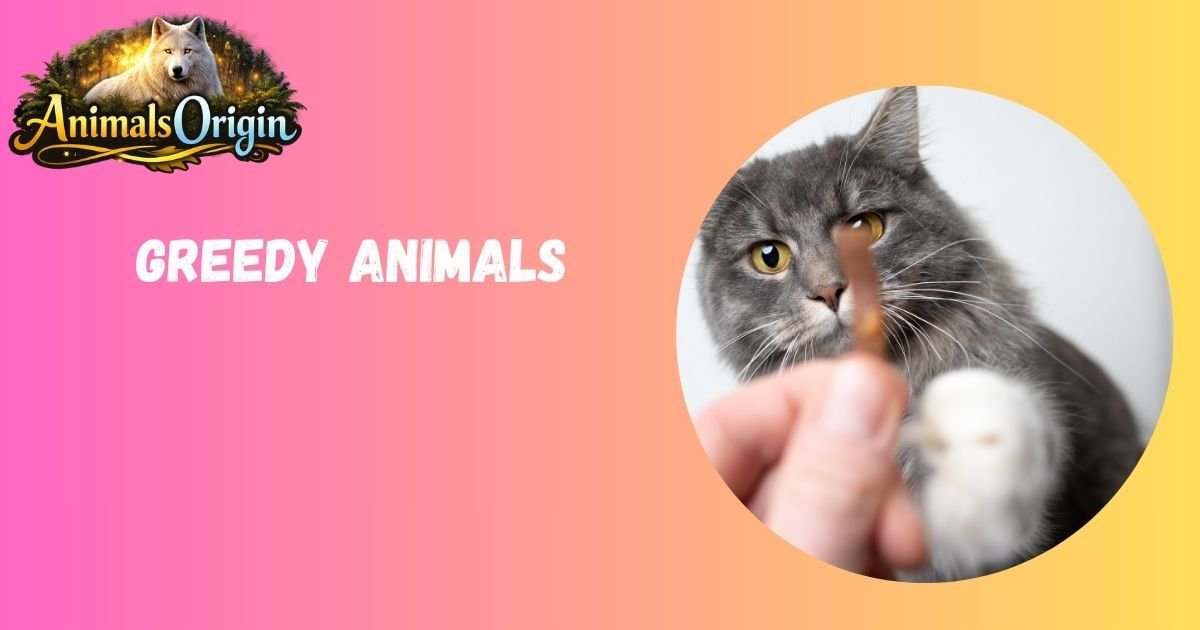
Domestic cats are notorious for greed, often stealing food from other pets or humans. They may hoard treats, catch small animals, or nibble extra portions beyond their immediate needs. Their hunting instincts drive much of this behavior, combined with curiosity and playful tendencies.
Cats can sneak food from plates, counters, or even other pets’ bowls, showing both intelligence and opportunism. This greed ensures survival in the wild and satisfies their instinct to hunt. While it can frustrate owners, cats’ cleverness and appetite make them entertaining companions. Their combination of playfulness, curiosity, and food obsession defines their greedy yet charming nature.
Dogs
Dogs are loyal and playful, but also display greed for food. Some breeds will eat anything in sight, from leftovers to hidden treats. Puppies, especially, are notorious for stealing snacks or chewing objects. Their greed is often a mix of curiosity, hunger, and desire for attention. Even adult dogs may outsmart humans to access food, showing intelligence alongside mischief.
Scavenging and opportunistic feeding are instincts inherited from their wild ancestors. While their behavior can sometimes be destructive, it demonstrates adaptability and survival skills. Dogs’ playful, persistent love for food makes them one of the greediest domestic animals.
Pigs
Pigs are famously greedy, eating almost anything they find, from roots and insects to leftovers and crops. They root through soil, dig, and hoard food if available. This behavior ensures they get enough energy for growth, reproduction, and survival. Pigs are highly intelligent and use their curiosity to find food in creative ways.
In domestic settings, they often steal food from humans, showing clever problem-solving skills. Their greed may seem excessive, but it is an instinct that ensures they never go hungry. Observing pigs reveals both intelligence and opportunism, making them entertaining yet voracious.
Parrtos
Parrots are greedy when it comes to seeds, nuts, and fruits. They often hoard food in hidden spots, returning later to eat it. Their intelligence allows them to open containers, manipulate objects, and solve problems to access food. Parrots also display opportunistic behavior, snatching treats from other birds or humans.
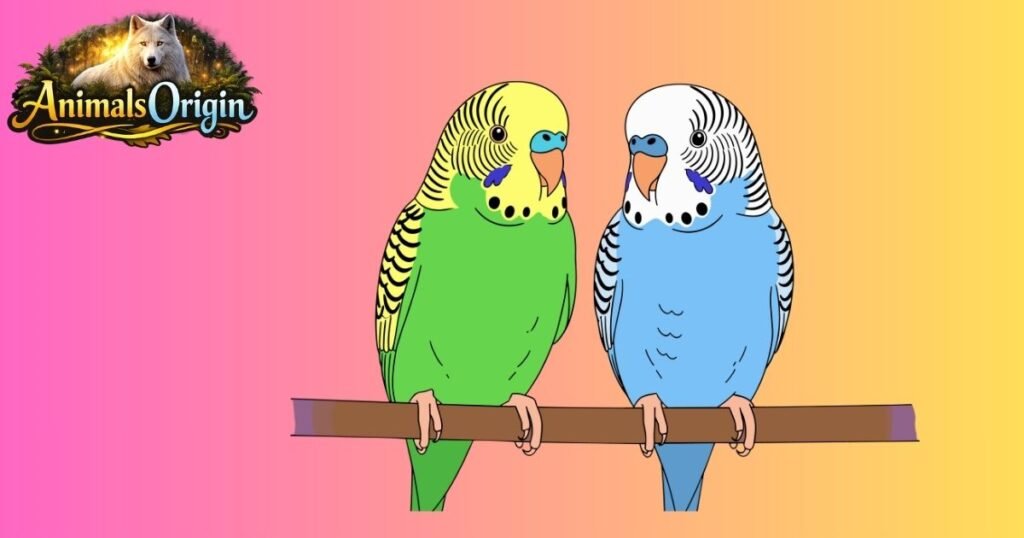
Their love for food is combined with playfulness and curiosity, making them mischievous yet clever feeders. Hoarding and stealing food is a natural instinct that ensures survival, strengthens social bonds, and keep their mental skills sharp. Parrots’ cunning and appetite make them one of the greediest birds in the animal kingdom.
Read More: Animals with Scales: Fascinating Creatures Covered in Nature’s Protective Armor
Rats
Mice and rats are small but greedy creatures, constantly stealing and storing food. They hoard grains, fruits, and scraps in nests, often more than they need. Their greed is driven by survival instincts, ensuring they have enough for lean times. Rats are opportunistic, exploring homes, kitchens, and warehouses for food.
They use clever strategies to bypass obstacles and avoid predators while collecting food. Their ability to plan, hoard, and remember hiding spots demonstrates intelligence. While humans consider them pests, mice and rats are fascinating examples of natural greed and resourcefulness in the animal world.
Beavers
Beavers are known for both building impressive dams and greedily collecting edible plants, bark, and twigs. They store food underwater near their lodges to ensure access during winter. This hoarding behavior demonstrates planning and survival instincts. Beavers are selective in their choices, preferring specific tree types, and they transport and hide food efficiently.
Their greed is purposeful, supporting both sustenance and protection against harsh seasons. Beavers’ combination of engineering skills and resource accumulation highlights their intelligence. By storing large quantities of food, they ensure safety, survival, and comfort, making them one of the cleverest and greediest creatures in freshwater habitats.
Bears
Bears are famously greedy, especially when preparing for hibernation. They eat excessive amounts of food, berries, fish, insects, and even human leftovers to build fat reserves. Their voracious appetite can lead them to raid campsites, garbage bins, and storage areas. Bears’ greed is survival-driven, ensuring they can sleep through winter without starvation.
They display intelligence by remembering where food is located and timing their feeding to match seasonal availability. Observing bears shows the balance between instinctive hunger and clever resource use. Their ability to consume large quantities and hoard food makes them one of the greediest and most fascinating mammals in the wild.
Geese
Geese are territorial and greedy when it comes to food. They aggressively compete for grass, grains, and other edible items in ponds or farms. Geese will chase away other animals or humans to protect food sources. Their greed ensures that they have enough nourishment for migration, reproduction, and energy-intensive activities.
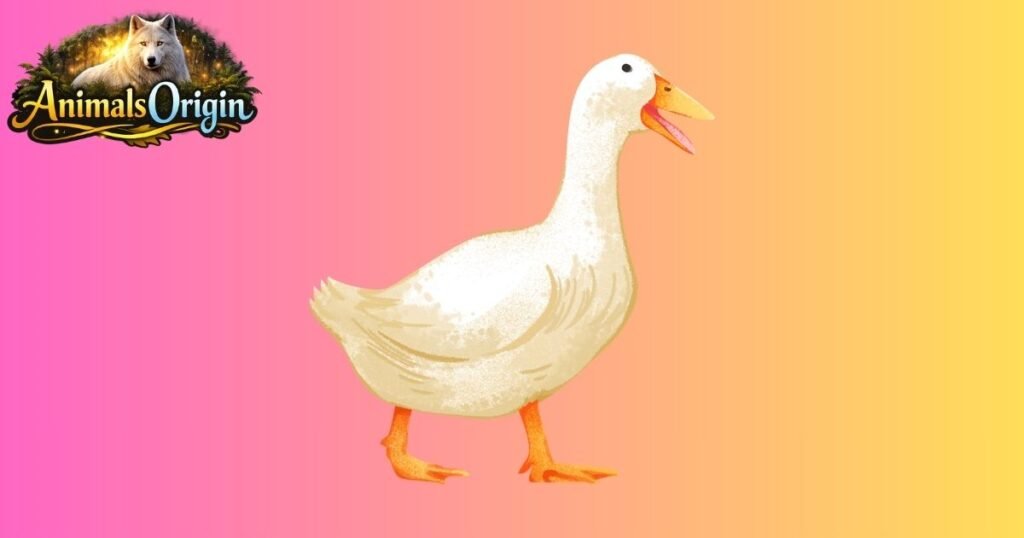
Geese are social creatures, and their competition for food often strengthens group coordination. Their voracious appetites and assertive behavior make them stand out among birds. Watching geese feed reveals both instinctive greed and clever strategies to secure resources, demonstrating survival-driven resourcefulness.
Chimpanzees
Chimpanzees are intelligent and sometimes greedy, stealing fruits, nuts, or food from other members of their troop. They use tools, coordination, and observation to access hard-to-reach food or steal from rivals. Greed in chimpanzees is linked to survival and social dominance, as controlling food sources can enhance status within the group.
Their cleverness allows them to manipulate situations and plan thefts, showing problem-solving skills. Observing their behavior highlights both intelligence and opportunism. Chimpanzees’ love for food often leads to cunning and playful acts, making them fascinating examples of resource-driven greed in primates.
Seagulls
Seagulls are bold and greedy scavengers, often stealing food from humans, other birds, or animals. Their opportunistic feeding ensures survival in coastal areas and urban environments. Seagulls are clever, using teamwork, observation, and timing to snatch food without getting caught.
Their greed can be amusing or annoying to humans, as they swoop down to take unattended snacks or leftovers. Seagulls’ behavior demonstrates intelligence, adaptability, and opportunism. Watching them feed shows determination and resourcefulness. Their persistent appetite and willingness to steal highlight survival instincts, making them one of the greediest and most daring birds near water bodies.
Final Words
Greedy animals showcase the fascinating ways nature ensures survival. From squirrels hoarding nuts to bears overeating before hibernation, and from cunning raccoons to bold seagulls stealing food, these creatures demonstrate intelligence, adaptability, and resourcefulness. Their greed, often driven by instinct, opportunity, or social strategy, highlights both survival and clever problem-solving.
Observing these behaviors teaches us about planning, memory, and the role of competition in the animal kingdom. While their antics may amuse or frustrate humans, they reflect the natural drive to secure resources. Ultimately, the study of greedy animals gives insight into the balance between instinct, intelligence, and survival in the wild.
FAQs
Why Do Greedy Animals Eat So Much?
Greedy animals eat excessively to prepare for times when food is scarce. In the wild, food is not always available, so overeating or storing food increases their chances of survival.
Do Greedy Animals Share Food?
Most greedy animals prefer not to share food, especially when resources are limited. However, some species may share within their group or family.