Animals Similar to Raccoons: 12 Clever and Curious Creatures That Share Their Traits
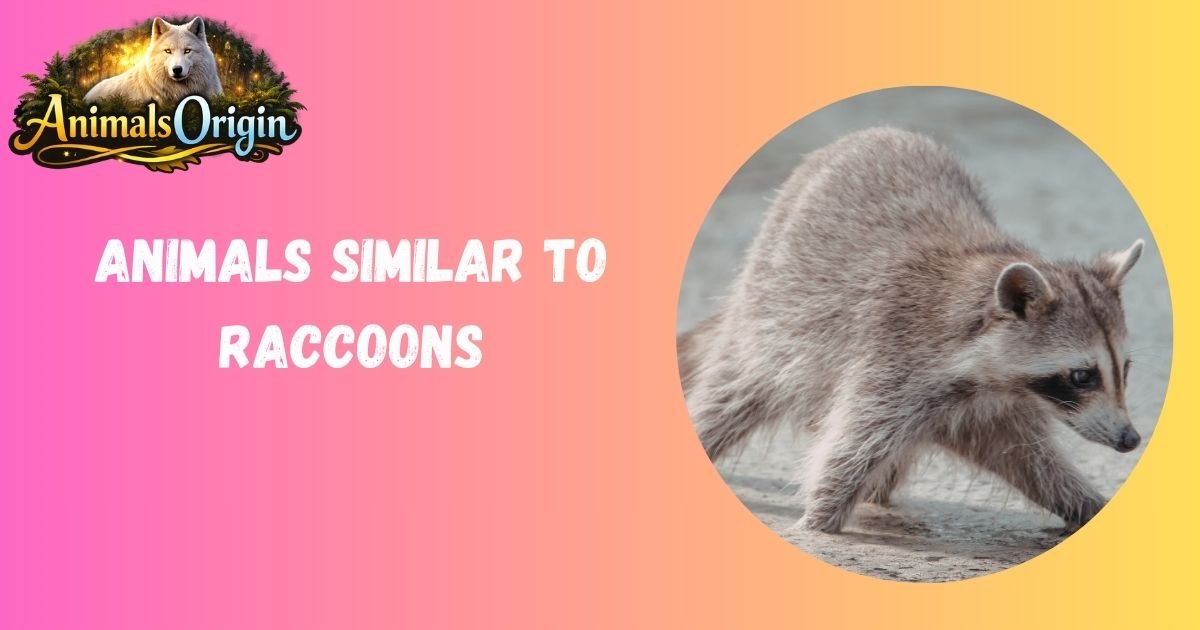
Raccoons are among the most recognizable mammals in the wild, known for their masked faces, dexterous paws, and clever behavior. These adaptable creatures thrive in forests, cities, and suburban areas, making them fascinating to observe. But raccoons are not alone in their habits and characteristics.
Across the animal kingdom, many species share similarities with raccoons, whether it’s their intelligence, nocturnal lifestyle, omnivorous diet, or mischievous nature. In this guide, we’ll explore a variety of animals similar to raccoons, highlighting what makes each one unique and how they resemble these iconic masked mammals.
List Of Animals Similar To Racoons
- Coati
- Ringtail
- Kinkajou
- Olingo
- Olinguito
- Civet
- Genet
- Red Panda
- Badger
- Skunk
Coati
The coati, also called the coatimundi, is one of the closest relatives of raccoons and belongs to the same family, Procyonidae. Found in Central and South America, coatis have long snouts, expressive eyes, and ringed tails that resemble raccoons. Unlike raccoons, they are highly social and often live in groups called bands.
Coatis are excellent climbers and spend much of their time searching for fruits, insects, and small animals. Their flexible noses help them dig into soil and tree bark. Like raccoons, they use their front paws skillfully, showing curiosity, intelligence, and playful behavior in their daily lives.
Ringtail
The ringtail is a small, agile mammal native to North America and is another member of the raccoon family. It is easily recognized by its long, bushy tail marked with black and white rings. Ringtails are nocturnal and prefer rocky habitats, deserts, and forests where they can climb with ease.
Their sharp claws and flexible ankles allow them to scale cliffs. Like raccoons, they are opportunistic feeders, eating fruits, insects, and small animals. Ringtails are shy but very curious creatures. Their large eyes and stealthy movements help them navigate at night, making them efficient hunters and survivors in harsh environments.
Kinkajou
The kinkajou, often called the “honey bear,” is a tree-dwelling mammal from the tropical forests of Central and South America. Though it resembles a monkey, it is closely related to raccoons. Kinkajous are nocturnal and spend most of their lives in trees, using their prehensile tail for balance and grip.
They primarily eat fruit and nectar but may also consume insects. Like raccoons, they are curious and use their paws to explore objects. Their playful nature and intelligence make them fascinating animals. Kinkajous are also known for their soft fur and large eyes, which help them see clearly in low-light conditions.
Olingo
Olingos are small, forest-dwelling mammals that live in Central and South America and are closely related to raccoons. They have slender bodies, soft fur, and bushy tails, giving them a raccoon-like appearance.
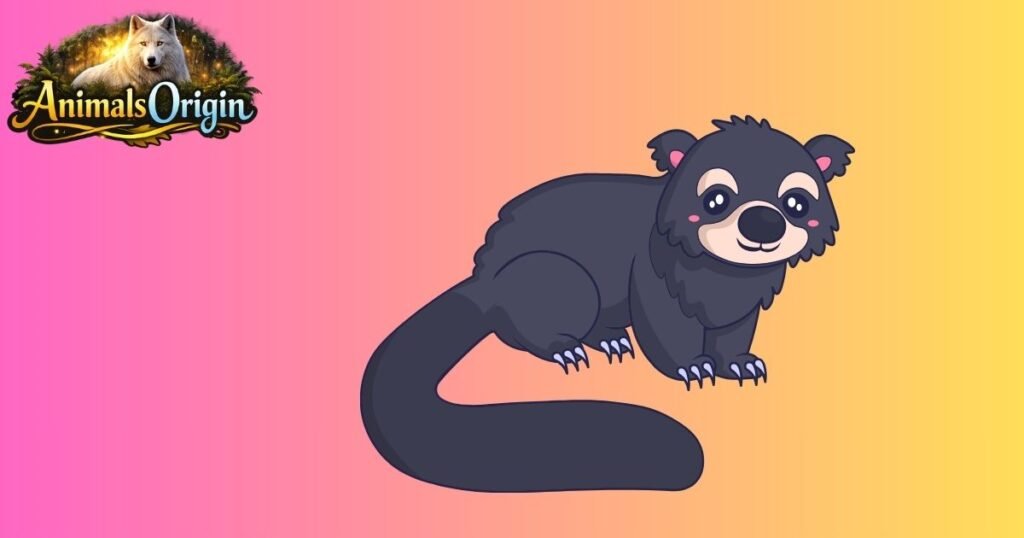
Olingos are nocturnal and spend most of their time in trees, where they search for fruits, nectar, and small animals. Their quiet and elusive nature makes them difficult to spot in the wild. Like raccoons, they are omnivorous and adaptable to their environment. Their climbing ability and curious behavior reflect similarities with raccoons, even though they are less bold and prefer to remain hidden.
Olinguito
The olinguito is a rare and recently identified mammal found in the cloud forests of the Andes Mountains. It looks like a smaller, fluffier version of a raccoon, with dense fur and a rounded face. Olinguitos are nocturnal and arboreal, spending their time high in the trees.
They mainly eat fruits but may also consume insects. Like raccoons, they have an omnivorous diet and a curious nature. Because they live in remote regions, they are not often seen by humans. Their discovery shows how many raccoon-like animals remain unknown in the wild, adding to biodiversity.
Civet
Civets are small to medium-sized mammals found in Asia and Africa, known for their long bodies and masked faces. Although not closely related to raccoons, they share similar behaviors and diets. Civets are nocturnal and omnivorous, feeding on fruits, insects, and small animals.
They are adaptable and can live in forests, grasslands, and even near human settlements. Like raccoons, civets are curious and often explore their surroundings. Some species are famous for producing kopi luwak coffee. Their ability to survive in different Habitats and their scavenging habits make them quite similar in lifestyle to raccoons.
Read More: Greedy Animals: 12+ Creatures Famous for Their Love of Food and Hoarding Habits
Genet
Genets are slender, spotted mammals native to Africa and parts of Europe. They have long tails and agile bodies, making them excellent climbers. Although they look like cats, genets behave more like raccoons in many ways. They are nocturnal and have a varied diet that includes fruits, insects, and small animals.
Genets are highly curious and often investigate new objects in their environment. Their adaptability allows them to live in forests, savannas, and even urban areas. Like raccoons, they are opportunistic feeders and use their agility to survive in different habitats, showcasing intelligence and resourcefulness.
Red Panda
The red panda is a unique mammal found in the Himalayan region and parts of China. It has a masked face and bushy tail, giving it a raccoon-like appearance. Despite its name, it is not closely related to giant pandas.
Red pandas are arboreal and spend most of their time in trees, where they feed mainly on bamboo. They may also eat fruits and insects. Like raccoons, they are skilled climbers and display curious behavior. Their gentle nature and ability to adapt to forest life make them similar in lifestyle, even though their diet is more specialized.
Badger
Badgers are sturdy mammals found in various parts of the world, including Europe, Asia, and North America. They belong to the weasel family but share some traits with raccoons. Badgers are nocturnal and have strong claws for digging burrows, known as setts.
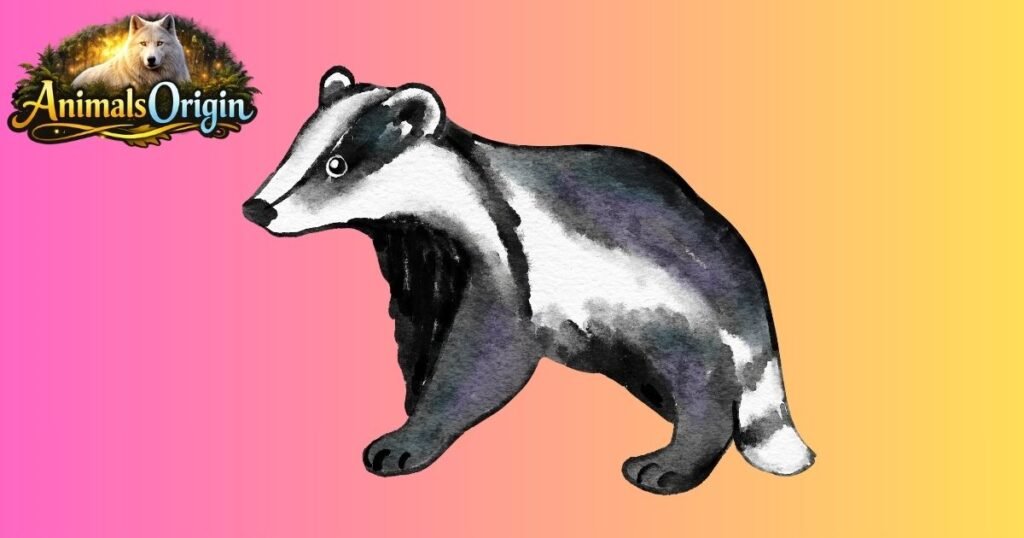
They are omnivorous, feeding on insects, small animals, fruits, and roots. Like raccoons, they are adaptable and can survive in different habitats. Their facial markings and stocky build make them distinctive. Although less playful than raccoons, badgers are intelligent and resourceful, using their strength and digging skills to find food and create shelter.
Skunk
Skunks are well-known for their defensive spray, but they also share similarities with raccoons. Found mainly in North and Central America, skunks are nocturnal and omnivorous. They eat insects, fruits, small animals, and even human leftovers.
Like raccoons, skunks are adaptable and can live in forests, grasslands, and urban areas. They are curious animals and often explore their surroundings at night. Their black-and-white coloration makes them easy to recognize. Although they rely on scent for defense, their behavior, diet, and ability to thrive near humans make them quite similar to raccoons.
What Makes These Animals Similar to Raccoons?
Several key traits link these animals to raccoons:
- Nocturnal Lifestyle: Most are active at night, helping them avoid predators and find food.
- Omnivorous Diet: They eat a mix of plant and animal matter, making them highly adaptable.
- Dexterity and Intelligence: Many use their paws or have problem-solving abilities similar to raccoons.
- Adaptability: These animals can survive in diverse environments, from forests to urban areas.
- Curiosity: Like raccoons, they are naturally inquisitive and often explore their surroundings.
Final Words
Raccoons may be unique in their charm and adaptability, but they are far from alone in the animal kingdom. From close relatives like coatis and ringtails to distant look-alikes like civets and tanukis, many animals share the raccoon’s intelligence, curiosity, and survival skills.
These creatures demonstrate how similar traits can evolve in different environments and across unrelated species. Whether climbing trees, scavenging in the night, or cleverly finding food, these raccoon-like animals remind us of the fascinating diversity of wildlife on our planet.
FAQs
What Animal Looks Most like a Raccoon?
The tanuki, or raccoon dog, is considered the most similar in appearance due to its masked face and body shape, even though it belongs to the dog family.
Are Raccoons Related to Red Pandas?
Red pandas are not closely related to raccoons, but they share some physical and behavioral traits, such as a masked face and climbing ability.