Animals with Horns: 15+ Powerful Creatures That Rule the Wild with Their Mighty Horns
Animals with horns are among the most fascinating and iconic creatures in the animal kingdom. Their horns are not just impressive to look at; they serve essential purposes such as defense, mating displays, and survival in harsh environments.
From massive mammals roaming the savannah to agile climbers in rocky mountains, horned animals have evolved unique adaptations that make them stand out. In this article, we’ll explore a wide range of animals with horns, their characteristics, habitats, and the roles these incredible structures play in their lives.
What Are Horns?
Horns are permanent, often curved structures made of a bony core covered by keratin (the same material as human nails). Unlike antlers, which are shed annually, horns usually remain throughout an animal’s life and continue to grow. They are commonly found in members of the Bovidae family, including cattle, goats, sheep, and antelopes.
List Of Animals With Horns
- Rhinoceros
- African Buffalo
- Goat
- Sheep
- Antelope
- Impala
- Kudu
- Oryx
- Bighorn Sheep
- Yak
Rhinoceros
The rhinoceros is one of the most iconic animals with horns, known for its massive body and powerful presence. Unlike most horned animals, a rhino’s horn is made entirely of keratin, the same material as human hair and nails. Rhinos use their horns for defense against predators and to assert dominance during conflicts.
Found in Africa and Asia, these herbivorous animals feed on grasses and other plants. Sadly, rhinoceroses are critically endangered due to illegal poaching for their horns. Conservation efforts are ongoing to protect these majestic creatures and ensure their survival in the wild for future generations.
African Buffalo
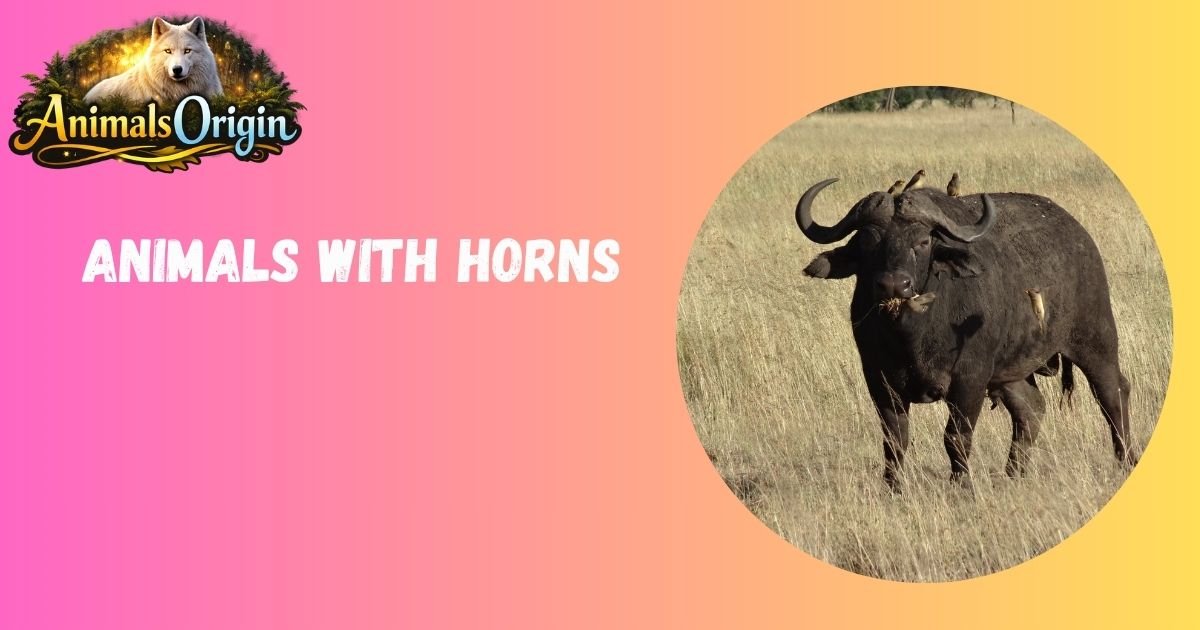
The African buffalo is a strong and unpredictable animal found across sub-Saharan Africa. It has large, curved horns that form a solid shield called a “boss” across its forehead. These horns are used for defense against predators like lions and for battles within the herd.
Buffalo are highly social animals, living in large groups that protect numbers. They graze on grasses and play a vital role in their ecosystem. Despite their calm appearance, African buffalo are considered one of the most dangerous animals in Africa due to their strength, aggression, and powerful horns.
Goat
Goats are among the most common horned animals and are found both in the wild and as domesticated livestock. Their horns curve backward and vary in size by species. Wild goats, such as mountain goats and ibex, use their horns to fight for dominance and mating rights.
Goats are incredibly agile and can climb cliffs and rocky terrains with ease. Their horns also help them defend against predators. Domesticated goats may have smaller horns or none at all, depending on breeding. Overall, goats are intelligent, adaptable animals that thrive in a wide range of environments.
Sheep
Sheep, especially males known as rams, are well-known for their large, spiral-shaped horns. These horns are used in dramatic head-butting contests during mating season, where males compete for the attention of females. The impact of these clashes can be incredibly powerful, yet sheep are specially adapted to withstand the force.
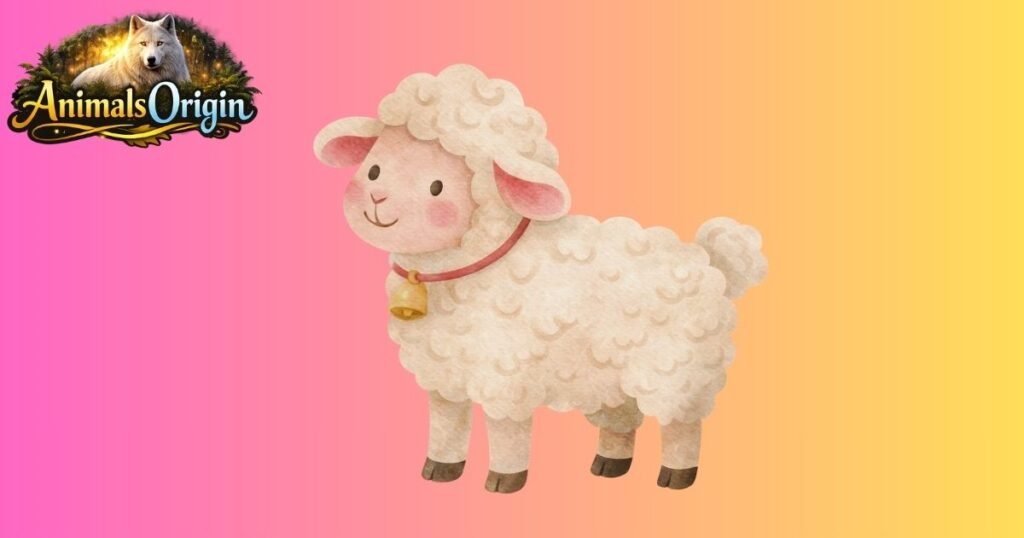
Sheep are herbivores that graze on grass and are commonly found in farms and mountainous regions. Their horns continue to grow throughout their lives, becoming thicker and more curved with age. Sheep play an important role in agriculture, providing wool, meat, and milk to humans worldwide.
Antelope
Antelopes are a diverse group of horned animals found mainly in Africa and parts of Asia. They are known for their slender bodies, speed, and beautifully shaped horns, which can be straight, curved, or spiraled. Both males and females in some species have horns, while in others, only males possess them.
Antelopes use their horns for defense and for competing with rivals during mating season. These herbivores feed on grass, leaves, and shrubs. Their agility and keen senses help them escape predators. Antelopes are an essential part of the food chain and contribute greatly to ecosystem balance.
Impala
The impala is a graceful antelope known for its speed and agility. Males have long, curved horns that resemble a lyre shape and are used in fights during the breeding season. Impalas are capable of leaping great distances, sometimes covering over 10 meters in a single jump to escape predators.
They are commonly found in eastern and southern Africa, living in herds for protection. Their diet consists mainly of grass, leaves, and fruits. Impalas play a crucial role in their ecosystem as both prey and grazers, helping maintain vegetation balance while supporting predator populations.
Kudu
Kudus are large antelopes famous for their magnificent spiral horns, which can grow over one meter long. These horns are found on males and are used in combat during mating season. Kudus inhabit woodlands and savannahs in Africa, where their striped bodies help them blend into the surroundings.
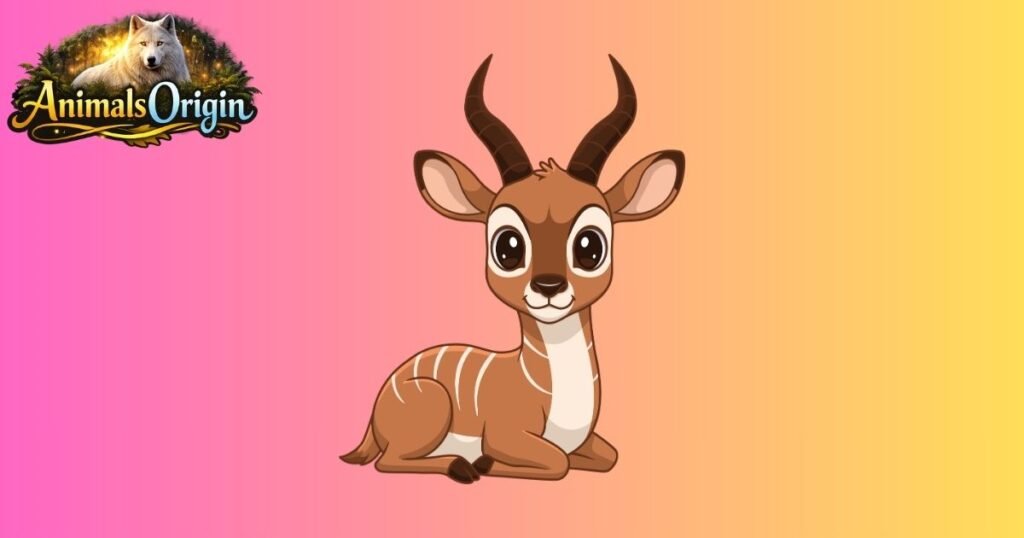
They are herbivores that feed on leaves, shoots, and fruits. Despite their size, kudus are excellent jumpers and can clear high obstacles with ease. Their horns not only serve as weapons but also as symbols of maturity and strength, making them one of the most visually impressive horned animals.
Oryx
The oryx is a desert-dwelling antelope known for its long, straight horns that resemble sharp spears. Both males and females have horns, which they use for defense against predators such as lions. Oryxes are well adapted to harsh desert conditions and can survive with minimal water by extracting moisture from plants.
They are found in Africa and parts of the Middle East. Their light-colored coats reflect sunlight, helping them stay cool. Oryxes are symbols of endurance and resilience, and their horns are essential tools for survival in some of the most extreme environments on Earth.
Read More: Animals With Shells: 20+ Incredible Creatures That Carry Their Homes
Bighorn Sheep
Bighorn sheep are native to North America and are easily recognized by their massive, curled horns. Males, called rams, use these horns in fierce battles to establish dominance and win mates. They charge at each other at high speeds, crashing their horns together with tremendous force.
Bighorn sheep live in mountainous regions and are excellent climbers, able to navigate cliffs with ease. Their horns can weigh up to 14 kilograms, making them one of their most defining features. These animals are herbivores, feeding on grasses and shrubs, and are admired for their strength and resilience.
Yak
Yaks are large, shaggy animals found in the high-altitude regions of the Himalayas. They have long, curved horns that are used for defense and for digging through snow to find food. Yaks are well adapted to cold climates, with thick fur that protects them from freezing temperatures.
They are domesticated in many regions and provide milk, meat, and wool for local communities. Wild yaks also exist and are larger than their domesticated counterparts. Their horns play an important role in survival, helping them fend off predators and navigate their harsh mountainous environment.
Final Words
Animals with horns are remarkable examples of nature’s creativity and adaptability. These structures serve multiple purposes, from defense and competition to survival in extreme conditions. Each species has evolved unique horns suited to its environment and lifestyle, making them fascinating to study.
Many-horned animals face threats such as poaching and habitat loss, putting their future at risk. Protecting these creatures is essential for maintaining biodiversity and ecological balance. By learning about animals with horns, we gain a deeper appreciation for wildlife and the importance of conservation efforts to preserve these incredible species for generations to come.
FAQs
Why Do Animals Have Horns?
Animals have horns mainly for defense, fighting rivals, and attracting mates. Horns help them survive in the wild by protecting against predators and establishing dominance within their species.
Do All Horned Animals keep Their Horns Forever?
Yes, unlike antlers, horns are permanent and continue growing throughout an animal’s life. They are not shed annually and remain a key part of the animal’s body.