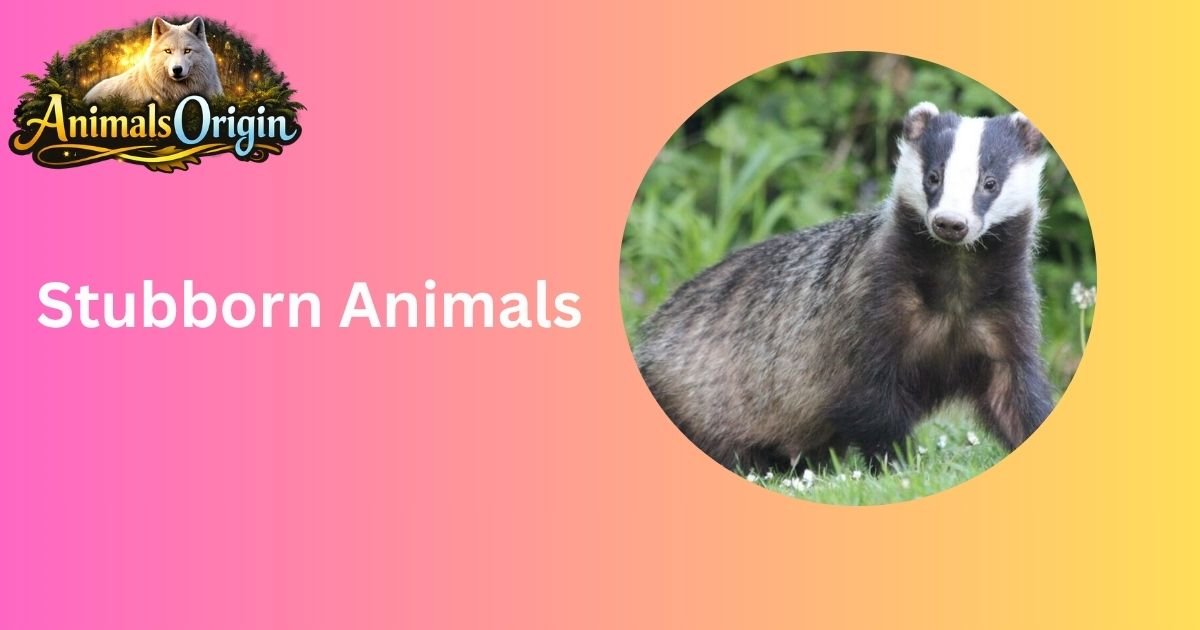
Stubborn Animals: Understanding Nature’s Most Determined Creatures
In the animal kingdom, behavior varies widely depending on survival needs, instincts, and environmental adaptation. Among these behaviors, stubbornness is one of the most fascinating traits observed in certain species. While animals do not exhibit stubbornness in the human emotional sense, they often display strong-willed, persistent, or resistant behavior that appears similar to stubbornness.
Stubborn animals are typically those that resist commands, refuse to change direction easily, or continue a behavior despite external pressure. This trait can sometimes frustrate humans, especially in domesticated animals, but in nature, it often serves an important survival purpose. In this article, we will explore the concept of stubborn animals, why they behave this way, examples from different species, and what this behavior tells us about evolution and adaptation.
What Does Stubborn Mean in Animals?
In animals, “stubborn” describes behavior where an animal refuses to change its actions or follow commands, even when guided or trained. It is often used when animals seem unwilling to cooperate with humans or resist moving, learning, or responding quickly.
This behavior is not about attitude, like in humans. Instead, it usually reflects instinct, fear, intelligence, or strong decision-making. For example, a donkey or mule may stop moving if it senses danger or discomfort, which is often called stubbornness but is actually self-protection or careful judgment.
Why Some Animals Appear Stubborn
Some animals appear stubborn because their behavior is strongly driven by instinct, environment, and survival needs rather than obedience. For instance, animals like donkeys, goats, or cats may stop or refuse commands if they feel unsafe, confused, or unmotivated.
They are not trying to disobey; instead, they are evaluating situations based on their instincts. Past experiences, fear, fatigue, or lack of trust in humans can also make them resist instructions. Some species are naturally independent and less social, so they do not respond quickly to training, which makes them seem stubborn even when they are cautious or self-protective.
Famous Stubborn Animals in the Animal Kingdom
- Donkeys – The Classic Symbol of Stubbornness
- Cats – Independent Thinkers
- Goats – Curious but Headstrong
- Horses – Sensitive but Sometimes Resistant
- Mules – Strong and Determined
- Elephants – Intelligent Decision Makers
- Dogs – Selective Obedience
Donkeys – The Classic Symbol of Stubbornness
A donkey is often seen as the classic example of stubbornness because it sometimes refuses to move or follow commands, especially when it senses danger or discomfort. However, this behavior is actually linked to its strong survival instinct rather than defiance. Donkeys are highly cautious animals, and they tend to stop and assess situations before acting.
In harsh environments, this trait helps them avoid risky situations. People often misunderstand this careful behavior as stubbornness, but in reality, donkeys are intelligent, patient, and self-protective animals that prioritize safety over obedience.
Cats – Independent Thinkers
Cats are known for their independent nature, which often makes them appear stubborn. Unlike highly obedient animals, cats prefer to make their own decisions and act according to their mood or comfort level. If a cat does not want to be held, trained, or moved, it may simply walk away or ignore commands.
This is not true stubbornness but a reflection of their strong individuality and territorial instincts. Cats are observant and intelligent, but they value freedom and control over their environment, which is why they often seem uncooperative compared to more social or trainable animals.
Goats – Curious but Headstrong
Goats are curious animals that explore everything around them, but they can also appear very headstrong. Once a goat decides to move in a certain direction or investigate something, it may resist being redirected. This behavior comes from their natural curiosity and strong survival instincts, especially in mountainous or rugged environments.
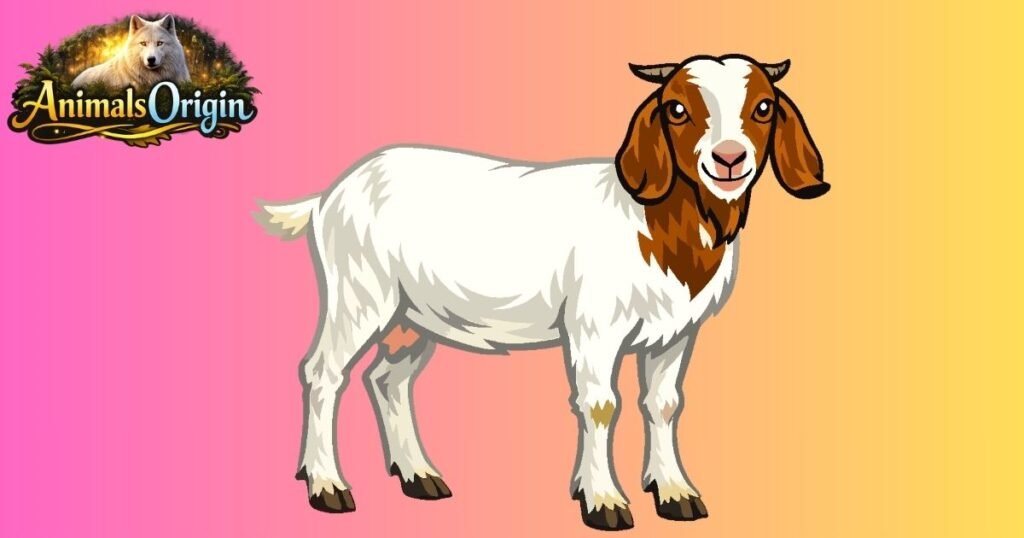
Goats are not truly stubborn; instead, they are confident and independent thinkers who rely on their instincts to navigate safely. Their determination and willingness to explore sometimes make them difficult to control, which leads people to label them as stubborn animals.
Horses – Sensitive but Sometimes Resistant
Horses are highly sensitive animals that can sometimes appear resistant during training or handling. This behavior usually happens when they feel fear, discomfort, or confusion rather than intentional stubbornness. Horses are very responsive to body language and energy, so they may refuse to move forward if they sense danger or lack trust in the rider.
Their reactions are often based on survival instincts. With patience and gentle training, horses usually become cooperative, showing that their “stubbornness” is actually sensitivity and awareness of their surroundings.
Mules – Strong and Determined
Mules are often labeled as stubborn, but in reality, they are extremely strong, intelligent, and cautious animals. A mule will stop or refuse to act if it believes a situation is unsafe, which is a trait inherited from both horses and donkeys.
This makes them excellent working animals in difficult terrains, as they do not take unnecessary risks. Their determination means they carefully evaluate commands before responding. What looks like stubbornness is actually a combination of intelligence, self-protection, and a strong survival instinct.
Read More: Fat Animals: Nature’s Biggest and Most Adorable Creatures
Elephants – Intelligent Decision Makers
Elephants are highly intelligent animals known for their memory and emotional depth. They may sometimes appear stubborn when they refuse to follow commands or change direction, but this behavior is often linked to their decision-making abilities.
Elephants assess situations carefully and can recognize danger, stress, or unfair treatment. Because of their strong social bonds and intelligence, they may resist actions that do not feel safe or appropriate. Their so-called stubbornness is actually thoughtful behavior, showing that they are capable of independent judgment rather than blind obedience.
Dogs – Selective Obedience
Dogs are generally obedient animals, but they can sometimes show what seems like stubborn behavior. This usually happens when a dog is distracted, untrained in a specific command, or not motivated by rewards.
Dogs are highly intelligent and emotional, so they respond better when there is trust, consistency, and positive reinforcement. If a dog refuses a command, it is often due to confusion or competing instincts rather than true stubbornness. Their behavior shows selective obedience, meaning they choose responses based on understanding, comfort, and training experience.
Final Words
Stubbornness in animals is often misunderstood and is usually linked to instinct, intelligence, and survival behavior rather than deliberate disobedience. Animals like donkeys, cats, goats, horses, mules, elephants, and dogs may all appear stubborn at times, but their actions are based on caution, emotions, past experiences, or instincts. What humans call stubbornness is often careful decision-making or self-protection.
Understanding animal behavior helps us treat them with more patience and respect. Instead of forcing obedience, learning their needs and communication styles leads to better trust and cooperation, showing that “stubborn” animals are actually thoughtful and adaptive creatures.
FAQs
Are Stubborn Animals Difficult to Train?
Not always. Many animals that seem stubborn need patient, consistent, and positive training methods. Once they trust the trainer, they often respond very well.
Why Do Animals Refuse to Obey Commands?
Animals may refuse commands due to fear, confusion, lack of trust, discomfort, or strong instincts rather than intentional disobedience.