Smallest Animal in the World: Discover Nature’s Tiniest Creatures
The smallest animal in the world could fit comfortably on the tip of your finger. The world has small animals, from tiny insects to small sea creatures. These small life forms are amazing. Often go unnoticed. Learning about these creatures helps us appreciate how diverse life on earth is. It also shows how important they are to their ecosystems.
This article is about animals and their special features. We will look at why they matter to our environment. The smallest animals have adaptations. They play a role in nature.
What Is the Smallest Animal in the World?
Imagine a really small creature that can fit on the tip of your finger. The smallest animal in the world is the bumblebee bat, also known as the Kittis hog-bat. The bumblebee bat weighs 2 grams and is not longer than 1.5 inches. The bumblebee bat is a cool thing that nature made. The bumblebee bat has some cool features, like a snout that looks like a pig’s snout.
We should not forget the smallest vertebrate, the Paedophryne amauensis. The Paedophryne amauensis is a small frog that was found in Papua New Guinea. The Paedophryne amauensis is 7.7 millimeters long, which is smaller than a dime. The bumblebee bat and the Paedophryne amauensis are really animals that show us how many different kinds of life there are. They remind us that just because something is small, it does not mean it is not important. The bumblebee bat and the Paedophryne amauensis play roles in their homes, like controlling pests and helping plants make seeds. They help us see how every creature, no matter how small, the creature is helps the world be a place.
Top Tiny Animals Found in Nature
Below is the list of the top tiny animals
- Bumblebee Bat
- Hippocampus Denise
- Etruscan Pygmy Shrew
- Mouse Lemur
- Pygmy Marmoset
- Brookesia Nana
- Octopus Wolfi
- Paedophryne Amauensis
- Bee Hummingbird
- The Royal Antelope
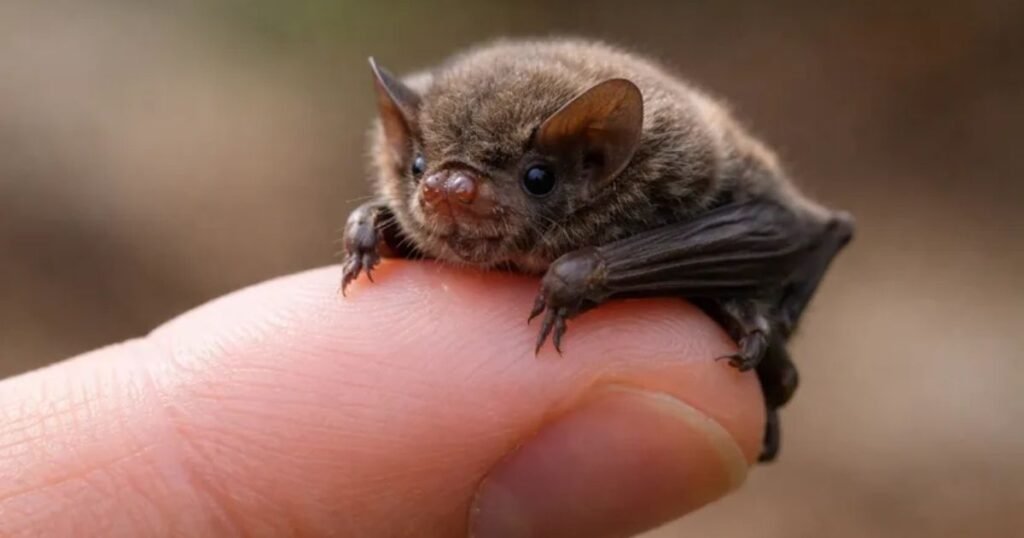
Bumblebee Bat
Weighing less than a penny, the Bumblebee Bat holds the title for the world’s smallest mammal. Found in Thailand and Myanmar, this tiny creature flits through the air catching insects, showcasing its diminutive size in a grand ecological role.
Hippocampus Denise
This enchanting species of seahorse is not only tiny but also mesmerizing. With males bearing the responsibility of pregnancy, they serve as a fascinating example of male parental care in nature, highlighting the diverse reproductive strategies in the animal kingdom.
Etruscan Pygmy Shrew
Clocking in at about 1.8 grams, this minuscule shrew is often overshadowed by its more prominent relatives. Its ultra-high metabolism means it must consume nearly its own weight in food daily, illustrating how size and survival are intricately linked in nature.
Mouse Lemur
As one of the smallest primates, the Mouse Lemur emerges as a nocturnal marvel of Madagascar’s forests. Their large eyes adapt perfectly for night vision, allowing them to navigate flawlessly through dense vegetation.
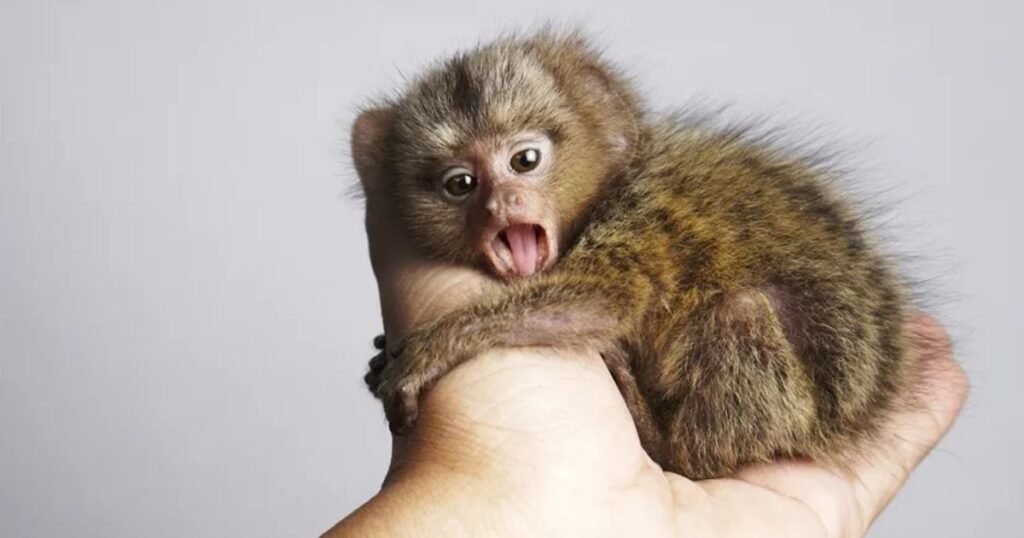
Pygmy Marmoset
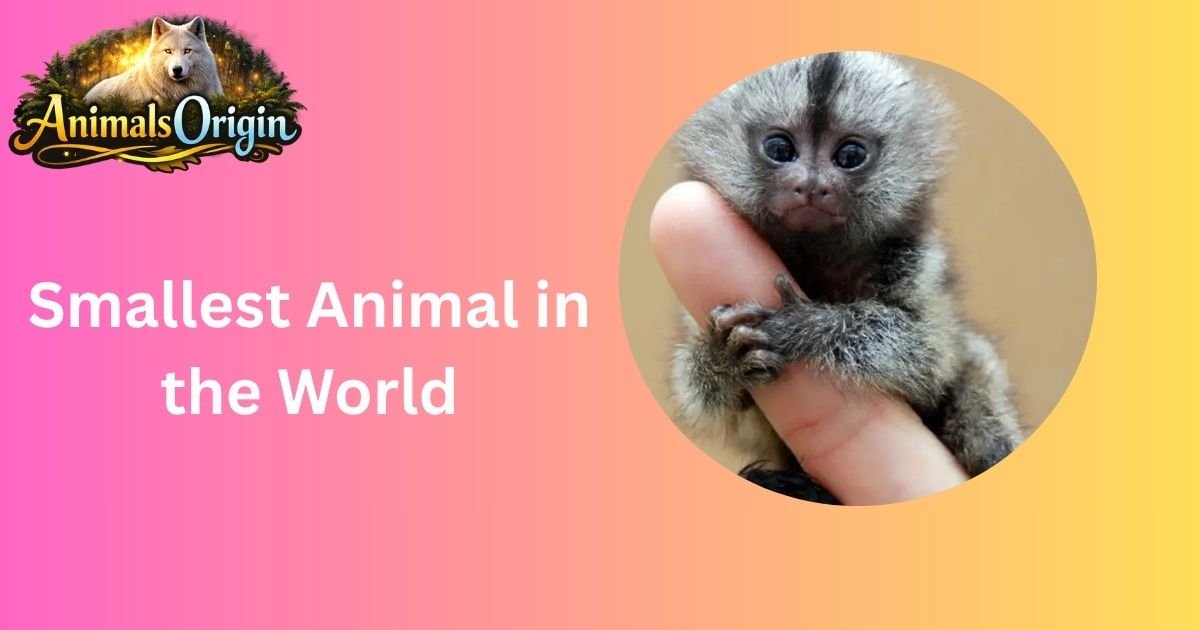
This tiny monkey, measuring about 5 inches in length, is often called the “finger monkey.” Their social behaviors, including cooperative breeding and intricate vocalizations, reveal a complex social structure that belies their size.
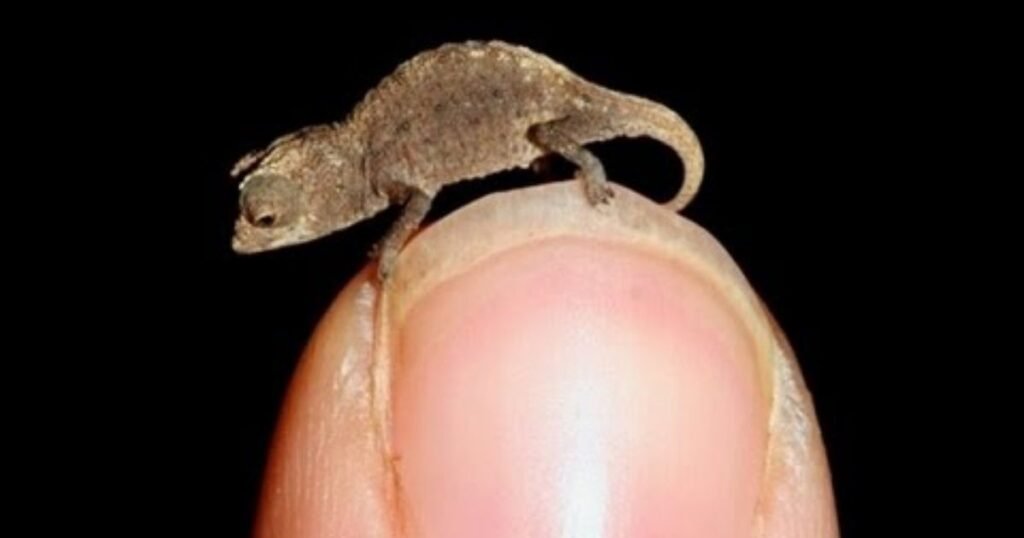
Brookesia Nana
This tiny chameleon, one of the smallest reptiles known, challenges perceptions of size in the animal kingdom. Its unique camouflage abilities remind us that adaptation is often more about strategy than dimensions.
Octopus Wolfi
The smallest octopus species showcases its vivid colors and remarkable intelligence despite its miniature stature. Living in coral reefs, these creatures exhibit behaviors that demonstrate problem-solving skills, emphasizing the intelligence found in the tiniest of animals.
Paedophryne Amauensis
Recognized as the smallest frog, this tiny amphibian can sit comfortably on a fingertip. Its diminutive size allows it to thrive in the jungle floor’s leaf litter, showcasing the incredible biodiversity of its habitat.
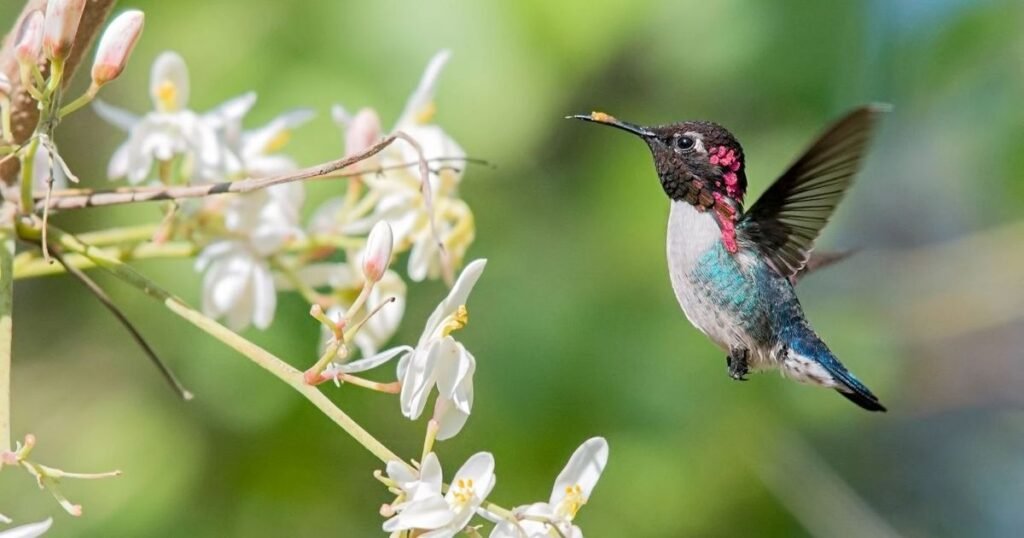
Bee Hummingbird
Weighing as little as 2.0 grams, the Bee Hummingbird flits from flower to flower in Cuba, playing a crucial role in pollination. With their rapid wing beats and iridescent colors, they exemplify the beauty and efficiency of nature’s smallest aviators.
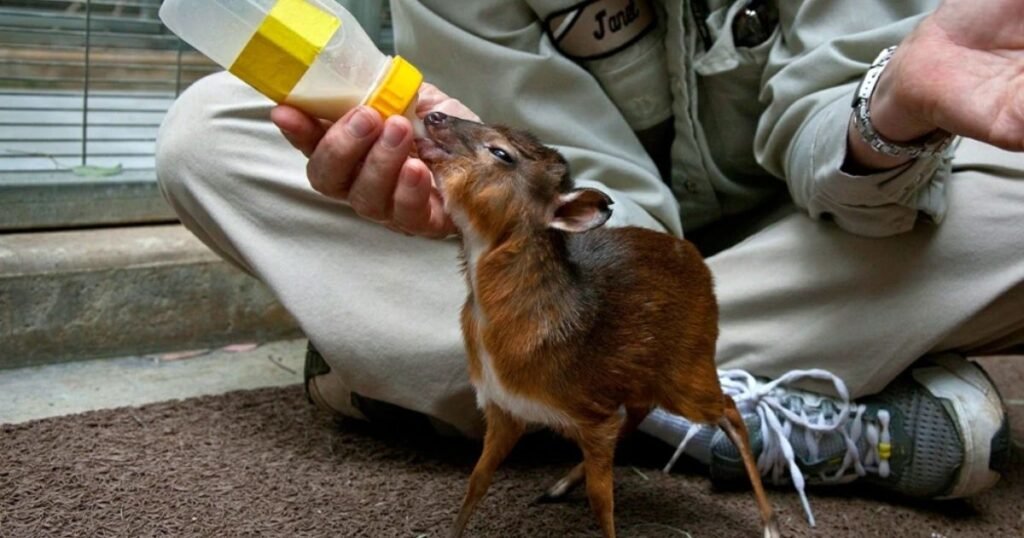
The Royal Antelope
At just over a foot tall, this delicate antelope exemplifies elegance without excess. Residing in West African forests, it employs stealth and speed to evade predators, underscoring the survival mechanisms that exist even in the tiniest of species.
Amazing Facts About the World’s Smallest Creatures
The octopus wolfi is one of the animals in the world, and it is really good at adapting to life in the ocean. This little octopus wolfi is about an inch long, but it is very smart and can do lots of things. The octopus wolfi can change the color and texture of its skin, which helps it blend in with its surroundings. This is a way for the octopus wolfi to stay safe. The bee hummingbird is the smallest bird in the world, about 2.2 inches long. The bee hummingbird is a busy bird, and it needs to eat a lot of food to have enough energy. The bee hummingbird has to visit hundreds of flowers every day to get the food it needs.
The royal antelope is also very small; it is about 10 inches tall. Even though the royal antelope is small, it is still a very special animal. The royal antelope is very good at jumping and running. It is a great example of how even small animals can be very beautiful and elegant. The royal antelope is an example of how special the octopus wolfi, the Paedophryne amauensis, and the bee hummingbird are; they are all very unique and interesting animals.
Read more: Animals That Start With R: Amazing Creatures You Need to Know
Where Do the Smallest Animals Live
The smallest animal in the world is really good at living in places. The bumblebee bat is an example; it is small enough to fit in a teaspoon, and it does well in the limestone caves of Thailand. The miniature jellyfish is another example; it is so small you can hardly see it. It can live in cold water in the Arctic and in warm water in the Caribbean. These small animals can live in their special worlds, and they are very good at taking care of themselves.
The fairyfly is an insect that can live in gardens in big cities. It hides in places where, even in a small area, life can still exist. The smallest animals play roles in their homes, and that is what makes them so interesting. If we look at where the smallest animals live, we can learn more about all the kinds of life on Earth and how everything works together.
Why Tiny Animals Are Important to the Ecosystem
Tiny animals are really small. What are the smallest animals in the world? People often do not notice them. They are very important for keeping the Earth healthy. For example, tiny living things like plankton are in the water. They are the start of the food chain in the ocean. They make the oxygen that we need to breathe. They are also food for animals that live in the water.
If we did not have these small animals, the big animals would not have enough food to eat. Tiny animals like bees and ants are also very important. They help plants grow by moving pollen from one plant to another. Bees are especially important for our food. They help pollinate the plants that give us food.
Insects like earthworms are good for the soil. They move around in the dirt. Make it healthier. This helps plants grow. We should appreciate these animals. They are very important for our planet. They help all living things survive. They show us how everything is connected.
Final Words
In short, the smallest animals in the world are really interesting and have many surprises. The fairyfly and the bumblebee bat are examples of animals that show size does not matter. These little creatures have features and play important roles in nature, which help keep everything balanced.
As we learn more about them, we appreciate how different kinds of animals there are. We should keep looking and learning about the world. We might find more tiny amazing things. The tiny creatures, like fairyfly and bumblebee bat, are really amazing. Let’s keep exploring to see what other small wonders are there.
FAQs
What are the Top 5 Smallest Animals?
The top five smallest animals showcase the incredible diversity of tiny life forms on our planet. First up is the bee hummingbird, native to Cuba, measuring about 2.2 inches long.
Next is the bantam chicken, a miniature version of regular chickens, often less than 1 foot tall. Then there’s the Pygmy Marmoset, a tiny monkey from the Amazon, weighing in at around 3.5 ounces. Don’t forget the Etruscan shrew, which is one of the smallest mammals, about the size of a dime. Finally, the Paedophryne amauensis, a tiny frog from New Guinea, holds the title for the world’s smallest vertebrate at just 7.7 mm.
Is Ant the Smallest Animal?
No, ants are not the smallest animals. While they might seem tiny, especially when compared to larger creatures, many other animals are significantly smaller. Consider the bacteria and various microorganisms, which can be only a few micrometers in size. For multicellular animals, species like the tiny parasitic wasp, which can be just 0.2 mm long, hold the title for being among the smallest.
Who is the Tiniest Insect?
The tiniest insect is generally considered to be the *Dicopomorpha echmepterygis*, a type of wasp. These minuscule creatures measure about 0.139 mm in length, making them nearly invisible to the naked eye. They were first discovered in Costa Rica and are primarily found in tropical regions, where they inhabit leaf litter and decaying wood.