
Animals With Big Eyes: 17 Wide-Eyed Wonders of the Wild
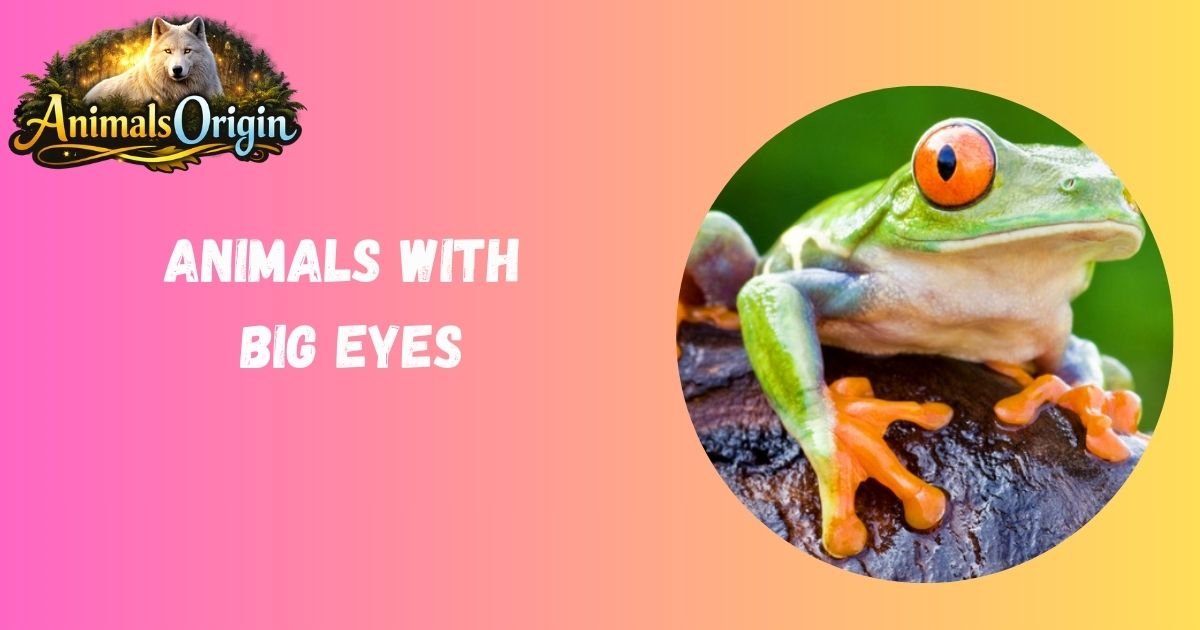
Big eyes in the animal kingdom aren’t just adorable; they’re powerful survival tools. From deep forests to dark oceans, animals with big eyes use their oversized peepers to hunt, hide, and navigate the world around them. Large eyes often mean better night vision, sharper focus, and a wider field of view.
Whether it’s a tiny primate clinging to a tree or a mysterious creature gliding through the ocean depths, these wide-eyed wonders prove that sometimes, bigger really is better. In this detailed guide, we’ll explore17 fascinating animals with big eyes, why they evolved this feature, and how it helps them thrive in the wild.
Why Do Some Animals Have Big Eyes?
Some big eye animals help them survive in their environment. Larger eyes can gather more light, which improves vision in dark places like forests at night or deep underwater. Nocturnal animals especially benefit from this adaptation because they hunt or move around when it’s dark.
Big eyes also improve depth perception and help detect small movements quickly, which is useful for catching prey or avoiding predators. In some species, large eyes provide a wider field of view, allowing them to spot danger from different angles.
List Of Animals With Big Eyes
- Tarsier
- Slow Loris
- Bush Baby
- Aye-aye
- Owl
- Colossal Squid
- Giant Squid
- Tarsier
- Japanese Flying Squid
- Gecko
- Fennec Fox
- Pygmy Marmoset
- Horseshoe Crab
Tarsier
The tarsier is a tiny nocturnal primate found in Southeast Asia, famous for having some of the largest eyes relative to body size in the animal kingdom. Each eye is about as big as its brain, helping it see clearly in near-total darkness.
Because its eyes are fixed in their sockets, the tarsier can rotate its head almost 180 degrees to look around. It feeds mainly on insects, small birds, and reptiles, making it one of the few entirely carnivorous primates. With powerful hind legs, it can leap several feet between trees with impressive accuracy.
Slow Loris
The slow loris is a small, tree-dwelling primate native to South and Southeast Asia, known for its large, round eyes and gentle appearance. These oversized eyes help it see clearly at night, as it is strictly nocturnal.
A reflective layer behind the eyes enhances its night vision, allowing it to spot insects, fruits, and small animals in low light. Despite its cute look, the slow loris is one of the few venomous mammals, delivering a toxic bite for defense. It moves carefully and quietly through trees, using its strong grip to cling to branches for long periods.
Bush Baby
The bush baby, also known as a galago, is a small nocturnal primate found in sub-Saharan Africa. It is famous for its enormous, round eyes that help it see clearly in the dark. These large eyes, combined with excellent hearing, make it a skilled nighttime hunter of insects, fruits, and small animals.
Bush babies have powerful hind legs that allow them to leap impressive distances between trees, sometimes over 10 feet in a single jump. Their soft fur and high-pitched calls give them their “baby” nickname, but they are agile, alert, and highly adapted for life in the treetops.
Aye-aye
The aye-aye is a unique nocturnal lemur found only in Madagascar, known for its large eyes and unusual appearance. Its oversized eyes help it see clearly in the dark as it searches for food at night. The aye-aye uses a special tapping technique called percussive foraging, knocking on tree bark to locate hollow spaces where insects hide.
It then uses its long, thin middle finger to pull larvae out of the wood. This combination of sharp night vision and specialized hunting skills makes the aye-aye one of the most fascinating and distinctive primates in the animal kingdom.
Owl
The owl is a nocturnal bird of prey known for its large, forward-facing eyes and silent flight. Its oversized eyes are specially adapted to gather as much light as possible, allowing it to see clearly in darkness.
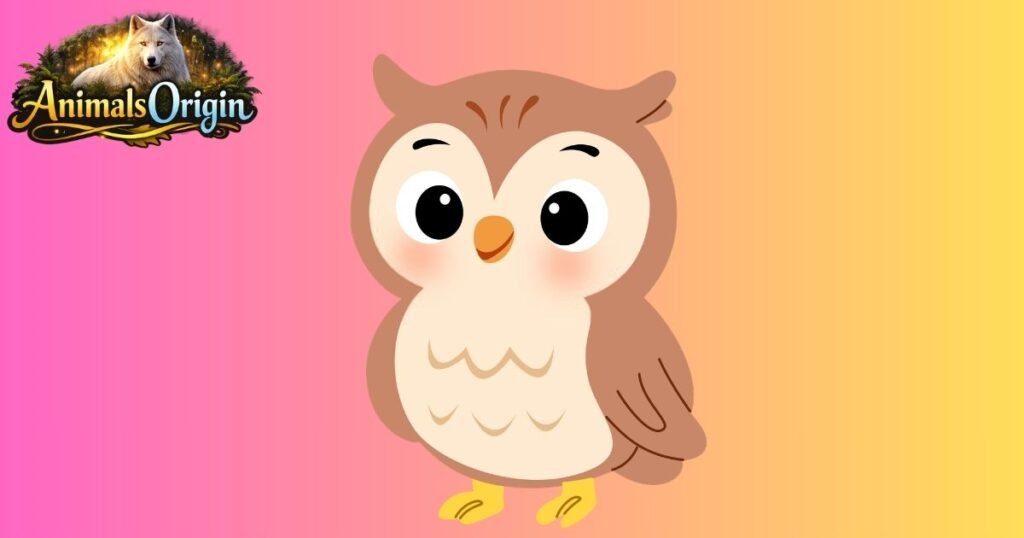
Unlike humans, an owl’s eyes are tubular in shape and fixed in their sockets, so it must rotate its head up to 270 degrees to look around. This excellent night vision, combined with extraordinary hearing, makes the owl a skilled hunter of rodents, insects, and small animals. Found on every continent except Antarctica, owls are powerful symbols of wisdom and mystery.
Colossal Squid
The Colossal Squid is a massive deep-sea creature found mainly in the icy waters around Antarctica. It is known for having the largest eyes of any animal, measuring up to 12 inches across, which help it see in the dark ocean depths. These enormous eyes allow it to detect predators such as sperm whales and to spot prey in low light.
The Colossal Squid also has powerful tentacles lined with sharp hooks and a strong beak for catching and tearing food. Living thousands of feet below the surface, it remains one of the ocean’s most mysterious and fascinating giants.
Giant Squid
The Giant Squid is one of the ocean’s most legendary creatures, dwelling in deep, dark waters around the world. It can grow up to 43 feet long, with massive eyes that help it navigate near-total darkness.
These large eyes detect faint movements and bioluminescent glows, essential for hunting deep-sea prey such as fish and smaller squid. Its long tentacles are lined with suction cups and hooks to grasp prey securely, while a sharp beak tears food into pieces. Despite its size and fearsome appearance, the Giant Squid remains elusive, rarely seen alive by humans.
Tarsier
The tarsier is a tiny nocturnal primate native to Southeast Asia, renowned for its enormous eyes, which are each as large as its brain. These huge eyes give it exceptional night vision, allowing it to hunt insects, small birds, and reptiles in total darkness.
Because its eyes are fixed in place, the tarsier can rotate its head nearly 180 degrees to scan its surroundings. Agile and powerful, it uses strong hind legs to leap between trees with precision. Its combination of oversized eyes, keen senses, and remarkable agility makes the tarsier one of the most extraordinary nocturnal mammals in the world.
Japanese Flying Squid
The Japanese Flying Squid is a fascinating marine cephalopod found in the waters of the Northwest Pacific Ocean. It has asymmetrical eyes, with one larger than the other, which helps it adapt to different light levels in the ocean.
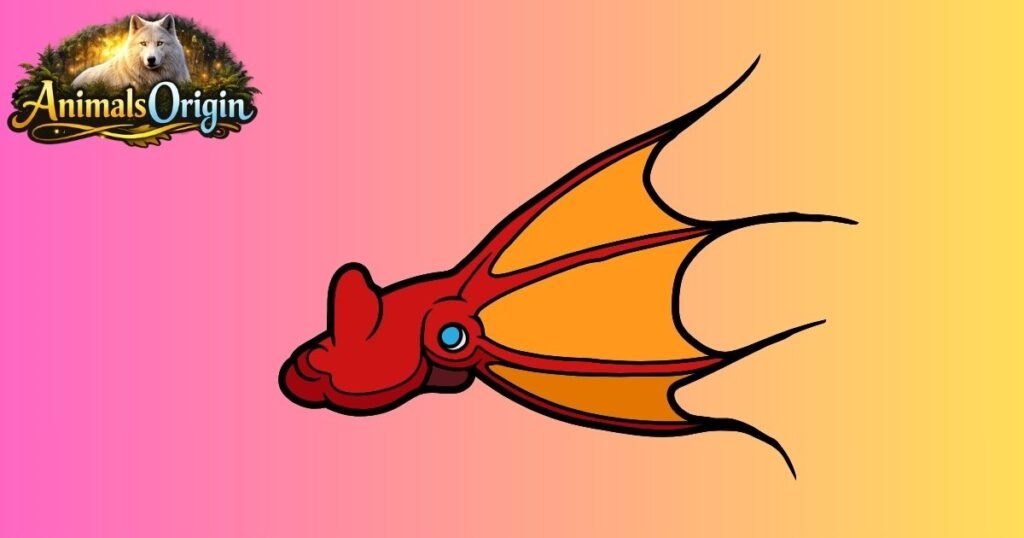
One eye looks upward toward brighter surface light, while the other scans the darker depths below. This squid is an agile swimmer and can even propel itself out of the water, “flying” short distances to escape predators. Its large, sensitive eyes allow it to detect prey such as fish and smaller squid, making it a highly efficient deep-sea hunter.
Jecko
Geckos are small, nocturnal lizards found in warm regions around the world. Many species have large, lidless eyes that enhance their night vision, allowing them to hunt insects and avoid predators in low-light conditions. Instead of eyelids, geckos have a transparent membrane over their eyes, which they clean by licking.
Their vertical pupils help regulate light intake, giving them exceptional vision both day and night. Geckos are also famous for their sticky toe pads, which allow them to climb walls and ceilings with ease. Their combination of large eyes and agile movement makes them excellent nighttime hunters.
Read More: Animals With Big Noses: 15 Incredible Creatures with Oversized Snouts
Fennec Fox
The fennec fox is a small desert-dwelling fox native to North Africa, famous for its oversized ears and large, expressive eyes. Its big eyes help it see clearly during the night, which is essential for hunting insects, small rodents, and other prey in the dark desert.
Adapted to harsh environments, the fennec fox has a sandy-colored coat that blends with its surroundings, and its keen eyesight allows it to spot danger from a distance. Despite its small size, it is an agile and resourceful hunter, using its large eyes and acute senses to survive in the challenging desert ecosystem.
Horseshoe Crab
The horseshoe crab is an ancient marine arthropod that has existed for over 450 million years. It has multiple eyes, including a pair of large compound eyes that help it detect movement and changes in light, as well as smaller eyes on its shell for navigation. These eyes are essential for finding mates, avoiding predators, and navigating shallow coastal waters.
Horseshoe crabs are primarily nocturnal, coming ashore during high tides to spawn. Despite their name, they are more closely related to spiders and scorpions than to true crabs. Their unique eyes and ancient design make them a fascinating survivor of prehistoric oceans.
Animals With Big Eyes Final Words
Animals with big eyes are some of nature’s most fascinating and specialized creatures. From nocturnal primates like the tarsier and slow loris to deep-sea giants like the colossal and giant squid, large eyes provide crucial advantages for survival.
They enhance night vision, improve depth perception, detect subtle movements, and help navigate dark or complex environments. Whether it’s hunting prey, avoiding predators, or exploring shadowy habitats, oversized eyes are an evolutionary adaptation that allows animals to thrive in challenging conditions. These wide-eyed wonders remind us of the incredible diversity and ingenuity found throughout the animal kingdom.
Animals With Big Eyes FAQs
What Are Big-Eyed Animals?
Big-eyed animals are species with unusually large eyes relative to their body size, adapted for enhanced vision. They often use their big eyes to see in low-light environments, detect prey, or avoid predators.
Why Do Some Animals Have Such Large Eyes?
Some animals have large eyes to gather more light, improving vision in dark or dim environments. This helps them hunt, navigate, and detect predators more effectively, especially in nocturnal or deep-sea habitats.



One Comment