Pointy Animals: 15+ Fascinating Creatures with Sharp Features in the Wild
Pointy animals are some of the most fascinating creatures on Earth, known for their sharp horns, spiky quills, pointed teeth, and piercing claws. These unique features are not just for appearance; they play a vital role in survival.
From the quill-covered Porcupine to the tusked Narwhal and the horned Rhinoceros, sharp adaptations help animals defend themselves, hunt prey, and compete for mates. In this guide, we’ll explore 15+ incredible pointy animals and discover how their sharp features make them powerful, unique, and perfectly designed for life in the wild.
List Of Pointy Animals
- Porcupine
- Hedgehog
- Rhinoceros
- Narwhal
- Swordfish
- Armadillo
- Manta Ray
- Scorpion
- Horned Lizard
- Crown-of-Thorns Starfish
- Goat
- Moose
Porcupine
The Porcupine is one of the most well-known animal with spikes in the wild, famous for its coat of sharp quills. These quills are actually modified hairs made of keratin and serve as a powerful defense system against predators.
When threatened, a porcupine raises its quills and may turn its back to the attacker, making it difficult to attack safely. Despite their fierce appearance, porcupines are gentle herbivores that feed on bark, leaves, fruits, and plants. They are mostly nocturnal and move slowly, relying on their sharp protection rather than speed to survive in forests and grasslands.
Hedgehog
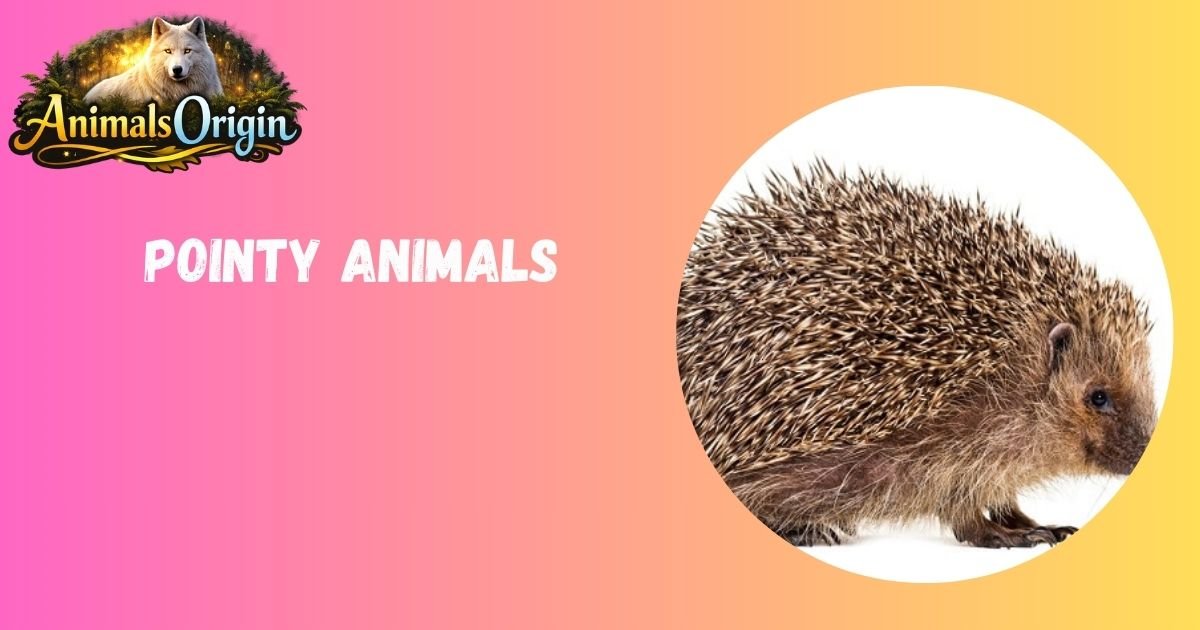
It is the animal with thorns. The Hedgehog is a small, nocturnal mammal known for the sharp spines covering its back. These stiff spines act as a protective shield against predators. When frightened, a hedgehog curls into a tight ball, tucking in its head and legs so only the pointed spines are exposed.
Despite their prickly appearance, hedgehogs are gentle creatures that mainly feed on insects, worms, and small invertebrates. They use their pointed snouts and strong sense of smell to find food at night. Found in Europe, Asia, and Africa, hedgehogs rely on their natural armor for survival rather than speed or aggression.
Rhinoceros
The Rhinoceros is one of the most powerful and pointed animals in the wild, recognized for the sharp horn on its nose. This horn is made of keratin and can grow quite long, serving as a strong defense against predators and rivals.
Rhinos use their horns during fights, especially in mating season, to establish dominance. Despite their tough appearance, rhinoceroses are herbivores that feed on grass, leaves, and shrubs. They have thick skin that acts like natural armor, but their pointed horn remains their most striking feature in grasslands and savannas.
Narwhal
The Narwhal is one of the most unique pointy animals in the ocean, often called the “unicorn of the sea.” Its most striking feature is the long, spiral tusk that can grow up to 10 feet. This tusk is actually an extended tooth and is mostly found on males.
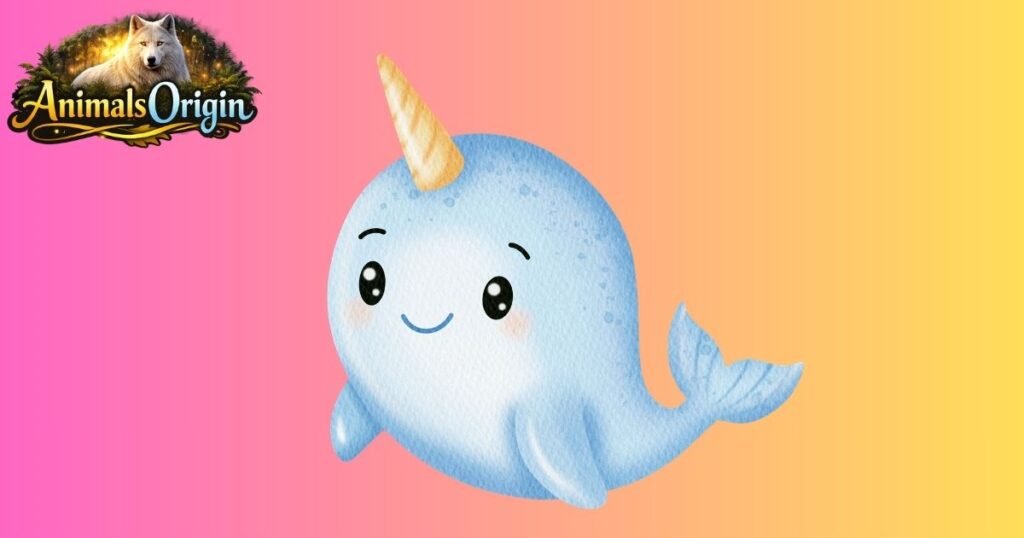
Scientists believe it helps with sensing changes in the environment and may also play a role in attracting mates. Narwhals live in the icy waters of the Arctic and feed on fish, squid, and shrimp, using their remarkable tusks as both a sensory tool and a display feature.
Swordfish
The Swordfish is a powerful ocean predator known for its long, sharp bill that resembles a sword. This pointed feature helps the swordfish slash through schools of fish, stunning or injuring prey before eating them. Built for speed, swordfish have streamlined bodies and can swim at impressive speeds in open waters.
They mainly feed on fish and squid and are found in warm and temperate oceans around the world. Despite their fierce hunting skills, swordfish are not aggressive toward humans. Their sharp bill is a perfect example of how pointy features help animals survive and thrive in the wild.
Read More: Docile Animals: 10 Gentle Creatures Known for Their Calm and Friendly Nature
Armadillo
The Armadillo is a unique, pointy animal known for its tough, bony armor covering its body. While its shell may not look sharp at first glance, many species have pointed edges along their plates and strong, sharp claws for digging. These claws help armadillos burrow quickly into the ground to escape predators and search for insects.
Some species, like the three-banded armadillo, can roll into a tight ball for protection. Found mainly in the Americas, armadillos rely on their armor and digging skills rather than speed, making their pointed features essential for survival in the wild.
Manta Ray
The Manta Ray is a graceful ocean creature known for its wide, wing-like fins and smooth, pointed shape. Although manta rays do not have a venomous tail barb like stingrays, their triangular pectoral fins and pointed cephalic lobes help them glide effortlessly through the water.
They feed mainly on plankton, filtering tiny organisms as they swim with their mouths open. Found in warm tropical and subtropical oceans, manta rays are peaceful giants despite their impressive size. Their pointed body structure improves speed and movement, making them perfectly adapted for life in the open sea.
Scorpion
The Scorpion is a small but powerful, pointy animal known for its curved tail and sharp venomous stinger. Found mainly in deserts and warm regions, scorpions use their pointed stinger to inject venom into prey or defend themselves from threats.
They also have strong pincers to grab and hold insects, spiders, and other small creatures. Scorpions are nocturnal hunters, relying on their keen senses and quick reflexes. Despite their fearsome appearance, most species are not deadly to humans. Their sharp tail remains their most important survival tool in harsh environments.
Horned Lizard
The Horned Lizard is a fascinating pointy animal native to arid regions of North and Central America. Its body is covered with sharp, triangular horns and spines, especially around the head, which help protect it from predators.
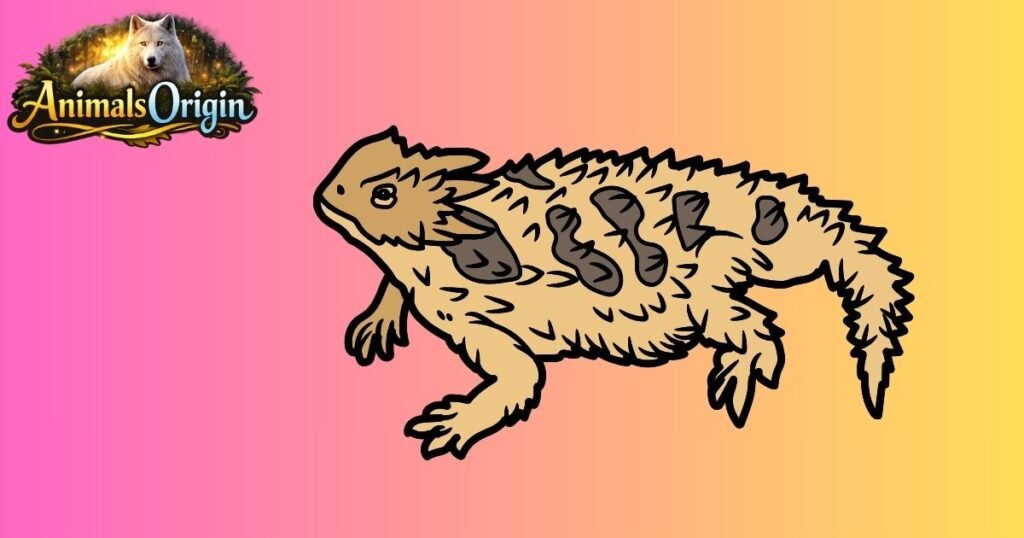
When threatened, some horned lizards can flatten their bodies against the ground, making it difficult for predators to grab them, and some even squirt blood from their eyes as a defense mechanism. These reptiles feed mainly on ants and other small insects, using their pointed snouts to capture prey. Their spiky appearance is both a defensive and camouflaging adaptation.
Goat
The Goat is a familiar pointy animal recognized for its sharp, curved horns and agile body. Both wild and domestic goats use their pointed horns for defense, dominance battles, and protecting their young. Male goats, in particular, engage in head-butting contests during mating season, relying on their strong, pointed horns to establish hierarchy.
Goats are herbivores that graze on grass, shrubs, and leaves, often navigating steep and rocky terrains with ease. Their sharp hooves and horns, combined with remarkable balance, make them highly adaptable animals in both wild and farm environments.
Final Words
Pointy animals showcase nature’s incredible creativity, using sharp features like quills, horns, tusks, claws, and spines for survival, defense, and hunting. From the spiky Porcupine and prickly Hedgehog to the tusked Narwhal and horned Rhinoceros, these adaptations are both practical and fascinating.
Pointed features help animals protect themselves, secure food, compete for mates, and thrive in diverse habitats. Studying these creatures reminds us that in the wild, being sharp literally can mean the difference between life and death, making pointy animals true marvels of evolution.
FAQs
What are Animals with Quills?
Animals with quills are species that have sharp, pointed spines or hairs, such as porcupines, hedgehogs, and echidnas. These quills act as a defense mechanism against predators.
What Are Animals That Look Like Porcupines?
Animals that look like porcupines are creatures with spiny or quilled bodies. Examples include hedgehogs, echidnas, and tenrecs. They share a similar appearance with sharp protective spines, although they may differ in size and habitat.
What Animals Have Quills?
Animals that have quills are species with sharp, pointed spines used for defense. Common examples include porcupines, hedgehogs, and echidnas.


One Comment