Big Appetites: 14+ Animals That Eat A Lot In The Wild
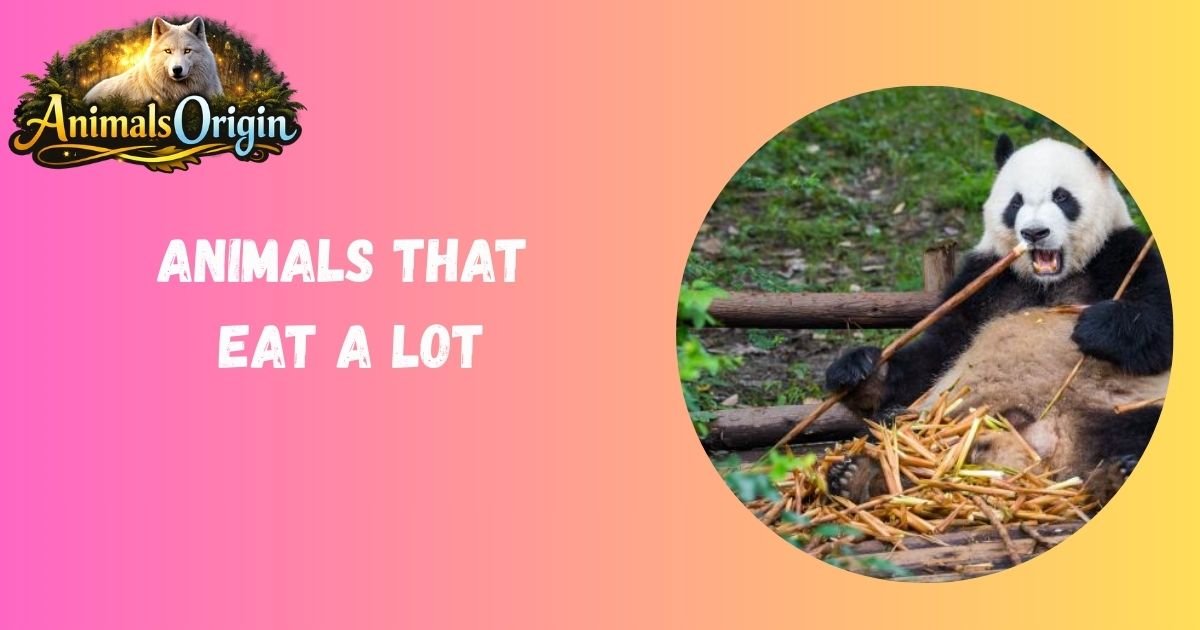
In the wild, some animals have truly astonishing appetites, consuming massive amounts of food to survive, grow, and maintain their energy. From enormous marine mammals like the Sperm Whale to tiny but voracious insects like the Locust, these creatures spend much of their lives eating.
Herbivores such as the American Bison and Moose graze continuously, while predators like the Nile Crocodile consume large meals to fuel their hunting lifestyle. In this guide, we will discuss 14+ animals that eat a lot, some of the wildest eaters in the animal kingdom, and creatures with enormous appetites that constantly consume food to survive and thrive. Understanding these big eaters gives fascinating insight into survival strategies and the balance of nature.
List Of Animals That Eat A Lot
- Sperm Whale
- Kodiak Bear
- Walrus
- Orca (Killer Whale)
- Moose
- Giraffe
- Horse
- Goat
- Locust
- Army Ant
- Tasmanian Devil
- Nile Crocodile
- Green Anaconda
- American Bison
Green Anaconda
The Green Anaconda is one of the heaviest and most powerful snakes in the world. Found in the swamps and rivers of South America, it has an enormous appetite to support its massive body. This snake eats large prey such as fish, birds, deer, capybaras, and even caimans.
Instead of chewing, it swallows its prey whole using its flexible jaws. After a huge meal, a green anaconda can go weeks or even months without eating again. As an ambush predator, it waits patiently in water, then strikes quickly, using its strength to constrict and overpower its prey.
Sperm Whale
The Sperm Whale is one of the biggest eaters in the ocean. This massive marine mammal can grow over 50 feet long and needs enormous amounts of food to survive. Its favorite meal is squid, including giant squid found deep beneath the sea.
A sperm whale can eat around a ton of squid and fish in a single day. Using powerful echolocation clicks, it hunts in the dark depths where sunlight cannot reach. Its huge head and strong jaws help it capture slippery prey, making it one of the ocean’s most impressive and hungry predators.
American Bison
The American Bison is one of the largest land animals in North America and has a huge appetite to match its size. These powerful herbivores spend up to 10–12 hours a day grazing on grasses, sedges, and shrubs.
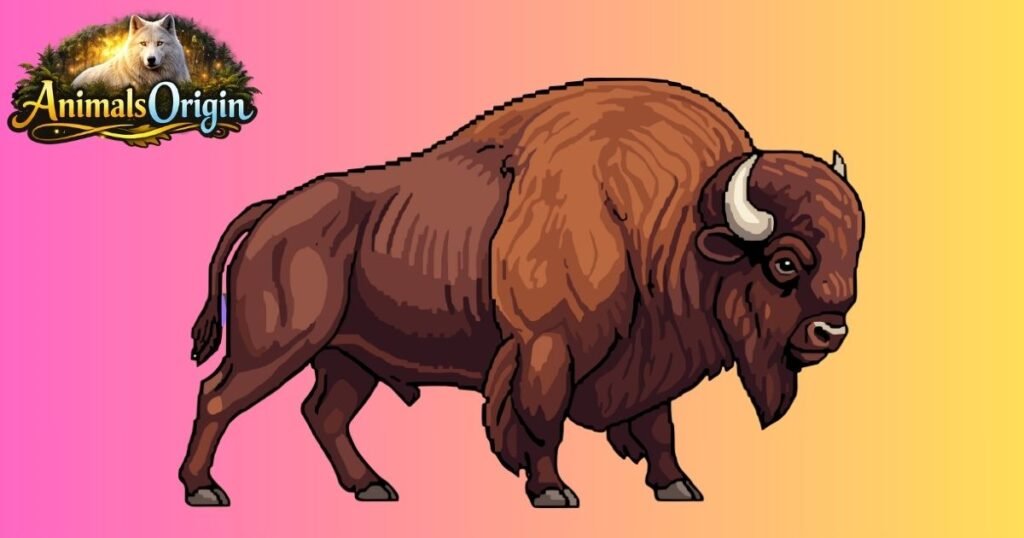
An adult bison can weigh over 2,000 pounds and may eat around 25–30 pounds of vegetation daily. Their strong teeth and complex stomach help them digest tough plant material efficiently. By constantly grazing, American bison play an important role in shaping grassland ecosystems, helping new plants grow and supporting other wildlife species around them.
Nile Crocodile
The Nile Crocodile is one of Africa’s largest and most powerful predators. Living in rivers, lakes, and wetlands, it has a massive appetite and can eat large prey such as fish, antelope, zebras, and even buffalo.
With incredibly strong jaws and sharp teeth, it grabs its victim and performs a “death roll” to tear flesh apart. A Nile crocodile may consume huge amounts of meat in one feeding, then go weeks without eating again. As an opportunistic hunter, it waits patiently near the water’s edge, striking with speed and surprising force.
Tasmanian Devil
The Tasmanian Devil is a small but extremely hungry predator found only in Tasmania. Despite its size, it has one of the strongest bites relative to body weight among mammals. Tasmanian devils are scavengers and hunters, eating birds, insects, snakes, and even large carcasses.
They can consume a significant portion of their body weight in a single meal. Known for their loud screeches and fierce feeding behavior, they often compete aggressively over food. Their powerful jaws allow them to crush bones and eat almost every part of their prey, leaving very little behind.
Army Ant
The Army Ant is a tiny insect with an enormous collective appetite. Unlike most ants, army ants do not build permanent nests. Instead, they move in massive colonies, sometimes numbering millions, constantly searching for food.
When they travel in swarms, they attack and consume almost any small animal in their path, including insects, spiders, and even small reptiles. Each ant eats only a small amount, but together they can strip an area of prey quickly. Their powerful teamwork and relentless feeding behavior make army ants some of the most efficient hunters in the insect world.
Locust
The Locust is a small insect with an insatiable appetite that can devastate ecosystems when in swarms. Normally solitary, locusts transform into highly social, swarming behavior under certain conditions, forming huge groups that consume vast amounts of crops and vegetation.
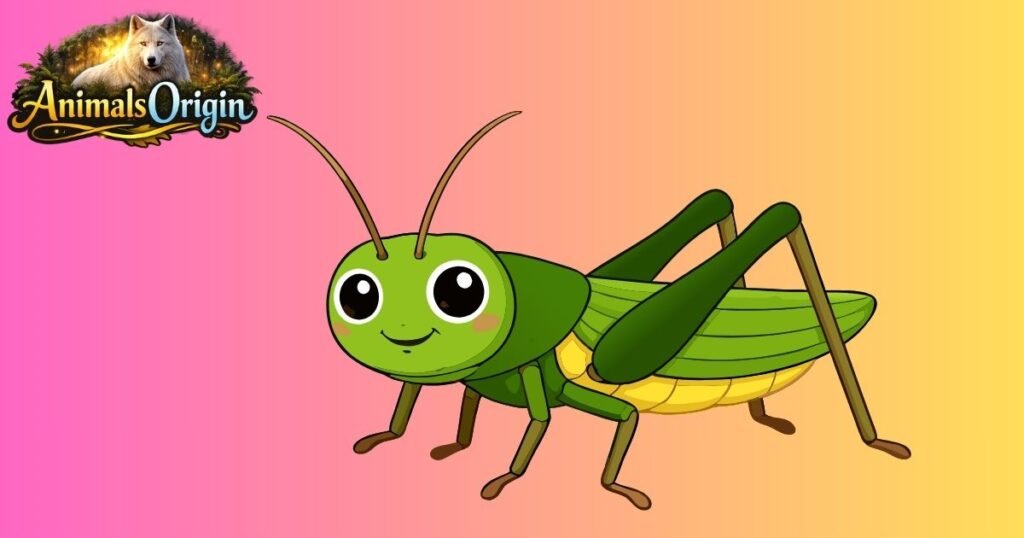
A single locust can eat its own weight daily, but in a swarm, millions can strip entire fields bare in hours. They feed on grasses, leaves, and cereals, posing major threats to agriculture and food security. Their ability to eat continuously and travel long distances makes them one of nature’s most voracious and persistent eaters.
Goat
The Goat is a highly adaptable and voracious eater found worldwide. Goats are herbivores, feeding on a wide variety of plants, including grasses, leaves, shrubs, and even woody vegetation that many other animals avoid. Their strong, flexible lips and teeth allow them to graze and browse efficiently, often consuming large amounts relative to their size.
Goats are known for their curiosity and tendency to nibble on almost anything edible, which makes them excellent for clearing land. Their constant grazing helps maintain pastures, but it also requires careful management to prevent overfeeding or damage to local vegetation.
Horse
The Horse is a large herbivore known for its strong appetite and constant grazing habits. Horses feed primarily on grasses, hay, and other plant material, often consuming 1.5–2.5% of their body weight daily. Their digestive system is designed for continuous intake, so they eat small amounts throughout the day rather than large single meals.
Horses use their wide, strong teeth to grind tough fibers efficiently, extracting maximum nutrients. In the wild, this constant grazing keeps them energized for long periods of activity, while domesticated horses require regular feeding to maintain their health, stamina, and overall well-being.
Read More: 20+ Chubby Animals: The Cutest Round Creatures on Earth
Moose
The Moose is the largest member of the deer family, known for its enormous size and impressive appetite. Moose are herbivores that spend much of their day grazing on leaves, twigs, bark, and aquatic plants.
An adult moose can eat over 70 pounds of vegetation daily to sustain its massive body, especially during the winter months when food is scarce. Their long legs allow them to wade into water to feed on submerged plants, while their strong jaws and teeth help them chew tough materials. Constant eating is essential for energy, growth, and survival.
Final Words
Animals that eat a lot showcase the incredible diversity of survival strategies in the wild. From giants like the Sperm Whale and American Bison to tiny but relentless feeders like the Army Ant and Locust, each species consumes food in ways that suit its environment, size, and energy needs.
Some graze continuously, others feast in massive meals, but all rely on eating heavily to survive and thrive. Studying these big eaters gives us a fascinating glimpse into nature’s balance and the extraordinary adaptations that help animals endure and flourish.
FAQs
Which Are The Hungriest Animals?
Some of the hungriest animals include the Sperm Whale, Nile Crocodile, and Army Ant, known for consuming huge amounts relative to their size. They rely on constant or massive feeding to survive and maintain energy.
What Animal Eats the Most?
The most eaten animal in the world Sperm Whale, consuming up to a ton of squid and fish daily. Its massive size and energy needs make it one of the ocean’s hungriest creatures.