Animals That Live In The Savanna: A Complete Guide To Wildlife
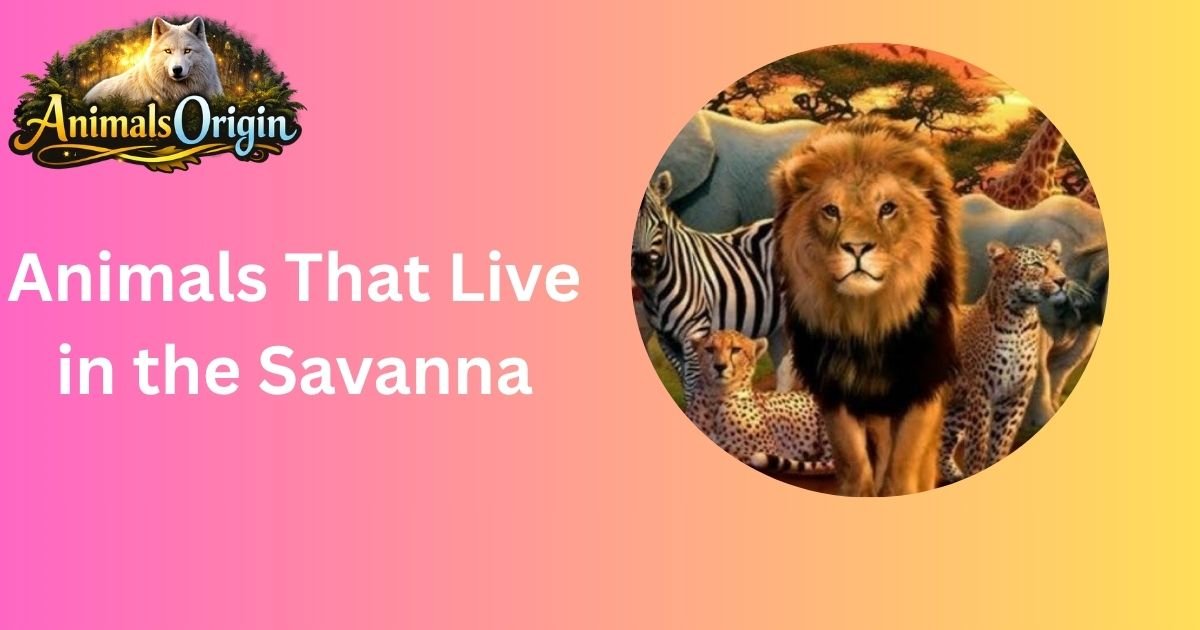
The African savanna is home to some of the most remarkable animals on the planet. From majestic elephants to swift cheetahs, the diversity of wildlife in this unique ecosystem is astounding.
In this complete guide to the Animals that live in the savanna, you’ll discover fascinating facts and intriguing behaviors of these creatures that make the savanna their home. Whether you’re a wildlife enthusiast or just curious about nature, this article will deepen your appreciation for these incredible animals.
What is a Savanna?
Picture a landscape where sweeping grasslands meet scattered trees under a bright blue sky. Animals that live in the savanna. This is the essence of a savanna. These unique ecosystems, often found in Africa, South America, and Australia, boast a delicate balance of grass, shrubs, and occasional trees, providing a diverse habitat.
The climate here plays a pivotal role, with distinct wet and dry seasons that shape the rhythms of life for the animals that call the savanna home.
Types of Animals That Live in the Savanna
1. Herbivores (Plant-Eating Animals)
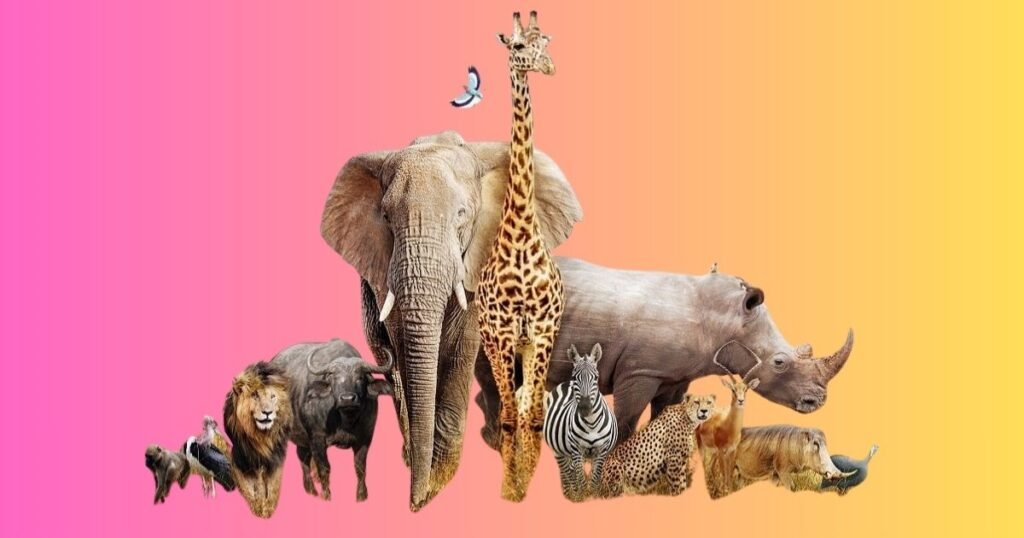
Herbivores are the backbone of the savanna ecosystem, sustaining numerous carnivores while maintaining the balance of plant life. They primarily feed on the abundant grasses, leaves, and shrubs that define this unique landscape.
Examples:
- zebras
- Elephants
- Giraffes
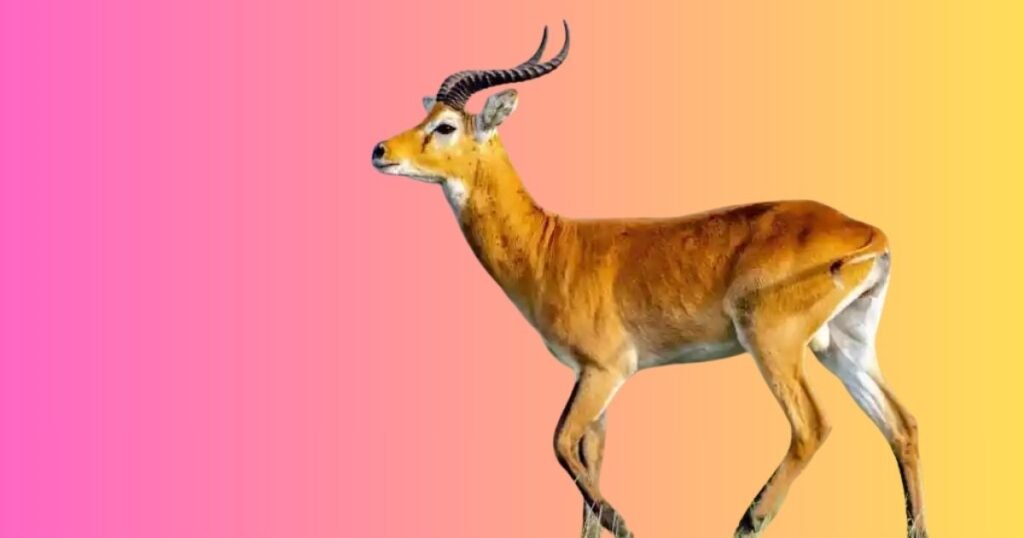
- Antelopes
2. Carnivores (Meat-Eating Animals)
Carnivores play a pivotal role in the savanna’s ecological balance, acting as nature’s regulators. Lions, as apex predators, hunt in prides, using strategic teamwork to take down large herbivores such as zebras.
Carnivores, particularly in the context of animals that live in the savanna, showcase an incredible array of adaptations that make them masterful hunters. Take the cheetah, for instance, known for its astounding speed, this sleek feline has evolved not just to chase down prey but also to do so with remarkable efficiency.
Examples:
- Lions
- Cheetahs
- Leopards
Omnivores (Eat Both Plants & Animals)
Omnivores are fascinating creatures that thrive on a diverse diet, consuming a mix of food from both plants and animals.
Examples:
- Baboon
This adaptability doesn’t just help them survive; it also plays a vital role in ecosystem balance. By consuming a wide range of foods, omnivores like baboons contribute to seed dispersal and pest control, thereby supporting plant growth and maintaining population dynamics of other species. Observing these animals, one can appreciate how their flexible diet allows them to navigate challenges posed by changing environments, making them crucial players in their habitats
Famous Animals of the Savanna
Lion
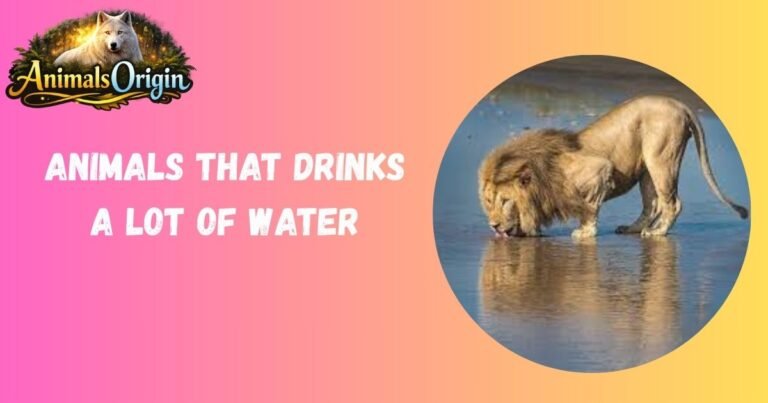
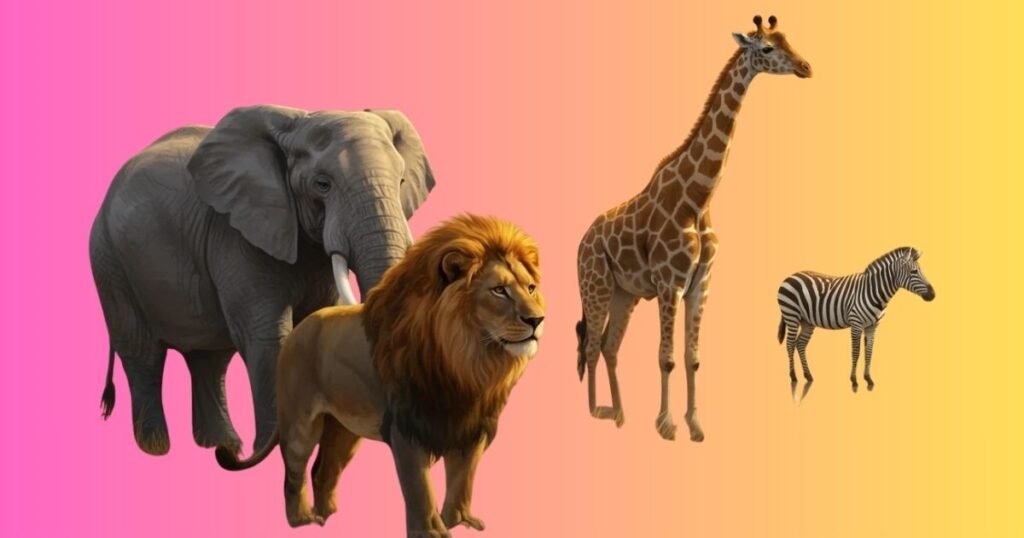
The quintessential symbol of the savanna, lions live in groups known as prides, showcasing a unique social structure. These top predators are not just fierce hunters; their collaborative tactics during hunts exemplify intricate teamwork, allowing them to take down large prey efficiently.
Elephant
As the largest land animals, elephants play a crucial role in maintaining the savanna ecosystem. Their massive size allows them to knock down trees, fostering new growth and creating habitats for other species. Additionally, as they wander the plains, elephants disperse seeds, ensuring a thriving environment for future generations.
Read more: Quiet Animals: Discover the Silent Wonders of the Animal Kingdom
Giraffe
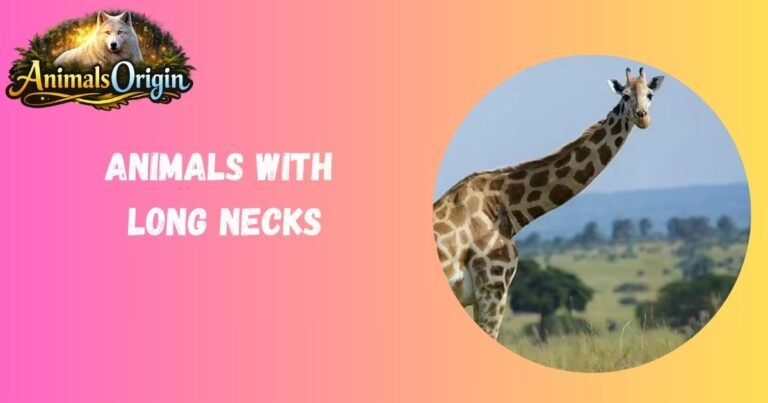
Towering above the landscape, giraffes utilize their long necks to access leaves high in the trees, making them masters of foraging in areas with competition. Their unique feeding habits not only prevent overgrazing but also contribute to a balanced diet for various herbivores, showcasing their importance in the food web.
Zebra
Known for their striking black-and-white stripes, zebras are more than just a visual marvel; they confuse predators with their patterns, creating an optical illusion that can disorient attackers. Additionally, these social animals rely on herding behavior for safety, demonstrating the power of community in the unforgiving savanna.
Why the Savanna Is Important
Savannas provide significant benefits for human communities. They are essential for carbon storage, helping to mitigate climate change while providing resources such as food and medicine. Local populations often rely on these landscapes for agriculture, grazing livestock, and cultural practices tied to the land.
The savanna biome is a unique and essential ecosystem that teems with life, hosting a diverse array of species. From the mighty elephants lumbering across the grasslands to the stealthy lions lurking in the tall grass, these savanna biome animals play critical roles in sustaining the ecological balance. This dynamic habitat supports not just iconic wildlife; it’s also a breeding ground for myriad plant species that have adapted to thrive in the fluctuating climate. The interdependence between these flora and fauna creates a vibrant tapestry that is both beautiful and vital.
Final Words
The savanna is home to a remarkable variety of wildlife, each adapted to thrive in this unique environment. From the majestic elephants roaming the plains to the cunning predators like lions that rule the landscape, every species plays an important role in the ecosystem. By understanding these animals and their behaviors, we can gain a deeper appreciation for the delicate balance of life in the savanna.
Whether you’re a wildlife enthusiast or simply curious about nature, exploring this rich habitat can be both educational and inspiring. So take a step into the wild and discover the wonders that the savanna has to offer.
FAQs
What are the 4 Types of Savanna?
Savannas can be primarily categorized into four types: tropical savanna, dry savanna, floodplain savanna, and woodland savanna.
1. Tropical Savanna is found near the equator and experiences distinct wet and dry seasons. It features tall grasses and scattered trees, supporting diverse wildlife.
2. Dry Savanna has a more arid climate, with less rainfall than tropical savannas. Vegetation is primarily grasses, with fewer trees that are often drought-resistant.
3. Floodplain Savanna occurs in areas prone to seasonal flooding, leading to lush vegetation during wet seasons and stark landscapes during dry spells.
4. Woodland Savanna tends to have a denser tree cover but still maintains open grasslands. This type fosters a unique mix of flora and fauna adapted to both grassy and wooded areas.
What is the Most Famous Savanna?
The most famous savanna is undoubtedly the Serengeti, located in Tanzania. It’s renowned for its breathtaking landscapes and incredible wildlife diversity. The Serengeti is particularly famous for the Great Migration, where millions of wildebeests and zebras travel in search of fresh grazing grounds, creating a spectacular natural phenomenon.