Animals with Long Legs: Masters of Height and Grace in the Wild
The animal kingdom is full of fascinating adaptations that allow creatures to survive, hunt, or navigate their habitats efficiently. Among these, long legs stand out as one of the most striking physical traits. Animals with long legs possess unique advantages, including faster running speeds, enhanced vision over tall grasses, and the ability to wade through water or reach high foliage for food.
From towering giraffes to agile flamingos, these long-legged animals demonstrate incredible diversity and adaptability. In this article, we explore some of the most notable animals with long legs, their characteristics, and the role these legs play in their survival.
List Of Animals With Long Legs
- Giraffe
- Ostrich
- Flamingo
- Heron
- Kangaroo
- Camel
- Stilt-Legged Crabs
- Spider
- Heron-Like Wading Animals
- Okapi
- Horses
- Flamingo-Like Shorebirds
- Kangaroo-Like Marsupials
- Flamingo-Like Wading Adaptations
Giraffe
The giraffe is the tallest land animal, renowned for its extraordinarily long legs and neck. Adult giraffes can reach up to 18 feet in height, with legs alone often measuring over 6 feet. These long limbs allow giraffes to browse treetops for leaves, particularly acacia trees, which are out of reach for most herbivores.
Giraffes’ legs also give them a unique defense mechanism: they can deliver powerful kicks to predators such as lions. Their height offers excellent vantage points for spotting danger, while their stride allows them to cover great distances in search of food.
Ostrich
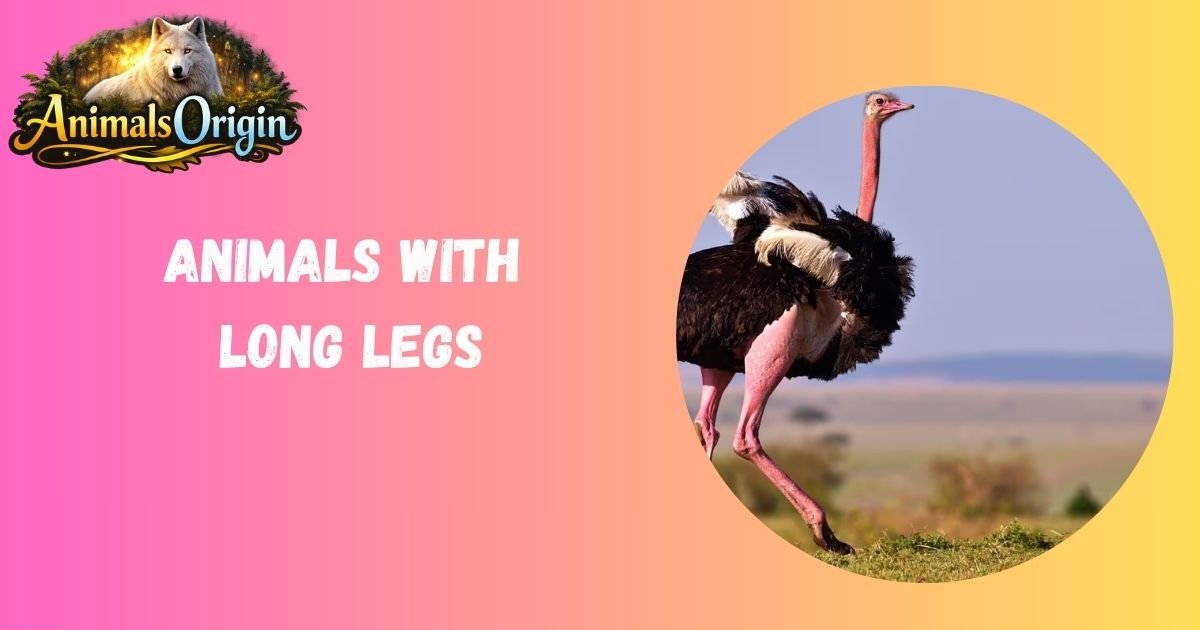
Ostriches, the largest birds on Earth, are flightless but incredibly fast runners, thanks to their long, muscular legs. Capable of reaching speeds up to 60 km/h, ostriches use their legs to escape predators like cheetahs and lions.
Each leg features strong tendons and a two-toed foot that maximizes speed and balance. Besides locomotion, ostriches’ long legs serve defensive purposes, delivering formidable kicks when threatened. Their height, aided by long legs and necks, allows them to spot danger from far away while foraging across the savannahs of Africa.
Flamingo
Flamingos are instantly recognizable for their vivid pink color and strikingly long, slender legs. These legs allow them to wade into deep waters while feeding on algae, crustaceans, and small insects. Their unique feeding technique, often done upside down, relies on both long legs and necks to reach food sources unavailable to shorter animals.
The long legs also help flamingos regulate body temperature by keeping their bodies elevated above cooler or warmer water. These adaptations make flamingos perfectly suited for life in shallow lakes and lagoons.
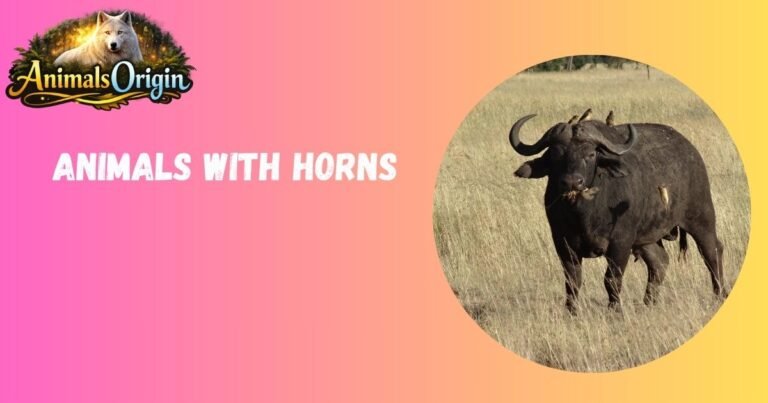
Read More: Animals with Horns: 15+ Powerful Creatures That Rule the Wild with Their Mighty Horns
Heron
Herons are wading birds known for their sharp beaks and elegant, long legs, which allow them to hunt efficiently in wetlands and shallow waters. By standing still or slowly stalking prey, herons use their legs to wade without causing ripples, increasing their hunting success.
Their long legs also enable them to cover more ground while foraging. Common species, such as the great blue heron, can reach up to four feet in height, with legs making up a significant portion of that length, perfectly adapted to their watery habitats.
Kangaroo
Kangaroos are iconic Australian marsupials famous for their powerful hind legs. Their long, muscular legs allow them to hop great distances at speeds up to 70 km/h. Hopping is an energy-efficient mode of travel, ideal for covering vast open landscapes. Long legs also aid in defending against predators through powerful kicks.
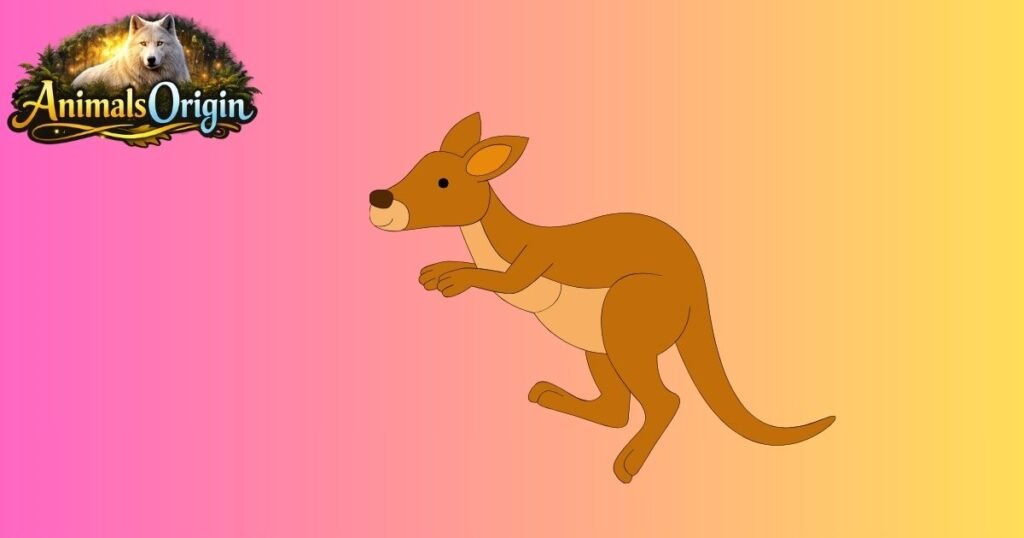
Kangaroos’ elongated limbs enable them to reach higher vegetation, complementing their diet of grasses and shrubs. The combination of strength and reach makes their legs central to survival in Australia’s often harsh environments
Camel
Camels, often called the “ships of the desert,” have long, sturdy legs that keep their bodies elevated above hot sand. These legs allow camels to traverse vast desert landscapes efficiently while minimizing heat absorption from the ground. Camels’ legs also support their large bodies during long migrations, carrying both themselves and loads with ease.
Their long stride helps conserve energy, and their padded feet prevent sinking into soft sand. These adaptations, combined with their humps for fat storage, make camels uniquely suited for survival in arid environments.
Stilt-Legged Crabs
Certain species of crabs, such as the stilt-legged variety, exhibit unusually long legs relative to their bodies. These legs allow them to move efficiently across mudflats and shallow waters while foraging for algae and small invertebrates.
The elevated body helps prevent contact with hot surfaces or predators. Their long limbs are also advantageous during mating displays and territorial fights. Though less famous than large mammals or birds, these crabs demonstrate how long legs benefit even small animals in specialized habitats.
Spider
Many spider species, particularly orb-weavers and tarantulas, have long legs that enhance mobility, hunting, and web construction. Long legs increase reach, helping spiders navigate large webs and catch prey effectively.
In hunting spiders, elongated limbs allow for quick strikes and precise handling of captured insects. Spiders’ legs also carry sensory hairs that detect vibrations, giving them critical environmental awareness. These adaptations demonstrate the functional versatility of long legs, even in small arthropods.
Heron-Like Wading Animals
Beyond birds, other long-legged wading animals, like certain species of frogs and amphibians, use their limbs to navigate wetlands. Long legs aid in jumping over obstacles and escaping predators, as well as reaching insects or other small prey. Their limbs also assist in swimming and maintaining balance in shallow water, showing how long legs are an evolutionary advantage in watery environments.
Okapi
The okapi, a forest-dwelling relative of the giraffe, possesses long legs that allow it to navigate dense vegetation with agility. While shorter than giraffes, the okapi’s limbs help it reach leaves and move quietly through its environment.
Its long legs also provide speed to escape predators and cover ground efficiently. Despite being lesser-known, the okapi is a prime example of how long legs aid survival even in complex, forested habitats.
Horses
Horses are celebrated for their long, powerful legs, which make them excellent runners and jumpers. Their limbs are adapted for speed, endurance, and agility, allowing them to evade predators in the wild and perform in domesticated activities like racing or jumping.

Long legs also enable horses to cover large grazing areas efficiently, an essential trait for survival in open grasslands. The combination of strength, length, and flexibility makes horses one of the most iconic long-legged land mammals.
Flamingo-Like Shorebirds
These birds’ legs allow them to reach food in deeper water while avoiding excessive splashing. Their height provides a clear vantage point to spot predators and competitors. By combining long legs with specialized bills, they efficiently feed on crustaceans, insects, and small fish, highlighting the ecological importance of elongated limbs in aquatic and semi-aquatic environments.
Kangaroo-Like Marsupials
Other marsupials, such as wallabies, also feature long legs for hopping and rapid movement across rocky or uneven terrain. Their legs serve multiple functions: locomotion, defense, and access to food sources. In these species, leg length is a key evolutionary adaptation for survival in varied habitats, from forests to open plains, allowing them to escape predators while maintaining energy-efficient movement patterns.
Flamingo-Like Wading Adaptations
Long-legged adaptations in wading birds are widespread, including herons, egrets, and avocets. These limbs allow them to hunt in water without disturbing their prey, reach deeper feeding zones, and maintain stability on soft surfaces. Evolution has favored such leg length to optimize feeding efficiency, predator awareness, and energy conservation, demonstrating convergent evolution among unrelated species in similar ecological niches.
Final Words
Animals with long legs display remarkable evolutionary adaptations that allow them to thrive in diverse habitats. From the towering giraffe to the delicate flamingo, long legs serve multiple purposes: efficient movement, predator evasion, access to food, and improved vision or foraging ability.
These adaptations highlight the creativity of evolution in solving environmental challenges. Long-legged animals, whether mammals, birds, or even arthropods, illustrate the functional and ecological significance of limb length in survival and specialization. By studying these creatures, we gain insight into how form and function work together to shape the natural world.
FAQs
Why do Some Animals have Extremely Long Legs?
Long legs provide advantages like faster movement, better access to food, predator avoidance, and improved visibility in tall habitats.
Are Long Legs Always Advantageous?
While beneficial in many environments, long legs can be a disadvantage in dense forests or areas requiring tight maneuvering, as they may hinder mobility.