

Animals with Scales: Fascinating Creatures Covered in Nature’s Protective Armor
Animals with scales are among the most fascinating creatures on Earth. Their unique skin coverings serve multiple purposes: protection, camouflage, water retention, and temperature regulation. Scales are found in a wide variety of species, including reptiles, fish, and even some mammals like pangolins.
From the sleek scales of a snake to the shiny armor of a pangolin or the glittering scales of tropical fish, these animals showcase incredible diversity and adaptation. This article explores the world of animals with scales, highlighting their physical characteristics, survival strategies, and ecological importance. Understanding these scaled creatures provides insight into evolution, adaptation, and the remarkable variety of life on our planet.
List Of Animals With Scales On Their Body
- Snakes
- Lizards
- Crocodiles
- Turtles
- Fish
- Pangolins
- Armadillos
- Chameleons
- Skinks
- Gars and other ancient fish
- Stingrays and Sharks
- Alligators
- Geckos
- Snapping turtles
Snakes
Snakes are one of the most recognizable animals with scales. Their bodies are entirely covered with overlapping keratin scales, which provide protection, reduce friction, and prevent water loss. Scales also aid in camouflage, helping snakes hide from predators and sneak up on prey. Some species have smooth scales, while others have keeled scales that offer better grip.
Beyond protection, scales assist in thermoregulation by absorbing or reflecting heat. Each scale grows as the snake matures, showing the animal’s age and health. Snakes’ scales are vital for survival, mobility, and defense, making them essential adaptations in reptiles.
Lizards
Lizards are classic examples of animals with scales that serve multiple purposes. Their scaly skin prevents dehydration, protects against injuries, and provides camouflage in various habitats. Scale size and texture vary among species: some have spiny, rough scales for defense, while others have smooth, shiny scales for flexibility and agility.
Scales also play a role in communication and mating displays by reflecting light or forming colorful patterns. In harsh environments like deserts or forests, scales help lizards regulate body temperature and avoid predators. These adaptations demonstrate how scales are critical for survival, protection, and overall fitness in lizards.
Crocodiles
Crocodiles are animals with scales renowned for their tough, armored bodies. Their skin is covered with bony, keratinized scales called scutes that act as natural armor, protecting them from predators and aggressive encounters. Scales also aid in thermoregulation, reducing water loss and absorbing heat efficiently.
The thick, interlocking scales give flexibility for swimming while providing durability on land. Their armored skin has evolved over millions of years, making crocodiles one of the most resilient reptiles. Crocodiles’ scales are both functional and defensive, allowing these apex predators to dominate their habitats in rivers, swamps, and wetlands worldwide.
Turtles
Turtles are unique animals with scales covering their shells. The carapace (top shell) and plastron (bottom shell) consist of bony plates overlaid with keratin scales, offering protection from predators and environmental hazards. Scales also contribute to camouflage, blending the turtle into its surroundings, whether in forests or freshwater ponds.
These scales, combined with the rigid shell, ensure durability and longevity, supporting the turtle’s slow yet steady lifestyle. Scales protect delicate skin and reinforce the skeletal structure, while also providing some flexibility for movement. Turtles’ scaly armor is a key adaptation, highlighting the importance of scales in survival and defense.
Fish
Fish are classic animals with scales that serve as both protection and a hydrodynamic advantage. There are several types of fish scales, including cycloid, ctenoid, ganoid, and placoid, each adapted for specific functions. Scales protect fish from physical injuries, parasites, and infections while streamlining their bodies for efficient swimming.
Some scales reflect light, helping with camouflage or signaling. Ancient fish like gars have thick, diamond-shaped scales, while agile species like salmon have thin, flexible scales for speed. Fish scales grow as the fish grows, showing age and health. These adaptations make scales essential for survival and mobility.
Pangolins
Pangolins are unique among mammals as animals with scales. Their bodies are covered with large, overlapping keratin scales that act as armor against predators. When threatened, pangolins curl into a tight ball, relying entirely on their scales for defense. These scales are sharp at the edges, deterring attacks, while the underlying skin is soft.

The scales also aid in protection while digging for insects and moving through rough terrain. Pangolins’ scales are a remarkable adaptation, combining defense and survival strategies. They highlight how scales are not limited to reptiles or fish but also appear in mammals for protection.
Armadillos
Armadillos are animals with scales forming a hard, protective shell over their bodies. Their armor consists of bony plates covered by tough keratinized scales, allowing them to defend against predators. They can roll into a ball in some species, relying on these scales for protection. Armadillo scales are flexible enough to permit movement while providing a strong shield.
The scaly armor also prevents injury from rough terrain while burrowing underground. These adaptations make armadillos highly resilient. Their scaly protection demonstrates how evolutionary design uses keratin and bony structures to enhance survival in mammals, similar to reptiles’ protective scales.
Chameleons
Chameleons are fascinating animals with scales that aid in camouflage and protection. Their small, granular scales cover their bodies and allow them to change color in response to environmental conditions, mood, or communication signals. Scales protect the skin from injuries and dehydration while enabling climbing and flexibility in trees.
Each scale is uniquely shaped to fit together seamlessly, creating a textured surface that supports movement and environmental adaptation. Chameleons’ scales also play a role in thermoregulation by reflecting or absorbing sunlight. These adaptations make chameleons effective hunters and masters of disguise among scaled animals.
Skinks
Skinks are smooth-scaled lizards that rely on their overlapping scales for protection, moisture retention, and mobility. Their shiny, streamlined scales reduce friction, enabling them to move quickly through grass, soil, and underbrush. Skinks’ scales are also a defense mechanism, as some species can shed tails or use the smooth surface to escape predators.
Scales play a role in camouflage and display, with certain species showing color changes to attract mates or deter threats. These animals demonstrate how scales provide a balance between flexibility, protection, and survival, making them essential for life in diverse habitats.
Gars and other ancient fish
Gars are primitive fish and classic examples of animals with scales adapted for protection. Their bodies are covered with thick, diamond-shaped ganoid scales, which act like armor, shielding them from predators and rough underwater surfaces. These scales are hard, shiny, and interlocking, offering both defense and hydrodynamic efficiency.
Gars’ scales are a feature retained from ancient fish species, showing evolutionary stability. Other ancient fish, like sturgeons, also have heavy scales that function as armor. These adaptations help them survive in rivers and lakes for millions of years, demonstrating the importance of scales in both protection and movement.
Stingrays and Sharks
Stingrays and sharks are animals with placoid scales, also known as dermal denticles. These scales reduce friction in water, allowing faster swimming and more agility. Placoid scales are hard, tiny, and tooth-like, protecting predators, parasites, and abrasion.
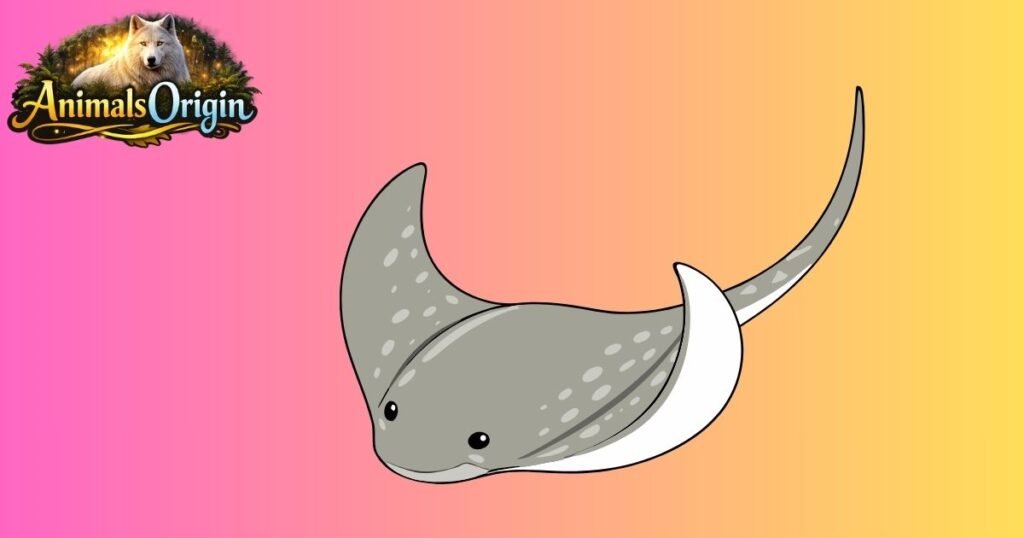
In sharks, these scales contribute to streamlined movement and even defense during attacks. Stingrays use their scales for protection along with their venomous tail spines. The structure and efficiency of placoid scales highlight how evolution has perfected aquatic adaptations for both protection and mobility in scaled animals.
Alligators
Alligators are powerful reptiles covered in bony, armored scales called scutes. These tough scales act as armor, protecting them during fights and providing durability against environmental hazards. The scales also play a role in thermoregulation, absorbing and retaining heat. Alligators’ backs are heavily armored, while ventral scales are smoother to facilitate movement.
Their scaly skin allows them to be both agile swimmers and formidable terrestrial predators. These adaptations demonstrate how scales provide protection, flexibility, and survival advantages. Alligators’ scaly armor is a prime example of evolutionary design in animals with scales.
Read More: Mischievous Animals: 15+ Naughty Creatures and Their Playful Antics in the Wild
Gekos
Geckos are small reptiles with adhesive, flexible scales covering their bodies. These scales protect them from abrasion and dehydration while allowing them to climb walls, ceilings, and trees. Many gecko species have tiny granular scales that enhance camouflage and defense. Scales also play a role in communication and temperature regulation.
Geckos’ specialized scales enable remarkable mobility and survival in diverse habitats, making them a perfect example of scaled animals that combine protection with agility. Their tiny, sticky toe pads, covered in scales, allow them to adhere to surfaces while maintaining flexible movement.
Snapping turtles
Snapping turtles are heavily armored animals with scales covering their shells and limbs. The carapace is reinforced with keratinized scutes that protect predators. Scales on their legs and tails allow flexibility while defending against injury. Snapping turtles’ strong jaws and scaly armor make them effective hunters and resilient survivors.
Their scaly shell also serves as camouflage in murky waters, helping them ambush prey. These adaptations highlight the importance of scales for defense, movement, and survival. Snapping turtles are a prime example of how reptiles use scales to thrive in aquatic and terrestrial environments.
Final Words
Animals with scales showcase nature’s incredible adaptability and ingenuity. Scales provide protection, aid in movement, prevent dehydration, and help in camouflage across reptiles, fish, and some mammals. From the armored crocodiles and alligators to the sleek snakes and agile fish, each species has evolved scales suited to its environment and lifestyle.
Scales also play roles in survival, communication, and thermoregulation, making them essential for thriving in diverse habitats. Studying these animals highlights the importance of evolutionary design and survival strategies. Overall, animals with scales are a fascinating example of how nature combines form, function, and resilience.
FAQs
What Mammal has Scales?
Pangolins are the only type of mammal with scales covering their bodies from head to tail.
Does a whale have scales?
Like humans, whales have skin, not scales. Some species even have hair! Unlike most fish, whales are warm-blooded.