Animals With Shells: 20+ Incredible Creatures That Carry Their Homes
Animals with shells are some of the most fascinating creatures in the natural world. Their shells serve as protective armor, helping them survive against predators and harsh environments. From the slow-moving land dwellers to the mysterious ocean inhabitants, these animals have evolved unique adaptations that make them both resilient and intriguing.
Shells can be hard, soft, spiral-shaped, or even hidden inside the body, depending on the species. In this article, we’ll explore a wide range of animals with shells, uncovering their features, habitats, and survival strategies that make them truly remarkable.
List Of Animals That Have Shells
- Snails
- Turtles
- Crab
- Hermit Crab
- Calm
- Oyster
- Mussel
- Scallop
- Lobster
- Armadillo
- Nautilus
- Barnacle
- Sea Urchin
Snails
Snails are among the most well-known animals with shells. Their spiral shells are not just for protection but also help prevent water loss. Found in gardens, forests, and aquatic environments, snails move slowly using a muscular foot.
Their shells grow along with them, forming beautiful patterns that vary from species to species. When threatened, snails retreat into their shells for safety. Despite their slow pace, they play an important role in ecosystems by recycling nutrients and breaking down organic matter.
Turtles
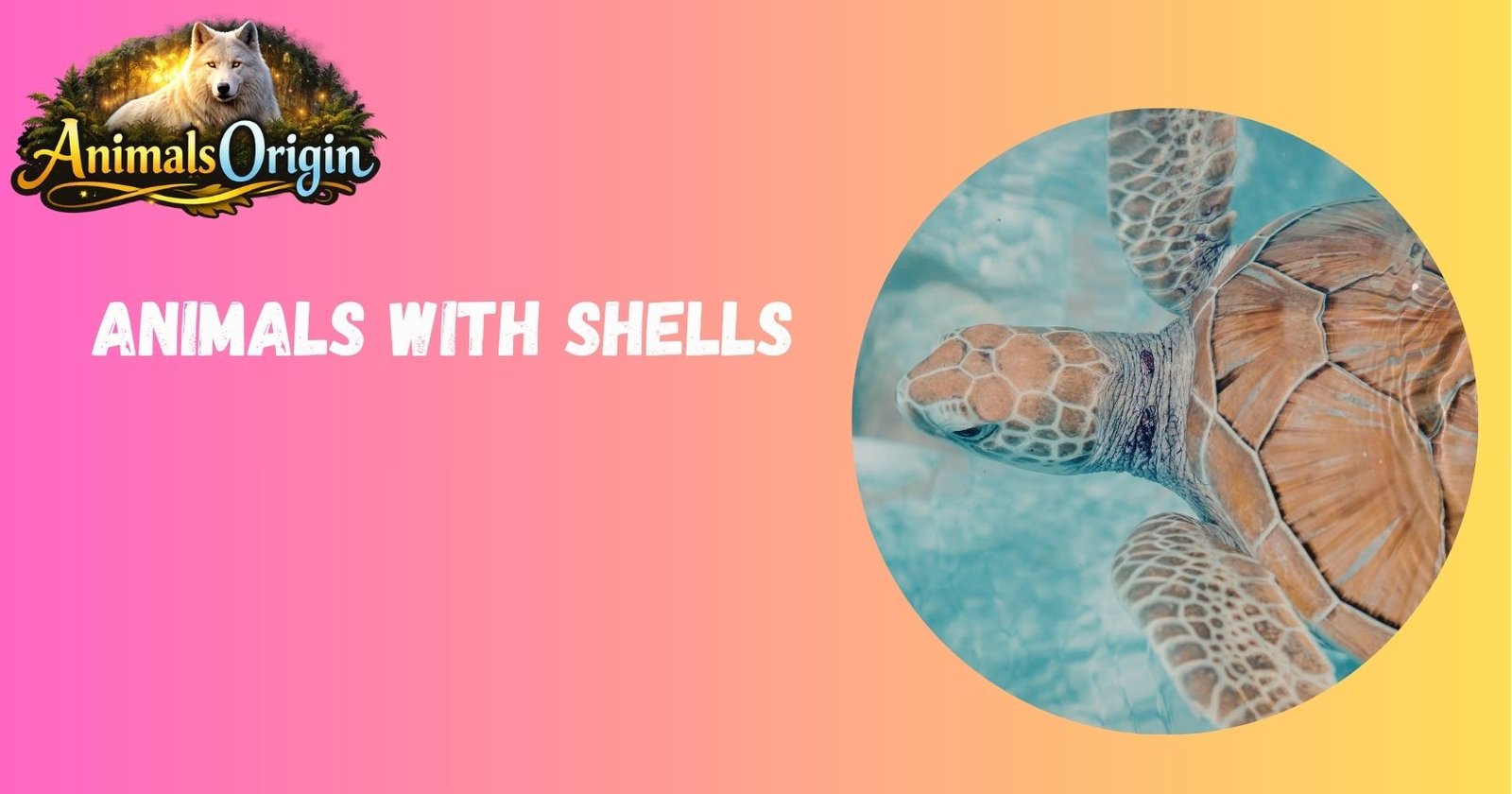
Turtles are reptiles famous for their hard, protective shells made of bone and keratin. Unlike many other animals, their shells are part of their skeleton. Turtles can retract their heads and limbs inside for protection.
They live in oceans, rivers, and on land, depending on the species. Sea turtles travel long distances across oceans, while land turtles move slowly but live for many decades. Their shells provide strong defense against predators, making them one of nature’s most durable creatures.
Crab
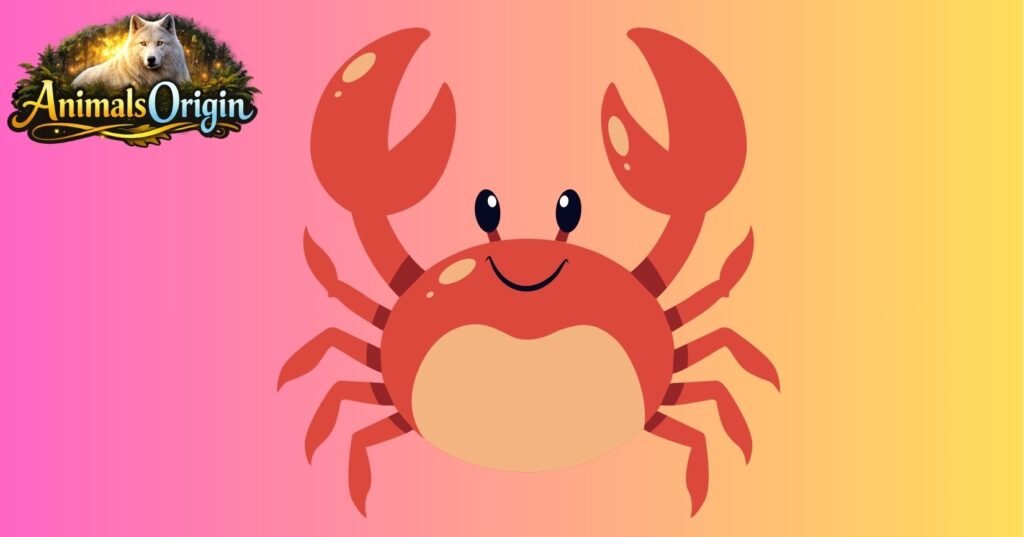
Crabs are crustaceans with hard exoskeletons that act like shells. This outer covering protects their soft bodies and helps them survive in oceans, rivers, and even on land. Crabs must shed their shells through molting to grow, which is a risky time for them. Their shells also provide camouflage and strength. With powerful claws and sideways movement, crabs are highly adaptable creatures that play a key role in marine ecosystems.
Hermit Crab
Unlike other crabs, hermit crabs do not produce their own shells. Instead, they use empty shells from snails to protect their soft abdomen. As they grow, they search for larger shells, often competing with other hermit crabs. This unique behavior makes them especially interesting among animals with shells. Their survival depends on finding suitable shells, and they are often seen carrying their portable homes along beaches.
Calm
Clams are bivalve mollusks with two hinged shells. They live buried in sand or mud in oceans and freshwater environments. Their shells open and close to filter food particles from the water. Clams are known for their ability to produce pearls, although this is rare. Their shells provide excellent protection against predators, and they play a vital role in filtering and cleaning water ecosystems.
Oyster
Oysters are another type of bivalve with rough, irregular shells. They are famous for producing pearls and are commonly found attached to rocks in salty waters. Oysters filter large amounts of water daily, helping to maintain clean marine environments. Their shells are incredibly strong and protect them from predators and environmental changes.
Mussel
Mussels have smooth, elongated shells and often live in large colonies attached to rocks or surfaces. They use strong threads called byssal threads to anchor themselves. Like clams and oysters, mussels filter feed, making them essential for water purification. Their shells are sleek and dark, helping them blend into their surroundings.
Scallop
Scallops are marine mollusks known for their fan-shaped, ridged shells and unique ability to swim. Unlike most shellfish, scallops can move by rapidly opening and closing their shells, propelling themselves through the water to escape predators.
They have tiny blue eyes along the edge of their shells, helping them detect light and movement. Scallops usually live on sandy ocean floors and feed by filtering plankton from the water. Their shells not only provide protection but also help them survive in constantly changing marine environments.
Lobster
Lobsters have hard exoskeletons that act as protective shells. These shells must be shed as the lobster grows, a process known as molting. During this time, lobsters are vulnerable until their new shell hardens. Their shells protect their bodies and support their powerful claws, which they use for defense and capturing prey.
Armadillo
Armadillos are land mammals with shell-like armor made of bony plates. This protective covering helps shield them from predators. Some species can roll into a ball, using their armor as a shield. Unlike true shells, their armor is flexible, allowing movement. Armadillos are found mainly in America and are known for digging burrows.
Read More: Animals Similar to Raccoons: 12 Clever and Curious Creatures That Share Their Traits
Nautilus
The nautilus is a unique marine animal known for its beautiful spiral shell divided into multiple chambers. It controls its buoyancy by filling these chambers with gas or liquid, allowing it to rise and fall in the ocean.
Found in deep Indo-Pacific waters, the nautilus is often called a “living fossil” because it has remained largely unchanged for millions of years. Unlike octopuses and squids, it has an external shell for protection. It uses many small tentacles to capture prey and navigate its environment slowly but effectively.
Barnacle
Barnacles are small marine crustaceans that live inside hard, shell-like plates attached to surfaces such as rocks, ships, and even whales. Once they settle in a spot, they remain there for life. Their tough shells protect them from predators and crashing waves.
Barnacles feed by extending feathery appendages called cirri to capture tiny food particles from the water. Although they may look simple, they are highly adapted to survive in harsh coastal environments where tides constantly change.
Sea Urchin
Sea urchins are small, spiny marine animals found on ocean floors around the world. They have a hard internal shell called a “test,” which is covered with sharp, movable spines that protect them from predators and help them move slowly across surfaces.
Sea urchins feed mainly on algae, playing a vital role in maintaining healthy marine ecosystems. Some species have venomous spines that can cause pain if touched. Despite their simple appearance, they have a complex mouth structure known as “Aristotle’s lantern,” which is used to scrape food from rocks and other surfaces.
Final Words
Animals with shells are incredibly diverse, ranging from tiny snails to large turtles. Their shells serve as protection, support, and even a means of survival in challenging environments. Whether it’s a crab molting its exoskeleton or a hermit crab searching for a new home, these creatures showcase nature’s creativity and adaptability.
Understanding these animals helps us appreciate the balance of ecosystems and the importance of protecting these unique species. Shell-bearing animals remind us that sometimes, carrying your home on your back is the best defense in the wild.
Animals With Shells FAQs
Why Do Animals Have Shells?
Animals have shells primarily for protection against predators and environmental conditions. Shells also help support their bodies and, in some cases, prevent water loss.
Do All Shell Animals Grow Their Shells?
Most animals, like snails and turtles, grow their shells as they grow. Hermit crabs do not produce their own shells and instead use discarded shells from other animals.