20+ Cute Shy Animals You’re Not Likely to Find
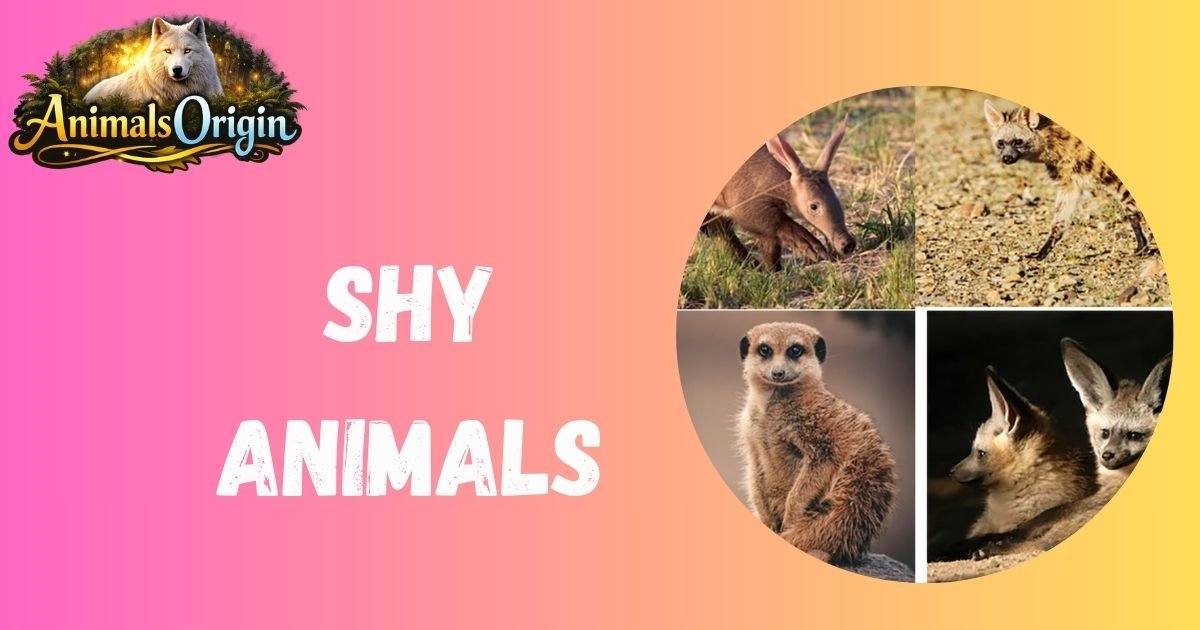
Many animals in the wild are bold and curious, but some prefer to stay hidden from the spotlight. These cute, shy animals are rarely seen because they avoid humans and live in remote forests, deep oceans, or quiet mountains. Their timid nature helps them survive by staying away from predators and danger.
From soft-eyed forest dwellers to small nocturnal creatures, these animals may look adorable, yet they are masters of staying out of sight. In this article, we’ll explore 20+ cute shy animals you won’t find, and discover what makes them both charming and elusive.
List Of 20+ Cute Shy Animals
Some of the cutest creatures on Earth are also the most shy and rarely seen. They prefer deep forests, hidden burrows, or quiet mountain ranges far from humans. Their timid nature helps them stay safe from predators and danger. Here are 20+ cute shy animals given below:
- Pika
- Slow Loris
- Fennec Fox
- Red Panda
- Pangolin
- Okapi
- Quokka
- Tarsier
- Jerboa
- Arctic Hare
- Tree Kangaroo
- Mouse Deer (Chevrotain)
- Aye-Aye
- Sand Cat
- Bush Baby
- Himalayan Marmot
- Clouded Leopard
- Dik-Dik
- Saiga Antelope
- Sunda Colugo
- Leaf-Tailed Gecko
- Japanese Dormouse
Tree Kangaroo
The tree kangaroo is one of the most unique and shy animals found in the rainforests of Australia and New Guinea. Unlike ground kangaroos, it lives high in the trees and moves carefully among branches. Its thick fur and long tail help it stay balanced and warm in cooler mountain forests. Tree kangaroos are rarely seen because they avoid humans and prefer quiet, dense habitats. Their gentle nature and big eyes make them look incredibly cute and calm.
Red Panda
The red panda is a small, shy mammal native to the Himalayan forests and parts of China and Nepal. With its fluffy red-brown fur, bushy striped tail, and bright eyes, it looks incredibly adorable.
Red pandas spend most of their time in trees, where they sleep, eat bamboo, and stay safe from predators. They are quiet and solitary animals, usually active at night. Because of habitat loss and their timid nature, spotting a red panda in the wild is extremely rare.
Mouse Deer
The mouse deer, also known as the chevrotain, is one of the smallest hoofed animals in the world. Found in the forests of Asia and Africa, this tiny, shy creature looks like a mix between a deer and a mouse.
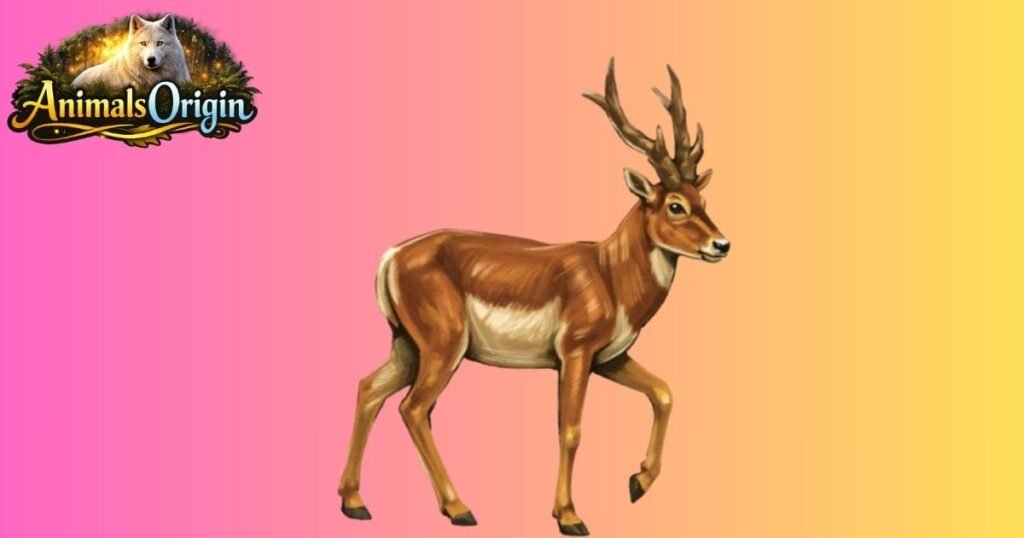
It has thin legs, a small body, and large, alert eyes. Mouse deer are very secretive and mostly active at night, hiding in dense vegetation during the day. Their timid behavior makes them extremely difficult to spot in the wild.
Japanese Dormouse
The Japanese dormouse is a tiny, shy rodent found only in the forests of Japan. With its soft fur, large, round eyes, and bushy tail, it looks incredibly cute and gentle. This small animal spends most of its time in trees, where it builds nests and searches for fruits, insects, and seeds. It is mainly active at night and avoids human contact. Because of its quiet nature and tree-dwelling lifestyle, the Japanese dormouse is rarely seen in the wild.
Himalayan Marmot
The Himalayan marmot is a large, shy rodent found in the high-altitude regions of the Himalayas. With its thick golden-brown fur and round body, it looks both fluffy and adorable. These marmots live in burrows across grassy mountain plains, where they stay alert for predators.
Although they may whistle loudly to warn others of danger, they quickly retreat underground when humans approach. Their remote habitat and cautious nature make the Himalayan marmot difficult to encounter in the wild.
Clouded Leopard
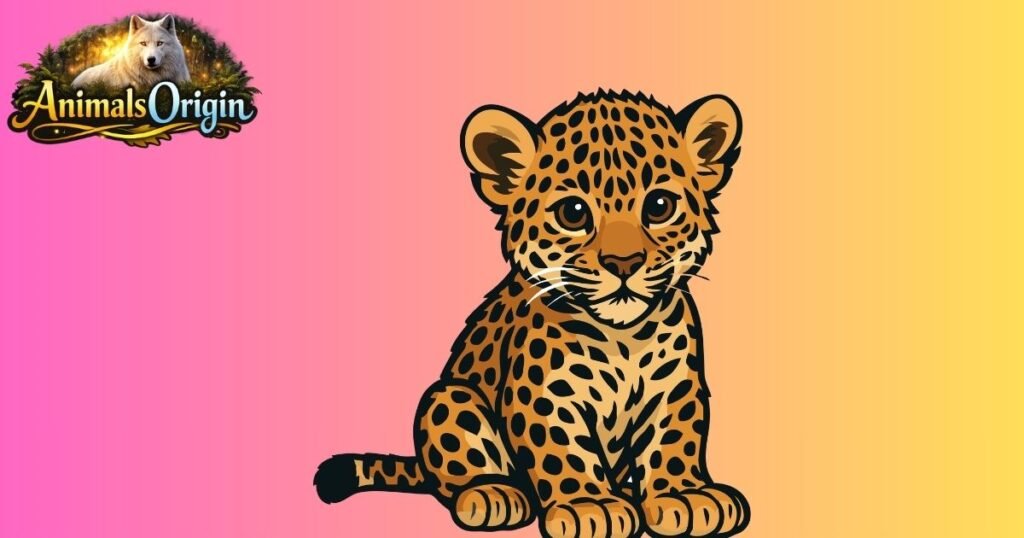
It is named for the cloud-like patterns on its fur, which help it blend perfectly into the trees. With strong limbs and a long tail, it is an excellent climber and spends much of its time high above the ground. This secretive animal is mostly active at night and avoids humans, making sightings of the beautiful clouded leopard extremely uncommon.
Sunda Colugo
The Sunda colugo, also known as the flying lemur, is a shy, tree-dwelling mammal found in Southeast Asia. Although it cannot truly fly, it has a large skin membrane that allows it to glide long distances between trees. Its big eyes and soft fur give it a gentle, adorable appearance. The Sunda colugo is nocturnal and spends most of its life high in the forest canopy. Because it avoids humans and stays in dense forests, it is rarely seen in the wild.
Saiga Antelope
The saiga antelope is a shy and unusual-looking animal found in the grasslands of Central Asia. It is best known for its large, flexible nose, which helps filter dust in summer and warm cold air in winter. With its light brown coat and gentle eyes, the saiga has a unique charm. These antelopes are very cautious and quickly run away when disturbed. Due to habitat loss and hunting, the saiga antelope has become rare and difficult to spot in the wild.
Arctic Hare
The Arctic hare is a hardy, shy animal that thrives in the cold, snowy regions of the Arctic. Its thick white fur keeps it warm and camouflaged against the snow, making it almost invisible to predators.
Arctic hares are fast and cautious, often staying in groups but keeping their distance from humans. They feed on mosses, lichens, and other tundra plants. Their timid nature and remote habitat make encounters with these adorable, fluffy creatures very rare.
Sand Cat
The sand cat is a small, shy feline that lives in some of the world’s harshest deserts, including the Sahara and Arabian deserts. With its sandy-colored fur, large ears, and tiny size, it blends perfectly into its arid surroundings. Sand cats are nocturnal hunters, feeding on rodents, insects, and small reptiles, and they avoid humans at all costs. Their secretive nature and remote desert habitat make them extremely rare to spot, adding to their mysterious and adorable charm.
Bush Baby
The bush baby, also known as a galago, is a tiny, shy primate native to African forests and savannas. With its large, round eyes, soft fur, and long tail, it looks incredibly cute and alert. Bush babies are nocturnal, leaping between trees with remarkable agility to find insects, fruits, and small animals. They are very cautious around humans, making sightings rare. Their shy and secretive behavior, combined with their adorable appearance, makes bush babies one of the most fascinating little forest creatures.
Leaf-Tailed Gecko
The leaf-tailed gecko is a fascinating, skinny and shy reptile found in the forests of Madagascar and nearby islands. Its remarkable camouflage makes it look just like a dead leaf, helping it hide from predators and humans alike. With wide, expressive eyes and a flat, leaf-shaped tail, it is both adorable and mysterious. Leaf-tailed geckos are mostly nocturnal, hunting insects at night while staying perfectly still during the day. Their secretive nature makes them extremely difficult to spot in the wild.
Final Words
Shy animals captivate us with their delicate charm and secretive lifestyles. From tree-dwelling marsupials like the tree kangaroo to elusive forest dwellers like the red panda and Japanese dormouse, their timid nature keeps them hidden from human eyes. Many rely on camouflage, nocturnal habits, or remote habitats to stay safe from predators.
While their cuteness draws attention, their cautious behavior reminds us of the importance of respecting wildlife and preserving natural habitats. Observing these animals, even from a distance, offers a rare glimpse into the quiet, fascinating world of creatures that thrive in secrecy.
FAQs
What Are Introverted Animals?
Introverted animals are species that prefer solitude or small, quiet groups rather than large social gatherings. They often avoid human contact and stay hidden to stay safe from predators. Their shy, reserved behavior helps them survive in the wild while maintaining low visibility.
What is a Shy Animals Chart Used For?
A shy animals chart is used to organize and display information about timid or elusive animals, showing their habitats, behaviors, and unique traits, making it easier to study or identify them.
Which Animals That Are Shy at First?
Some animals, like red pandas, slow lorises, and quokkas, are shy at first but may become curious once they feel safe. Their initial caution helps them avoid danger in the wild.