

Animals With Whiskers: 10 Fascinating Creatures That Use Whiskers to Explore the World
Animals with whiskers are some of the most interesting creatures in the animal kingdom. These specialized hairs, also known as vibrissae, help animals sense their surroundings, detect movement, and navigate in the dark. Unlike regular fur, whiskers are deeply connected to nerves, making them extremely sensitive to touch and vibrations.
Many mammals rely on whiskers to hunt, avoid obstacles, and communicate. From small rodents to large marine animals, whiskers play an important role in survival. In this guide, we will explore animals with whiskers, how they use them, and why these unique sensory tools are so important in the wild.
Which Animals Have Whiskers and Why Do They Need Them?
Animals with whiskers showcase a fascinating adaptation that transcends simple appearance. While many associate whiskers primarily with cats and dogs, species including rodents and marine animals like seals rely on these sensory hairs. Whiskers, or vibrissae, are deeply embedded in the skin and are rich in nerve endings, enabling them to detect environmental changes. This heightened sensitivity helps them navigate through dark or murky conditions, making them adept hunters or foragers.
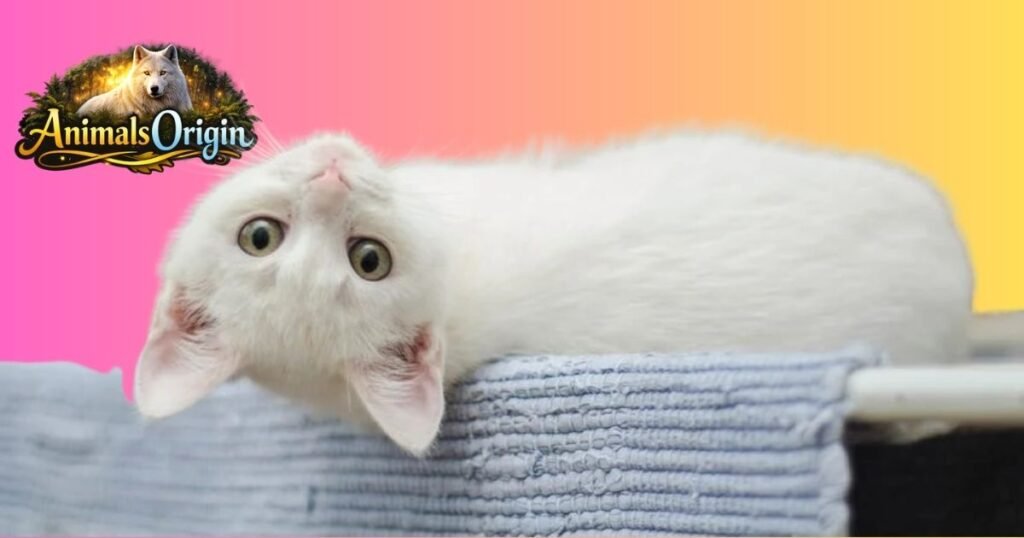
In the wild, animals with whiskers use these tactile hairs to gauge their surroundings, distances, and sense vibrations. For instance, a rat may navigate through tight spaces and get stuck, while a cat can detect subtle movements around it, whether prey or predator.
List of Animals With Whiskers
Below is the list of animals with whiskers.
- Cat
- Dog
- Rat
- Mouse
- Seal
- Walrus
- Otter
- Raccoon
- Fox
- Tiger
- Lion
Cat
Cats are one of the most well-known animals with whiskers. Their long whiskers help them sense nearby objects and measure whether they can fit through tight spaces. Each whisker is connected to sensitive nerves that detect tiny changes in air movement. This allows cats to hunt effectively, especially in low light.
Whiskers also help cats maintain balance and coordination while jumping or climbing. When a cat feels threatened or curious, its whiskers move forward to gather more information. Domestic cats and wild cats both rely heavily on whiskers to understand their environment and move confidently in the dark.
Dog
Dogs also have whiskers, although they may not be as noticeable as those of cats. These whiskers grow around the muzzle, above the eyes, and on the chin. They act as sensitive touch receptors that help dogs detect nearby objects.

When something comes close to their face, the whiskers send signals to the brain. This helps dogs react quickly and protect their eyes and nose. Whiskers are especially helpful for dogs when exploring new environments. They assist in sensing vibrations and subtle changes in air currents, making them valuable tools for navigation and awareness.
Read More: Pointy Animals: 15+ Fascinating Creatures with Sharp Features in the Wild
Rat
Rats rely heavily on their whiskers to move around safely, especially in dark places. Their whiskers are constantly moving back and forth in a motion called “whisking.” This helps them feel surfaces, detect obstacles, and understand the size of spaces around them. Because rats are mostly active at night, their whiskers act almost like a sensory radar.
They can determine textures, shapes, and distances using these sensitive hairs. Rats even use whiskers to communicate with other rats through touch. Without whiskers, it would be much harder for them to survive in their natural habitats.
Mouse
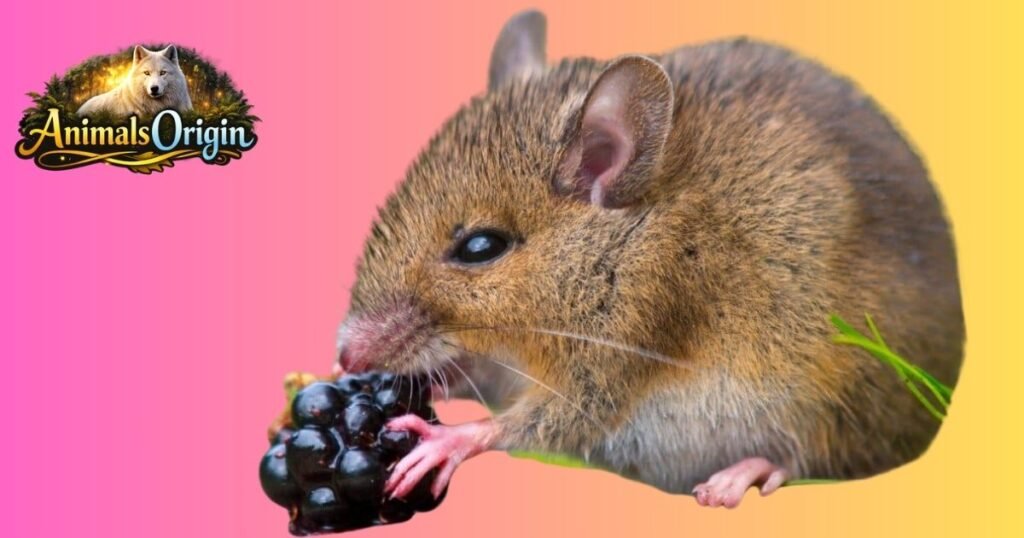
Mice also depend on whiskers to explore their surroundings. Their whiskers are extremely flexible and sensitive, allowing them to detect the slightest touch. When moving through narrow tunnels or dark areas, mice use whiskers to feel the walls and guide their path.
These whiskers help them avoid danger and find food quickly. Scientists often study mice’s whiskers because they provide insight into how mammals process touch and sensory information. For such small animals, whiskers play a huge role in helping them navigate safely.
Seal
Seals have some of the most impressive whiskers in the animal kingdom. Their whiskers can detect tiny vibrations in water created by swimming fish. This allows seals to track prey even when visibility is poor. Each whisker is highly sensitive and can pick up subtle water movements from several meters away. This ability makes seals excellent hunters underwater.
Their whiskers are specially shaped to reduce interference from water currents, allowing them to focus on important signals. For seals, whiskers are a powerful tool that helps them survive in the ocean.
Walrus
Walruses are large marine mammals with thick, stiff whiskers on their snouts. These whiskers help them find food on the ocean floor. Walruses often search through mud and sand for clams and other shellfish.
Their whiskers act like sensitive detectors that feel the shape and movement of prey. A walrus can have hundreds of whiskers, forming a dense, bristle-like structure called a mystacial pad. These whiskers allow the walrus to feed efficiently even in murky waters where visibility is limited.
Otter
Otters use whiskers to detect movement in water while hunting. Their whiskers help them locate fish, crabs, and other prey, even in cloudy or dark water. When a fish swims nearby, it creates small waves that otter whiskers can sense instantly.
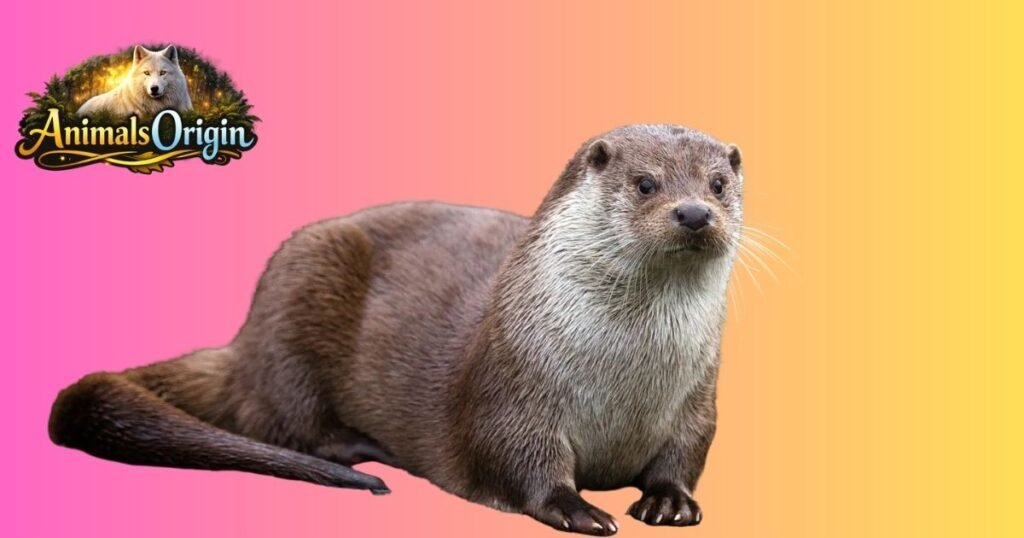
This gives the otter a strong advantage when hunting. Whiskers also help otters navigate underwater environments and avoid obstacles. Because otters spend much of their time in water, whiskers are essential sensory tools that help them survive and thrive.
Raccoon
Raccoons have whiskers on their faces that help them explore their surroundings, especially at night. Since raccoons are nocturnal animals, they rely on their whiskers and sense of touch to find food and avoid danger.
The whiskers help them detect nearby objects and movements. Combined with their sensitive paws, raccoons are excellent at locating food in dark environments. Whiskers also help them judge distances and understand the shape of objects they encounter.
Fox
Foxes use whiskers to move easily through dense forests and narrow spaces. These whiskers help them detect obstacles while hunting small animals like mice and rabbits. Since foxes are often active during dawn and dusk, whiskers provide important sensory information when visibility is low. The whiskers around the fox’s muzzle help it judge distances when catching prey. They also help the fox avoid injuries while moving quickly through bushes or underground dens.
Tiger
Tigers are powerful predators that rely on whiskers for hunting and navigation. Their whiskers help them sense the position and movement of prey during close encounters. When a tiger attacks, its whiskers can detect subtle movements that help it maintain control over its target.
Whiskers also help tigers move quietly through dense vegetation without bumping into obstacles. Like other big cats, tigers’ whiskers are extremely sensitive and play an important role in their hunting success.
Lion
Lions have prominent whiskers that help them navigate and hunt, especially at night. Each whisker is rooted deeply in the skin and connected to nerves. Lions use whiskers to detect the movement of prey when attacking at close range. The whiskers also help them determine whether their head and body can pass through tight spaces. For such large animals, whiskers still play a crucial role in sensory awareness and survival.
Final Words
Animals with whiskers rely on these specialized hairs as powerful sensory tools that help them understand their surroundings. Whiskers are extremely sensitive and can detect tiny movements, vibrations, and nearby objects. Many animals use them to navigate in darkness, hunt prey, and avoid obstacles.
From small rodents like mice and hamsters to large marine animals such as seals and walruses, whiskers play an essential role in survival. These unique hairs are connected to nerves, making them far more sensitive than ordinary fur. Whiskers help animals move confidently, find food, and stay safe in their natural habitats. Understanding animals with whiskers highlights nature’s amazing adaptations.
FAQs
Which Animals have Whiskers?
Many mammals have whiskers, including cats, dogs, rats, mice, foxes, seals, walruses, and otters. These whiskers help them sense their surroundings and detect nearby movement.
Why do Animals Need Whiskers?
Animals use whiskers to navigate in dark environments, detect obstacles, sense vibrations, and locate prey. They act like natural sensors that help animals survive and move safely.





One Comment