White Animals: Discover the Most Fascinating White Creatures
You might not be aware that white animals can hide well in the snow, which makes them very hard to find. Join us as we learn about the lives of animals and why their white fur is so special.
We are going to look at animals in this article, like big polar bears and little albino frogs. Learning about these animals is really cool. It helps us understand why we need to protect them. White animals are very interesting. We can learn a lot from them. We will look at animals, such as polar bears and albino frogs, and see what makes them unique.
What Makes Some Animals White in Color?
White animals really catch our eye, making us think of purity and beauty. Why do some species have white fur or feathers? One cool reason is that it helps them survive in their homes.In places with lots of snow and ice, animals like the Arctic fox and the snowshoe hare turn white to hide from predators and sneak up on food.
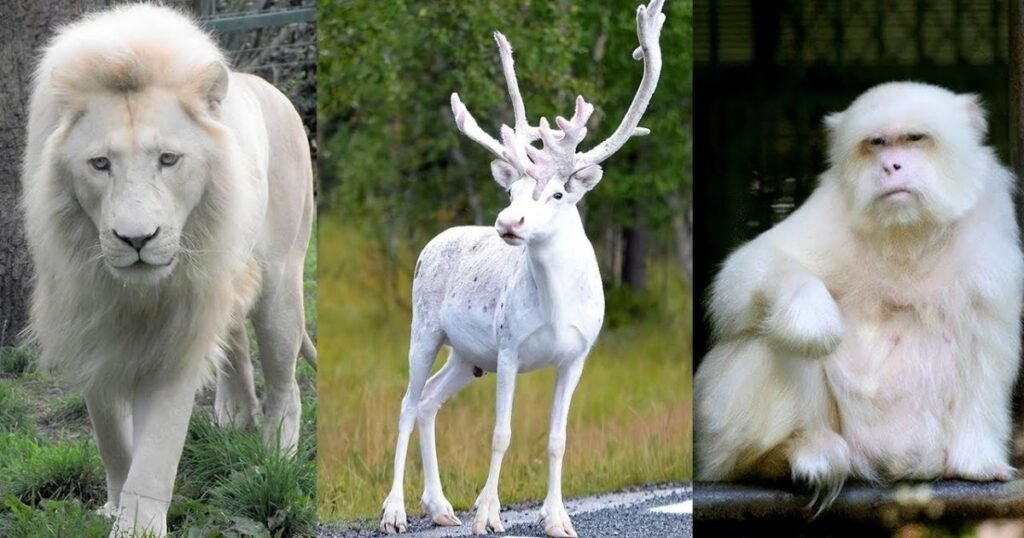
This helps them stay alive. Shows how amazingly nature adjusts its creatures to their homes. The white color helps them blend in, which is really helpful for survival. It is pretty to see how white animals fit well into their snowy surroundings.
Top 5 White Animals Found in Different Parts of the World
Below is the list of white animals
- Polar Bear
- Beluga Whale
- Arctic Fox
- White Tiger
- Spirit Bear
Polar Bear
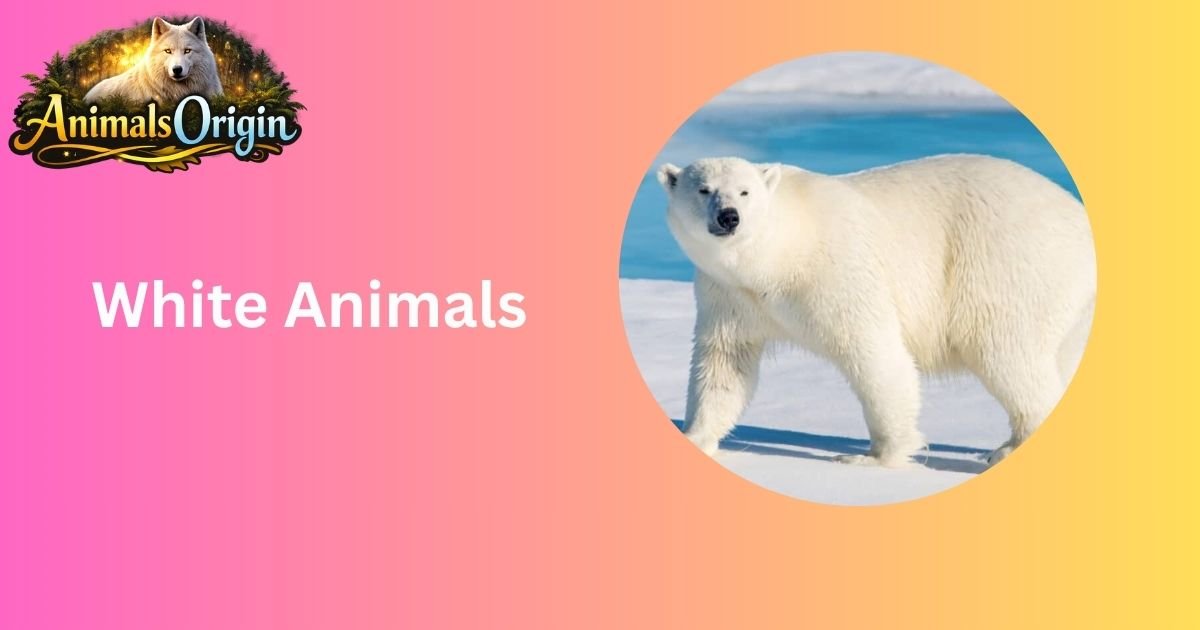
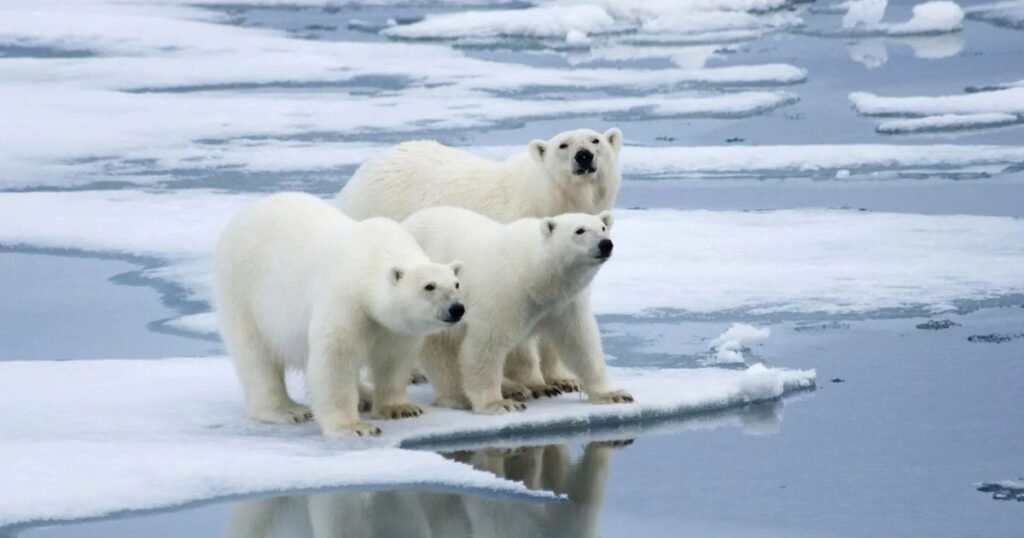
As the largest land carnivore, the polar bear’s striking white coat provides impeccable camouflage against the Arctic ice. This impressive creature not only thrives in icy landscapes but also has a profound role in indigenous cultures, symbolizing strength and resilience. Unfortunately, as climate change threatens their habitat, understanding their plight is more critical than ever.
Beluga Whale
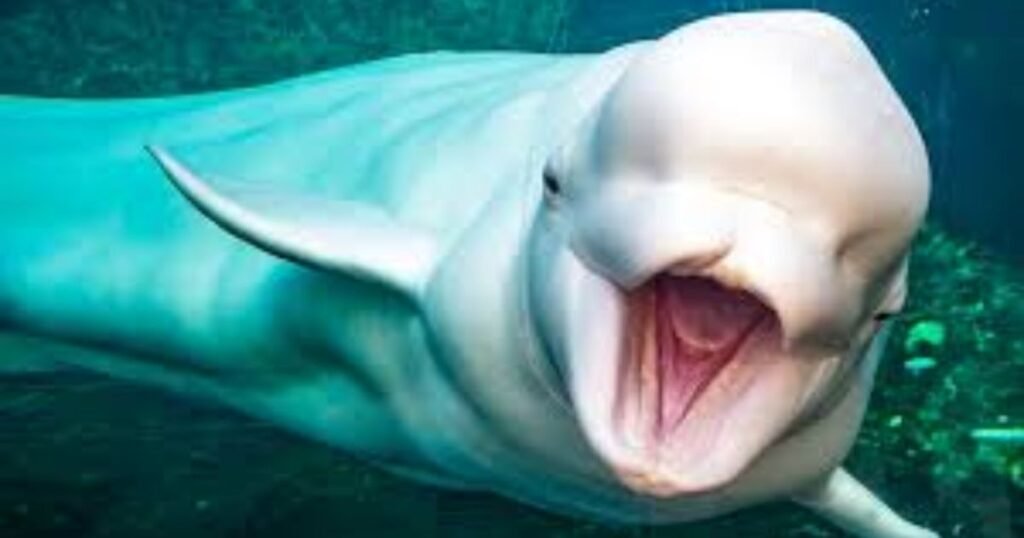
Known as the “canaries of the sea,” beluga whales are easily identifiable by their white skin. Found in the icy waters of the Arctic, these social mammals communicate through an array of melodic sounds. Their habitat plays a vital role not just for the whales themselves, but also for the various ecosystems they inhabit.
Arctic Fox
The Arctic fox is a master of adaptation, sporting a vibrant white fur coat in winter that helps it blend with the snowy terrain. These diminutive predators are not only captivating but also serve as indicators of environmental health in their frigid ecosystems. Their unique seasonal changing abilities make them a remarkable study in resilience.
White Tiger
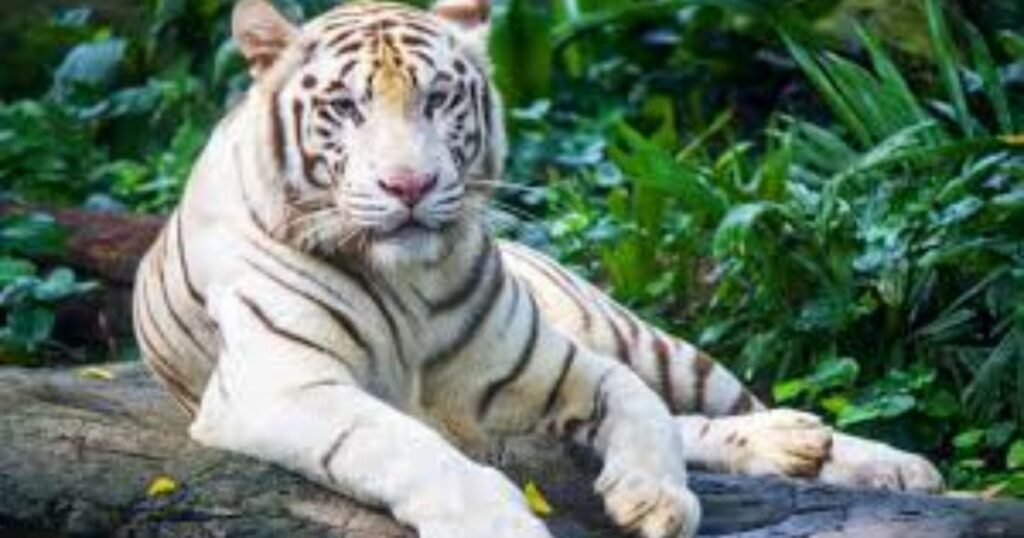
The majestic white tiger, a rare color variant of the Bengal tiger, captivates with its striking appearance and ice-blue eyes. Originating from genetic mutations, these elusive animals evoke fascination and concern over conservation efforts. As they become icons of wildlife protection, their inherent beauty highlights the importance of biodiversity.
Spirit Bear
Unique to the coastal rainforests of British Columbia, the spirit bear, also known as the Kermode bear, has a striking white coat that contributes to its mythical status among local tribes. This rare bear represents not just a beautiful species but also the intricate ties between culture and wildlife. Conservation efforts for the spirit bear help protect its dwindling habitat, emphasizing the need for sustainable coexistence.
Rare White Animals With Unique Features
The white tiger is really something; it has blue eyes and a one-of-a-kind coat.They catch our attention because they are so rare. The white tiger is different from the orange tiger. These white tigers are not what you call albino. They are white because of something that happened with their genes.
This thing that happened with their genes makes their fur a nice creamy color. The white tiger looks really amazing because of this. It is not good for them in the wild. They are in danger. So we need to make sure the white tiger is protected. The white tiger needs our help to stay safe.
Read more: https://animalsorigin.com/scary-animals/Scary Animals: The Fascinating Science Behind Our Biggest Fears
How White Animals Survive in the Wild
White animals in the wild often evoke images of pristine landscapes, but their survival depends on so much more than just their striking appearance. One of the key advantages of their color is camouflage, particularly in snowy environments.
Polar bears and Arctic foxes thrive in these icy habitats, where their white fur allows them to blend seamlessly into the landscape, providing a stealthy advantage when hunting or hiding from danger. This adaptation isn’t merely for aesthetic appeal; it’s a crucial survival tactic.
.
Interesting Facts About White Animals You Didn’t Know
White animals are really beautiful. There is more to these animals than what we can see. The Arctic fox is an example. It also changes color with the seasons. In the winter, the Arctic fox is completely white it can hide in the snow. When summer comes, the Arctic fox turns brown. This helps it stay hidden from the animals that might hurt it and the animals it likes to eat.
The white elephant is another interesting animal. In cultures, the white elephant is a symbol of something very special. These big animals are not just white because of their color. They are also very important in the history and culture of countries. In some countries, when someone owns an elephant, they often have big parties to celebrate. So white animals, like the Arctic fox and the white elephant, are not just nice to look at. They also have interesting stories that connect nature and human culture in surprising ways. White animals are cool, and white animals have a lot of meaning.
Final Words
white animals are really amazing. They come in different kinds. They help us see how beautiful nature can be. They show us how animals can adapt to their homes. The polar bear is one example. It moves easily on ice.
The white peacock is another. It shows off its feathers. Each kind of animal helps its home in a way. This reminds us to take care of nature. Learning about these animals helps us understand how important it is to save them. We should take a moment to look at these animals. Maybe we can help protect them.
FAQs
What Animals are Naturally White?
Several animals are naturally white due to genetic adaptations, environmental camouflage, or seasonal changes. Some of the most well-known examples include the Arctic fox, snowy owl, and polar bear. These animals have evolved to be white primarily to blend in with their snowy habitats, helping them avoid predators and enhance hunting efficiency.
What are Cute White Animals?
Cute white animals come in various shapes and sizes, enchanting us with their fluffy fur and striking coloration. Some popular examples include the Arctic fox, with its soft, white coat that blends beautifully into snowy landscapes, and the polar bear, a giant yet adorable creature often seen playing on ice.