Animals Without Tails: Fascinating Creatures That Thrive Without a Tail
In the animal kingdom, tails are often seen as essential tools for balance, communication, and survival. From a cat’s graceful movements to a monkey’s agile climbing, tails play a crucial role in many species. Not all animals rely on this appendage. In fact, there are numerous animals that either naturally lack tails or have evolved with extremely reduced ones.
These tailless creatures have adapted in remarkable ways, proving that survival does not depend on having a tail. This article explores a wide range of animals without tails, their unique characteristics, habitats, and how they manage to thrive without what many consider an important body part.
What Does It Mean to Be Tailless?
Being tailless does not always mean the complete absence of a tail structure. In some cases, animals may have a vestigial tail, an extremely small or hidden remnant that is not externally visible. Others are completely without any tail at all.
These adaptations often result from evolutionary changes where a tail no longer provides a survival advantage. Over time, natural selection favors traits that improve efficiency, and in some species, losing the tail was beneficial.
Taillessness is more common than many people think. It appears across various animal groups, including mammals, amphibians, insects, and even some marine life. Each species has developed alternative ways to compensate for the functions a tail would typically serve.
List Of Animals Without Tails
- Apes
- Frogs and Toads
- Guinea Pigs
- Manx Cats
- Great Apes of the Ocean
- Snails and Slugs
- Crabs and Other Crustaceans
Apes: Our Closest Tailless Relatives
One of the most well-known groups of tailless animals is apes. This group includes gorillas, chimpanzees, orangutans, and humans. Unlike monkeys, which usually have tails, apes completely lack them.
Apes have evolved strong limbs and flexible joints that allow them to move efficiently through trees or on the ground. For example, chimpanzees use their arms for climbing and swinging, while gorillas rely on powerful limbs for knuckle-walking. The absence of a tail is compensated for by enhanced mobility and balance provided by their muscular bodies.
Humans, in particular, have developed upright posture and advanced motor skills, making a tail unnecessary. The coccyx, or tailbone, is a small remnant of what was once a functional tail in our ancestors.
Read More: Animals That Eat Honey: Amazing Facts About Honey Lovers
Frogs and Toads: Tailless Amphibians
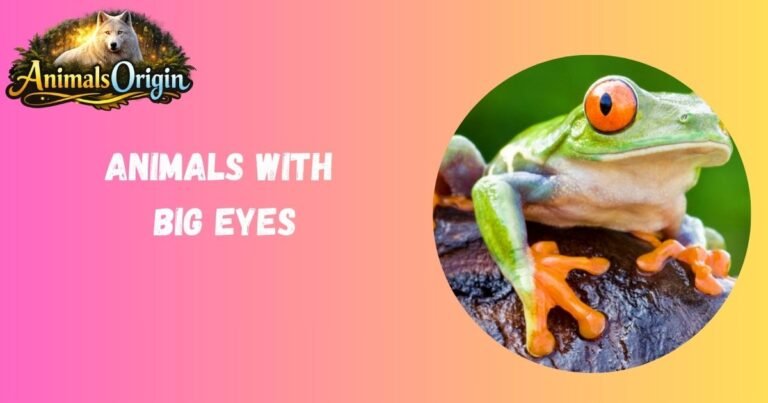
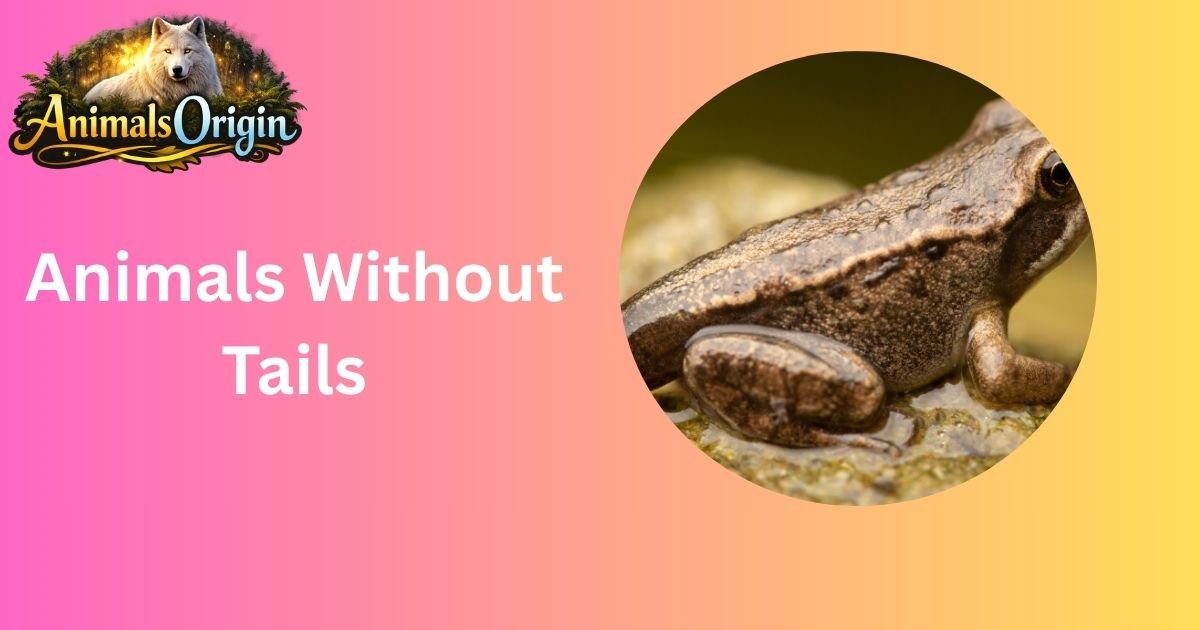
Frogs and toads are classic examples of tailless amphibians. Interestingly, they do have tails during their larval stage (as tadpoles), but they lose them as they mature into adults. This transformation is part of their metamorphosis.
As adult frogs and toads, they rely on powerful hind legs for movement. Instead of using a tail for swimming, they propel themselves through water using strong kicks. On land, these legs enable impressive jumping abilities, allowing them to escape predators quickly.
Their tailless form makes them more compact and efficient for both aquatic and terrestrial environments, demonstrating how losing a tail can actually enhance survival.
Guinea Pigs: Small and Tailless Rodents
Guinea pigs are popular pets known for their gentle nature and round bodies. One of their most noticeable features is the absence of a visible tail. Unlike many rodents, such as rats and squirrels, guinea pigs do not use a tail for balance or communication.
Instead, they rely on vocalizations and body language to interact with each other. Their sturdy bodies and short legs make them well-suited for life on the ground. In their natural habitat, guinea pigs depend on hiding and quick movements rather than climbing or balancing, reducing the need for a tail.
Manx Cats: Naturally Tailless Felines
The Manx cat is a unique breed of domestic cat known for its lack of a tail. Originating from the Isle of Man, this breed carries a genetic mutation that results in a shortened or completely absent tail.
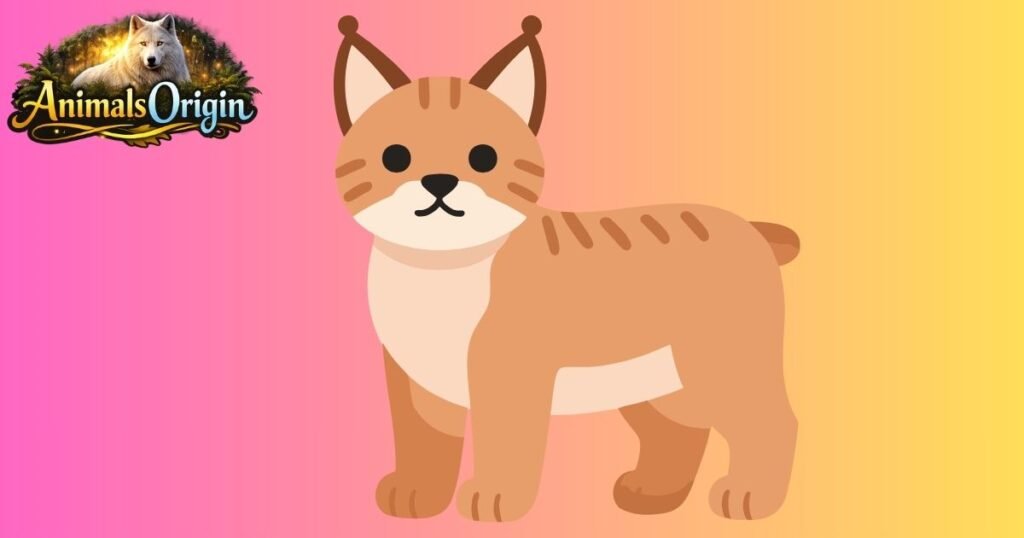
Despite this, Manx cats are agile and playful. They have strong hind legs that help them jump and move with ease. Their balance is maintained through body coordination rather than relying on a tail. This adaptation shows how even animals typically associated with tails can thrive without them.
Great Apes of the Ocean: Some Fish Without Tails
While most fish rely heavily on their tails for swimming, some species have evolved differently. Certain fish have reduced tail fins or use alternative methods of movement.
For example, pufferfish and boxfish rely more on their fins than their tails for propulsion. Their unique swimming style involves gentle movements of their fins, allowing them to navigate water efficiently without strong tail use. Though not completely tailless, their reduced reliance on tails highlights the diversity of adaptations in aquatic life.
Insects Without Tails
Many insects do not have tails in the traditional sense. While some may have tail-like appendages, a large number of insects function perfectly without them. Beetles, ants, and flies are examples of insects that lack tails entirely.
These creatures rely on wings, legs, and specialized body structures for movement and survival. Their small size and lightweight bodies make tails unnecessary. Instead, they have evolved features like strong exoskeletons and efficient sensory organs to interact with their environment.
Snails and Slugs: Soft-Bodied and Tailless
Snails and slugs are fascinating examples of animals without tails. Their bodies are elongated and soft, with no distinct tail structure. Movement is achieved through a muscular foot that glides along surfaces using mucus.
Despite their slow speed, these creatures have survived for millions of years. They rely on camouflage, protective shells (in snails), and nocturnal behavior to avoid predators. Their tailless design is perfectly suited to their lifestyle.
Crabs and Other Crustaceans
Crabs are another group of animals that appear tailless. Unlike lobsters, which have long, visible tails, crabs have a reduced abdomen tucked beneath their bodies. This gives them a compact shape that is ideal for moving sideways and hiding in tight spaces.
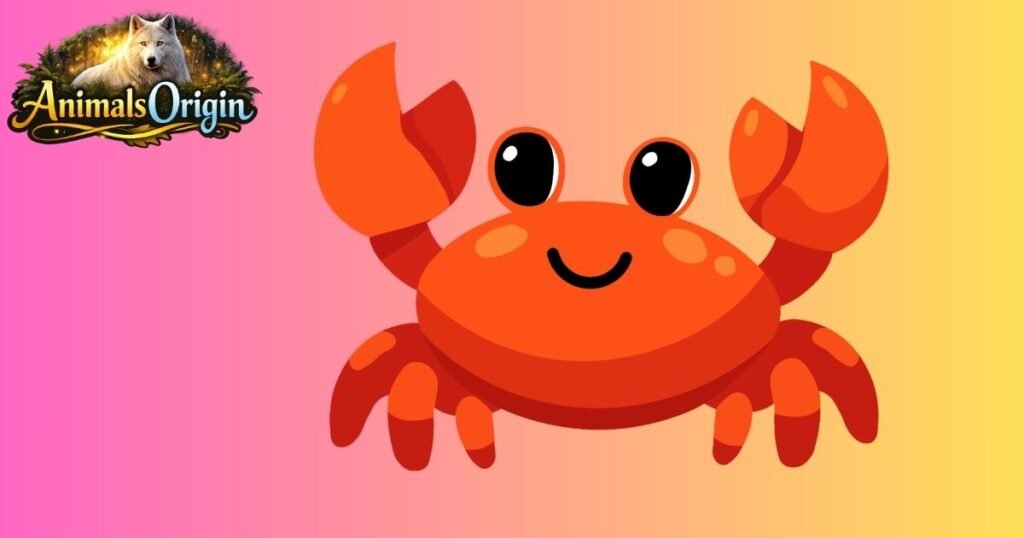
Their hard exoskeleton provides protection, while their claws are used for defense and feeding. The absence of a visible tail does not hinder their survival; instead, it enhances their ability to navigate complex environments like rocky shores and coral reefs.
Advantages of Being Tailless
Animals without tails often develop alternative adaptations that provide unique advantages. Some of these include:
- Improved balance through body structure
- Stronger limbs for movement
- Reduced risk of tail injury
- Greater efficiency in certain environments
- Enhanced agility or compactness
Challenges Faced by Tailless Animals
Tailless animals may face certain challenges. For instance, they may lack the ability to communicate through tail movements, which is common in many species. They might also need to rely more on other body parts for balance and coordination. Evolution has equipped these animals with the tools they need to overcome such challenges. Whether through stronger muscles, better sensory systems, or unique behaviors, tailless animals continue to thrive.
Final Words
Animals without tails are a testament to the adaptability and diversity of life on Earth. From apes and frogs to guinea pigs and crabs, these creatures have evolved in unique ways to thrive without a tail. Their existence challenges the idea that certain features are essential for survival, showing instead that nature is full of creative solutions.
By understanding these tailless animals, we gain a deeper appreciation for evolution and the many forms life can take. Whether through stronger limbs, specialized movements, or alternative survival strategies, these animals prove that living without a tail is not a limitation—it is simply another way to succeed in the natural world.
FAQs
Are Humans Considered Animals Without Tails?
Yes, humans are tailless animals. While we have a small tailbone called the coccyx, it is a vestigial structure and not a functional tail.
Do Tailless Animals Have Disadvantages Compared to Animals with Tails?
Not necessarily. While they may lack some functions provided by tails, tailless animals have evolved other adaptations that help them survive effectively in their environments.