

Alpine Animals: Unique Species of High-Altitude Habitats
Did you know that some animals do great in places where humans find it hard to breathe? Welcome to the world of Alpine Animals. These unique species live in places and have adapted in amazing ways. They do not just. Actually thrive in tough environments. This shows how strong nature can be.
We will look at how they adapt to the problems they face and why it’s important to understand these species to save their homes. This helps keep their ecosystems healthy.
What Are Alpine Animals? Understanding High-Altitude Wildlife
Alpine animals have found ways to live in the tough conditions that you find at high elevations. The temperature can change a lot, but these animals have special features that help them survive. The Alpine ibex is an example of this. It has curved horns that it uses to defend itself and to climb steep mountains. This is a cool thing to see.
The snow leopard has colors and patterns on its fur. These are not just pretty to look at; they also help the snow leopard hide from its enemies and sneak up on its food. The snow leopard is very good at hiding behind rocks. Other small animals that live in the mountains, the pika and the marmot, work together. Dig holes to stay warm and keep their babies safe. They all play a role in keeping the mountain environment. By learning about alpine animals, we can see how strong and smart they are. We can appreciate the beautiful relationships between all the living things in the mountains. Alpine animals are really good at surviving in the mountains, and they are very interesting to learn about.
Top 5 Alpine Animals Found in Mountain Regions
Below is the list of alpine animals
- Snow Leopard
- Mountain Goat
- Alpine Ibex
- Himalayan Tahr
- Marmot
Snow Leopard
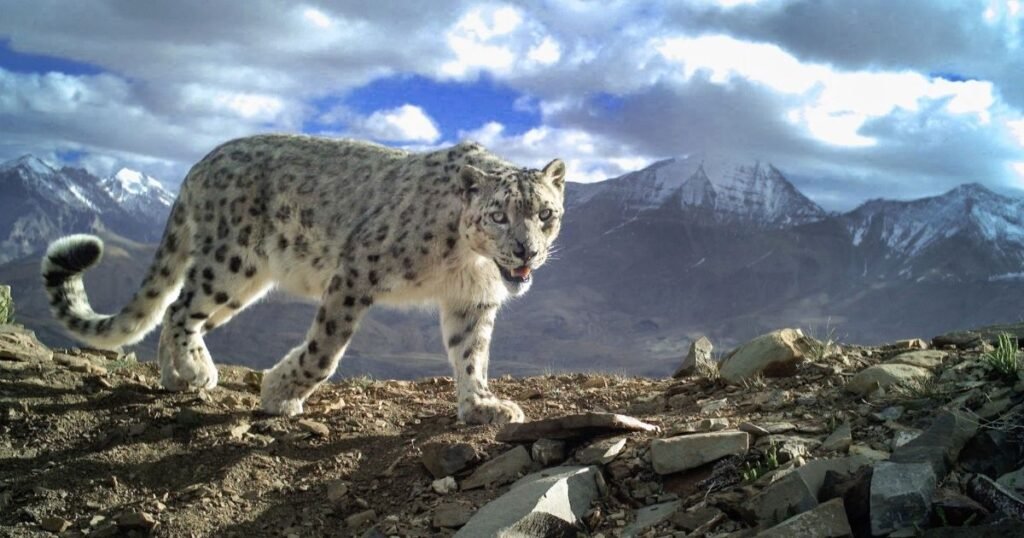
Beneath the stunning peaks of the Himalayas, the elusive snow leopard prowls. Adapted to life at high altitudes, this majestic feline sports a thick, spotted coat that camouflages perfectly against the rocky terrain. With its powerful build and keen eyesight, the snow leopard is a master of stealth, often preying on species like the Himalayan tahr. Observing this creature in its natural habitat is a rare privilege, as they prefer the most remote and rugged regions.
Mountain Goat
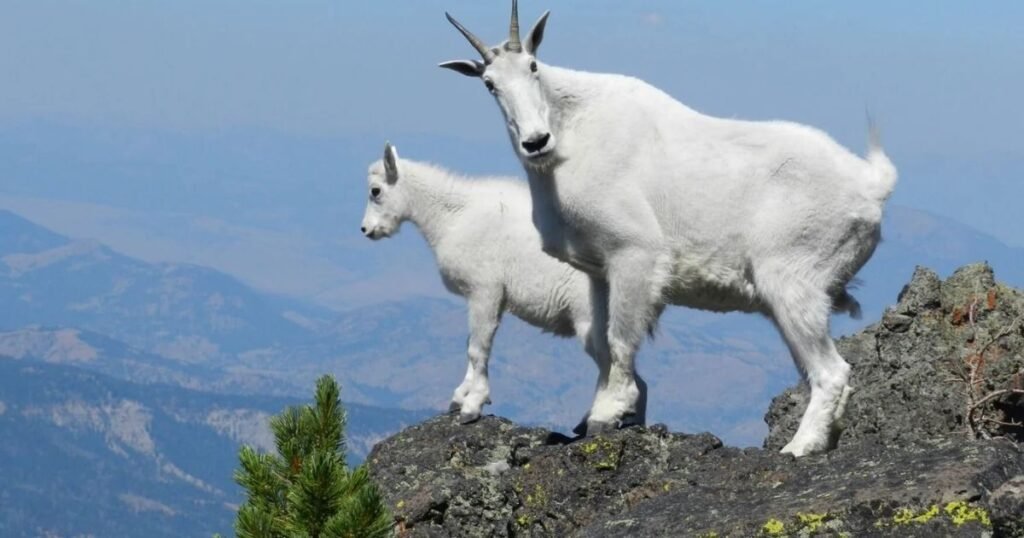
Exuding agility and grace, the mountain goat is a true climber of the alpine wilderness. Its specialized hooves allow it to navigate cliffs effortlessly, where few predators dare to follow. Beyond their impressive climbing skills, mountain goats are social animals, often seen in herds, fostering close bonds through playful interactions. They’re particularly famous for their stunning white coats, which help them blend into the snowy backdrop of their high-altitude habitats.
Alpine Ibex
Renowned for its impressive curved horns that can reach lengths of up to three feet, the alpine ibex embodies resilience in some of the harshest mountain environments. Found primarily in the European Alps, these agile climbers are skilled at scaling almost vertical rock faces, showcasing their extraordinary balance and strength. Their unique adaptations, such as thick fur in winter and sure-footedness on steep terrain, allow them to thrive where most animals would struggle.
Himalayan Tahr
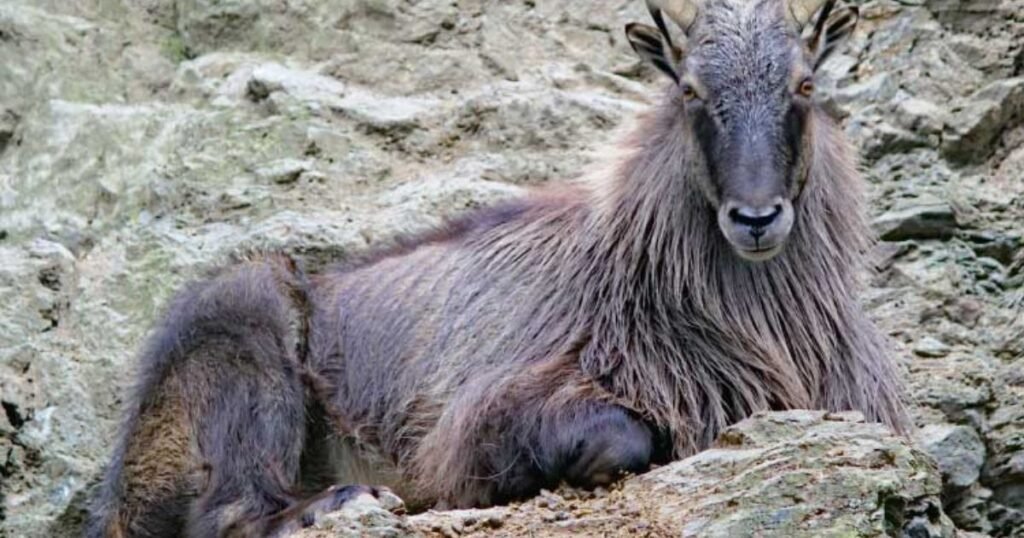
With its long, shaggy coat and distinctive curved horns, the Himalayan tahr is a sight to behold against the rugged Himalayan backdrop. These herbivores are not just visually striking; they play a crucial role in their ecosystem by grazing on grass and shrubs, which helps maintain the delicate balance of alpine flora. Their social structure, often seen in large groups, showcases a fascinating dynamic that enhances their survival in the challenging mountain conditions.
Marmot
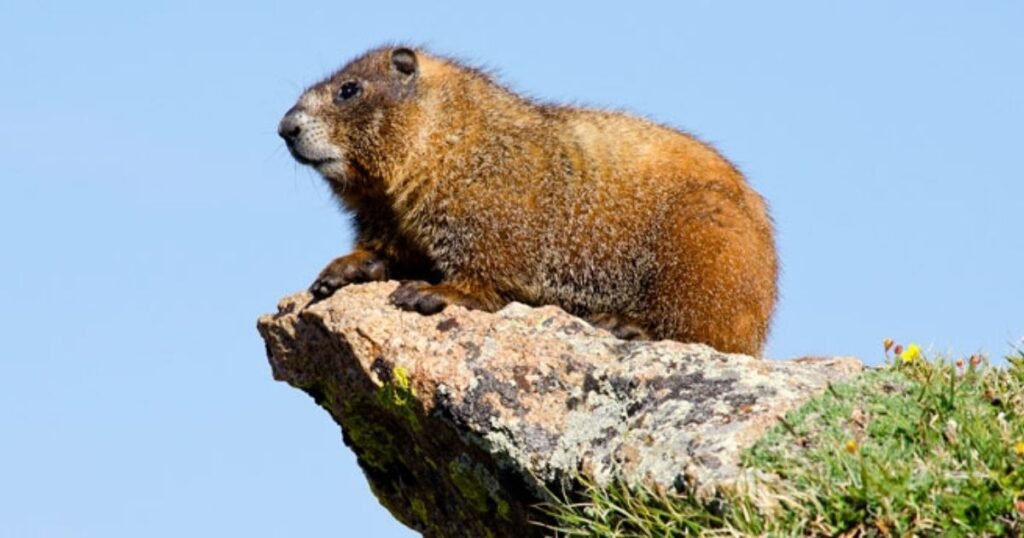
Often described as the charm of the alpine community, marmots are sociable creatures that thrive in high-altitude environments. Known for their whistle-like calls, these social animals create complex burrow systems that offer shelter from predators. Engaging to observe, marmots are notorious for their playful antics and interactions, making them a favorite among wildlife enthusiasts exploring mountainous terrains. Their behaviors reflect a sophisticated social network that highlights the intricate web of life in alpine ecosystems.
Unique Adaptations of Alpine Animals to Extreme Cold
Alpine animals have developed some cool ways to survive in very cold and rough places. The ibex is an example of this. It is very good at climbing up cliffs. These goats have hooves that are rough on the bottom, which helps them grip the ice and snow so they do not slip. Their fur is also special. It has a rough outer layer that keeps the water out and a thick inner layer that keeps them warm when it is very windy.
The snow leopards are also very good at living in the mountains. They have long fur that keeps them warm and big tails that they use to keep their bodies warm. These big cats have learned how to stay warm without getting too slow. They can see well and move very quietly, which helps them hunt in the deep snow. They have legs that let them jump very far over rough ground. All of these things that Alpine animals like the ibex and the snow leopard have helped them survive the cold and snow. They also show how well these animals have learned to live in their environments. Alpine animals like the ibex and the snow leopard are very good at surviving in the mountains.
Read more: Animals With Spots: Wild Species That Wear Nature’s Patterns
Threats Facing Alpine Animals and Their Survival Challenges
Alpine animals are really good at surviving these conditions. They have features that help them survive. Alpine animals are in trouble. Some things are hurting them, and it is getting worse. The biggest problem is climate change. The Earth is getting warmer. The weather is changing. This is destroying the homes of Alpine animals.
For example, the Alpine ibex needs plants to eat. These plants are disappearing because the seasons are getting warmer and the snow is not coming when it should. This means the Alpine ibex has food to eat. It also means they have to move to places to find food. This can be very stressful for them.
People are also hurting Alpine animals. When people go to the mountains to ski or hike, they can scare away animals like the snow leopard. This means the snow leopard has to go in places that are not very good for them. It is hard for them to survive. We need to help Alpine animals. We need to make sure we are not hurting them. We need to find ways to live with them without hurting their homes. If we do not help them, they might disappear. We have to do something to save Alpine animals. The future of Alpine animals is at risk. We have to act before it is too late.
Conservation Efforts to Protect Alpine Wildlife
The mountains and valleys are really beautiful. Conservation is very important to protect the animals that live in these mountains and valleys. These animals have homes in places with their own systems. You can find animals like the chamois and the snow leopard in these places. Because of climate change, people who care about the environment are trying things. They are using new technology together.
For example, people are using drones to monitor animals and see how their homes are changing. This way, they do not bother the animals.
Also, the people who live near these mountains and valleys are helping a lot. They are sharing what they know and using ways that do not hurt the environment. This helps when there are tourists and new buildings. When people work together on projects like making paths for the animals, it helps the animals and makes people want to take care of the place.
Conservation of alpine animals and their homes is important. It reminds us that we need to take care of the world and the animals that live in the mountains and valleys, like the alpine animals. This is good for the alpine animals and for us.
.
Final Words
Mountain areas are really good at surviving in tough conditions. We see this with the ibex and the snow leopard. These alpine animals live where it is hard for other animals to. They have ways of behaving and special traits that help them. This helps to make the mountains an interesting place with lots of animals.
The alpine animals and the mountains where they live are very important. People and changes in the weather are hurting their homes. We need to remember how important these animals are. We should take some time to appreciate the alpine world and try to protect it before it’s too late. The alpine world is really amazing. We do not want it to change forever. Animals, like the ibex and the snow leopard, are very special. We need to help them.
FAQs
What Animals are in the Alps?
The Alps are home to a diverse array of wildlife. Some of the most notable animals include the chamois, a nimble goat-antelope that thrives in steep, rocky terrains. Additionally, the elusive ibex, known for its impressive climbing skills, roams the higher elevations, showcasing its majestic curved horns.
Which Animal is Most Clingy?
When it comes to clingy animals, dogs often take the crown. Many breeds, especially those like Labrador Retrievers and Golden Retrievers, thrive on companionship and can follow their owners around the house constantly. They seek affection and are anxious when left alone, showcasing their need for closeness.