Animals That Live in the Snow: Amazing Creatures of Frozen Lands
You might be surprised to find out that some animals do well in cold weather. They have some ways to deal with living in the snow. When we look at Animals That Live in the snow, we find some cool creatures that do not just survive the cold winters, but they actually do great in them.
This guide is going to tell us about the things that Animals That Live in the Snow can do and why they are so important to the places where they live. Animals That Live in the Snow can do some amazing things. We are going to learn about the things that Animals That Live in the Snow can do, and it is going to be really interesting to see how they live in the snow.
How Do Animals That Live in the Snow Survive in Freezing Snowy Regions?
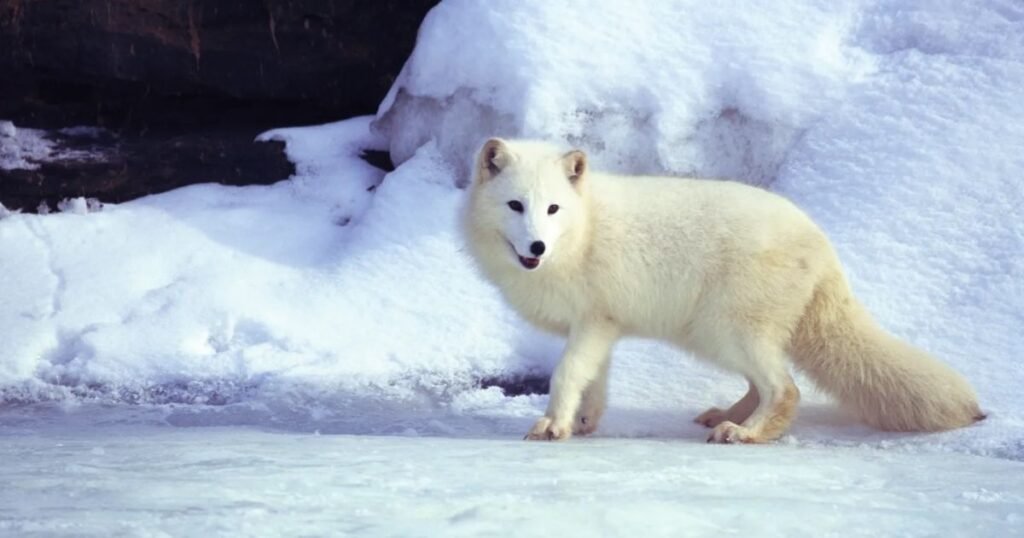
In places where it snows a lot, animals that live in the snow have figured out some cool things to do to stay alive. Take the Arctic fox, for example. The Arctic fox has thick fur that keeps it warm when it is outside in the cold. The Arctic fox’s fur also changes color when the seasons change. This helps the Arctic fox sneak up on the food that it eats, and it also helps the Arctic fox hide from animals that might want to eat it. This shows that animals that live in the snow, like the Arctic fox, have to be really clever to survive in the snow.
Another animal that does well in the snow is the hare. Its big feet work like snowshoes, letting it jump across snow easily. The hare’s fur changes color with the seasons, too. It turns white in the winter. This helps keep it warm and hidden in the landscape. Tiny living things like bacteria and fungi can survive in the cold. They help break down nutrients and keep the ecosystem healthy. These animals are very good at surviving in the cold. They show us how nature can be very clever in harsh places.
List of Animals That Live in the Snow
Below is the list of animals that live in the snow
- Polar Bear
- Emperor Penguin
- Harp Seal
- Snow Leopard
- Arctic Wolf
- Arctic Fox
- Musk Oxen
- Arctic Hare
- Snowy Owl
- Walrus
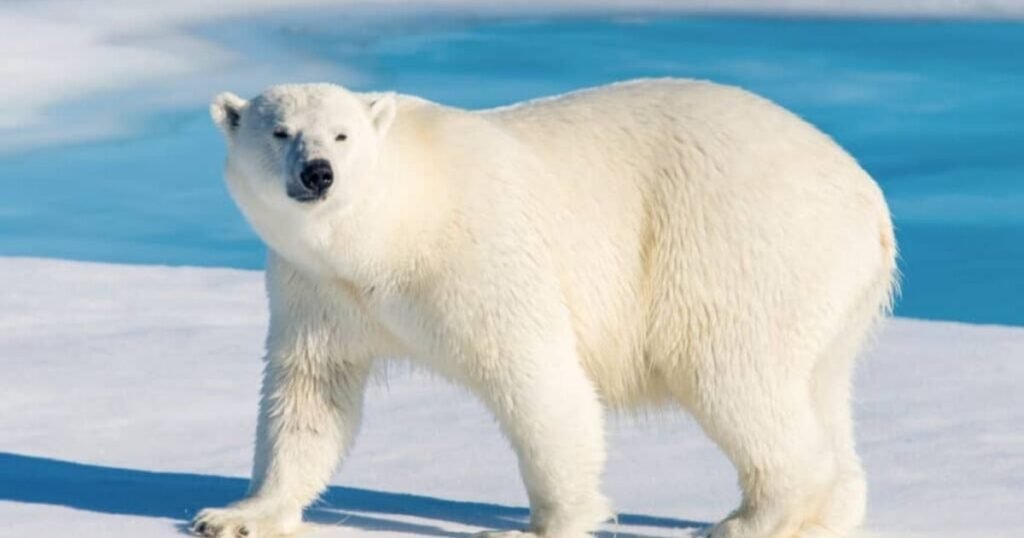
Polar Bear
The ultimate symbol of Arctic resilience, these magnificent creatures have adapted to life on sea ice, with thick blubber and a layer of fur that keeps them warm in freezing temperatures. Their white coat not only offers camouflage but also helps them absorb sunlight during long winter days.
Emperor Penguin
The largest of all penguin species, the Emperor Penguin braves extreme Antarctic winters, with males enduring the cold to incubate their eggs. Their unique huddling behavior cleverly conserves heat, showcasing the power of community in the harshest conditions.
Harp Seal
Known for their spotted coats and playful nature, harp seals thrive in icy waters. They are remarkable divers, capable of plunging deep beneath the ice to hunt for fish, showcasing a masterful balance between adaptability and agility.
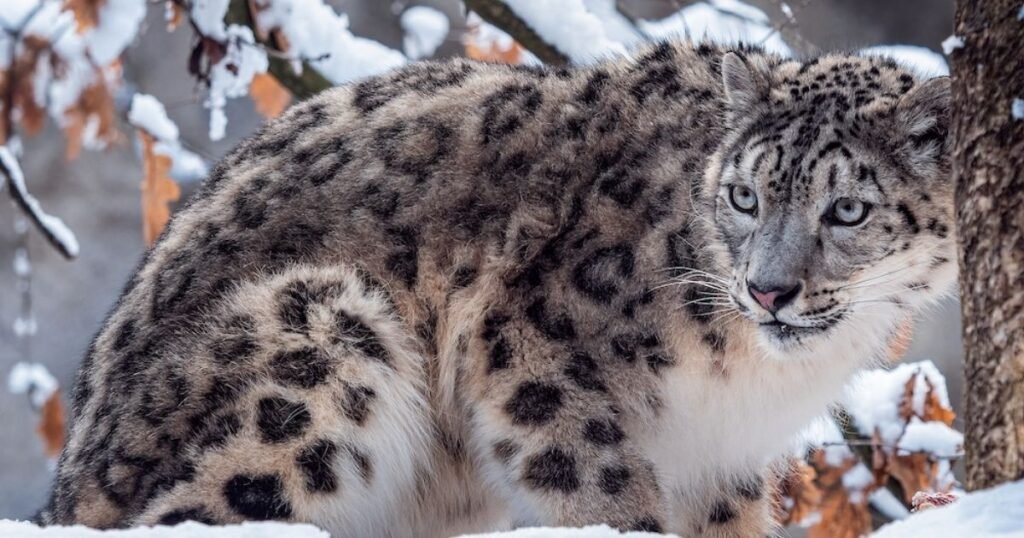
Snow Leopard
The elusive snow leopard is a true marvel of the mountainous regions, using its long tail for balance and agility as it navigates steep, snowy terrains. With their thick fur and large paws, they are perfectly designed for hunting in their chilly habitats.
Arctic Wolf
This majestic subspecies of the grey wolf has a thick, white coat for insulation against the cold, making them stealthy predator. Their unique social structure and adaptability allow them to thrive in the frigid environment, often seen working as a pack to hunt for food.
Arctic Fox
Not just a pretty face, the Arctic fox showcases incredible adaptability with seasonal coat changes, turning pure white in winter to blend seamlessly with the snow. Their keen sense of hearing enables them to hunt beneath the ice, revealing a world of hidden wonders.
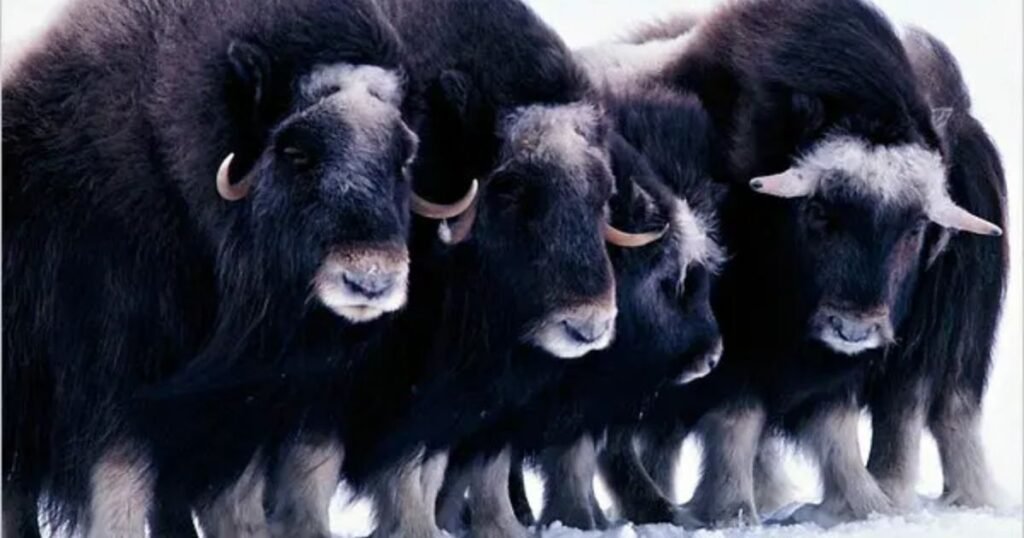
Musk Oxen
These shaggy giants, with their thick layers of woolly fur, are perfectly suited to the tundra’s subzero temperatures. Their impressive physical presence and strong herd mentality allow them to withstand harsh climates, making them a fascinating study in survival.
Snowy Owl
Captivating in their pure white plumage, these owls are not just beautiful but also skilled hunters of the Arctic landscape. Their keen eyesight and silent flight allow them to spot and catch prey, embodying the wild spirit of the snowy wilderness.
Walrus
Renowned for their prominent tusks and whisker-covered faces, walruses are social creatures often found spending their days lounging on ice floes. Their unique adaptations not only enable them to thrive in icy waters but also provide fascinating insights into the ecological intricacies.
Snowy Mountain Creatures and Their Adaptations
In the realities of snowy mountain landscapes, animals that live in the snow have evolved remarkable adaptations that help them survive in the cold. For example, the snowshoe hare has furry feet that act like natural snowshoes. This helps it move through the snow without sinking in. The hare’s feet are really helpful when it hops through the frosty mountains.
During winter, the snowshoe hare changes its coat to white. This helps it blend in with the snow and avoid predators. The hare’s white coat is really good at hiding it from predators.
The mountain goat is also interesting. It can climb cliffs with ease. The mountain goats’ hooves have a rubbery surface. This gives it a grip on icy rocks. Its hooves are really helpful. The mountain goat has a layer of hollow hairs that keep it warm. This helps it survive in cold conditions. Its warm coat and good climbing skills help it face the winter.
The animals that live there show us how strong they can be. The snowshoe hare and the mountain goat are very good at surviving in the snow.
Also read more: Animals That Eat Rabbits: Nature’s Most Skilled Rabbit Hunters
Camouflaged Animals Hidden in the Snow
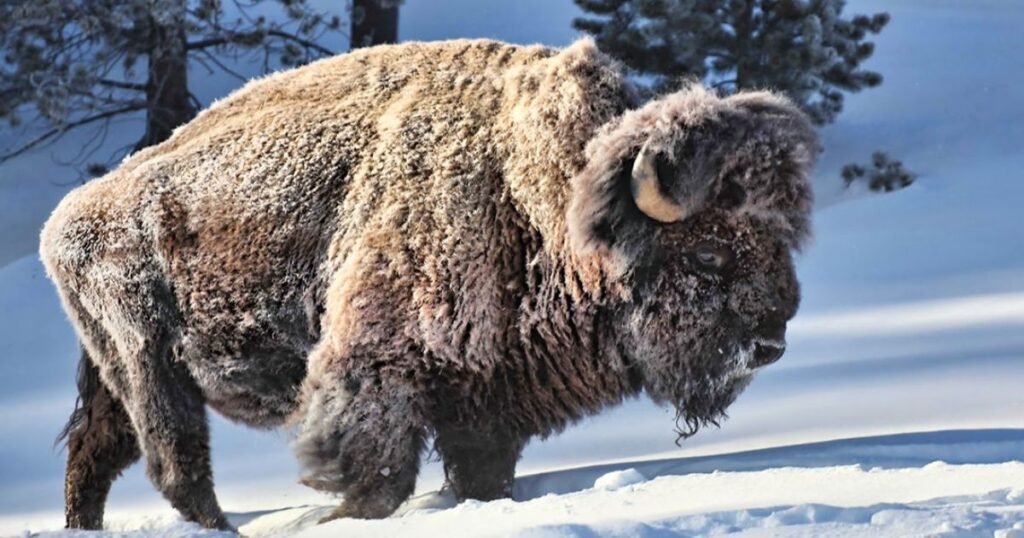
In the cold and beautiful world of snow, some animals are super good at hiding. The snowy owl is an example. It has feathers that help it blend into the snow so it can sneak up on its food, and people do not even see it. The snowy owl’s eyes stand out, and they show us how amazing nature is. The snowy owl needs to hide to survive in the snow.
The arctic hare is another animal that’s really good at hiding. It has a white coat that looks just like the snow on the ground. This helps the arctic hare hide from things that might hurt it. It also helps the arctic hare run around in the snow. The arctic hare and the snowy owl are animals that live in the snow. They are really good at living in the cold. When we see these animals that’re good at hiding, we remember how everything in nature is connected. The snowy owl and the arctic hare are animals that live in the snow.
Final Words
The animals that live in snow environments showcase incredible adaptations that allow them to survive and flourish in harsh conditions. From the majestic Arctic fox to the resilient polar bear, each creature has its own unique strategies for dealing with the cold.
Their ability to blend into their surroundings, find food, and stay warm is truly remarkable. Understanding these amazing animals not only deepens our appreciation for nature but also emphasizes the importance of conserving their habitats. So, let’s explore the frozen world some more and cherish the incredible wildlife it supports!
FAQs
Who Lives in Snow?
Snow is primarily inhabited by various species adapted to cold climates. In polar regions, you’ll find animals like polar bears, arctic foxes, and various types of seals. These creatures have thick fur or blubber to keep them warm and often have hunting or foraging strategies specifically tailored to snowy environments.
What Animals live Under Snow?
Many animals have adapted to survive the harsh conditions of winter beneath the snow. One notable group includes small mammals like voles and snowshoe hares, which create networks of tunnels under the snow. These tunnels not only provide shelter but also help them access food sources like roots and bark.