Dirtiest Animal in the World: 15 Surprisingly Dirty Animals
Surprising as it may be, many of the animals we consider cute or harmless actually harbor shocking levels of filth. Have you ever wondered which creature holds the title of the Dirtiest Animal in the World?
Understanding these surprising contenders not only reveals the complexities of nature but also serves as a reminder of the unseen worlds around us. In this article, we’ll explore 15 surprisingly dirty animals and uncover the fascinating reasons behind their unsanitary reputations.
Which Is the Dirtiest Animal in the World?
When we think of the Dirtiest Animal in the World, the common contenders often include rats and pigeons. However, what if we told you that the title might belong to the *Hooded Seal*? Found in the icy waters of the North Atlantic, these seals rely on a diet of fish and crustaceans, which means they frequently surface with a coat that’s been stained by their surroundings. The reality is more complex: while they’re not inherently dirty, their natural habitat often leads to a perception of uncleanliness due to algae and other marine substances clinging to their fur.
Another strong contender is the Surinam toad, whose skin hosts a myriad of microorganisms that thrive in its swampy environment. Instead of traditional mating, these toads undergo a unique process where their young develop within the mother’s skin, creating a fascinating, albeit grimy, reproductive strategy.
15 Dirtiest Animals in the World
Below is the list of 15 dirtiest animals.
- Pig
- Housefly
- Cockroach
- Rat
- Vulture
- Hyena
- Opossum
- Raccoon
- Wild Boar
- Turkey Vulture
- Catfish
- Sloth Bear
- Tasmanian Devil
- Warthog
- Spotted Hyena
Pigs
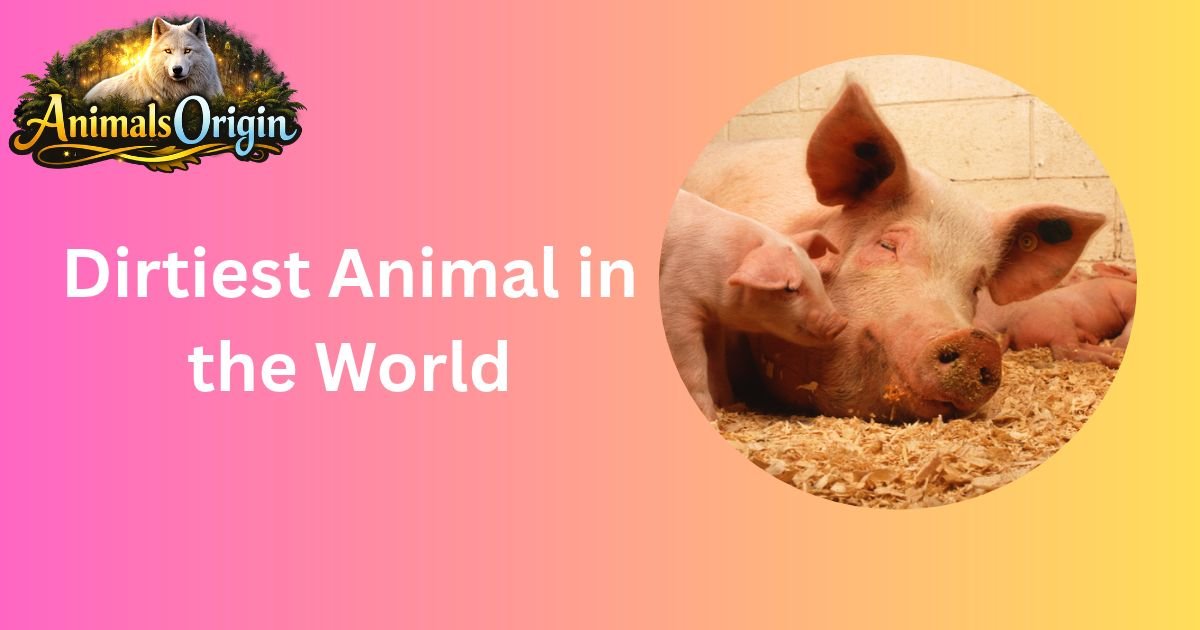
Often labeled as the quintessential dirty animal, pigs thrive in mud. This isn’t just a preference for muck; mud serves as natural sunscreen and insect repellent. Interestingly, their keen intelligence means they might choose a messy habitat for optimal survival.
Houseflies
These buzzing nuisances aren’t just carriers of disease; they thrive in decaying matter. A single fly can carry over a million bacteria on its body, making your kitchen a hotspot for pathogens.
Cockroaches
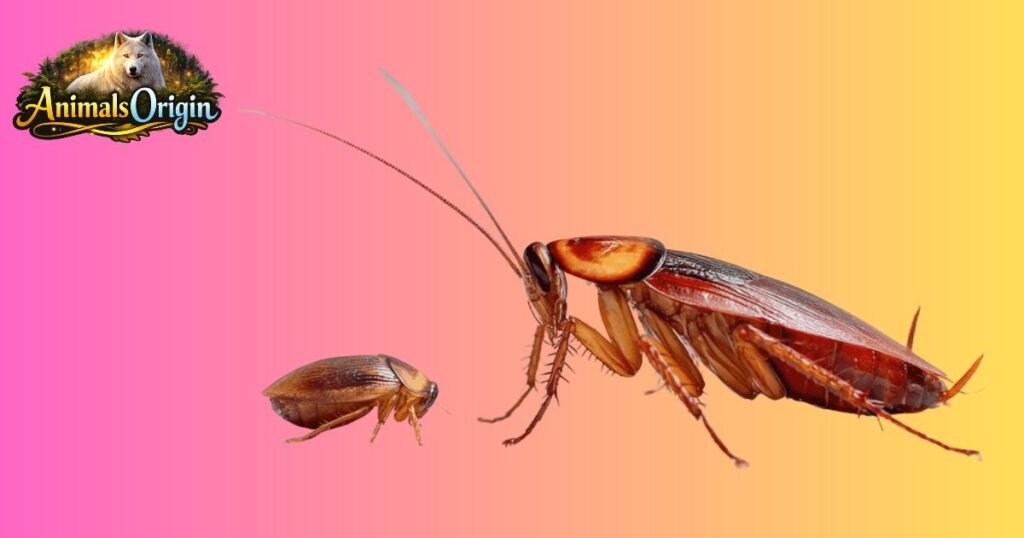
Masters of survival, cockroaches love dark, filthy environments. Their resilience means they can live without food for a month, feeding instead on the organic decay of other creatures.
Rats
Often found in urban settings, rats can adapt to almost any habitat, and their scavenging habits lead them to the dirtiest corners of human existence, feasting on waste and refuse.
These scavengers play a vital role in the ecosystem, but they feast on dead and decaying carcasses. Their bald heads, far from a fashion statement, prevent bacterial buildup as they dig in.
Vultures
Hyenas: Known for their brawls over carrion, hyenas often hang around the periphery of animal communities, waiting to consume the remains of others, which often leaves them with the scent of rot.
Animals With Thick Fur: 15 Fascinating Species to Know
Opossums
While often maligned, these creatures are nature’s clean-up crew that feed on a wide array of waste, yet they’re surprisingly resistant to rabies and contain fewer parasites than other scavengers.
Raccoons
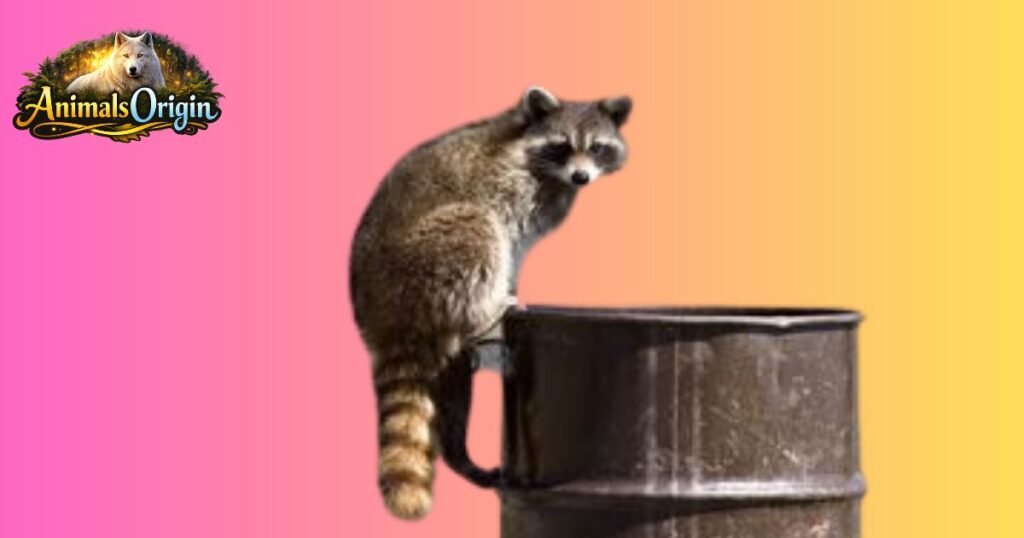
With their dexterous paws, raccoons rummage through trash, exhibiting behaviors that reveal their remarkable intelligence and adaptability, but also their proclivity for filthy finds.
Wild Boars
These feral pigs plow through fields and forests, returning nutrients to the soil, yet they often leave destruction in their wake due to their incessant foraging in dirt.
Turkey Vultures
Identifiable by their distinctive look, these birds rely entirely on carrion. They possess a keen sense of smell, often honing in on decaying flesh that others may avoid.
Catfish
Known for their bottom-feeding habits, these fish sift through mud and muck in search of sustenance, which often leads them to consume other decomposing organisms.
Sloths
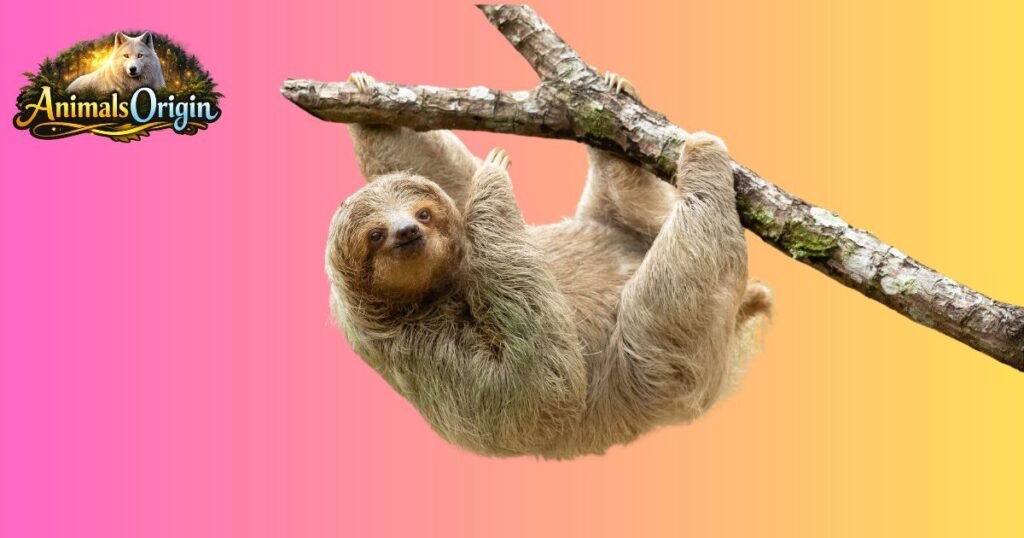
Though often associated with laziness, the sloth harbors algae on its fur, creating an entire ecosystem of organisms that thrive in the moisture, an unintended byproduct of its slow lifestyle.
Bears
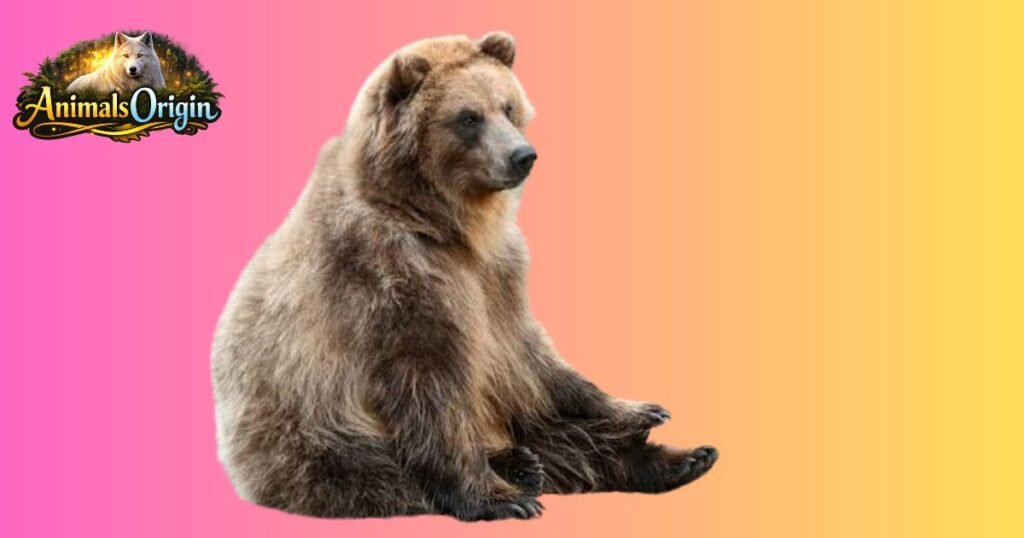
From dumpster diving to rolling in filth, bears are opportunistic feeders. Their food search often leads them through refuse, making them the embodiment of a “dirty” dining experience.
Tasmanian Devils
Fiercely carnivorous, these marsupials feast on carrion, and their notoriously loud and aggressive feeding habits can quickly turn the rotting scene into a frenzy.
Warthogs and Spotted Hyenas
Both uniquely adapted scavengers, warthogs burrow into the earth for roots while spotted hyenas raid kills; the dirt they inhabit is marked by their unrelenting scavenging practices, turning rot into potential sustenance.
Reasons Some Animals Are Considered Dirty
When we think of the *dirtiest animals in the world*, our minds often leap to creatures like the opossum or cockroach, but the reality is more nuanced. Many animals labeled as *dirty* actually possess fascinating adaptations that challenge our perceptions.
For instance, hyenas are often seen as scavengers, raiding carcasses and living in packs that can appear unkempt. Yet, their social structures and intricate communication promote cleanliness within their groups, showcasing a surprising balance between survival and hygiene.
How Dirty Animals Spread Germs
The dirtiest animals on Earth often play an unexpected role in the spread of germs that can impact both human and environmental health. Take, for instance, the common house mouse. Not only do these tiny creatures scurry through our homes, but they also carry a plethora of diseases that can be transmitted through their droppings. These little critters are notorious for invading kitchens and pantries, leaving behind a hidden but potent trail of germs that can cause serious illnesses.
Similarly, pigeons, dubbed one of the dirtiest animals known for being dirty, are often seen as urban nuisances. What many don’t realize is that their droppings are a breeding ground for pathogens such as histoplasmosis and cryptococcosis. The sheer volume of these birds in cities contributes to a cycle of germ transmission that can affect not just their immediate environment but also the larger human population.
Ways Animals Keep Themselves Clean in Nature
In the intricate dance of nature, even the most unclean animals in the world have developed fascinating methods to maintain their hygiene. Take, for example, the cockroach, often seen as a paragon of filth. These resilient creatures engage in self-grooming rituals, utilizing their specialized legs to meticulously clean their antennae and body.
This not only helps remove dirt but also reduces the risk of disease. Similarly, animals that eat garbage, like raccoons, often follow a ritualistic pattern of washing their food, which may seem counterintuitive but actually serves the dual purpose of hygiene and sensory exploration.
Final Words
The dirtiest animals in the world challenge our perceptions of hygiene and cleanliness. From the surprisingly filthy habits of the common house cat to the unsanitary lifestyles of hippos, these creatures remind us that nature often operates beyond our expectations.
Each of the 15 surprisingly dirty animals showcases unique adaptations that contribute to their soiled reputations while thriving in their environments. It’s fascinating to see how these dirty animals navigate their lives despite the grime. So, the next time you encounter one of these animals, remember that there’s more beneath the surface , embrace the dirtiness in nature!
FAQs
Which Animal is Dirtier, Pig or Chicken?
When comparing pigs and chickens in terms of cleanliness, pigs often get a bad reputation. Contrary to popular belief, pigs are actually quite clean animals. They tend to keep their living areas separate from their eating and sleeping spaces. They wallow in mud to cool off and protect their skin, not because they enjoy being dirty.
What Animal is the Most Unclean?
When discussing the most unclean animal, many people might think of pigs. They often roll in mud and are perceived as dirty due to their behavior. However, this is actually a way for them to regulate their body temperature and protect their skin.
What is the Dirtiest Pet?
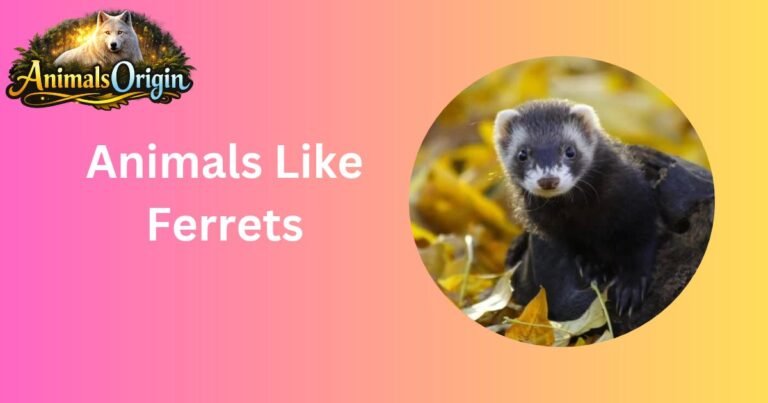
The dirtiest pet often debated is the ferret. Ferrets have a natural musky odor, and they tend to roll in their own messes. Their playful and curious nature means they get into everything, which can lead to some serious messes around the house.