Animals With Thick Fur: 15 Fascinating Species to Know
Did you know that animals with thick fur can survive in temperatures as low as 60 degrees Fahrenheit, thanks to their thick fur?
Now a day, we’ll explore 15 fascinating species that have evolved to thrive in the harshest climates. Understanding these animals not only enriches our knowledge of biodiversity but also highlights the importance of conservation efforts. Get ready to discover the incredible adaptations that keep these furry creatures warm and safe.
Why Do Animals Have Thick Fur?
Animals with thick fur are nature’s incredible architects, uniquely adapted to survive in harsh environments. One of the primary reasons they sport this luxurious coat is insulation. Thick fur traps air, providing a layer of warmth that helps animals maintain their body temperature in freezing conditions. This is especially vital for species like the Arctic fox and the polar bear, which thrive in some of the coldest habitats on Earth.
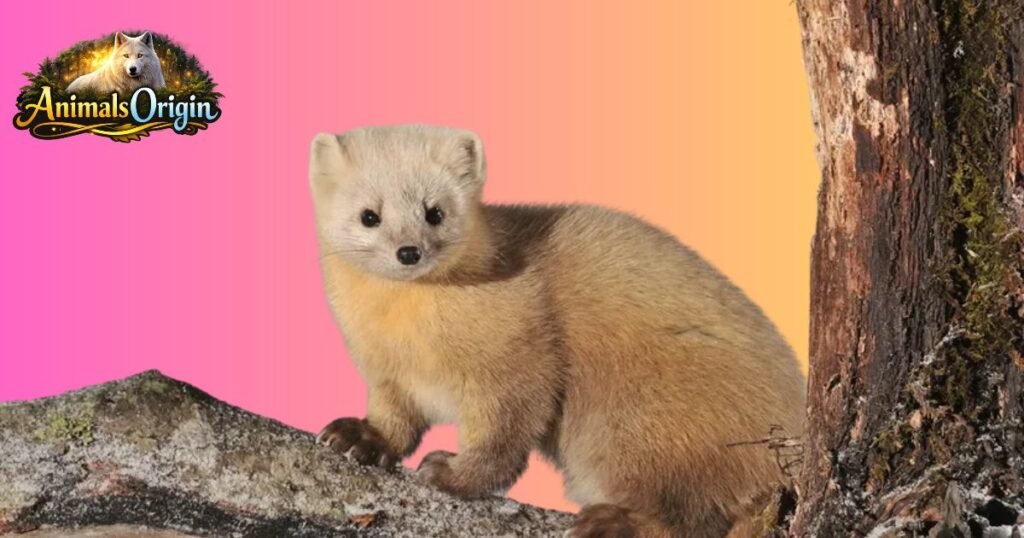
However, insulation isn’t the sole purpose of animals with thick fur. The density and texture of their fur can also play a significant role in camouflage. For instance, the shaggy coats of yaks not only protect them from bone,chilling winds but also blend seamlessly into their mountainous surroundings, aiding in both predator evasion and prey stalking.
15 Animals With Thick Fur You Should Know
Below is the list of Animals with thick fur.
- Polar Bear
- Arctic Fox
- Musk Ox
- Snow Leopard
- Yak
- American Bison
- Wolverine
- Red Panda
- Sea Otter
- Chinchilla
- Alaskan Malamute
- Siberian Husky
- Angora Rabbit
- Bactrian Camel
- Mountain Goat
Polar Bear
These majestic creatures sport a thick layer of blubber and a double coat of fur, perfect for insulating against frigid Arctic temperatures. Their fur, more transparent than white, reflects light, helping them blend into their icy surroundings.
Arctic Fox
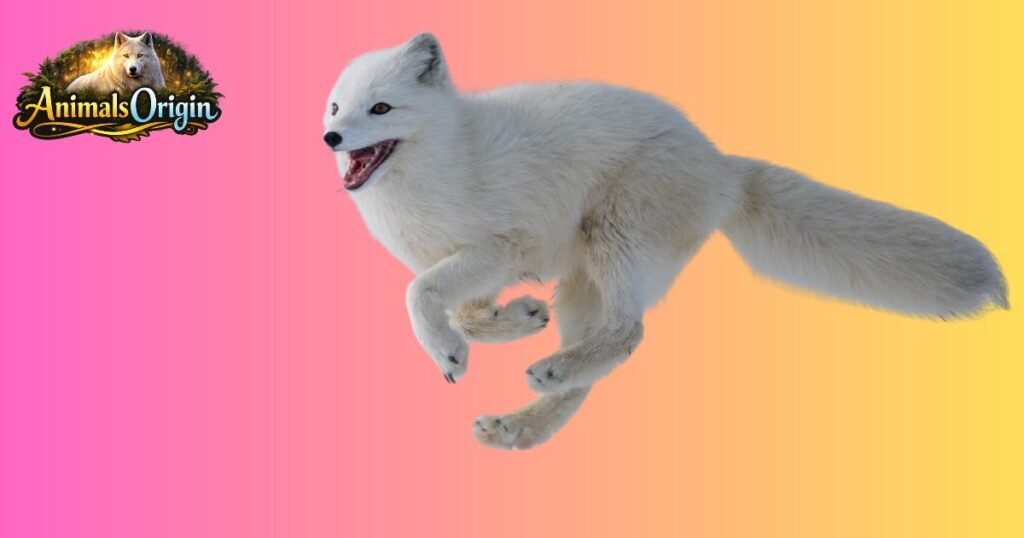
With the ability to change fur color seasonally, the Arctic Fox boasts a dense coat that traps air for warmth. This tiny survivor thrives in harsh climates, showcasing the adaptability of nature in its quest for survival.
Musk Ox
Known for its impressive long, shaggy hair, the musk ox’s wool, called qiviut, is one of the warmest fibers in the world. This ancient species demonstrates how evolution equips animals to endure extreme cold.
Snow Leopard
The thick, soft fur of the snow leopard not only provides warmth but also aids in camouflage against the rocky terrain of its mountain habitat. This elusive feline is not just a beauty; it’s a skilled hunter adapted to high altitudes.
Yak
With its long, flowing hair that protects it from the biting winds of the Himalayas, the yak is an impressive beast of burden. Its thick fur is essential for survival, showcasing nature’s ingenuity in arid alpine environments.
American Bison
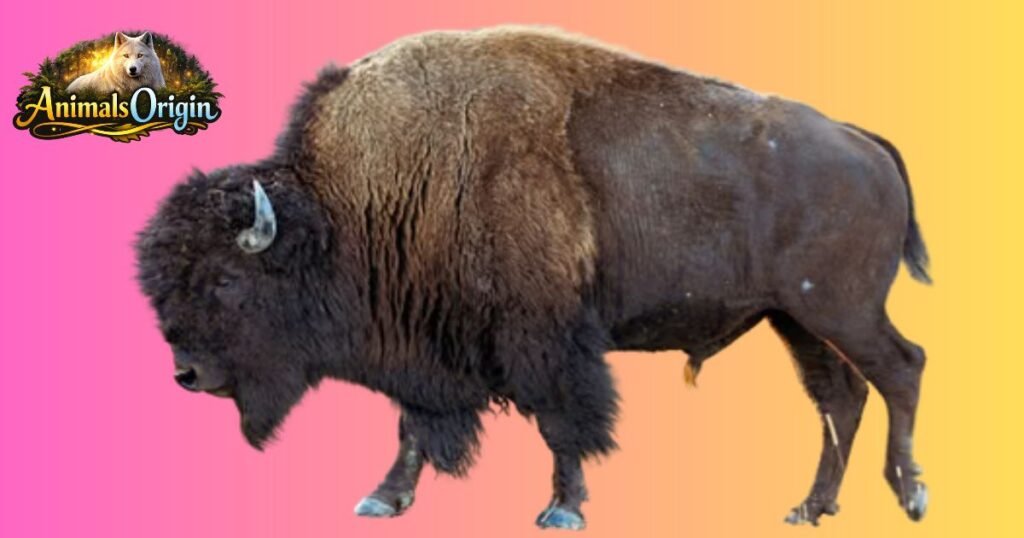
The iconic bison sports a robust coat that thickens in winter, serving as natural insulation. With its massive size and thick fur, this animal represents resilience in the face of harsh prairie conditions.
Wolverine
Often misunderstood, the wolverine’s dense fur allows it to thrive in freezing temperatures while traversing vast territories. Its thick coat not only offers warmth but enhances its fierce presence as a formidable predator.
Red Panda
Adorably fluffy, the red panda’s thick fur keeps it snug as it navigates the chilly bamboo forests of the Himalayas. Its unique coat also provides camouflage amid the dappled light of its leafy habitat.
Sea Otter
The sea otter’s dense undercoat is so thick that it can trap air, making it one of the warmest marine mammals. Each otter can have up to a million hair follicles per square inch, a testament to their adaptation for life in icy waters.
How Long Do Parrots Live: Average Lifespans of 15 Popular Species
Chinchilla
Known for having the softest fur of any land mammal, chinchillas boast thick, luxurious coats that keep them warm in their native Andean mountains. This fur not only serves a practical purpose but has historically made chinchillas a target for fur trade.

Alaskan Malamute
As one of the oldest Arctic sled dog breeds, the Alaskan Malamute showcases a thick double coat that protects against severe cold. Their fur not only serves as insulation but also showcases their rugged beauty and strength.
Siberian Husky
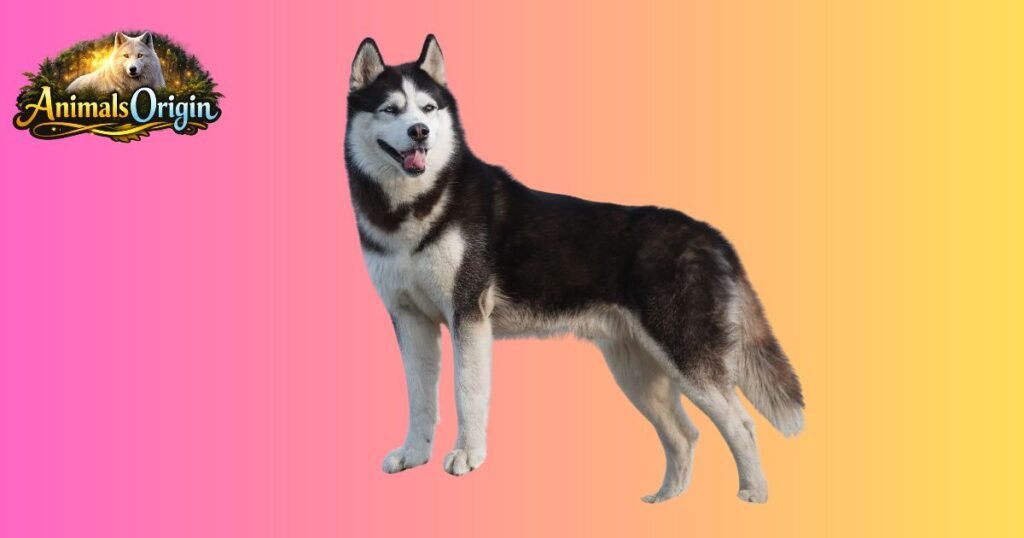
Renowned for their stunning looks and endurance, Siberian Huskies have a fluffy, thick coat that keeps them cozy during winter escapades. Their fur also enables them to thrive in even the coldest climates, proving their northern heritage.
Angora Rabbit
This fluffy breed has incredibly soft, thick fur, making it a prized source of wool. Regular grooming keeps their luxurious coat maintained, highlighting the importance of care in raising such a unique animal.
Bactrian Camel
With two thick layers of fur, Bactrian camels are equipped to handle both extreme heat and cold. Their thick coats are a testament to the adaptability needed to survive the harshest desert conditions.

Mountain Goat
Triumphing in rocky terrains, the mountain goat’s long, thick fur provides insulation and resilience against harsh alpine weather. Its unique adaptation allows it to thrive in environments where few other animals can, showcasing evolution’s role in fitness.
How Thick Fur Helps Animals Survive in Cold Climates
Thick fur serves as nature’s armor for animals with thick coats, allowing them to thrive in frigid environments where temperatures plummet. These thick-furred animals have evolved layers that not only trap air for insulation but also repel moisture, ensuring warmth even in wet conditions. For instance, the Arctic fox boasts an undercoat that can be up to 5 centimeters thick, providing exceptional warmth, while its outer fur takes on a snow-white hue for camouflage in winter.
Beyond mere survival, animals with the thickest fur exemplify a fascinating adaptation known as seasonal molting. As temperatures shift, these creatures shed their heavy coats, making way for lighter fur during warmer months, a clever strategy to maintain energy efficiency.
Different Types of Fur Found in Animals
When we think of furry animals, our minds often drift to playful puppies or majestic Arctic foxes. However, the diversity of fur types serves critical functions in the animal kingdom. For instance, animals with dense fur, such as the otter, possess tightly packed fur to create air pockets that provide insulation and waterproofing. This adaptation allows them to thrive in cold, aquatic environments, demonstrating nature’s ingenuity.
Moreover, animals with fluffy fur like the Angora rabbit or the Pomeranian dog create an illusion of softness that masks their vital role in temperature regulation. Fluffy fur traps heat, ensuring these animals stay warm during chilly nights. On the other end, animals with thick winter coats, such as the musk ox and snowshoe hare, undergo remarkable seasonal transformations.
Final Words
The world of animals with thick fur is truly captivating, showcasing nature’s incredible adaptations for survival in harsh environments. From the majestic Arctic fox to the sturdy Maine Coon, these species not only exhibit impressive physical traits but also play vital roles in their ecosystems.
Thick fur serves as an essential barrier against extreme temperatures, illustrating how diverse and resourceful life can be. As we learn more about these fascinating creatures, it becomes imperative to protect their natural habitats from climate change and human encroachment. Take a moment to appreciate the wonders of nature and consider how you can support wildlife conservation efforts today.
FAQs
Which Animals Have Thick Fur?
Animals with thick fur are often adapted to cold environments. One of the most notable examples is the Arctic fox, which has a dense coat that traps heat, helping it survive freezing temperatures. Similarly, the Siberian husky has a thick double coat that provides insulation against extreme cold.
Which Animal Has The Thickest Fur?
The animal with the thickest fur is the sea otter. Their fur is incredibly dense, with up to a million hair strands per square inch. This helps them stay warm in icy waters, as they lack a layer of blubber like other marine mammals. Sea otters groom their fur meticulously, maintaining its insulating properties.
What Is The Thickest Fur Coat?
The thickest fur coat belongs to the Arctic fox. Adapted to survive extreme cold, this species grows a luxurious, dense undercoat during winter, which can be over an inch thick. This not only provides insulation against frigid temperatures but also helps the fox blend into its snowy surroundings.