Animals With Quills: 10 Fascinating Creatures Protected by Nature’s Sharp Defense
Imagine a creature that carries its own armor, ready to fend off threats with needle-sharp defenses. Animals with quills, like the iconic porcupine, showcase nature’s ingenious solutions for survival. Understanding these fascinating creatures not only enriches our knowledge of wildlife.
Also highlights the remarkable adaptations that help them thrive. In this article, we will explore unique animals with quills, uncovering their intriguing habits and their roles in the ecosystem. At first, these creatures may seem dangerous, but after learning about their true nature, you will also fall in love like me. So, let’s DIVE IN!
What Are Quills and How Do They Protect Animals?
Quills serve as a fascinating example of nature’s ingenuity, offering protection to various animals in unique ways. Animals with quills, such as porcupines and hedgehogs, use these sharp, modified hairs as a defense mechanism against predators. When threatened, a porcupine can puff up its quills, making it look larger and more intimidating.
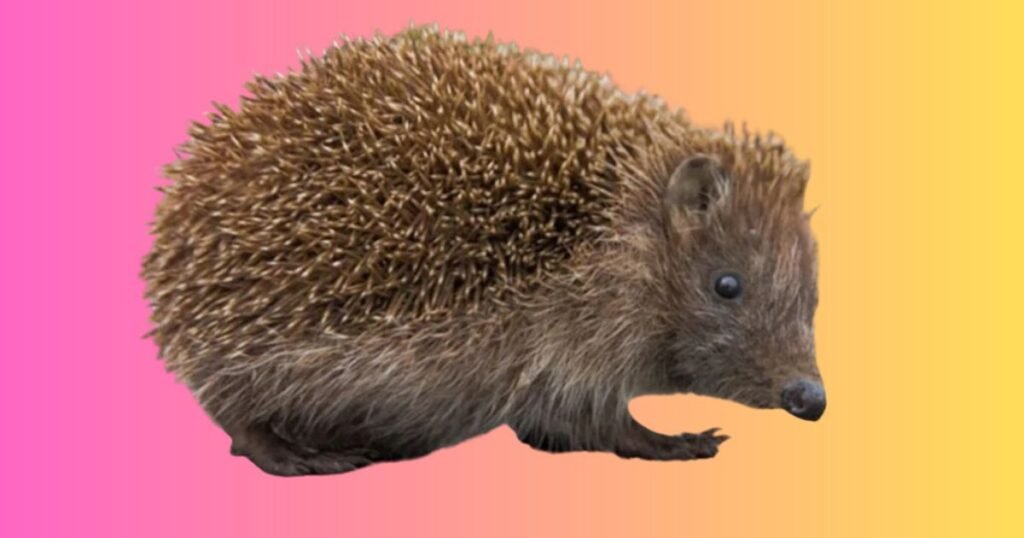
If a predator gets too close, these quills detach easily, embedding themselves into the attacker and causing both pain and discomfort, which often deters further aggression. The adaptability of quills extends beyond mere defense; they also play a role in social interactions among species. For instance, quilled animals often exhibit distinct postures to communicate aggression or readiness to fight, signaling to rivals that they are not to be trifled with
How Quills Have Evolved as a Survival Adaptation
Quills have evolved as a remarkable survival adaptation among various animals, providing them with a unique defense mechanism that’s both effective and fascinating. Animals with quills, like porcupines and echidnas, have transformed these hollow, sharp spines into a formidable barrier against predators.
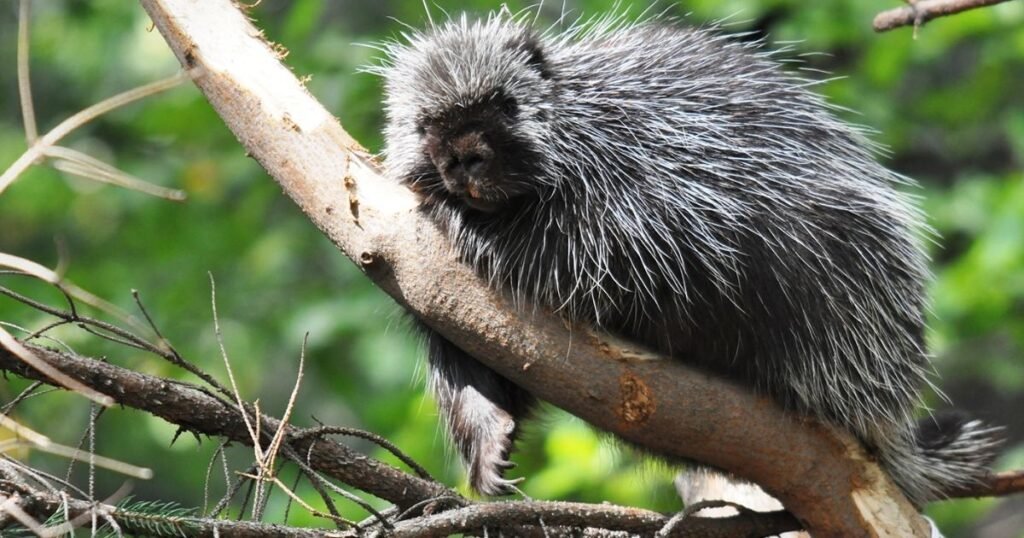
When threatened, a porcupine can effectively launch its quills, a strategy that deters even the most determined of attackers. This adaptation not only enhances their survival odds but also shapes their behavior, leading them to adopt a more solitary lifestyle in some cases, which minimizes encounters with threats.
Top 5 Mammals That Use Quills for Defense
- North American Porcupine
- African Crested Porcupine
- Cape Porcupine
- Brazilian Porcupine
- Prehensile-Tailed Porcupine
North American Porcupine
The North American Porcupine is a master of defensive tactics, with its remarkable quills. Each quill is barbed, ensuring that once they’re embedded in a predator, it’s a painful reminder. These nocturnal creatures feed mostly on bark, making them an important part of forest ecosystems by promoting tree health through their unique feeding habits.
African Crested Porcupine
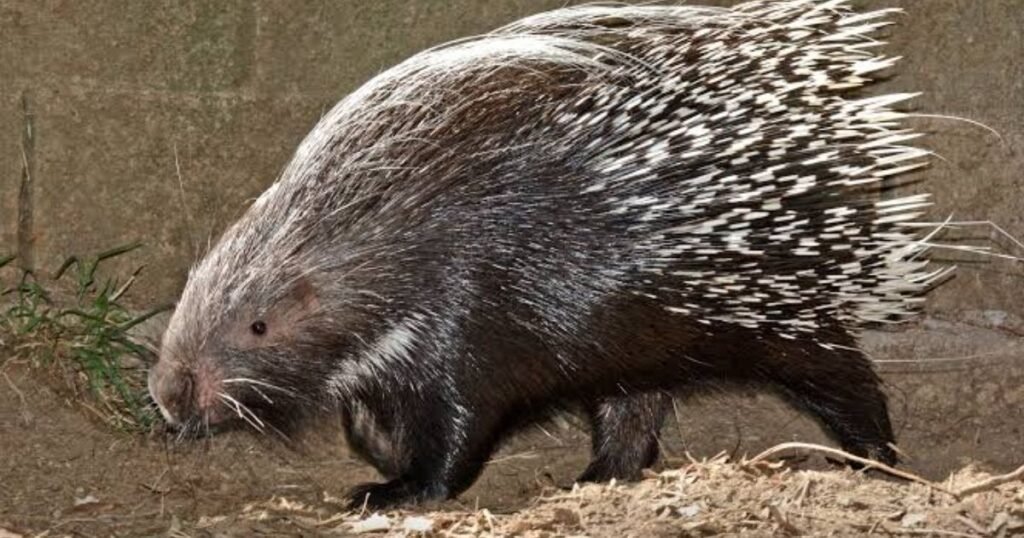
Characterized by its formidable crest of long quills, the African Crested Porcupine is not just about looks. They communicate through a series of clicks and grunts, especially when threatened, warning predators of their formidable defenses. With a primarily herbivorous diet, they play a crucial role in seed dispersal, proving that even the prickliest creatures have a soft side.
Cape Porcupine
The Cape Porcupine is known for its impressive size and dense quill coverage, which can be used not only for defense but also for communication through precise positioning. These social animals often gather in family groups, showcasing a remarkable blend of individual defense and communal safety. Their nocturnal foraging habits contribute to the amount of nutrients in their habitats, proving they play a vital role in maintaining ecological balance.
Brazilian Porcupine
The Brazilian Porcupine brings a unique twist to the quill defense mechanism with its exceptional climbing ability. Its prehensile tail doesn’t just aid in climbing through trees; it also enhances its defensive tactics, as the animal can easily escape threats overhead. This arboreal lifestyle allows them to forage on fruits and leaves, highlighting how protective adaptations can align with dietary needs.
Also read more: Panama Animals: 15 Incredible Wildlife Species You Can Find in Panama
Prehensile-Tailed Porcupine
Last but not least, the Prehensile-Tailed Porcupine adds an intriguing blend of adaptability and defense. With its tail acting as an extra limb, it can navigate through the forest with agility, escaping threats while armed with sharp quills. They participate in vital ecosystem dynamics, serving as both predators and prey in their intricate food webs.
Top 5 Lesser-Known Animals With Quill-Like Structures
- Short-Beaked Echidna
- Long-Beaked Echidna
- Tenrec
- Hedgehog
- Spiny Mouse
Short-Beaked Echidna
The Short-Beaked Echidna is a fascinating creature that defies convention. Unlike traditional mammals, this monotreme lays eggs and boasts quill-like spines made from keratin, similar to hair. These spines serve not only as armor against predators but also help to regulate body temperature in varying climates. As they forage for insects and larvae, their unique snouts are perfectly adapted for digging, revealing a blend of form and function in nature.
Long-Beaked Echidna
Diverging from its shorter cousin, the Long-Beaked Echidna has longer spines and a more pronounced snout. Native to New Guinea, this echidna thrives in dense forests, using its specialized quills for both defense and the dense foliage. What’s remarkable is how these organisms have developed distinct adaptations that support their environments, showcasing nature’s ingenuity in crafting survival tools.
Tenrec
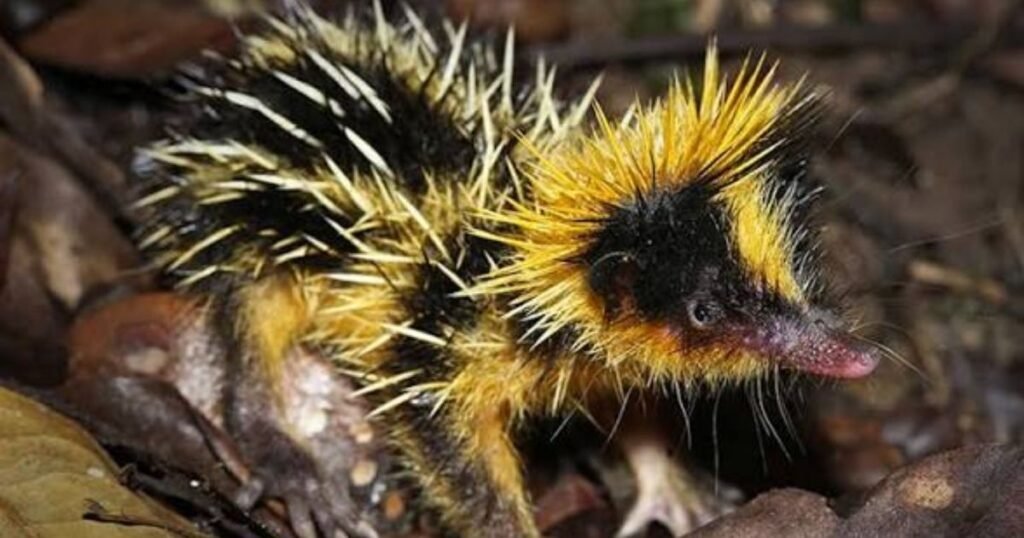
The Tenrec, found predominantly in Madagascar, surprises many with its spiny coat, which resembles a hedgehog. With over 30 species, quills serve diverse functions ranging from self-defense to social communication through tactile sensing. Tenrecs are incredibly versatile, adapting to a wide range of habitats, and their spiny structures highlight the evolutionary creativity that allows them to thrive in various ecological niches.
Hedgehog
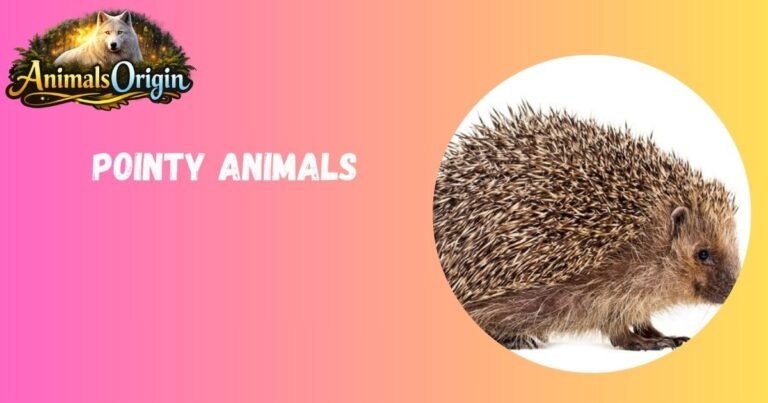
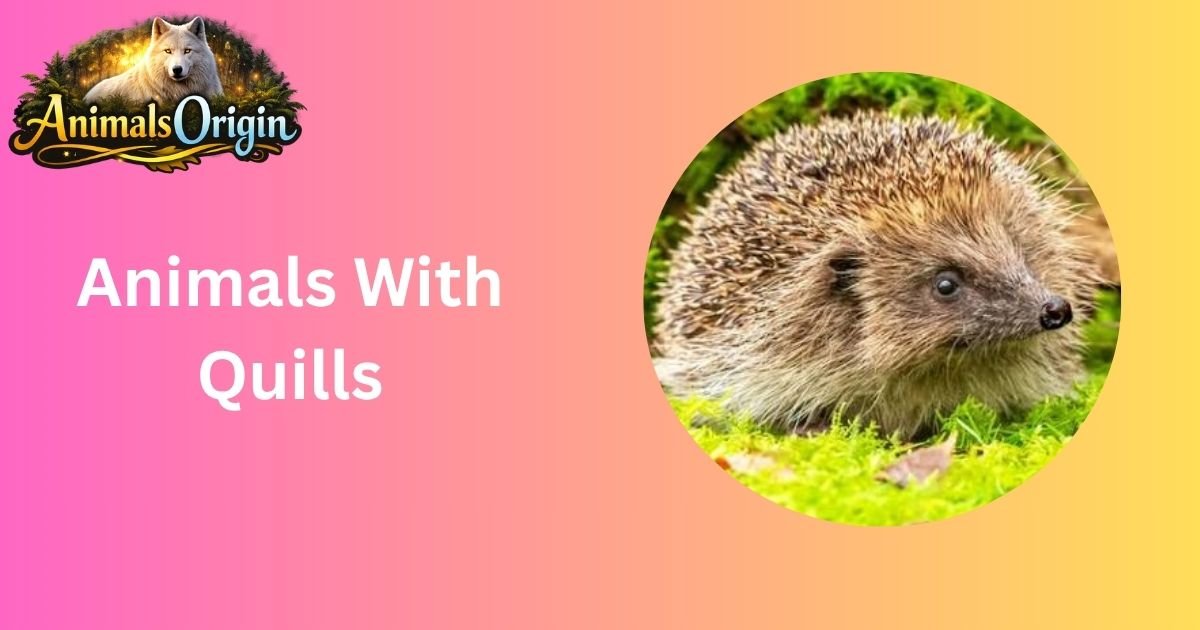
Possibly the most well-known among spiny animals, hedgehogs are charming small mammals that rely on their quills for defense. What sets them apart is their ability to roll into a tight ball, a natural defense mechanism that protects their vulnerable underbellies. Interestingly, studies have shown that hedgehogs can emit an array of sounds that play roles in mating and communication, making them not just prickly but also quite vocal.
Spiny Mouse
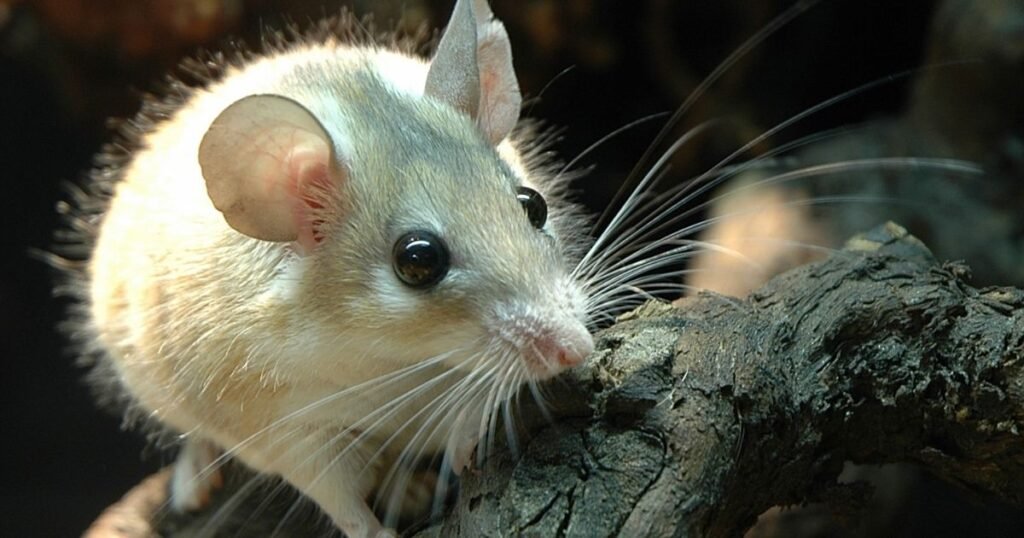
The Spiny Mouse, a lesser-known rodent, boasts a covering of short, bristly hairs that gives it a distinctly spiny appearance. Native to arid regions of Africa and the Middle East, these mice cleverly shed their quills when threatened, allowing them to escape birds of prey and other dangers. This unique defense mechanism signifies a remarkable evolutionary adaptation, illustrating resilience and an instinct to survive in harsh conditions.
Threats and Conservation Challenges for Animals With Quills
Animals with quills, such as porcupines and echidnas, face a myriad of threats that extend beyond the predation risks posed by their natural enemies. Habitat destruction, urbanization, and agricultural expansion are significant challenges for these intriguing creatures. As forests are cleared and grasslands are converted into farms, the delicate balance of their ecosystem is disrupted, leading to a decline in both food sources and safe habitats.
Moreover, the illegal wildlife trade poses a lethal risk to certain quilled species. Poachers often target them for their quills, which can be sold in craft markets or used in traditional medicine. Conservation efforts are crucial; promoting awareness about the ecological importance of animals with quills can help shift public perception.
Final Words
In conclusion, the world of animals with quills showcases nature’s remarkable ingenuity in protection and survival. These fascinating creatures remind us of the intricate balance found within ecosystems, each playing a vital role in its habitat. From the iconic porcupine to the lesser-known hedgehog, their unique adaptations allow them to thrive despite various challenges.
By appreciating these animals and their defensive strategies, we can foster a greater respect for wildlife and the delicate environments they inhabit. Let’s all commit to learning more about these incredible creatures and advocating for their conservation.
FAQ’s
What are quills in animals?
Quills are specialized, stiff hairs found in some animals, most famously in porcupines. These quills serve as a defense mechanism; when threatened, a porcupine can raise its quills to deter predators.
Which mammal uses quills?
The mammal best known for using quills is the porcupine. These unique critters are found in various habitats across North and South America. Their quills are actually modified hairs filled with keratin, and they can easily detach when a predator comes too close.
What is a Tiny, Apiky animal?
A tiny, spiky animal you might be thinking of is the hedgehog. These small mammals are covered in quills, which serve as their defense mechanism against predators. Hedgehogs are nocturnal and enjoy foraging for insects, worms, and fruits in gardens.