Taiga Animals: 15 Fascinating Wildlife of the Boreal Forest
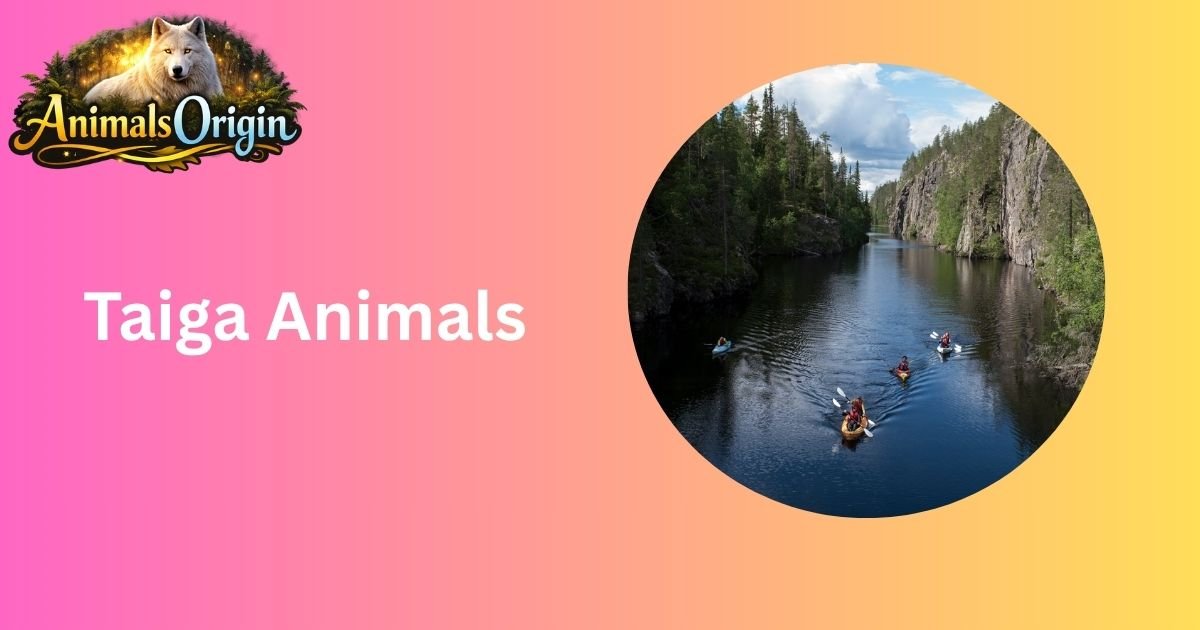
More famous ecosystems often overshadow the taiga, yet its wildlife is astounding and plays a crucial role in our planet’s health. Home to remarkable taiga animals, this forest offers a glimpse into nature’s wonders and the challenges these species face.
By exploring the fascinating adaptations and behaviors of these creatures, readers will gain a deeper appreciation for the boreal forest. This article will guide you through the incredible tapestry of life found in this unique habitat.
What Animals Live in the Taiga Biome?
The taiga biome, known for its sprawling coniferous forests, is home to a diverse range of fascinating animals. Among the most iconic taiga animals is the majestic moose, which thrives in the damp, wooded areas where it can feast on the rich undergrowth. These gentle giants are often seen wading through shallow waters, showcasing their impressive size as they graze on aquatic plants.
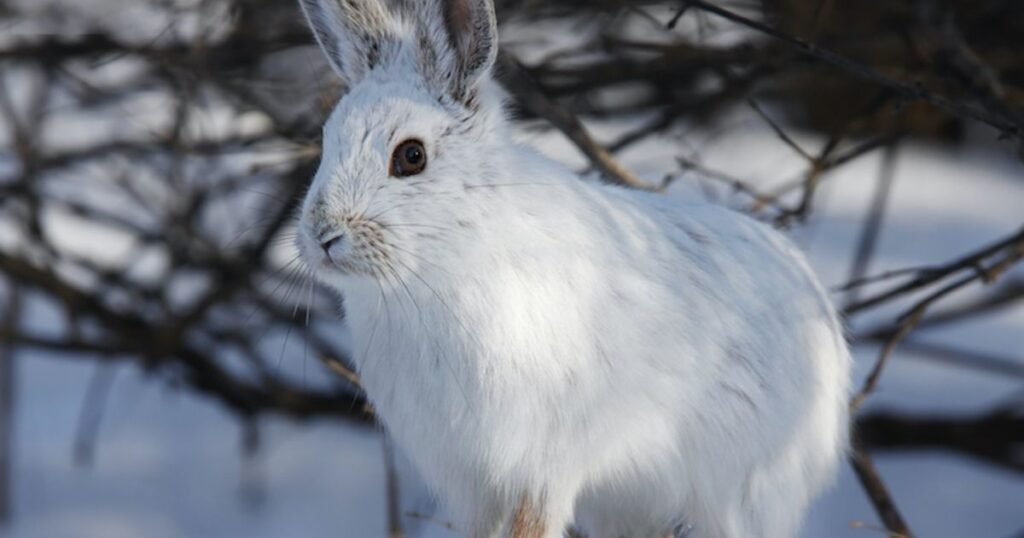
Predators like the elusive lynx prowl through the underbrush, relying on their keen senses to track down small mammals. The taiga also shelters smaller creatures such as snowshoe hares, which have adapted to the snowy terrain with thick fur and large feet.
Top 5 Mammals Found in the Taiga Forest
Below is the list of 5 Mammals Found in the Taiga Forest:
- Moose
- Gray Wolf
- Canada Lynx
- Brown Bear
- Wolverine
Moose
The towering moose, with its impressive antlers, exemplifies the adaptability of taiga creatures. These gentle giants traverse the dense forests, feeding on twigs and aquatic plants, showcasing nature’s balance between herbivore and habitat.
Read more: Falcon vs Hawk: Key Differences Between These Powerful Birds of Prey
Gray Wolf
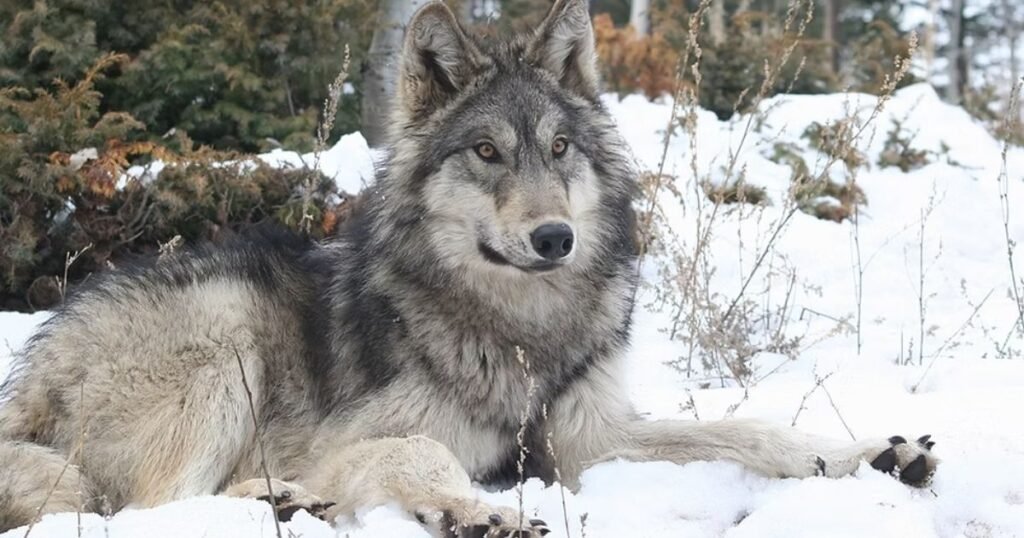
In packs that highlight their complex social structures, gray wolves roam the vast expanses of the taiga, their haunting howls echoing through the chilly nights. As apex predators, they play a pivotal role in maintaining balance within this ecosystem, keeping prey populations in check.
Canada Lynx
With their tufted ears and large paws, Canada lynxes have evolved to thrive in snowy environments. Their remarkable ability to hunt snowshoe hares dictates their population dynamics, making them a lynchpin of the taiga’s food web.
Brown Bear
The formidable brown bear, a symbol of wilderness, roams the taiga in search of berries, roots, and fish. As omnivores, they are vital for seed dispersal, contributing to the forest’s regeneration and health.
Wolverine
Often misunderstood, the wolverine is a solitary scavenger known for its fierce determination. This elusive creature plays an essential role in the taiga by cleaning up carrion, thus supporting a healthy ecosystem free from decay.
5 Birds That Thrive in the Taiga Region
Below is the list of 5 Birds That Thrive in the Taiga Region:
- Boreal Owl
- Canada Jay
- Black-backed Woodpecker
- Spruce Grouse
- Common Raven
Boreal Owl
This elusive raptor is a master of stealth in the dense taiga. With its striking golden eyes and mottled plumage, the Boreal Owl is perfectly camouflaged against the backdrop of coniferous trees. These nocturnal hunters primarily feast on small mammals, showcasing a remarkable adaptability to the harsh northern climate. Their eerie, haunting calls echo through the forests, making a nighttime excursion a mystifying experience.
Canada Jay
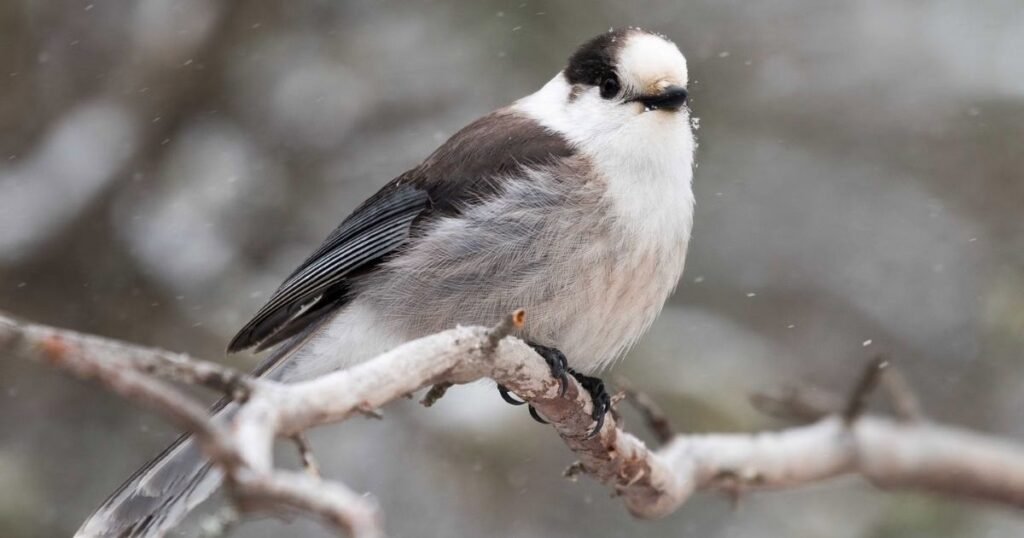
Known for their bold nature and intelligence, Canada Jays exhibit remarkable problem-solving skills. Often spotted darting through the trees, these resilient birds don’t just rely on their agility; they also cache food to survive the long winters. Their interaction with the environment showcases a fascinating bond with the taiga, as they thrive on the bounty of insects and carrion that flourish during the brief summer months.
Black-backed Woodpecker
The Black-backed Woodpecker, with its striking black and white coloration, is a vital asset to the taiga’s ecosystem. These woodpeckers seek out fire-damaged trees, feasting on the larvae of beetles that thrive in the aftermath of wildfires. As they drill into the bark, they not only find nourishment but also create nesting sites for various other species, highlighting their role as ecosystem engineers within this dynamic environment.
Spruce Grouse
Sporting a unique plumage that mirrors the surrounding evergreens, the Spruce Grouse is a true master of disguise. These ground-dwelling birds rely on a diet primarily consisting of conifer needles and berries, enabling them to flourish in areas where other birds may struggle. Their courtship displays are fascinating to witness, adding a splash of drama to the otherwise tranquil taiga.
Common Raven
Highly intelligent and social, the Common Raven is often a source of intrigue in the taiga. Their problem-solving skills and adaptability to different food sources, from carrion to human scraps, ensure they remain a prominent presence in this harsh landscape. Their distinctive, deep croaks can be heard echoing through the forests, reminding us of the intricate relationships that shape life in the taiga.
5 Herbivores That Live in the Taiga Forests
Below is the list of 5 Herbivores That Live in the Taiga Forests:
- Woodland Caribou
- Snowshoe Hare
- North American Beaver
- Elk
- Arctic Hare
Woodland Caribou
These majestic creatures traverse the taiga in search of lichen, their primary food source during harsh winters. Unlike other deer species, woodland caribou are specially adapted to thrive in deep snow, using their large, splayed hooves to dig through the white blanket. Their migratory patterns are fascinating, often stretching hundreds of miles as they follow seasonal vegetation changes, giving a glimpse into the interconnectedness of the taiga ecosystem.
Snowshoe Hare
Impressive for its seasonal adaptations, the snowshoe hare changes its fur color from brown in summer to white in winter, offering excellent camouflage against the snow. These small mammals are vital prey for many predators, contributing to the taiga food web. Their rapid breeding rate allows populations to fluctuate dramatically, showcasing the resilience and challenges faced within this unique environment.
North American Beaver
Often dubbed nature’s engineers, these beavers play a crucial role in the taiga by creating wetlands through their dam-building activities. These wetlands support a diverse range of life, fostering habitats for other species and helping to regulate water flow. As herbivores, beavers primarily munch on bark and aquatic plants, demonstrating the importance of herbivores in maintaining ecological balance.
Elk
Known for their impressive antlers and vocalizations during mating season, elk are integral herbivores in the taiga landscape. They graze on grasses, leaves, and shrubs, which helps maintain plant diversity and contributes to other species’ habitats. Their seasonal movements in search of food not only reflect their adaptability but also play a role in seed dispersal within the biome.
Arctic Hare
Adapted to extreme cold, the Arctic hare features thick fur and a compact body shape that conserves heat. These hares often travel in groups, which can serve as protection against predators. Amazingly, they can survive on a diet of woody plants and will even dig through snow to find sustenance, making them a remarkable example of survival in the harsh taiga environment. Their presence highlights the diversity of strategies herbivores use to thrive amidst the challenges posed by climate and habitat.
Conservation Challenges Facing Taiga Wildlife Today
Deforestation
As logging and agricultural expansion surge, vast swathes of taiga forests are disappearing. This loss not only reduces the habitat available for iconic species like the Siberian tiger and brown bear but also disrupts intricate ecosystems that have evolved over millennia. Each tree removed sends ripples through the food web, impacting everything from soil stability to microclimate regulation.
Climate Change
The taiga, with its cold climate, is particularly sensitive to rising temperatures. Thawing permafrost releases stored carbon, exacerbating global warming. Additionally, altered weather patterns threaten the delicate balance of seasonal cycles, affecting breeding and migration patterns of wildlife. Species not adapted to rapid environmental shifts face steep survival odds.
Wildfires
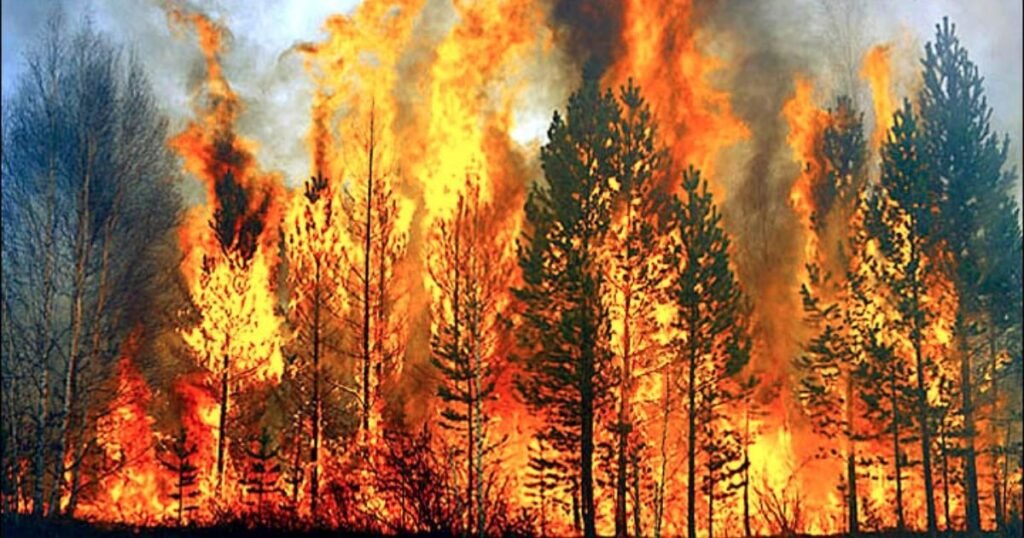
Increasing temperatures and prolonged droughts have led to more frequent and severe wildfires in the taiga. These fires not only destroy vast forests but also compound the stress on wildlife populations already impacted by habitat loss and climate change. Alarmingly, some species may not recover quickly enough to withstand the rising frequency of these destructive events.
Mining Activities
The rush for resources has sparked extensive mining across taiga regions. This practice leads to both habitat destruction and pollution, which can severely affect water quality and disrupt local wildlife. Species such as salmon, crucial for the ecosystem, suffer as their spawning grounds become contaminated or obliterated.
Habitat Fragmentation
The insatiable appetite for infrastructure development, such as roads and railways, further subdivides the habitat. This fragmentation prevents wildlife from accessing essential resources, breeding grounds, and migratory routes. As populations become isolated, genetic diversity diminishes, leading to increased vulnerability to diseases and environmental changes.
Addressing these intertwined challenges necessitates a holistic approach involving conservation strategies, community engagement, and sustainable practices to protect the diverse life that calls the taiga home.
Final Words
In conclusion, the taiga is a remarkable ecosystem bustling with unique Animals That Live in the Taiga have adapted to its chilly conditions. From the majestic moose roaming the forests to the elusive lynx stalking their prey, the diversity of wildlife here is truly captivating. Each species plays a vital role in maintaining the balance of this beautiful boreal forest. By learning about these fascinating creatures, we can better appreciate the importance of conserving their habitats. So, let’s make a point to protect the enchanting world of taiga animals together!
FAQ’S
What is a taiga?
The taiga, also known as boreal forest, is a vast biome characterized by coniferous forests, primarily found in northern regions like Canada, Russia, and Scandinavia. It experiences long, cold winters and short, mild summers. This environment supports a range of wildlife, including bears, moose, and various birds.
What type of animals live in taiga?
The taiga, or boreal forest, is home to a variety of animals. Common inhabitants include moose, wolves, bears, and lynxes. These animals are well-adapted to cold climates, with thick fur and efficient hunting skills.