Where Do Penguins Live: Exploring Penguin Habitats Around the World
Often associated with icy landscapes, penguins are surprisingly versatile creatures that inhabit various environments around the globe. In this article, “Where Do Penguins Live,” we will dive into the diverse habitats these fascinating birds call home.
Understanding where penguins live not only enriches our knowledge of these iconic animals but also highlights the importance of preserving their unique ecosystems. Get ready to explore the chilly coasts of Antarctica and sunny shores in places you might not expect.
Where Do Penguins Live in the Wild?
Where do penguins live? These fascinating creatures typically call the Southern Hemisphere home, with their largest populations found in Antarctica. The icy expanse, with its breathtaking landscapes and harsh climates, provides them with not just a home but a unique environment for survival, showcasing their remarkable adaptability.
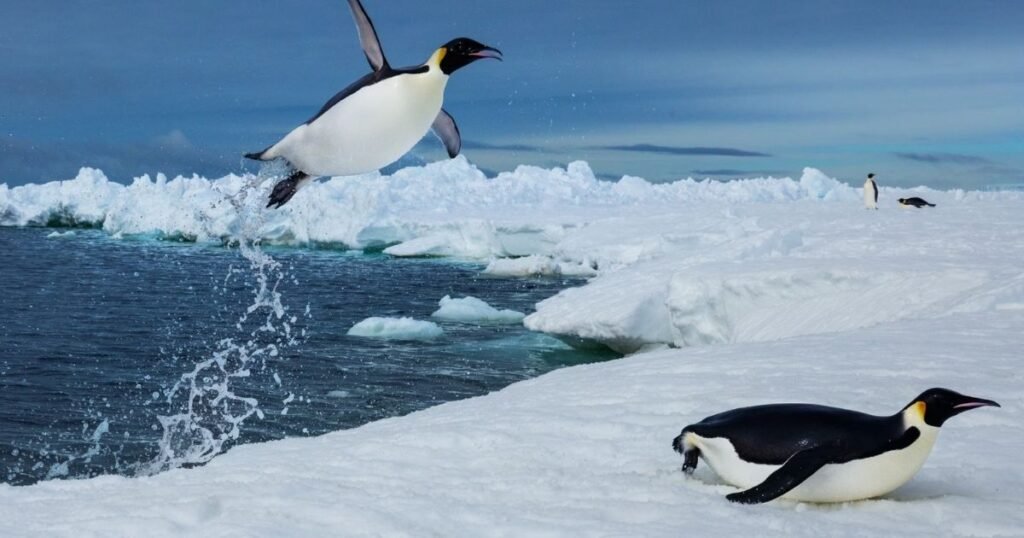
Beyond Antarctica, you’ll also find various penguin species in more temperate regions such as the coasts of South America, Africa, Australia, and New Zealand. For instance, the Galápagos penguin thrives in the warmer equatorial waters, defying the cold-loving stereotype many associate with their kin. These diverse habitats highlight how penguins have carved out niches in a range of ecosystems, relying on their swimming prowess to hunt and evade predators.
Top 5 Places Around the World Where Penguins Are Found
Below is the list of the Top 5 Places Around the World Where Penguins Are Found:
- Antarctica
- South Georgia Island
- Falkland Islands
- New Zealand
- Galápagos Islands
Antarctica
The ultimate sanctuary for penguins, Antarctica is renowned for its breathtaking icy landscapes and vast colonies of Adélie, Emperor, and Gentoo penguins. Witnessing these remarkable birds thrive in their natural habitat, waddling across glistening ice floes, offers an unmatched experience. The harsh environment showcases their resilience, making every encounter a testament to their adaptability.
Also read more: Taiga Animals: 15 Fascinating Wildlife of the Boreal Forest
South Georgia Island
Nestled in the southern Atlantic, South Georgia Island is a wildlife haven. Known for its staggering concentrations of King and Macaroni penguins, the island’s rugged terrain and rich marine ecosystem attract penguin enthusiasts year-round. The scene of thousands of penguins returning from the sea, their bellies full of fish, is nothing short of mesmerizing — an unforgettable choreography of nature.
Falkland Islands:
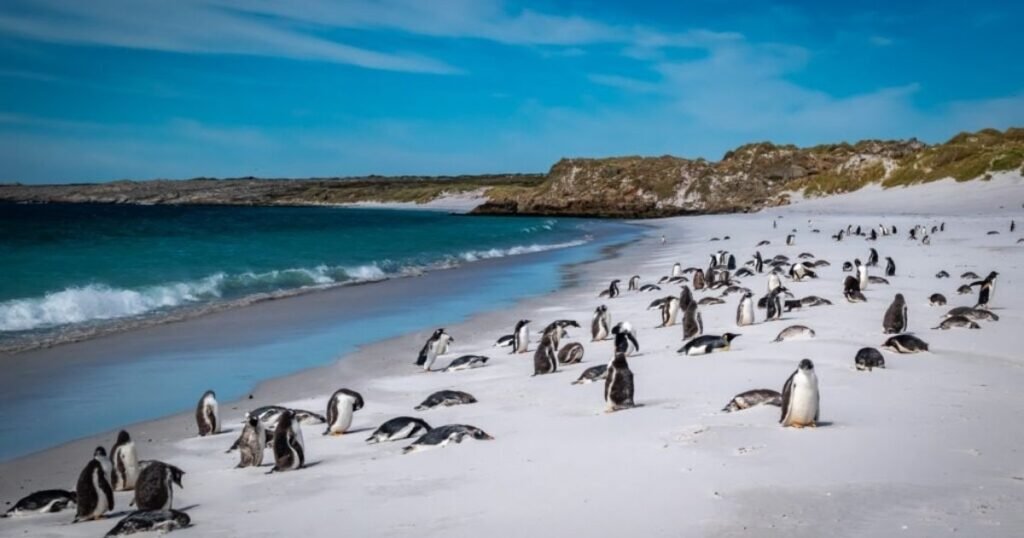
With a diverse range of penguin species, including Magallanic and Rockhopper penguins, the Falkland Islands offer a unique opportunity to see these creatures in varied environments. From grassy cliffs to sandy shores, the islands provide different backdrops for observing their spirited behavior. Each visit promises discoveries, as the penguins adapt their charming antics to the rugged terrain.
New Zealand
Home to the world’s smallest penguin, the Little Blue Penguin, New Zealand boasts stunning coastal landscapes where these endearing creatures can be spotted at dusk. The vibrant marine life surrounding the islands plays a critical role in the penguins’ survival. Spotting these little birds return to their nesting sites adds a magical touch to a coastal adventure.
Galápagos Islands
The Galápagos Islands are home to the unique Galápagos Penguin, the only species that ventures north of the equator. Adapted to warmer climates, these penguins provide a surprising view on tropical shores. Here, you can observe their playful nature as they dive through crystal-clear waters, a reminder of nature’s incredible ability to adapt and thrive in diverse environments.
5 Penguin Species and Their Natural Habitats
Below is the list of 5 Penguin Species and Their Natural Habitats:
- Emperor Penguin
- King Penguin
- Adélie Penguin
- Gentoo Penguin
- Galápagos Penguin
Emperor Penguin
The largest of all penguin species, the Emperor Penguin thrives in the harsh Antarctic landscape. These remarkable birds can endure freezing temperatures and blizzards, coming together in colonies to share warmth. Their unique breeding cycle, where males incubate eggs for up to 70 days, reflects a fascinating adaptation to their frigid environment.
King Penguin
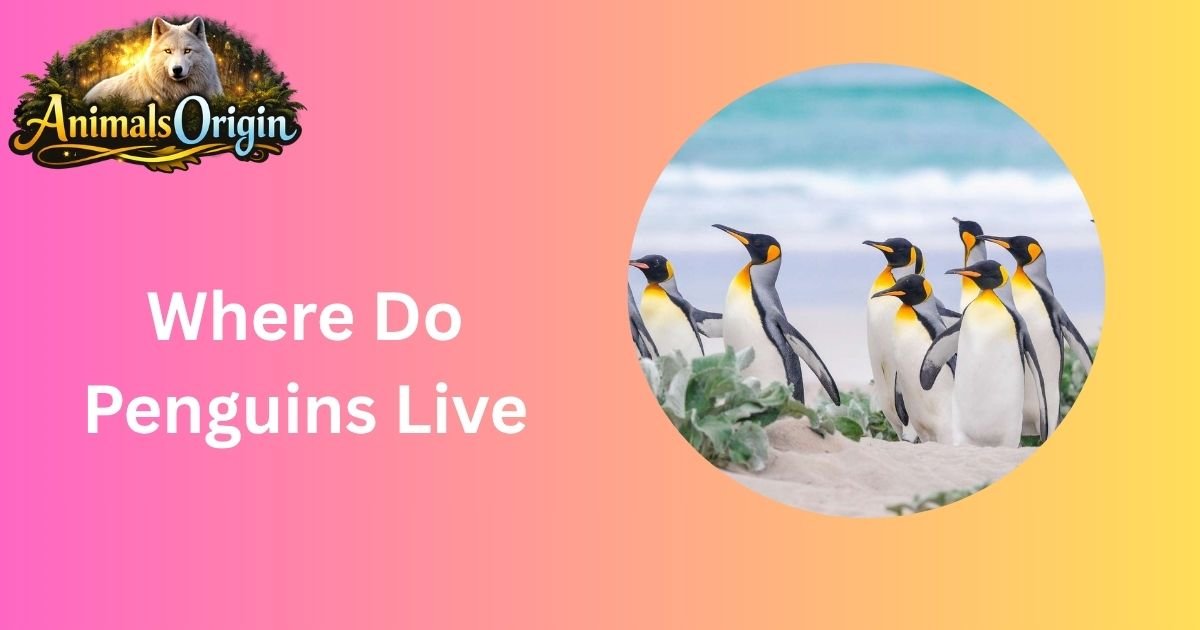
A close relative of the Emperor, the King Penguin is known for its striking orange and yellow markings, especially around the neck. Found primarily on sub-Antarctic islands, such as South Georgia, these penguins prefer milder climates and are often seen ashore foraging for fish and squid in the nutrient-rich waters.
Adélie Penguin
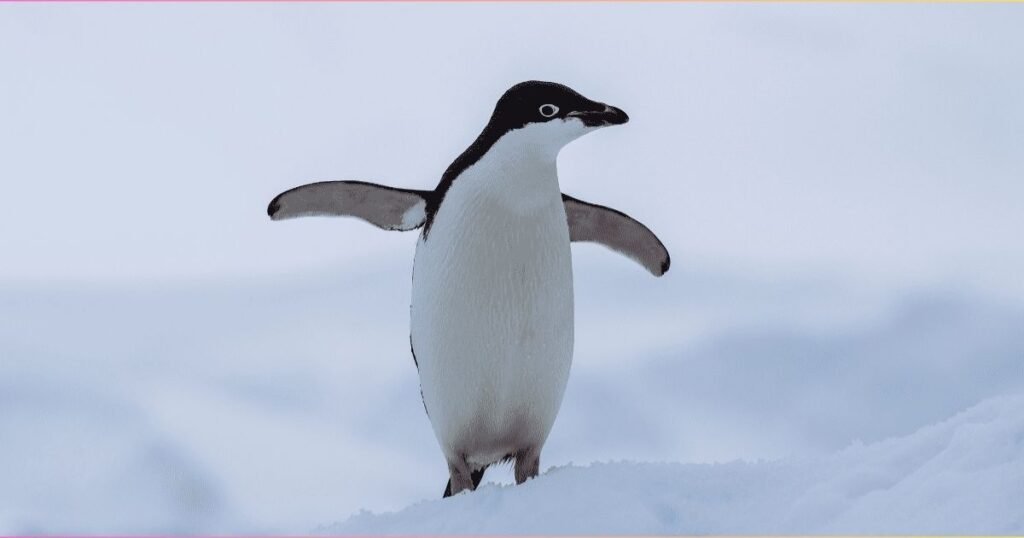
Smaller and extremely agile, the Adélie Penguin is a true inhabitant of the Antarctic coast. With their distinctive white rings around the eyes, these playful birds are known for their energetic nature and sociable behavior. Their habitats are largely composed of rocky beaches where they build nests from pebbles, showcasing their resourcefulness in a rugged environment.
Gentoo Penguin
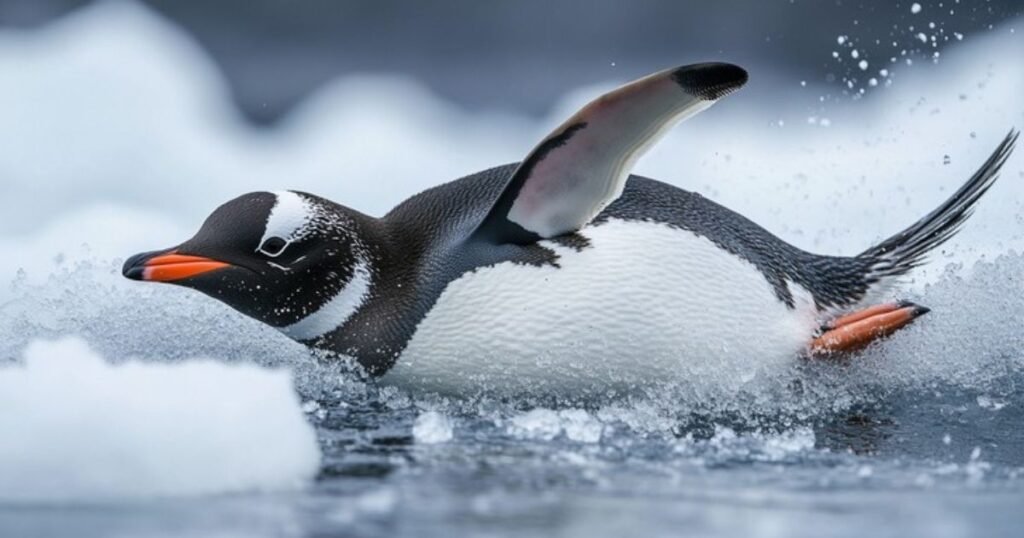
Renowned for their striking white eyebrow stripes, Gentoo Penguins are most often found on the sub-Antarctic islands and coastal regions. They are remarkable swimmers, capable of reaching speeds of up to 36 km/h, which allows them to quickly evade predators while hunting for krill and fish. Their preference for softer nesting materials, such as grass or feathers, sets them apart from others.
Galápagos Penguin
The only penguin species found north of the equator, the Galápagos Penguin has adapted to a more temperate environment. These small, charming birds thrive in volcanic islands, utilizing a range of habitats from rocky shorelines to coastal lagoons. Their unique breeding behaviors, including a flexible nesting schedule, allow them to take advantage of the warm waters, showcasing their resilience in a changing ecosystem.
5 Adaptations That Help Penguins Survive in Different Environments
Below is the list of 5 Adaptations That Help Penguins Survive in Different Environments:
- Dense Waterproof Feathers
- Thick Layer of Blubber
- Streamlined Body for Efficient Swimming
- Huddling Behavior for Warmth
- Specialized Salt Glands for Drinking Seawater
Dense Waterproof Feathers
Penguins are equipped with layers of specialized feathers that trap air and provide insulation against frigid waters. Each feather is coated with a natural oil that creates a waterproof barrier, allowing them to dive deep while staying dry. This unique adaptation not only aids in buoyancy but also helps them maintain their body temperature during extended periods in icy environments.
Thick Layer of Blubber
Beneath their skin, a thick layer of blubber acts as an essential insulator. This fatty tissue not only provides energy reserves during scarce food conditions but also enables penguins to tolerate extreme cold. The blubber allows them to withstand both the harsh Antarctic winds and the freezing waters, giving them an edge in survival.
Streamlined Body for Efficient Swimming
The aerodynamic shape of a penguin’s body is a marvel of evolution, designed for swift swimming in marine environments. Their flippers act like wings underwater, allowing for agile maneuvers while hunting for fish. This efficient swimming adaptation not only conserves energy but also enhances their hunting success, crucial for their survival in resource-scarce habitats.
Huddling Behavior for Warmth
In the unforgiving cold of the Antarctic, penguins display remarkable social behavior with their huddling technique. By clustering together, they reduce heat loss, share warmth, and increase their chances of survival during brutal storms. This cooperative behavior not only enhances individual survival but also strengthens colony bonds, highlighting the importance of social structure in extreme climates.
Specialized Salt Glands for Drinking Seawater
The salty marine environment poses a hydration challenge, yet penguins have evolved specialized salt glands located above their eyes. These glands filter out excess salt from the seawater, allowing them to drink it without suffering from dehydration. This adaptation is vital for their survival, especially during long periods at sea, ensuring they remain hydrated while foraging and thriving in their aquatic habitat.
Conservation Challenges Facing Penguin Populations Today
Below is the list of Conservation Challenges Facing Penguin Populations Today:
- Climate change
- Pollution
- Overfishing
- Predation by Invasive Species
- Habitat
Climate Change
Rising ocean temperatures jeopardize penguin feeding grounds, impacting their primary food sources like krill and fish. As ice melts, nesting sites diminish, forcing penguin populations to adapt rapidly to shifting habitats.
Pollution
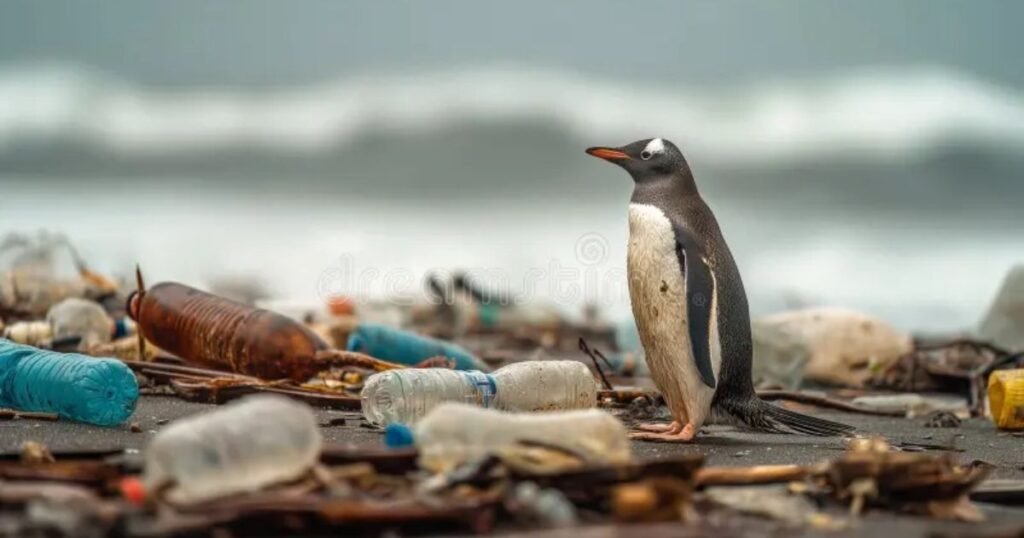
Marine environments are increasingly marred by plastic waste, which not only entangles these birds but also reduces the availability of clean water and food. Chemical pollutants further threaten their reproductive health and survival rates.
Overfishing
As commercial fishing intensifies, penguins find themselves in competition with humans for dwindling fish stocks. Unsustainable practices strip essential nutrients from marine ecosystems, ultimately compromising penguin diets and leading to population declines.
Predation by Invasive Species
Non-native animals, such as rats and cats, invade penguin nesting areas, preying on eggs and chicks. This predation disrupts the delicate balance of local ecosystems, making conservation efforts increasingly urgent.
Habitat Loss
Coastal development and human encroachment rob penguins of crucial nesting sites. As urban areas expand, the natural landscapes that support these iconic birds are lost, underscoring the need for strategic conservation planning.
Addressing these conservation challenges requires collaborative efforts among scientists, policymakers, and local communities to secure a future for penguins and their habitats.
Final Words
Penguins inhabit some of the most extreme environments on our planet, showcasing their extraordinary adaptability. From the icy shores of Antarctica to the more temperate regions of South America, these fascinating birds have found unique habitats that suit their needs. Each species has evolved to thrive in its specific surroundings, whether that’s the vast, frozen expanses of the Southern Ocean or the rocky coastlines of New Zealand.
Understanding where do penguins live not only deepens our appreciation for these remarkable creatures but also emphasizes the importance of protecting their fragile ecosystems. Let’s celebrate the diversity of penguin habitats and commit to conservation efforts that ensure their survival.
FAQ’S
Where do penguins live around the world?
Penguins primarily live in the Southern Hemisphere, with the majority found in Antarctica and surrounding islands. The most well-known species, the Emperor and Adélie penguins, inhabit the icy regions of Antarctica itself.
Where is a penguin habitat?
Penguins primarily inhabit the Southern Hemisphere, with the largest populations found in Antarctica. These flightless birds thrive in cold climates and icy environments, which provide the necessary conditions for their survival, including abundant food sources like fish and krill.