Burrowing Animals: 15 Fascinating Creatures That Live Underground
Burrowing animals are the unsung heroes of our ecosystems, playing vital roles beneath the surface that we often overlook. These fascinating creatures, from sneaky moles to industrious prairie dogs, create intricate tunnels that help aerate the soil and promote plant growth.
Understanding their behavior and contributions can deepen our appreciation of the natural world and the delicate balance of life underground. In this article, you’ll discover the unique adaptations, social structures, and environmental importance of burrowing animals, enriching your perspective on these intriguing inhabitants of our planet.
What Are Burrowing Animals and Why Do They Live Underground?
Burrowing animals are fascinating creatures that dwell beneath the surface, creating intricate networks of tunnels that serve as their home. These animals, ranging from rabbits to meerkats, have adapted to life underground for various compelling reasons. One of the primary motivations is the temperature regulation these subterranean environments provide; while the surface can be sweltering or frigid, deeper layers maintain a steady climate, offering a refuge from extreme weather.
Living underground also affords vital protection from predators and harsh conditions. Many burrowing animals have heightened senses and specialized limbs that allow them to dig efficiently and navigate their underground labyrinths.
Top 5 Mammals Known for Their Burrowing Habits
Below is the list of the Top 5 Mammals Known for Their Burrowing Habits:
- European Badger
- Naked Mole-Rat
- Wombat
- Prairie Dog
- Groundhog
European Badger
Known for their distinctive black and white stripes, European badgers are master diggers. They create extensive networks of burrows called setts, which can span over 40 meters! These social mammals use their complex underground homes not only for shelter but also as communal living spaces where entire families thrive. Their burrowing habits help aerate the soil, promoting healthier ecosystems.
Naked Mole-Rat
This remarkable rodent flips the script on mammalian burrowing. Naked mole-rats live in highly structured colonies, digging elaborate tunnels that can extend for miles. Adapted to a life underground, they can withstand low oxygen levels and high carbon dioxide concentrations, traits that set them apart in the mammal kingdom. Their burrows also serve as strategic places for food storage, reflecting a unique adaptation to their arid environments.
Wombat
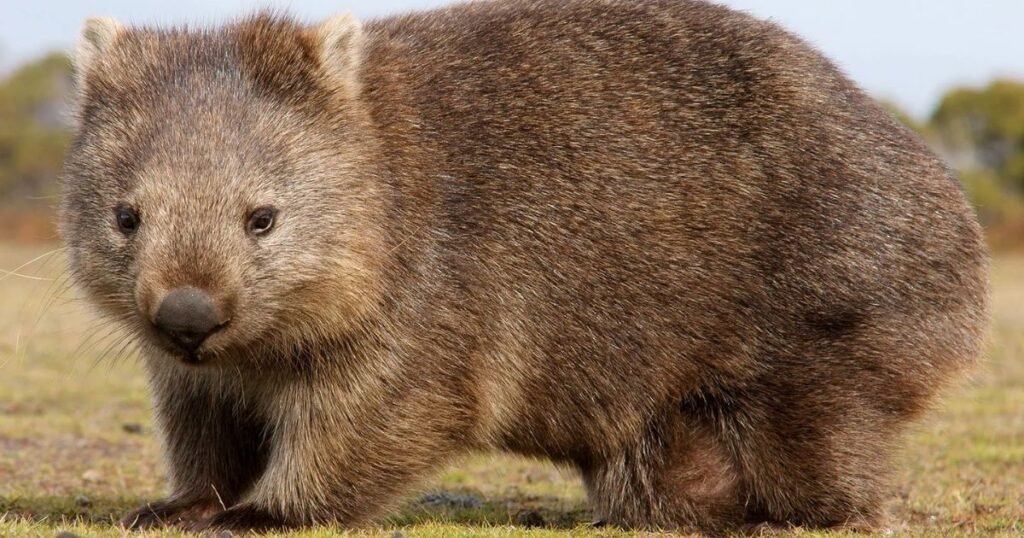
With their chunky bodies and powerful claws, wombats are renowned for creating impressive burrows in the Australian bush. Their tunnels can be up to 30 meters long, providing a cool refuge from the heat. Interestingly, wombat feces are cube-shaped, preventing it from rolling away and marking their territory in a rather conspicuous fashion. This quirky trait highlights the unique ecological interactions at play in their burrowing lifestyle.
Prairie Dog
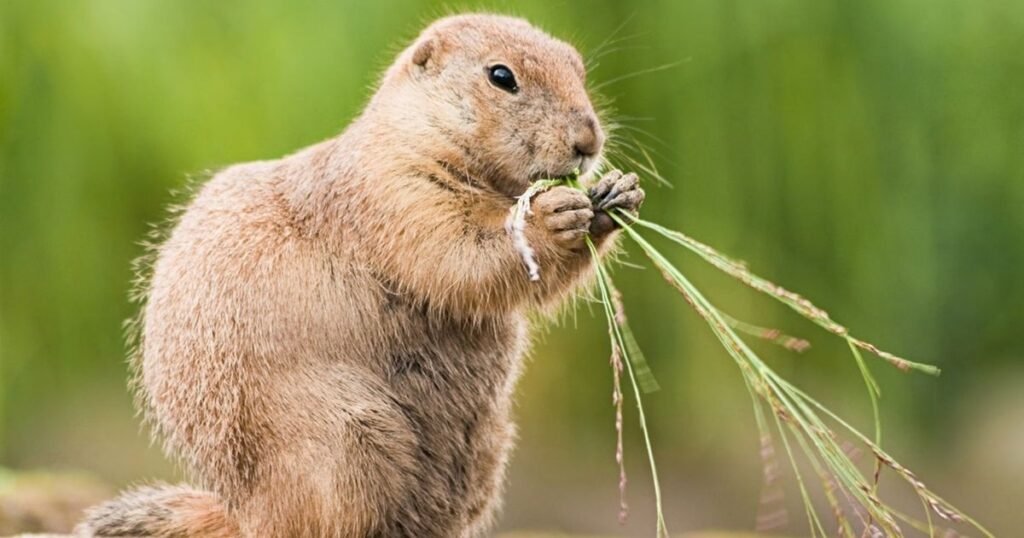
These social creatures are celebrated not just for their burrowing but for their complex social structures. Prairie dogs create extensive “towns” of interconnected tunnels, which offer refuge from predators and help regulate their community’s population. Their burrowing behavior enhances soil health and provides habitat for other species, making them keystone species in their ecosystems.
Read more: Where Do Penguins Live: Exploring Penguin Habitats Around the World
Groundhog
Also known as the woodchuck, groundhogs excavate deep burrows that can be up to five feet below ground. They use these homes for hibernation and as a refuge from predators. With a knack for gardening, these furry architects also help to aerate the soil, ensuring a richer environment for plant growth. Groundhogs aren’t just pests; their digging habits play a vital role in their habitats.
5 Reptiles That Spend Time in Underground Burrows
Below is the list of 5 Reptiles That Spend Time in Underground Burrows:
- Gopher Tortoise
- Desert Tortoise
- Eastern Indigo Snake
- Sand Boa
- Shovel-Nosed Snake
Gopher Tortoise
This charismatic reptile is often considered a keystone species in the southeastern U.S. Its burrows provide shelter not only for itself but also serve as crucial hideouts for countless other species, including rabbits and owls. These tortoises excavate burrows up to 40 feet long, showcasing their impressive digging abilities and creating a unique ecosystem underground.
Desert Tortoise
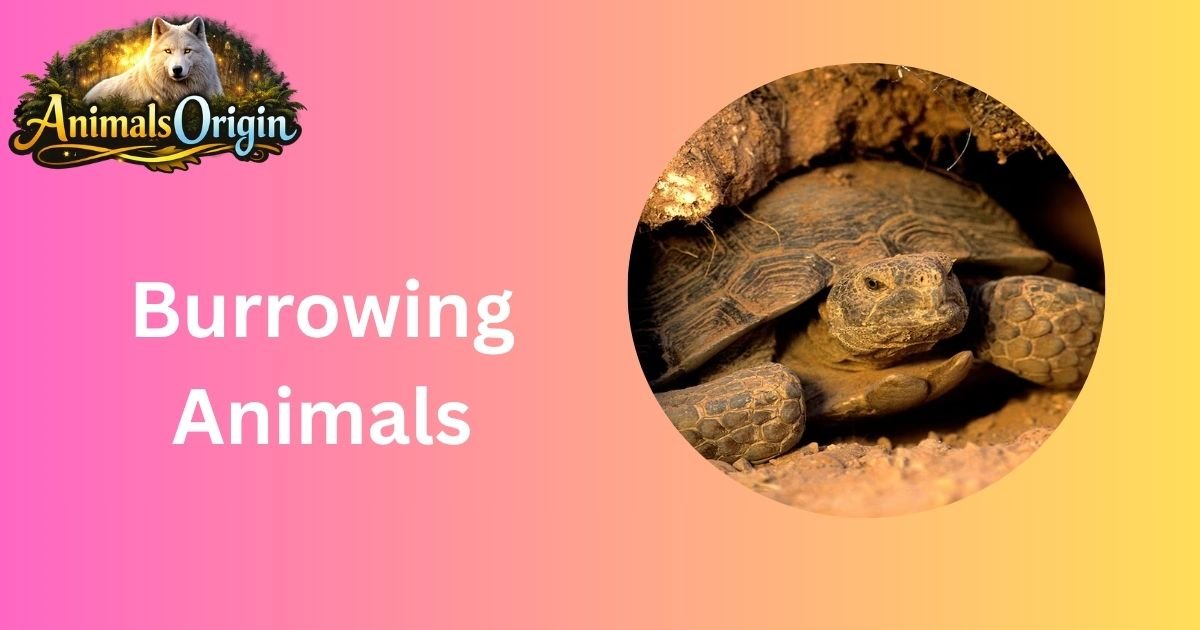
Adapted to arid environments, the Desert Tortoise relies on its burrow for thermal regulation, escaping the searing desert heat. These tortoises can remain underground for extended periods, conserving moisture and energy. Their burrows can be up to 10 feet deep, and they often share this subterranean sanctuary with other desert critters, fostering a rich symbiotic relationship.
Eastern Indigo Snake
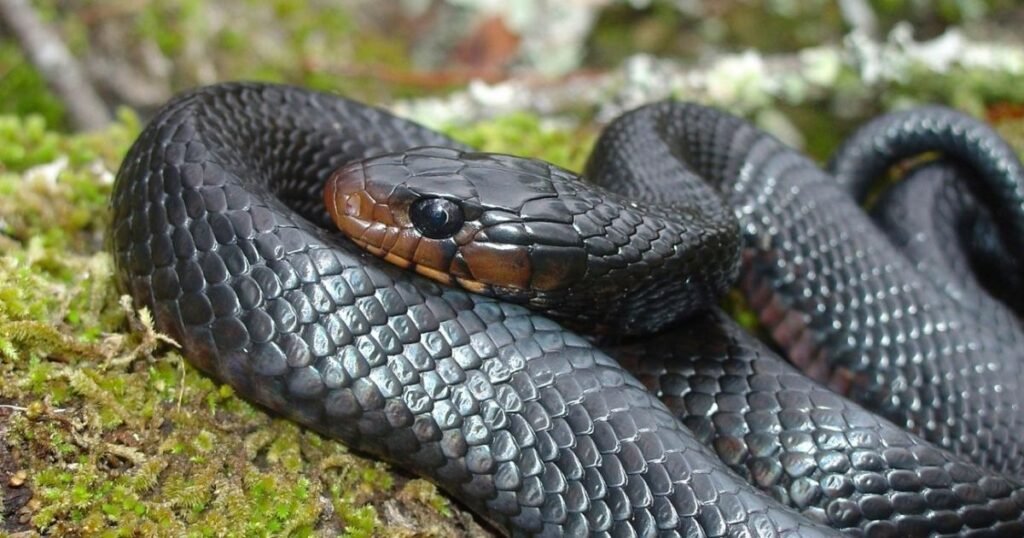
As the largest native snake species in the U.S., the Eastern Indigo often utilizes abandoned burrows for shelter and protection from predators. This adaptable snake can thrive in various habitats, but it strategically uses these underground spaces to hunt smaller reptiles and amphibians. By inhabiting these burrows, the Indigo plays a vital role in maintaining the ecological balance of its environment.
Sand Boa
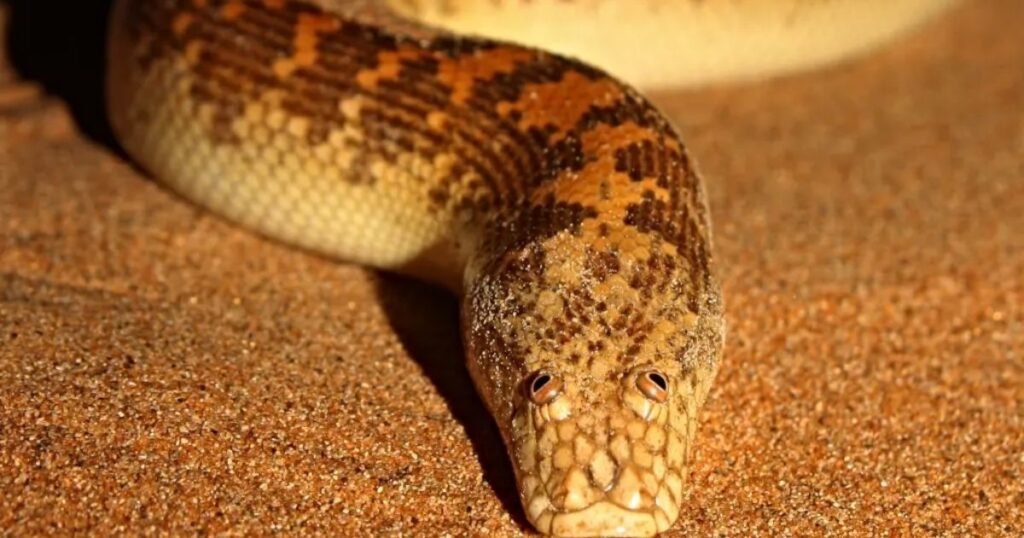
Known for their compact size and docile nature, Sand Boas spend considerable time in burrows, using their adapted bodies to navigate through sandy substrates. Their ability to burrow helps them evade predators and regulate body temperature. The Sand Boa’s lifestyle not only highlights its survival strategies but also emphasizes the importance of underground habitats in their desert ecosystems.
Shovel-Nosed Snake
True to its name, the Shovel-Nosed Snake is a master of excavation, using its specialized snout to dig through sand. These nocturnal reptiles create shallow burrows to escape the day’s heat and hunt their prey efficiently. By spending time underground, they perform an essential role in aerating the soil and maintaining the health of their sandy habitats, illustrating the interconnectedness of life beneath the surface.
5 Burrowing Invertebrates Found Around the World
Below is the list of 5 Burrowing Invertebrates Found Around the World:
- Earthworm
- Mole Crab
- Ghost Shrimp
- Burrowing Tarantula
- Lugworm
Earthworm
Often underestimated, the earthworm plays a pivotal role in soil aeration and nutrient cycling. As they burrow through the earth, they create extensive networks that allow water and air to reach plant roots. Their digestive processes enrich the soil, making them integral to healthy ecosystems and sustainable agriculture.
Mole Crab
Found on sandy beaches, the mole crab is a fascinating creature that exemplifies adaptability. With a specialized body shape allowing it to bury itself in the sand, this little invertebrate survives the harsh surf zone. Its ability to sift through sediment in search of plankton reveals how even the most unassuming organisms play essential roles in oceanic food webs.
Ghost Shrimp
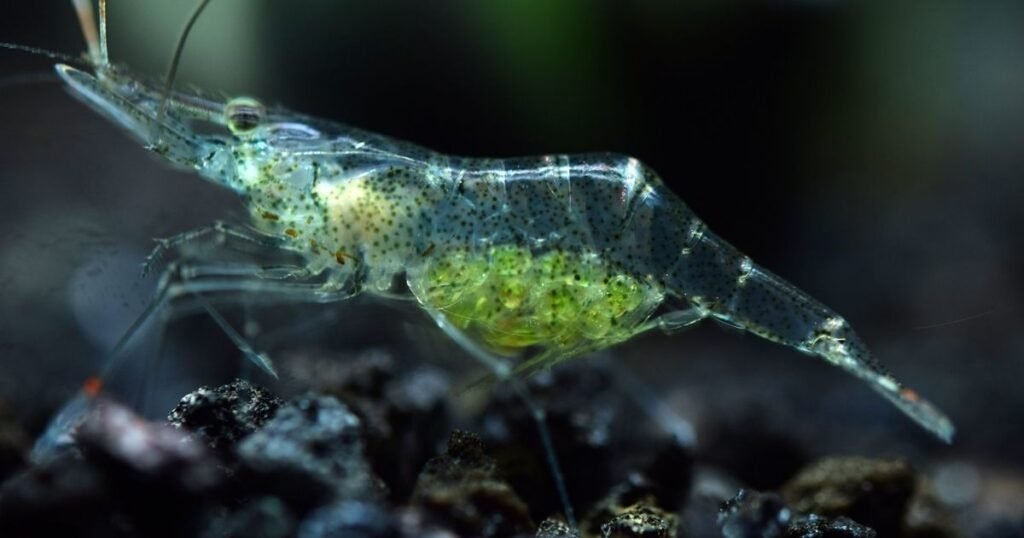
Also known as mud shrimp, ghost shrimp are master burrowers, creating complex tunnel systems in coastal habitats. Their burrowing activities not only provide shelter for numerous marine species but also help to aerate the sediment. This ecological interaction highlights the invisible connections between various marine life forms, where even a small shrimp can support a diverse community.
Burrowing Tarantula
This fascinating spider may evoke fear, but the burrowing tarantula is an impressive engineer of its ecosystem. Its silk-lined burrows not only serve as a home but also offer refuge to other small creatures. As they hunt for insects, these tarantulas help manage pest populations, emphasizing their indirect contributions to maintaining ecological balance.
Lugworm
Living buried in intertidal sand and mud, lugworms are a vital link in marine ecosystems. Their unique ability to consume organic matter and excrete nutrient-rich waste promotes soil health in coastal environments. They’re not just inhabitants of the mud; they’re powerful agents of change, supporting diverse life forms from fish to crustaceans. Each burrow dug by a lugworm enriches the sand, showcasing the intricate web of life beneath our feet.
How Burrowing Animals Help Maintain Healthy Ecosystems
Burrowing animals play a crucial role in maintaining healthy ecosystems, often acting as nature’s underground engineers. By :
Soil Aeration
Burrowing animals, like rabbits and groundhogs, create extensive tunnel systems that aerate soil. This process not only enhances water infiltration but also encourages root growth for surrounding vegetation. The tunneling activity breaks up compacted soil, allowing nutrients to circulate freely.
Nutrient Redistribution
As these animals dig, they inadvertently bring nutrients from deeper layers of the earth up to the surface. This redistribution plays a crucial role in promoting healthy plant growth and sustaining biodiversity in their habitats. Plants benefit from enhanced nutrient availability, leading to richer and more resilient ecosystems.
Habitat Creation
The tunnels of burrowing animals provide shelter for various other species, contributing to a complex web of life. Small mammals, insects, and even reptiles often take refuge in these underground homes, thereby enhancing biodiversity. These communal living spaces not only offer protection but also create microhabitats that foster unique ecological interactions.
Final Words
In conclusion, burrowing animals are truly remarkable creatures that play vital roles in their ecosystems. From the industrious aardvark to the adorable mole, these animals not only create homes for themselves but also contribute to soil aeration and nutrient cycling.
Their unique adaptations for underground living give us insight into the wonders of nature and highlight the importance of preserving their habitats. As we learn more about these fascinating animals, we can appreciate the unseen world beneath our feet. So, next time you see a burrow, take a moment to admire the incredible life that might be thriving just below the surface!