Animals With Stripes: A Guide to Nature’s Bold Patterns
Zebras’ stripes are as unique as human fingerprints. Animals with stripes are some of the most fascinating creatures in the animal kingdom, captivating our imagination with their stunning patterns. But these stripes are more than just a pretty sight; they serve crucial survival functions in the wild.
In this guide, we’ll explore the different striped animals, their habitats, and how their unique designs help them thrive. Get ready to discover the secrets of nature’s bold patterns.
Why Do Animals Have Stripes?
Stripes are not just for decoration; they play vital roles in the animal kingdom. For instance, many creatures use their stripes for camouflage. A zebra’s bold black-and-white stripes help it disappear into the tall grass when it stands still, making it harder for predators to spot. In the dense forests, tigers and other striped animals blend seamlessly into the dappled light and shadows, enhancing their chances of survival.
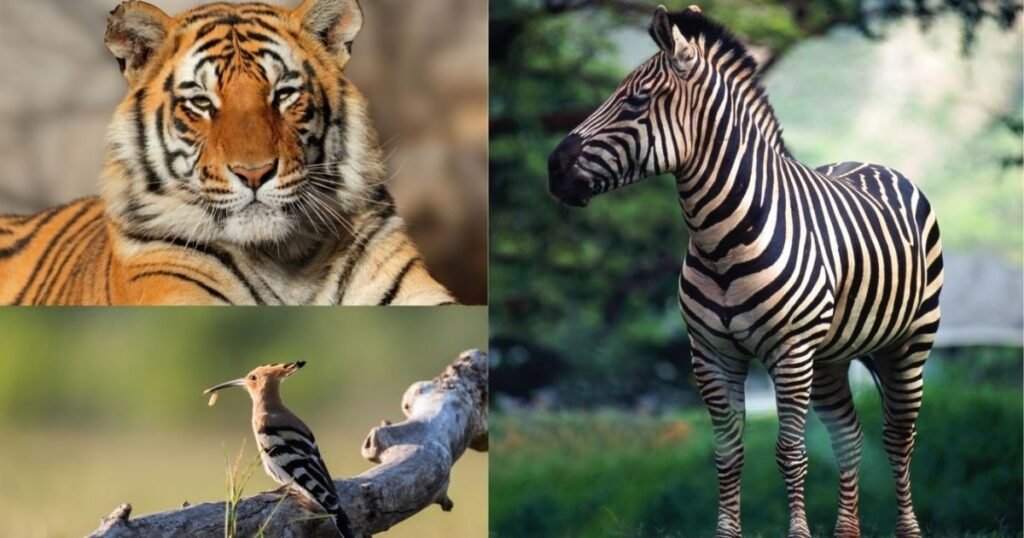
As well as stripes protect in surprising ways. When animals like zebras or groups of fish move together, their patterns can confuse predators. This “distraction effect” makes it difficult for a hungry lion or bird to focus on one single target, allowing the group a better chance of escape. Beyond safety, stripes also aid identification; they help animals recognize one another within their species. Each tiger’s stripe pattern is unique, almost like a fingerprint, helping them identify friends, rivals, or even potential mates. These fascinating functions remind us that stripes are not mere adornments but essential tools for survival and social interaction in the wild.
Famous Animals With Stripes
Tiger
The tiger is one of the most powerful striped animals, utilizing its orange coat with black stripes for camouflage in tall grass while hunting. This striking pattern not only aids in stealth but also serves as a symbol of the tiger’s incredible adaptability, allowing it to thrive in diverse environments, from dense forests to open grasslands.
Zebra
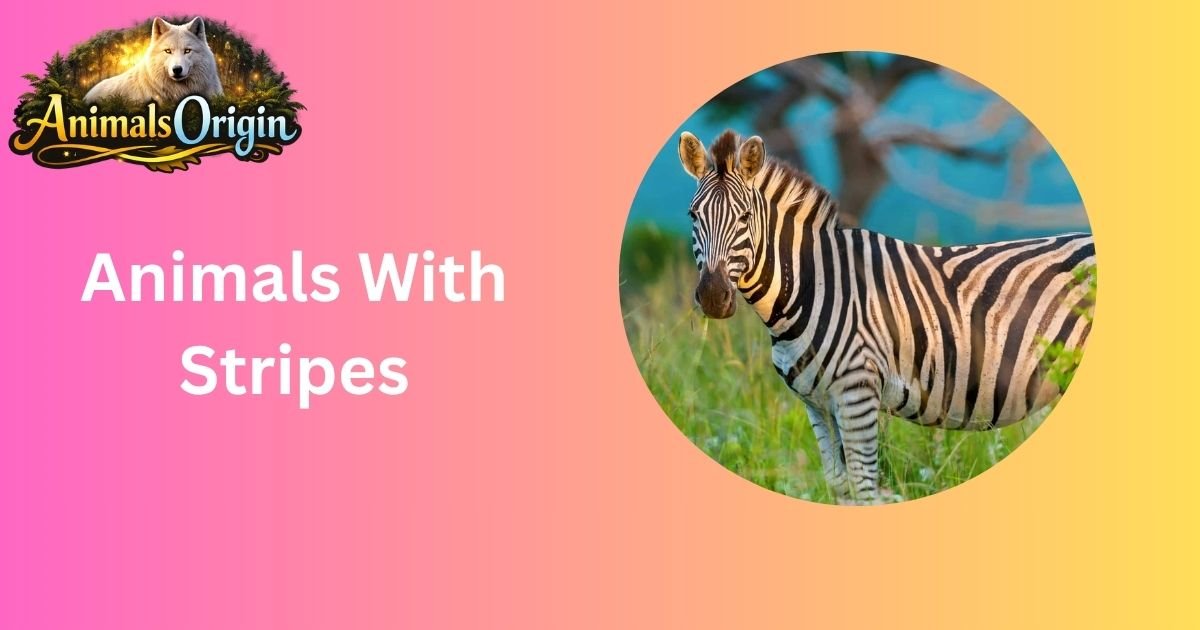
Zebras captivate us with their black-and-white stripes, each possessing a unique pattern akin to a fingerprint. This uniqueness plays a crucial role in social bonding among herd members and helps confuse predators during stampedes. The stripes also serve as a natural insect repellent, making these animals as clever as they are captivating.
Skunk
With their bold stripes, skunks send a clear warning to potential predators, showcasing nature’s ingenuity in defense mechanisms. Their notorious spray, a potent mix of chemicals, serves as a last resort, allowing them to escape dangerous encounters and reinforcing the effectiveness of their striking coloration.
Okapi
The okapi is a lesser-known gem that resembles a blend of a zebra and a giraffe, donning striped legs that offer excellent camouflage in the dense rainforests of the Congo. These stripes break up their outline, protecting them from predators while elegantly complementing their elongated necks and unique body structure. In a world of flamboyant wildlife, the okapi is a serene reminder of the beauty found in subtlety.
How Stripes Help Survival
Stripes are a Mesmerizing natural survival tool that serve a variety of purposes in the animal kingdom. For instance, the bold black-and-white patterns of zebras are more than just striking; they play a vital role in breaking up the outline of their bodies against the savanna. This clever adaptation helps confuse predators, especially when they move in groups. The stripes create an optical illusion that makes it challenging for hunters to single out one zebra, turning dinner into a disorienting chase.
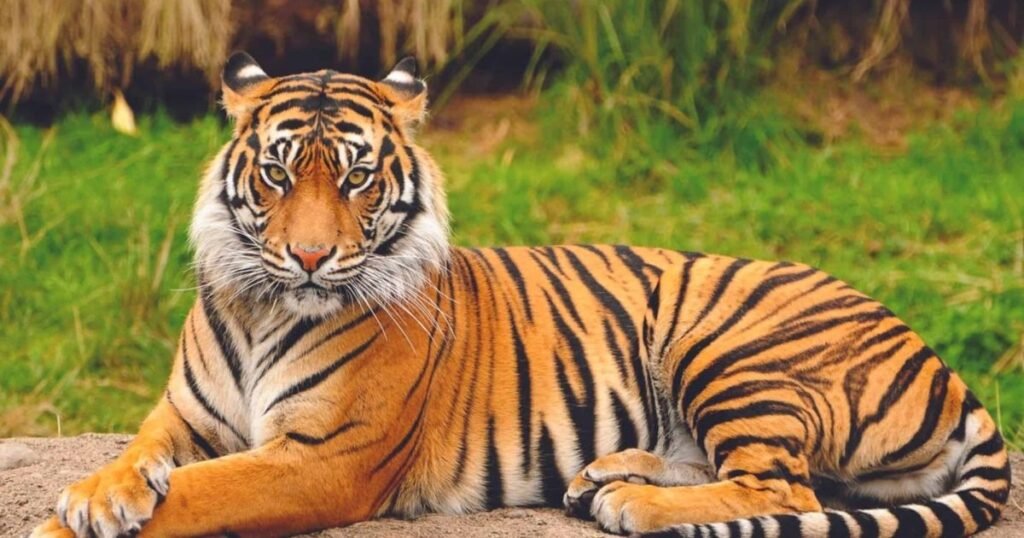
But it’s not just zebras that benefit from stripes. Tigers, with their fiery patterns, blend seamlessly into the dappled light of the jungle, allowing them to ambush prey. For these creatures, stripes aren’t just about aesthetics; they’re a tactical advantage in their often unforgiving environments. By making it harder for predators to focus on one target, stripes help ensure that species can thrive, continuing the cycle of life in remarkable ways. Nature is full of surprises, reminding us that sometimes, what appears to be simple beauty holds deeper secrets of survival.
Read more:Energetic Animals: Nature’s Most Active Creatures
Interesting Facts About Striped Animals
Unique stripe patterns in animals are fascinating, primarily because they are akin to human fingerprints; no two zebras are the same. This remarkable trait helps zebras identify one another, fostering social bonds within the herd. Imagine a wild world where each pattern tells a story, acting as a visual cue in the bustling savannah.
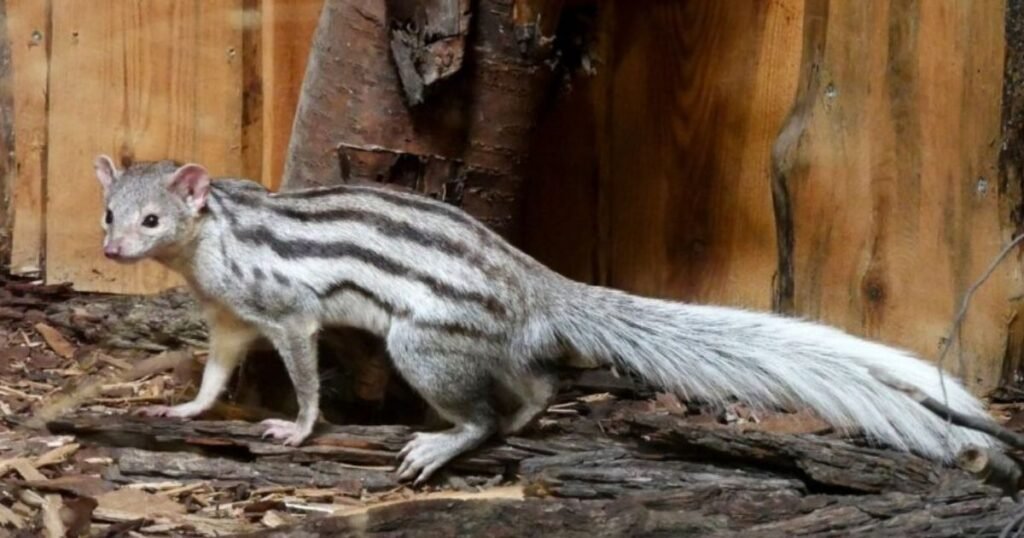
But stripes aren’t just for show. They serve practical purposes, like camouflage and deterring pesky flies. For instance, recent studies have suggested that the striped patterns disrupt a fly’s vision, making it harder for the fly to land on striped animals. Surprisingly, animals like tigers and even certain species of fish exhibit some striped designs, demonstrating nature’s creative flair. The charm of striped animals offers a glimpse into the incredible adaptations that help them survive and thrive in their unique environments.
Final words
The world of striped animals is not just interesting, it’s a vibrant testament to nature’s creativity and adaptability. From the majestic tiger prowling through the jungle to the playful zebra grazing on the savannah, stripes serve various purposes, from camouflage to social signaling.
By understanding these remarkable patterns, we gain insight into the animals’ behaviors and habitats, enriching our appreciation for biodiversity. So next time you come across these beautifully striped creatures in the wild or at a zoo, take a moment to admire their unique traits. Let’s continue to explore and protect our planet’s amazing wildlife.
FAQs
What Animals have Stripes?
Several animals are known for their distinctive stripes. The most famous is the zebra, with its black and white patterns that help it blend in with the grasslands. Tigers also boast striking stripes that provide excellent cover in their jungle habitats, making them formidable hunters.
What are Some Striped Insects?
One common example is the zebra longwing butterfly, known for its striking stripes. These butterflies are not only beautiful but also serve as pollinators.
Paper wasps often have yellow and black stripes and are commonly found building their nests in sheltered areas.
The tiger mosquito is infamous for its dark stripes. This small insect is known to be a vector for various diseases, so it’s important to take precautions in areas where they thrive. Overall, striped insects can be as intriguing as they are varied.