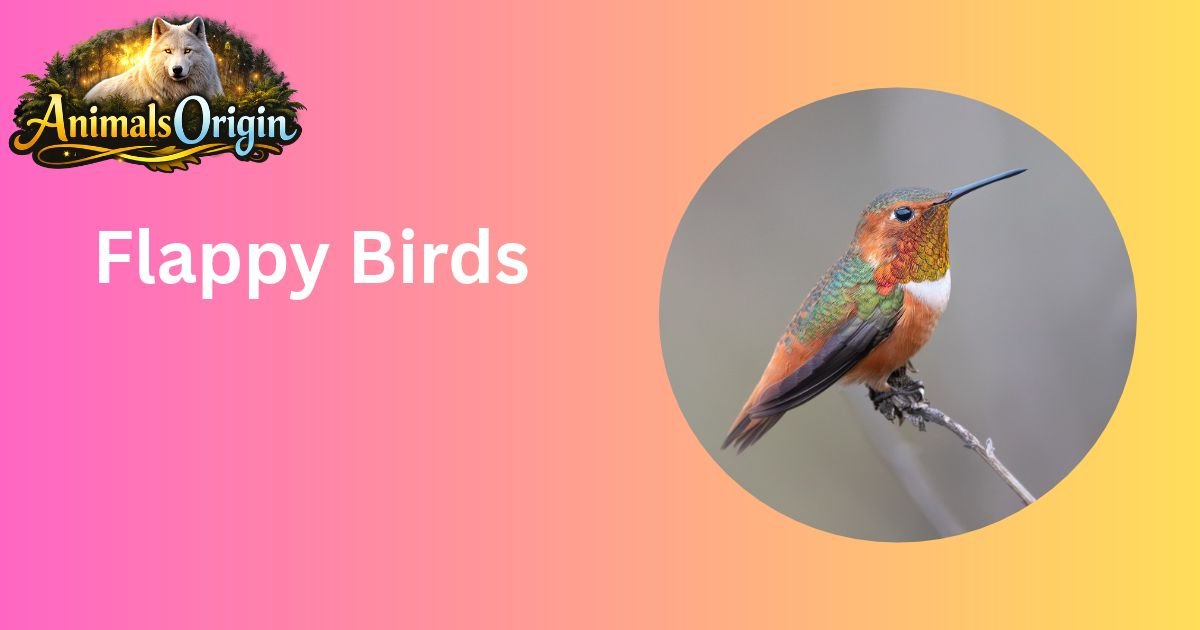
Flappy Birds: 15 Small Birds With Fast, Fluttering Wings
Welcome to the fascinating world of flappy birds. Did you know that some of the world’s smallest birds can beat their wings up to 100 times per second?
In this guide, we’ll explore 15 tiny avian wonders with incredible fluttering wings that leave us in awe of nature’s engineering. Join us as we uncover their unique adaptations, behaviors, and vital roles in our ecosystems. By the end, you’ll have a newfound appreciation for these rapid fliers.
What Are Flappy Birds?
The world of Flappy Birds extends beyond the pixelated screen of our smartphones into the vibrant realm of nature. Imagine tiny avian acrobats darting through lush canopies and shimmering gardens, each flapping their wings with remarkable agility.
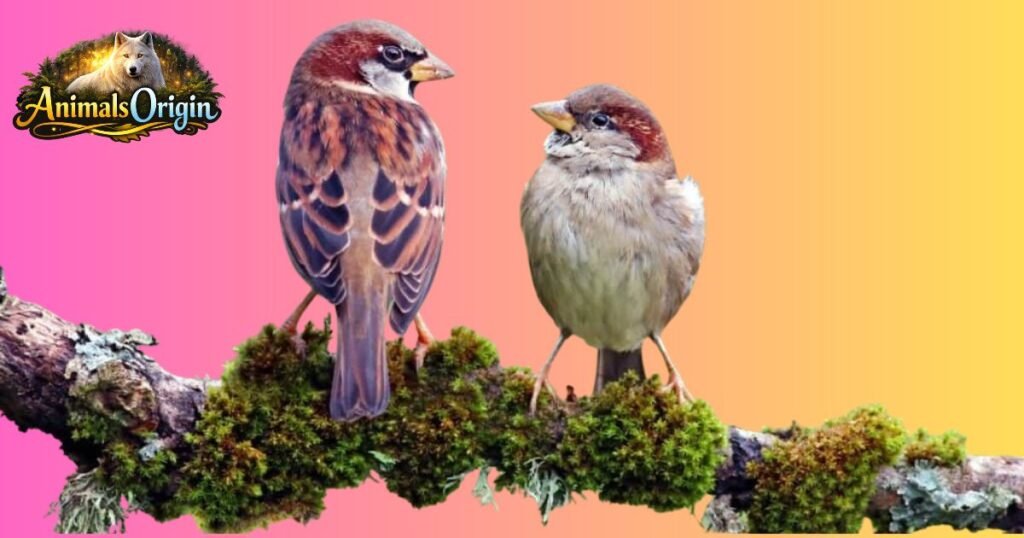
Species like the Ruby-throated Hummingbird and the Black-capped Chickadee embody the spirit of these digital flappers. Their rapid wing beats, sometimes reaching up to 80 times per second, are a testament to the wonders of evolution, allowing them to hover, dart, and perform incredible aerial maneuvers.
15 Flappy Birds You Should Know
Below is the list of flappy birds.
- Hummingbird
- House Sparrow
- American Robin
- Barn Swallow
- House Finch
- European Starling
- Common Swift
- Purple Martin
- Zebra Finch
- Canary
- Blue Jay
- Black-capped Chickadee
- Goldfinch
- Cedar Waxwing
- Northern Cardinal
Hummingbird
Known for their incredible agility and vibrant colors, hummingbirds are nature’s aerodynamic wonders. They can hover in mid-air, making them a favorite among bird watchers, especially during migration seasons.
House Sparrow
Once a symbol of urban life, the resilient house sparrow is adaptable, thriving in cities across the globe. Its flocks often create lively scenes, filling the air with their chatter and energy.
American Robin
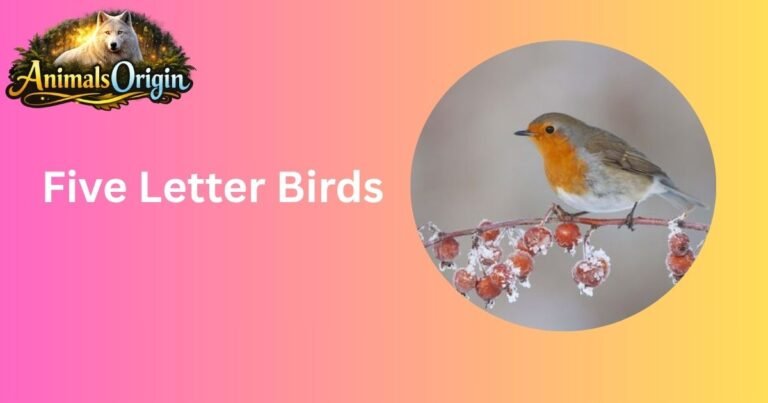
This iconic bird heralds spring with its melodious song and distinctive red breast. Known for its foraging habits, the American Robin plays a vital role in pest control and seed dispersal in gardens.

Barn Swallow
With their elegant aerial acrobatics, barn swallows epitomize grace. Their unique nesting habits, often in human-made structures, showcase their adaptability and close ties to human environments.
House Finch
Vibrant and social, house finches are often seen fluttering around feeders. Their cheerful chirps and variety of colors make them a delightful addition to suburban settings.
European Starling
With a stunning sheen of iridescent feathers, starlings are remarkable mimics capable of imitating a range of sounds. Their murmurations are a breathtaking spectacle of nature’s choreography.
Common Swift
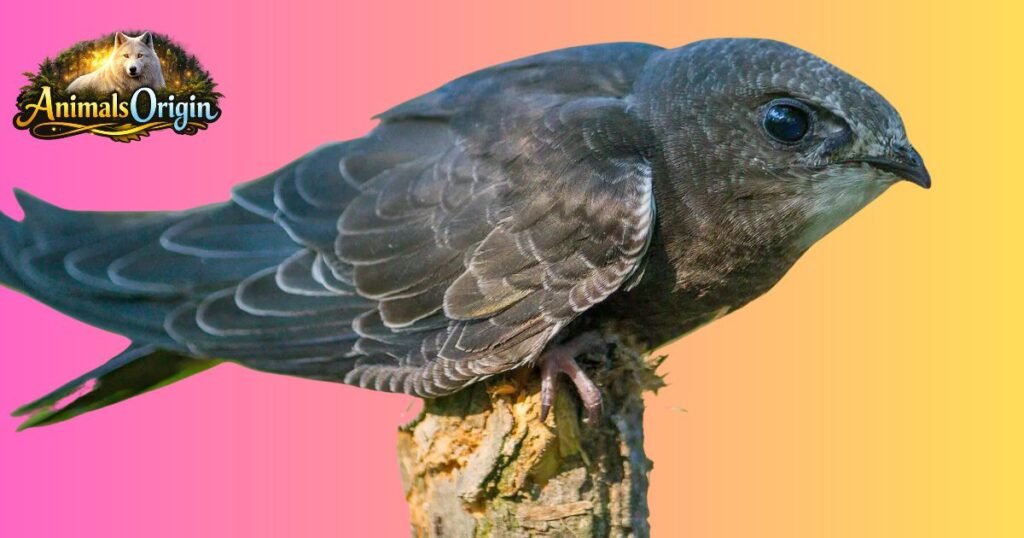
These masterful fliers spend most of their lives in the air, only returning to land for nesting. Their streamlined bodies and impressive wingspan make them a standout among avian athletes.
Purple Martin
As North America’s largest swallow, the Purple Martin is known for its striking plumage and social behavior, often nesting in colonies. They are also effective at controlling insect populations.
Zebra Finch
This small yet charming bird is popular in aviculture. Its playful nature and beautiful patterns make it a favorite among bird enthusiasts, showcasing the diversity within finch species.
Also read more: Animals With Stripes: A Guide to Nature’s Bold Patterns
Canary
Renowned for their beautiful singing, canaries have captivated humans for centuries. Their bright yellow hues remind us of sunny days, adding cheer wherever they reside.
Blue Jay
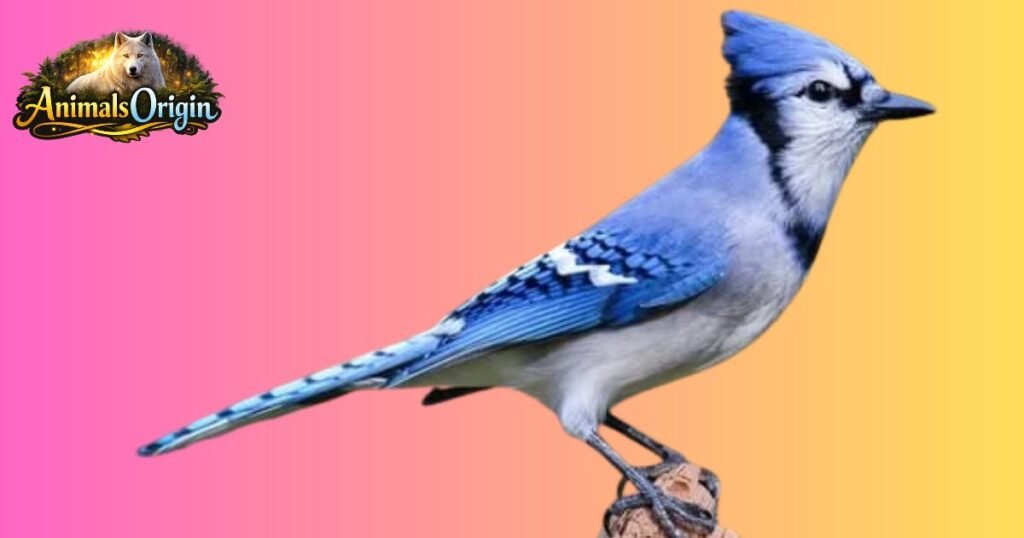
With striking blue and white plumage, blue jays are as intelligent as they are beautiful. Known for their complex social structures, they can mimic the call of hawks to protect their nests.
Black-capped Chickadee
These friendly little birds are often the first to greet visitors at feeders. Their distinct “chick-a-dee-dee-dee” call varies in intensity, signaling different threats.
Goldfinch
A symbol of happiness, goldfinches are known for their cheerful appearance and acrobatic feeding habits. They embody the changing seasons with their vibrant yellow plumage in summer.
Cedar Waxwing
Elegantly dressed and social, the cedar waxwing is often seen in flocks. Their diet primarily consists of berries, making them vital in seed dispersal and regional biodiversity.
Northern Cardinal
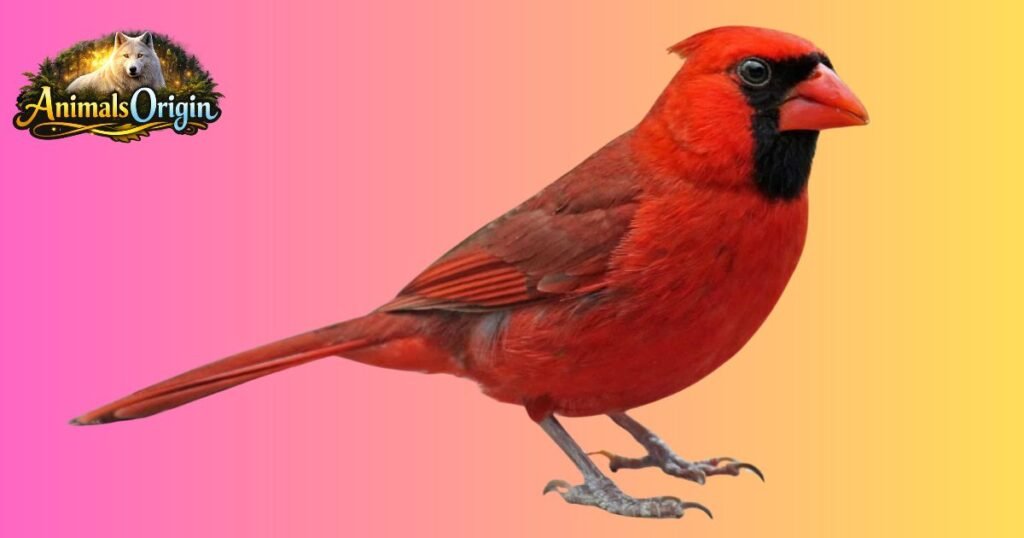
Instantly recognizable by their bright red feathers, Northern Cardinals are also known for their strong pair bonds. Their cheerful songs and striking appearance make them a beloved species across many backyards.
How Flappy Birds Use Their Wings
Birds that flap their wings exhibit remarkable agility, a feature particularly exciting in small flying birds like hummingbirds. These tiny avians possess rapid wing movements, allowing them to hover in mid-air with astonishing precision. Their unique wing structure supports not only flapping but also intricate maneuvers, enabling them to dart rapidly from flower to flower while avoiding predators.
In contrast, fast-flying birds like swifts utilize powerful, fast wing beats to cover vast distances with minimal energy expenditure. Their wings are uniquely adapted to reduce drag and enhance speed, proving that evolution has finely tuned these creatures for survival.
Where Flappy Birds Live
In the vibrant ecosystem of our skies, flappy birds find their home among dense forests, open fields, and bustling urban areas. These enchanting creatures, characterized by their rapid wing movements, can be spotted darting through underbrush or hovering near flower patches. Notably, the small size of these fast-flying birds allows them to maneuver swiftly, flitting between branches and dodging obstacles with remarkable agility.

A unique aspect of birds that flap their wings is their ability to adapt to various habitats. While some prefer the tranquility of woodland canopies, others thrive in the fast-paced dynamics of city life, where they rely on quick reflexes to navigate amidst human structures. These birds with fast wing beats not only showcase nature’s ingenuity but also highlight the delicate balance necessary for survival in diverse environments.
Unique Traits of Flappy Birds
Flappy Birds, with their fluttering wings, offer a fascinating glimpse into a world where simplicity meets challenge. These birds aren’t just about appearance; their rapid wing beats exemplify agility and precision, allowing them to navigate through intricate obstacles. This blend of aesthetics and mechanics makes the gameplay riveting, as players must master the timing of each tap to mimic the bird’s flutter, emphasizing the importance of rhythm in flight.
Moreover, the quirky design of these birds that fly quickly resonates with players, creating an emotional connection. Each bird is a testament to how design can influence perception; their bright colors and exaggerated features embody an essence of playfulness. This dynamic nature is further highlighted by the strategic evasion of pipes, showcasing the powerful wings of these digital creatures as they propel through challenges, making each failed attempt a lesson in persistence.
Final Words
In final words, the world of Flappy Birds showcases an impressive array of small avian species that captivate us with their fast, fluttering wings. From the vibrant colors of each bird to their agile movements, these tiny creatures play a vital role in our ecosystems.
They not only help pollinate plants but also serve as indicators of environmental health. By observing and appreciating these remarkable birds, we can deepen our connection with nature. So, next time you spot one in your backyard or on a hike, take a moment to marvel at their beauty and grace!
FAQs
Why was Flappy Bird Banned?
Flappy Bird was never officially banned, but its creator, Dong Nguyen, removed it from app stores in 2014. The game gained massive popularity and attracted millions of players, but it also faced backlash for its addictive nature and simple yet frustrating gameplay. Nguyen felt overwhelmed by the attention and pressure that came with its success.
What is Flappy Bird 10000?
Flappy Bird 10000 is an unofficial version of the original Flappy Bird game, which gained massive popularity for its challenging gameplay. In this version, players aim to achieve a score of 10,000 points, an almost mythical challenge in the Flappy Bird community. The game retains the frustratingly simple mechanics, but the increased score goal adds another layer of difficulty.
Why was Flappy Bird so Addictive?
Flappy Bird’s addiction factor stems largely from its simplicity. The game has one core mechanic: tapping to keep the bird afloat while navigating through pipes. This straightforward gameplay makes it easy to pick up but hard to master, creating a compelling challenge that keeps players coming back for “just one more attempt.”