
Egret Birds: 15 Fascinating Facts About These Elegant Wading Birds
Egret birds are not only a stunning sight in coastal wetlands, but they also have a captivating story that many people might not know. These elegant wading birds have adapted remarkably to their environments, showcasing traits that are both beautiful and intriguing.
In this article, we will explore 15 fascinating facts about egrets, providing insights into their unique behaviors and ecological significance. Discover why these birds deserve a special place in our hearts and how they contribute to the health of their ecosystems.
What Are Egrets and What Makes Them Unique?
Egret birds are a striking presence in wetlands and coastal regions, adorned with their elegant white plumage and long, slender necks. These graceful creatures belong to the heron family, yet they possess their own unique charm. What sets egrets apart is not just their stunning appearance but their fascinating behaviors, like their intricate mating rituals, where they display plumes and engage in elaborate courtship dances.
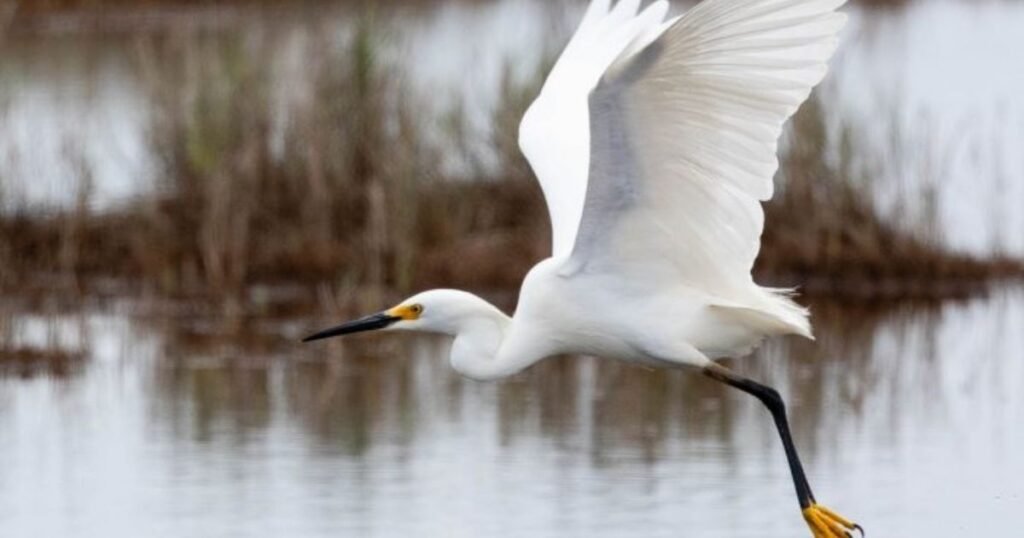
Their adaptability in various environments makes egrets a vital part of both freshwater and saltwater ecosystems. They play an essential role in controlling fish populations and maintaining the ecological balance by feeding on small fish, amphibians, and insects.
Top 5 Egret Species Found Around the World
Below is the list of the Top 5 Egret Species Found Around the World:
- Great Egret
- Snowy Egret
- Little Egret
- Cattle Egret
- Reddish Egret
Great Egret
Renowned for its striking white plumage and elegant silhouette, the Great Egret stands tall as a symbol of purity and grace in wetlands worldwide. Spanning habitats from North America to Asia, this species has adapted remarkably to both freshwater and saltwater environments. Its keen hunting skills, combined with a captivating courtship display where the male fan out long feathers, make it a true marvel in the avian kingdom.
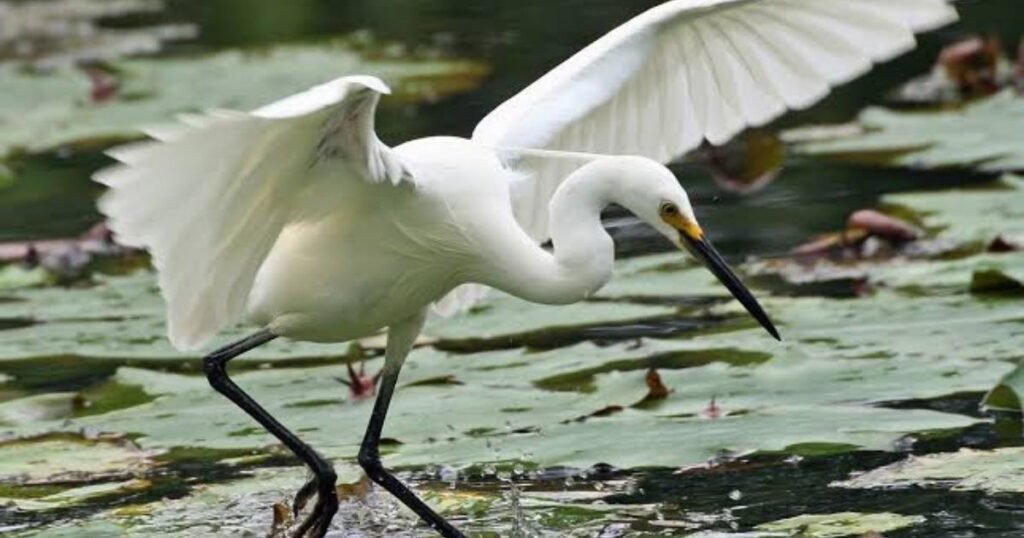
Snowy Egret
With its distinctive yellow feet and sharp, nimble movements, the Snowy Egret is a master of the shallow waters. Uniquely, its hunting technique involves a “foot-stirring” action, which unsettles fish and makes them easier to catch. Found primarily in the Americas, this species embodies both beauty and efficiency, often displaying an elegant dance-like approach to foraging that enchants birdwatchers.
Read more: Do Penguins Have Teeth: 15 Surprising Facts About Penguin Mouths
Little Egret
This small, yet striking egret, distinguished by its slender frame and black legs, is prevalent in Europe and Asia. The Little Egret has thrived in urbanized areas, demonstrating remarkable adaptability to human environments. Its penchant for hunting in flocks adds a dynamic social element to its behavior, and its distinctive black bill can often be seen plucking fish with precision.
Cattle Egret
Unlike its aquatic cousins, the Cattle Egret thrives in grasslands and pastures, forming unique relationships with livestock. These egrets often follow herds, snatching insects disturbed by grazing animals. Their adaptability extends to their varied dietary habits, where they’ll consume anything from insects to small rodents, making them vital players in ecosystem management.
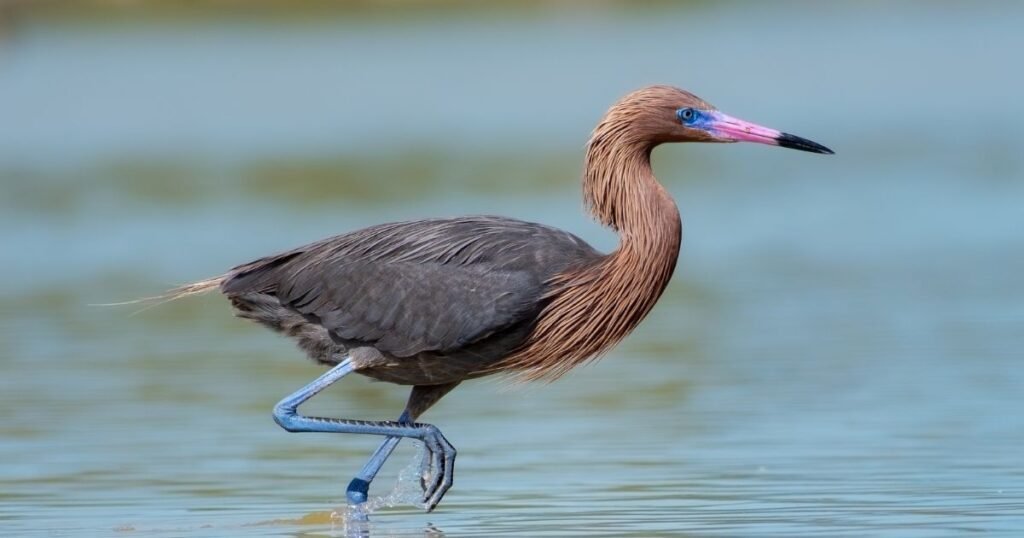
Reddish Egret
This fascinating species is known for its dramatic, two-phase plumage — grayish in some seasons and a sumptuous reddish hue in others. Native primarily to coastal marshes of the Americas, the Reddish Egret’s hunting technique is a captivating performance, often involving a series of leaps and lunges that seem almost choreographed. As one of the rarest egrets, its presence symbolizes the delicate balance of coastal ecosystems that need protection.
Top 5 Foods Egrets Eat in the Wild
Below is the list of the Top 5 Foods Egrets Eat in the Wild:
- Fish
- Frogs
- Crustaceans
- Insects
- Small Reptiles
Fish
Egrets have a keen eye for spotting fish, often wading through shallow waters to hunt. Their sharp beaks are perfectly designed for spearing slender silversides or striking at schools of minnows. By adapting their hunting technique — whether through stealthy stalking or strategic foot movements to stir up prey — egrets showcase their intelligence and adaptability in finding food.
Frogs
These birds are not just fish aficionados; frogs are a significant part of their diet too. Egrets often forage in marshy areas, where they can capitalize on the abundance of amphibians. Their hunting strategy involves a mix of patience and quick reflexes, making them skilled frog catchers, especially during warm, wet months when frogs are most active.
Crustaceans
Egrets frequently enjoy a crustacean feast, particularly during low tide when shrimp and crabs become more exposed. These little morsels provide essential nutrients, contributing to the egret’s balanced diet and energy needs. Observing an egret gracefully extracting a fiddler crab from its burrow is a captivating showcase of nature’s intricate food web.

Insects
The diet of an egret isn’t limited to larger prey; insects form a critical component, especially during summer. A single egret can consume hundreds of insects in a day, from grasshoppers to dragonflies, helping maintain ecological balance in their habitats. This adaptability to include smaller prey illustrates their survival skills and resourcefulness.
Small Reptiles
Occasionally, egrets take advantage of small reptiles, like lizards, when fish and frogs are scarce. These quick strikes show nature’s versatility, as egrets capitalize on whatever is available in their environment. Such a varied diet not only enhances their survival but also helps regulate populations of these reptiles.
Top 5 Amazing Adaptations That Help Egrets Survive
Below is the list of the Top 5 Amazing Adaptations That Help Egrets Survive:
- Long Legs
- Sharp Beak
- Excellent Eyesight
- Waterproof Feathers
- Patient Hunting Behavior
Long Legs
Egrets stand gracefully tall with their elongated legs, which not only give them a striking appearance but also serve a practical purpose. These long legs allow them to wade through shallow waters with ease, maximizing their foraging efforts in muddy marshes and wetlands. The elevation helps them avoid predators lurking at water level, enhancing their safety while they hunt.
Sharp Beak
The elegance of an egret’s sharp beak is more than aesthetic; it’s a critical tool for survival. Designed for precision, this beak enables egrets to swiftly snatch fish and other small prey from the water. This efficiency in hunting reduces the energy spent searching for food, making them formidable predators in their environment.
Excellent Eyesight
Egrets possess extraordinary eyesight, adapting them brilliantly to their hunting needs. With their keen vision, they can spot movement from great distances, allowing them to detect prey even in the rippling waters. This superior sight gives them a significant advantage, helping them to react quickly and secure their meals before competitors can intervene.
Waterproof Feathers
An egret’s feathers are not just for show; their waterproof properties are essential for a bird that spends much of its time in wet environments. This adaptation keeps them dry and buoyant, enabling easy access to underwater prey. Additionally, the feathers help regulate body temperature, allowing egrets to thrive in various climates.
Patient Hunting Behavior
Perhaps one of the most fascinating adaptations is the egret’s patient hunting strategy. Egrets often stand motionless for long periods, waiting for the perfect moment to strike. This behavior not only conserves energy but also lures curious prey closer. The combination of stealth and patience showcases their intelligence as hunters, securing their place in the ecosystem as effective predators.
Where Do Egrets Live and Why Are Their Wetland Habitats Important?
Egret birds thrive in a variety of wetland habitats, from coastal marshes to freshwater swamps. These elegant creatures are often found wading through shallow waters, where they hunt for fish, frogs, and other aquatic life. Their preference for such environments highlights the critical role of wetlands in supporting diverse ecosystems. As top predators, egrets help maintain the balance of these habitats, controlling fish populations and contributing to overall biodiversity.
The importance of wetland habitats extends beyond the egrets themselves. These ecosystems act as natural water filters, improving water quality and providing flood protection. They also serve as a sanctuary for countless other species, making them vital for the health of our planet.
Final Words
Egret birds are truly remarkable birds, showcasing elegance and grace in their natural habitats. With their striking plumage and unique behaviors, they are not just a joy to observe but also play a vital role in their ecosystems. The 15 fascinating facts we’ve explored highlight their adaptability and impressive hunting skills, which make them a key component of wetland biodiversity.
As you continue your journey into the world of birds, keep an eye out for these stunning wading wonders. Let’s appreciate and protect our feathered friends, ensuring that future generations can also marvel at the beauty of egrets.
FAQ’S
Is an egret a wading bird?
Yes, an egret is indeed a wading bird. These graceful birds are typically found in wetlands, marshes, and shorelines, where they hunt for fish, frogs, and other small aquatic animals.
What is the nickname for the great egret?
The great egret is often nicknamed the “common egret.” This bird is well-known for its striking white plumage and long neck, which make it easily recognizable in wetlands and coastal areas.