Desert Birds: 15 Incredible Species That Thrive in Harsh Desert Environments
The desert may seem like an inhospitable place, but it is home to some truly astonishing birds. Desert birds showcase extraordinary adaptations that allow them to flourish in environments marked by extreme heat and limited water.
By diving into the lives of these incredible species, you’ll gain insight into their survival strategies and the delicate balance they maintain within their ecosystems. Join us as we discover 15 desert birds that exemplify nature’s ingenuity and resilience.
What Makes Desert Birds So Well Adapted to Arid Climates?
Desert birds showcase a remarkable array of adaptations that enable them to thrive in arid climates. Their physiology is finely tuned to conserve water; many species have efficient kidneys that excrete highly concentrated urine, minimizing fluid loss. This is critical in environments where water is scarce, allowing them to maintain hydration without frequent access to drinking sources.
Behaviorally, desert birds exhibit unique strategies to cope with extreme temperatures. Many are crepuscular, becoming active during the cooler dawn and dusk hours to avoid the sweltering midday heat. Their plumage often features lighter colors that reflect sunlight, providing an additional safeguard against overheating.
Top 5 Desert Birds Found Around the World
- Greater Roadrunner
- Gila Woodpecker
- Greater Hoopoe-Lark
- Desert Lark
- Sand Partridge
Greater Roadrunner
Renowned for its speed, the Greater Roadrunner can reach speeds up to 20 miles per hour. This quintessential desert bird, with its striking blue and green plumage, is not just a symbol of the arid landscapes of the southwestern U.S.; it also plays a crucial role in controlling the rodent population. Its unique adaptation to the desert environment allows it to thrive in harsh conditions, making it a fascinating subject of study in evolutionary biology.
Gila Woodpecker
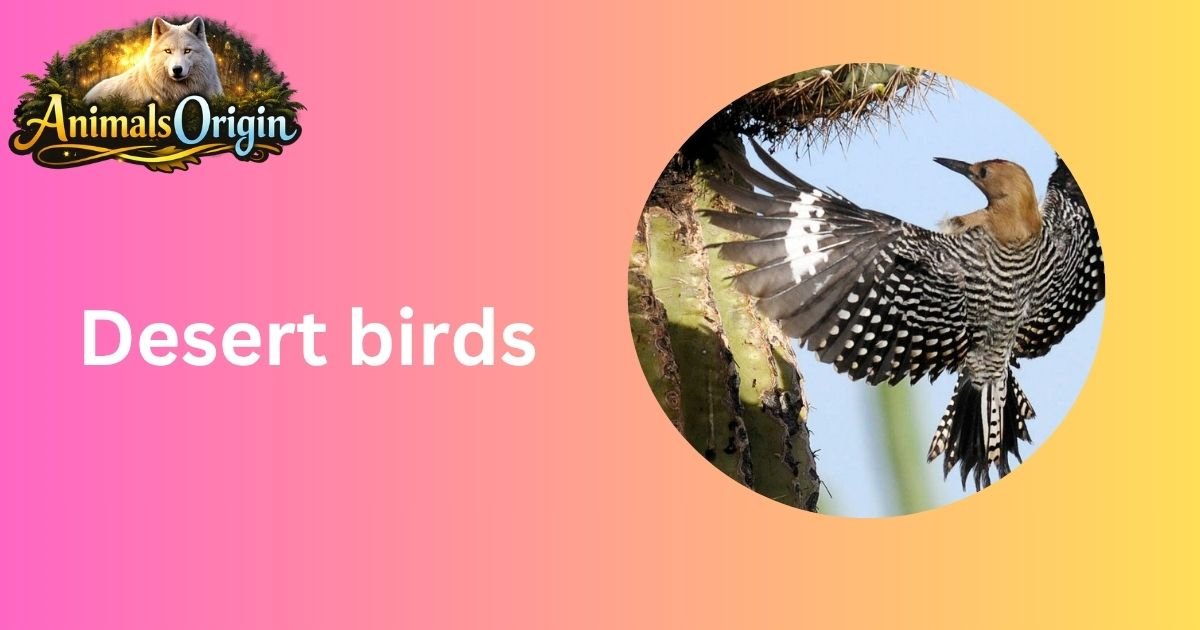
Found primarily in the Sonoran Desert, the Gila Woodpecker is as much an architect as it is an artist. Its drumming can be heard echoing through cactus forests, where it excavates cavities in saguaro cacti for nesting. This resourceful bird not only relies on cacti for shelter but also for food, feeding on the sweet nectar and insects that inhabit these iconic plants.
Read more: Murmuration Birds: 15 Fascinating Facts About Nature’s Most Spectacular Sky Dance
Greater Hoopoe-Lark
This elusive bird is renowned for its melodious song, often performed as a love call during the breeding season. With its striking coloration and unique behavior, the Greater Hoopoe-Lark can sometimes be spotted soaring above the sandy dunes of the Sahara. Its ability to blend seamlessly into the desert landscape serves as a clever survival tactic against predators.
Desert Lark
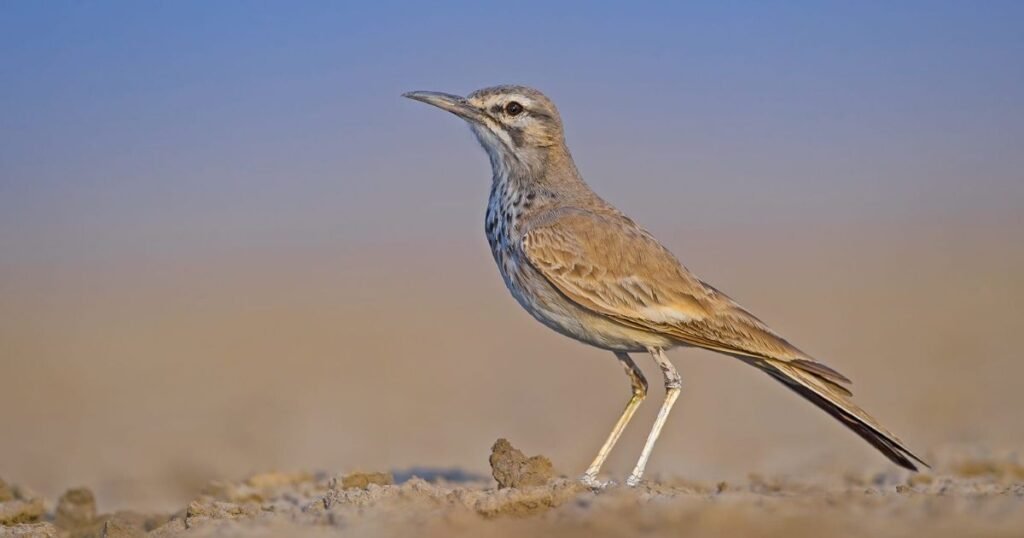
Notably adaptable, the Desert Lark is a master of camouflage, making it hard to spot among the arid sands and sparse vegetation. Known for its striking aerial displays during mating rituals, this bird showcases poetic beauty in the harshest of climates. It primarily feeds on insects, utilizing its keen eyesight to locate meals amid the desolate terrain.
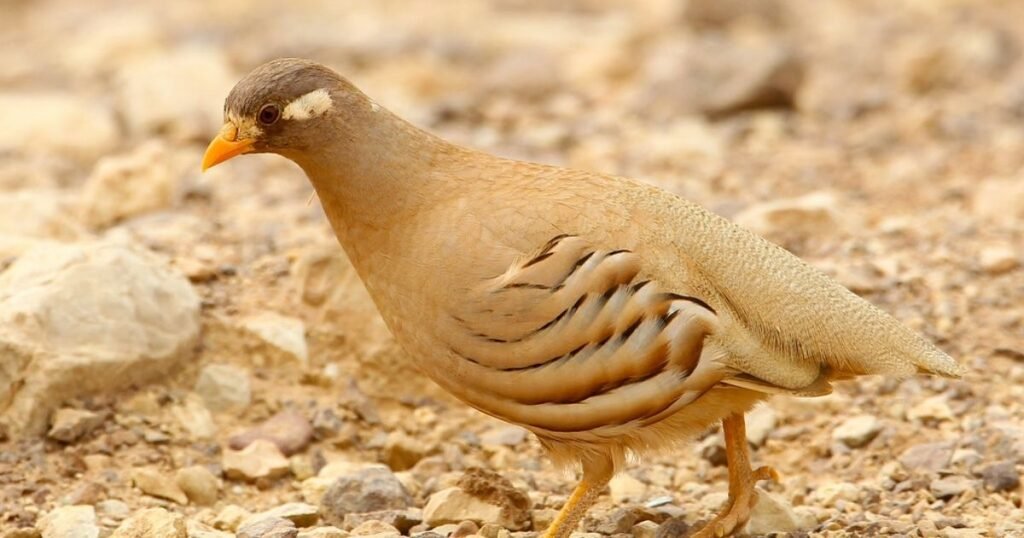
Sand Partridge
Characterized by its robust body and sandy plumage, the Sand Partridge’s survival strategy includes nesting in hidden, well-camouflaged spots. Often found in North Africa and parts of the Middle East, it thrives in rocky deserts and scrublands, proving that resilience can flourish in the most unforgiving habitats. With a diet consisting of seeds and insects, this bird plays an essential role in its ecosystem, balancing between plant growth and insect populations.
Top 5 Birds That Nest in Desert Habitats
- Cactus Wren
- Verdin
- Pharaoh Eagle-Owl
- Brown-necked Raven
- Cream-colored Courser
Cactus Wren
This charismatic little bird, with its striking spotted plumage, thrives in the arid landscapes of the Southwest United States. Known for its distinctive, melodious song, the Cactus Wren makes its home in the spiny embrace of cacti, expertly weaving twigs and grasses to create a secure nest that deters predators. These wrens are not just resilient; they play a crucial role in pollination and seed dispersal, making them vital to the desert ecosystem.
Verdin
A tiny powerhouse, the Verdin showcases an incredible adaptability to harsh environments. Its bright yellow face stands out against the muted desert palette, but it’s its nesting habits that truly impress. Building intricate, spherical nests high in shrubs, Verdins expertly blend materials to provide insulation from extreme temperatures. Their social nature allows them to thrive in flocks, adding a delightful dynamic to the usually quiet desert landscape.
Pharaoh Eagle-Owl
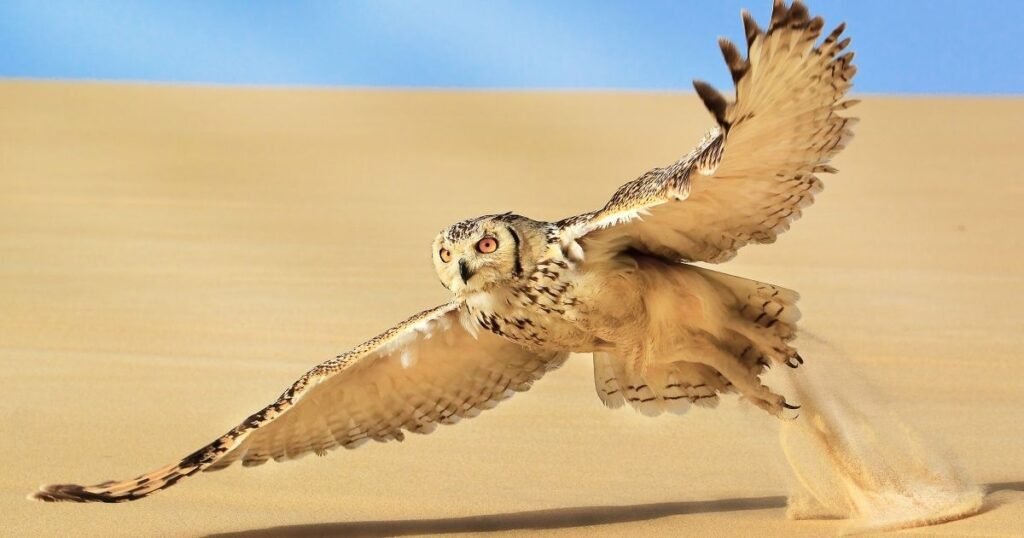
Towering over many of its avian counterparts, the Pharaoh Eagle-Owl is both awe-inspiring and elusive in its desert domain. With piercing yellow eyes and an impressive wingspan, this nocturnal hunter has adapted superbly to the wide-open spaces of deserts across Africa and the Middle East. Nesting in cliff crevices or abandoned structures, the Pharaoh Eagle-Owl relies on stealth and excellent camouflage to stay safe, making it an intriguing subject for bird watchers and photographers alike.
Brown-necked Raven
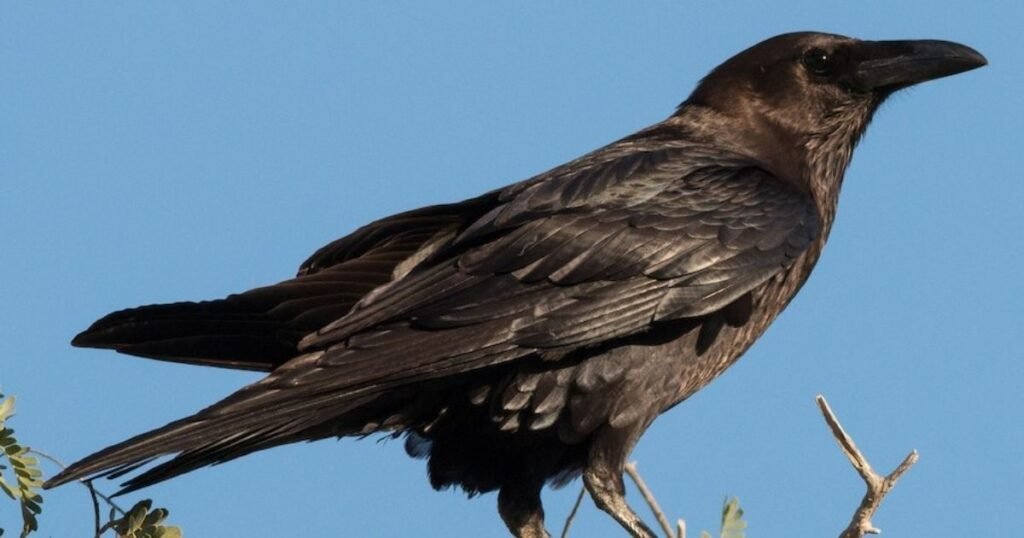
With its intelligence rivaling that of many mammals, the Brown-necked Raven navigates the harsh desert terrain with ingenuity. These resourceful birds are known for their problem-solving skills, often seen using tools to access food. They make nests in rocky outcrops or high trees, proudly showcasing their strong construction skills. Their vocalization adds a touch of complexity to the desert soundtrack, as they communicate in a wide array of calls that reflect their complex social structures.
Cream-colored Courser
A true marvel of adaptation, the Cream-colored Courser blends seamlessly into sandy desert backgrounds, making it a master of camouflage. With long legs built for speed, this bird darts across the ground in search of insects — its primary diet. Nesting in scrapes lined with pebbles or plant material allows for protection against the harsh elements. Observing a Courser sprinting is a reminder of nature’s resilience, highlighting the unique charm of avian life in seemingly inhospitable environments.
Top 5 Adaptations That Help Desert Birds Survive Extreme Heat
- Efficient Water Conservation
- Heat-Dissipating Legs
- Nocturnal or Crepuscular Activity
- Specialized Nests for Shade
- Light-Colored Plumage
Efficient Water Conservation
Desert birds possess remarkable abilities to minimize water loss. They can extract moisture from their food and have kidneys that function efficiently, filtering out waste while retaining precious water. This adaptation allows them to thrive even when fresh water sources are scarce, showcasing the incredible resilience of life in arid environments.
Heat-Dissipating Legs
Many desert birds have developed uniquely structured legs that act as natural radiators. These elongated limbs help dissipate excess body heat, allowing these avian marvels to maintain a stable internal temperature even under blistering sun. As they perch in the heat, their legs become a silent protector against the stark desert temperatures.
Nocturnal or Crepuscular Activity
To avoid the harshest rays of the sun, some desert birds have adapted to be nocturnal or crepuscular, meaning they are most active during twilight or nighttime. This behavioral shift not only helps them evade intense heat but also allows them to exploit different food sources and evade predators, demonstrating their keen adaptability.
Specialized Nests for Shade
Many desert birds create nests in well-shaded locations, often ingeniously weaving their homes into vegetation to shield them from the direct sun. These shaded nests protect not only the birds but also their young, creating a microclimate that offers relief from extreme temperatures while also providing safety from potential threats.
Light-Colored Plumage
The coloration of feathers plays a crucial role in temperature regulation. Birds with lighter plumage reflect sunlight and absorb less heat compared to their darker counterparts. This trait not only aids in thermoregulation but also increases their chances of survival in an environment where every degree counts.
Why Are Desert Birds Important to Desert Ecosystems?
Desert birds play a crucial role in maintaining the delicate balance of desert ecosystems. These avian inhabitants contribute to seed dispersal, helping plants propagate across arid landscapes. As they feed on fruits and seeds, they transport these vital materials, ensuring the continuation of local flora. This is particularly important in deserts, where plant growth can be sparse, and every new plant can mean improved habitat for other species.
Moreover, desert birds are key indicators of ecosystem health. Their populations can signal changes in environmental conditions such as climate shifts or habitat degradation.
Final Words
In conclusion, the 15 incredible species of desert birds we’ve explored showcase the remarkable adaptations that allow them to flourish in some of the planet’s most unforgiving environments. From the resourceful roadrunner to the colorful gilded flicker, these birds demonstrate resilience and ingenuity in their pursuit of survival.
Each species plays a vital role in maintaining the delicate balance of desert ecosystems, contributing to biodiversity despite their harsh surroundings. Their unique behaviors and characteristics remind us of the beauty and complexity of nature. Let’s take a moment to appreciate and protect these extraordinary birds and the fragile habitats they call home.
FAQ’S
What type of bird lives in the desert?
In the desert, you’ll find a variety of birds adapted to the harsh conditions. One notable example is the roadrunner, known for its speed and striking plumage. They thrive in arid environments, feeding on insects, small reptiles, and even snakes.
What are 3 types of birds?
Here are ten types of birds you might find interesting:
1. Sparrow – Small and social, sparrows are common in many urban areas.
2. Eagle – Known for their impressive size and hunting skills, eagles are often seen soaring high.
3. Penguin – Flightless and lovable, penguins are famous for their waddling gait and swimming abilities.