Murmuration Birds: 15 Fascinating Facts About Nature’s Most Spectacular Sky Dance
Imagine watching thousands of birds move in perfect harmony across the sky, creating mesmerizing shapes that leave you in awe. This is the magic of murmuration birds. These incredible creatures showcase a breathtaking natural phenomenon that captivates both scientists and nature lovers alike.
Understanding how and why these birds gather in such impressive formations not only enlightens us about their behavior but also deepens our appreciation for the wonders of the natural world. In this article, we’ll explore 15 fascinating facts about murmuration birds that will surely leave you spellbound.
What Is a Bird Murmuration and Why Does It Happen?
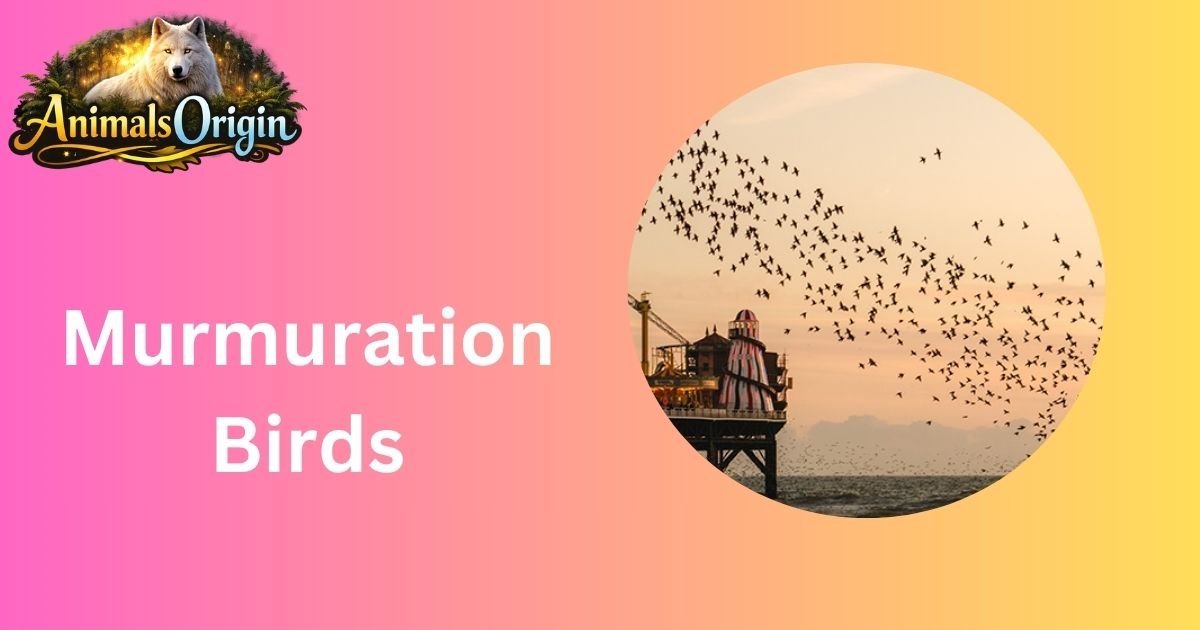
Murmuration birds create one of nature’s most mesmerizing displays, swirling in the sky like a living, breathing cloud. This phenomenon occurs when large groups of starlings come together, forming intricate patterns as they dance through the air. The stunning choreography is not just for show; it’s believed to serve multiple purposes, including predator evasion and social bonding. As these birds shift and change formations, they communicate almost instinctively, a testament to their remarkable coordination.
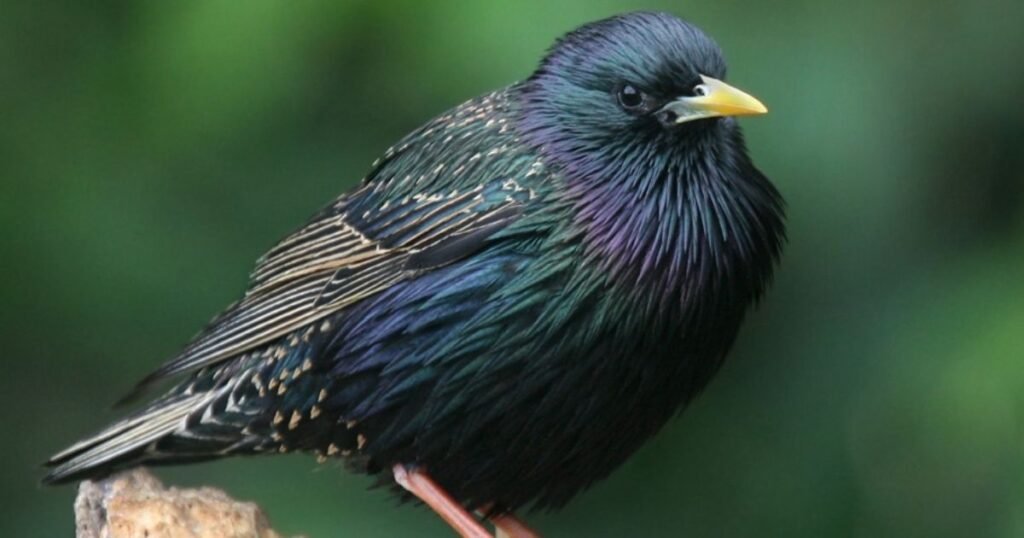
The science behind murmuration birds is equally fascinating. Each bird responds to its neighbors, reacting to slight movements to maintain a cohesive group without any central leader guiding them.
Top 5 Bird Species Famous for Forming Murmurations
Below is the list of the Top 5 Bird Species Famous for Forming Murmurations:
- European Starling
- Red-winged Blackbird
- Common Grackle
- Brown-headed Cowbird
- Rook
European Starling
Perhaps the most iconic species associated with murmurations, the European Starling showcases mesmerizing aerial displays, particularly during dusk. Their formations can involve thousands of individuals, twisting and turning in unison, creating a living tapestry in the sky. Interestingly, these murmurations serve as a defense mechanism against predators, making it difficult for birds of prey to single out an individual.
Red-winged Blackbird
Known for their distinctive red and yellow shoulder patches, Red-winged Blackbirds often gather in large groups, especially in wetland areas during migration. Their murmurations are not only visually stunning but also serve to strengthen social bonds within the flock. As they flit and dart through the air, they communicate through various calls, adding an auditory layer to the already spectacular display.
Read more: Egret Birds: 15 Fascinating Facts About These Elegant Wading Birds
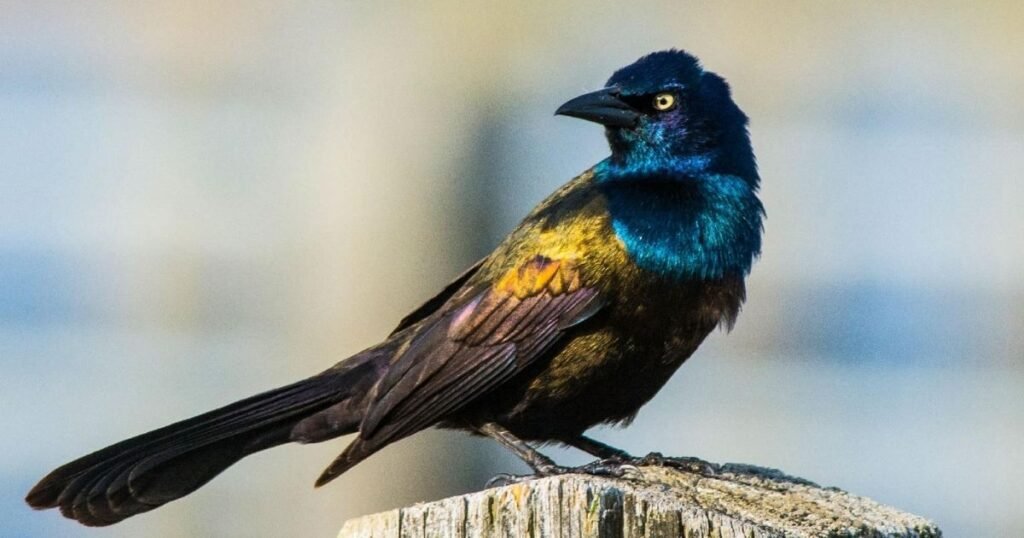
Common Grackle
With their striking iridescent feathers, Common Grackles are often seen in sprawling flocks, especially in urban environments. Their murmurations are characterized by rapid, fluid movements, and they can shift direction in an instant, which has been likened to a well-rehearsed dance. This synchronicity not only captures the attention of observers but also serves practical purposes, such as confusing potential predators or sharing information about food sources.
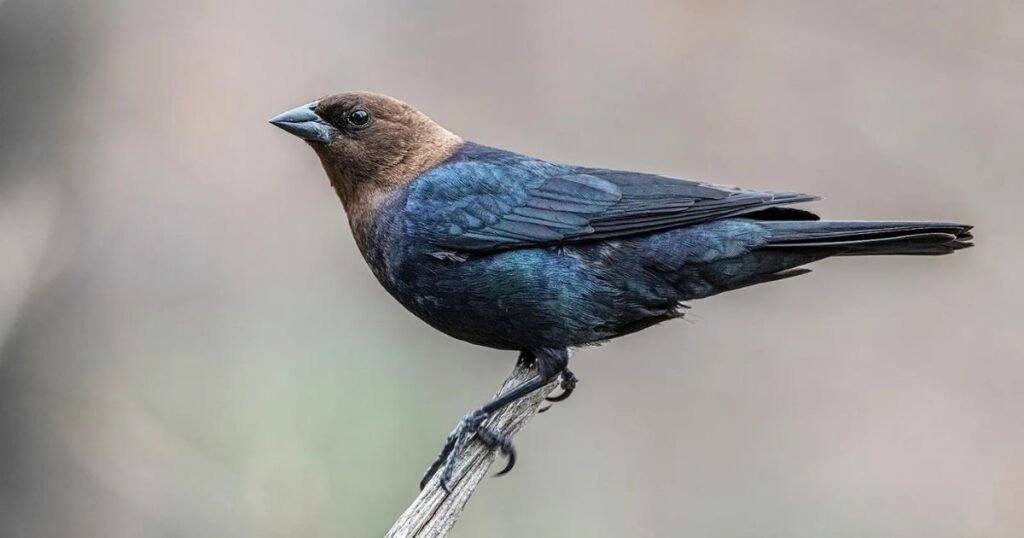
Brown-headed Cowbird
While less famous for their murmurating prowess, Brown-headed Cowbirds exhibit fascinating flocking behavior during migration. They may join larger groups with other species, pooling their numbers for safety in numbers. Their murmurations might not be as grand as some of their counterparts, but their adaptability and social structure provide insights into the complex dynamics of avian interactions.
Rook
Often underappreciated, Rooks display impressive murmurations, particularly in agricultural landscapes. Their black plumage contrasts sharply against the twilight sky, making their aerial antics even more striking. Rooks are known for their intelligence and social behavior, using these gatherings not only for safety from predators but also for socializing and establishing hierarchies within their roosting groups.
Top 5 Reasons Birds Create Massive Murmurations
Below is the list of the Top 5 Reasons Birds Create Massive Murmurations:
- Predator Protection
- Information Sharing About Food Sources
- Warmth Before Nightfall
- Safe Roost Selection
- Social Interaction and Group Cohesion
Predator Protection
One of the most striking reasons behind massive murmurations is the instinctual defense mechanism against predators. As birds swirl and shimmer in unison, they confuse would-be attackers. This collective movement creates an optical illusion, making it challenging for predators to single out an individual bird, thus enhancing survival rates.
Information Sharing About Food Sources
Murmurations serve as a dynamic communication tool among birds, offering real-time updates on the availability of food. When birds join together, they can signal the discovery of abundant feeding grounds, ensuring that the entire flock benefits from collective foraging efforts. This creates a more efficient and successful hunt, illustrating the ingenious ways birds cooperate.
Warmth Before Nightfall
As daylight fades, murmurations also play a crucial role in ensuring warmth and safety. By gathering in large numbers, birds create a micro-climate within the flock that helps retain warmth during colder nights. This communal roosting not only aids in temperature regulation but also fosters social bonds that are essential for survival.
Safe Roost Selection
Birds utilize murmurations to scout locations that offer optimal roosting opportunities. By flying together, they can identify safe havens that are away from ground-level threats. This strategized approach to roosting underscores the intelligence of these creatures, as they prioritize safety while navigating their environments.
Social Interaction and Group Cohesion
Beyond mere survival, murmurations enhance social dynamics within bird communities. These aerial displays promote group cohesion, allowing birds to strengthen their social bonds through synchronized movement. This interaction solidifies hierarchies and showcases the importance of collaboration in avian societies, highlighting a fascinating blend of social behavior and intricate communication.
Top 5 Places in the World to Witness Bird Murmurations
Below is the list of the Top 5 Places in the World to Witness Bird Murmurations:
- Somerset Levels
- Gretna Green
- Rome
- Bosque del Apache National Wildlife Refuge
- Lake IJssel
Somerset Levels, England
Experience a stunning avian ballet as thousands of starlings gather in the Somerset Levels each autumn. The vast wetlands provide the perfect backdrop, with the eerie silhouettes of ancient willow trees adding to the drama. The intricate swirling patterns made by the birds remind us of nature’s choreography; it’s almost mesmerizing to watch as their formations shift before your eyes.
Gretna Green, Scotland
Nestled along the Scottish border, Gretna Green becomes a canvas for breathtaking murmurations in winter. As the day draws to a close, flocks of starlings choreograph their aerial dance against the dusky sky, often leading to a dramatic descent into the nearby marshes. The rich history of this wedding hotspot, combined with the natural spectacle, makes for an unforgettable experience.
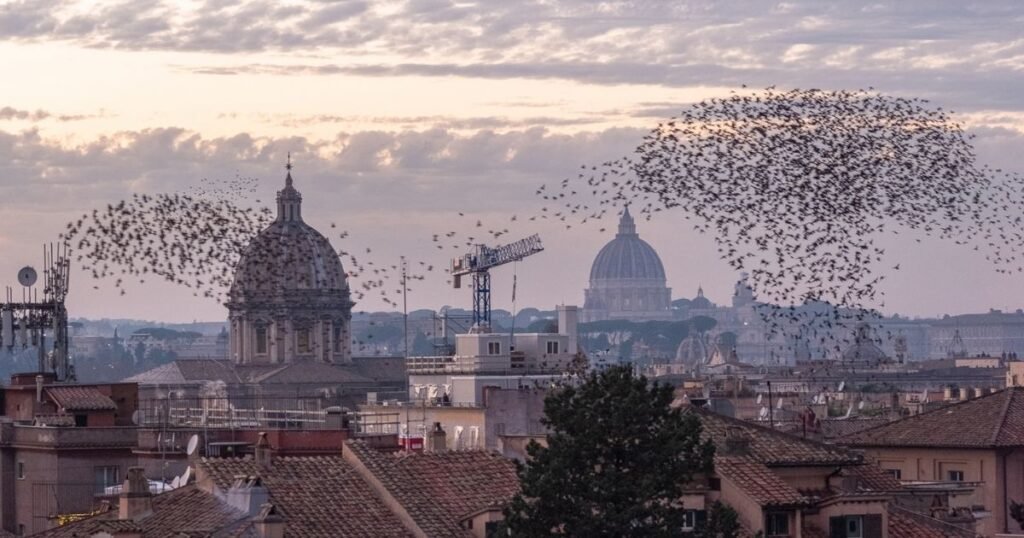
Rome, Italy
Not only is Rome a city steeped in history, but it’s also a prime location for witnessing murmurations. As dusk envelops the ancient buildings, clouds of birds converge over the Tiber River, performing an aerial display against the backdrop of stunning architecture. This unique fusion of urban life and nature reveals the beauty of coexistence in one of the world’s most iconic cities.
Bosque del Apache National Wildlife Refuge, New Mexico
Each winter, Bosque del Apache attracts thousands of cranes and snow geese, creating a spectacular sight as they gather in large flocks. The vast open landscapes become a stage for their murmurations, with the New Mexican sky providing an expansive canvas for this breathtaking display. This refuge not only serves as a haven for migratory birds but also deepens our connection to the natural world.
Lake IJssel, Netherlands
The shallow waters of Lake IJssel host stunning murmuration displays during migration seasons. As evening approaches, the skies become alive with dancing flocks of starlings, filling the scenic Dutch landscape with movement and sound. This captivating sight is enhanced by the tranquil lakeside ambiance, allowing visitors to reflect on the harmony of wildlife and nature’s rhythm.
How Murmurations Help Birds Survive Predators and Harsh Weather
Murmuration birds engage in a mesmerizing dance that not only captivates the human eye but also embodies a brilliant survival strategy. When flocks twist and turn synchronously, they create an impressive visual barrier, confusing predators like hawks. This fluid motion makes it nearly impossible for the predator to single out an individual bird, effectively increasing the chances of survival for the entire flock.
Moreover, the formations used during murmurations allow birds to work together in more than just evasion; they also provide warmth during harsh weather.
Final Words
In conclusion, the mesmerizing display of murmuration birds serves as a stunning reminder of the intricate beauty of nature. These spectacular sky dances not only captivate our attention but also showcase the remarkable communication and instincts among bird species. From their incredible formation shifts to the mesmerizing patterns they create, these natural wonders leave us in awe.
Understanding these fascinating facts about murmurations deepens our appreciation for the complexity of wildlife and the environments they inhabit. Next time you spot a flock in motion, take a moment to pause and enjoy the show – it’s a celebration of nature that shouldn’t be missed!
FAQ’S
What is a bird murmuration?
A bird murmuration is a spectacular natural phenomenon where large flocks of birds, often starlings, move in synchrony, creating fluid, swirling shapes in the sky.
What are the benefits of murmuration?
Murmuration, the mesmerizing dance of starlings flocking together, offers several fascinating benefits. One key advantage is enhanced protection from predators.