

Do Penguins Have Teeth: 15 Surprising Facts About Penguin Mouths
Do Penguins Have Teeth? I was really surprised when I found out that penguins do not have teeth. These birds are so charming with their tuxedos. People think that penguins have teeth as we do. They do not. Their mouths are made for catching fish that’re slippery. Penguins are very good at catching fish.
In this article, we will talk about penguins and their mouths. We will look at fifteen things about penguin mouths. Learning about penguins is very interesting. It also shows us how different all the animals in the world are. Penguins are really cool. I like learning about them.
What Do Penguins Have Instead of Teeth?
Do penguins have teeth? No, they do not. Penguins are really birds, but they do not have teeth. Penguins have something that helps them eat. They have edges on their beaks. These edges are like spikes, and they help penguins catch fish and squid. Penguins use these edges to grab onto their food so it does not get away. Penguins live in water, and they need to be able to eat to survive.
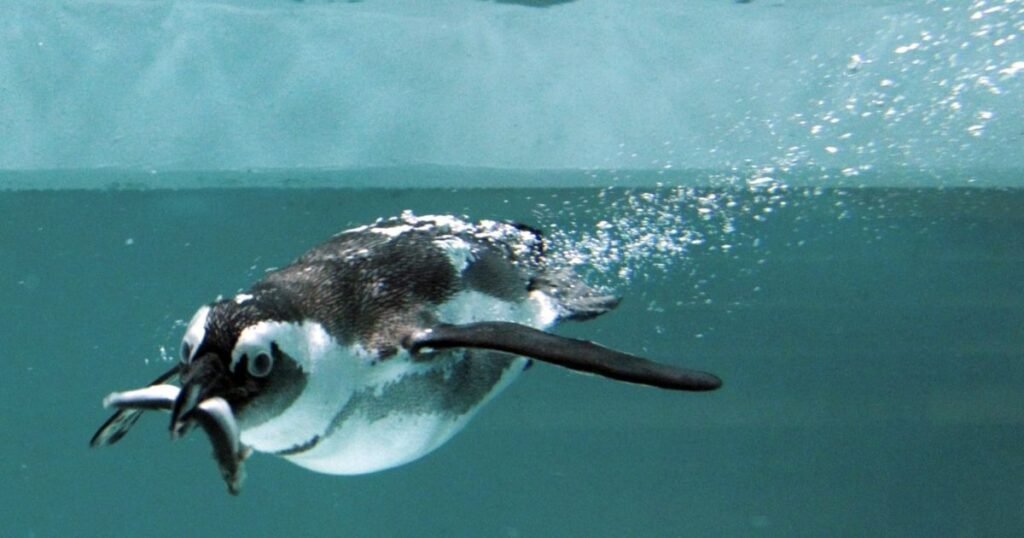
Their beaks are very good at catching food. The sharp edges on their beaks can catch fish. Hold onto them. Penguins also have tongues that help them eat. Their tongues have spikes that help them hold onto their food. This means that penguins can eat fish, squid, and other slippery foods without them getting
Top 5 Penguin Species With the Most Unique Mouth Structures
Below is the list of the Top 5 Penguin Species With the Most Unique Mouth Structures:
- Emperor Penguin
- King Penguin
- Gentoo Penguin
- Rockhopper Penguin
- Adélie Penguin
Emperor Penguin
The largest of the penguin species, the Emperor Penguin wields a distinctively strong and curved bill designed for hunting in icy waters. This unique mouth structure allows it to effectively crack through ice and grasp slippery fish, showcasing a blend of strength and precision.
King Penguin
Known for its vibrant orange markings, the King Penguin boasts a long, narrow bill that aids in capturing small prey. This adaptation not only enhances foraging efficiency but also demonstrates the penguin’s evolutionary prowess in competing for food in densely populated colonies.
Read more: Do Birds Pee: The 15 Surprising Truth About Bird Waste
Gentoo Penguin
The Gentoo Penguin features a slightly different approach; its robust bill is perfect for scooping up crustaceans and other small sea life. This adaptability allows it to thrive in varied environments, cementing its role as a versatile predator in the Antarctic ecosystem.
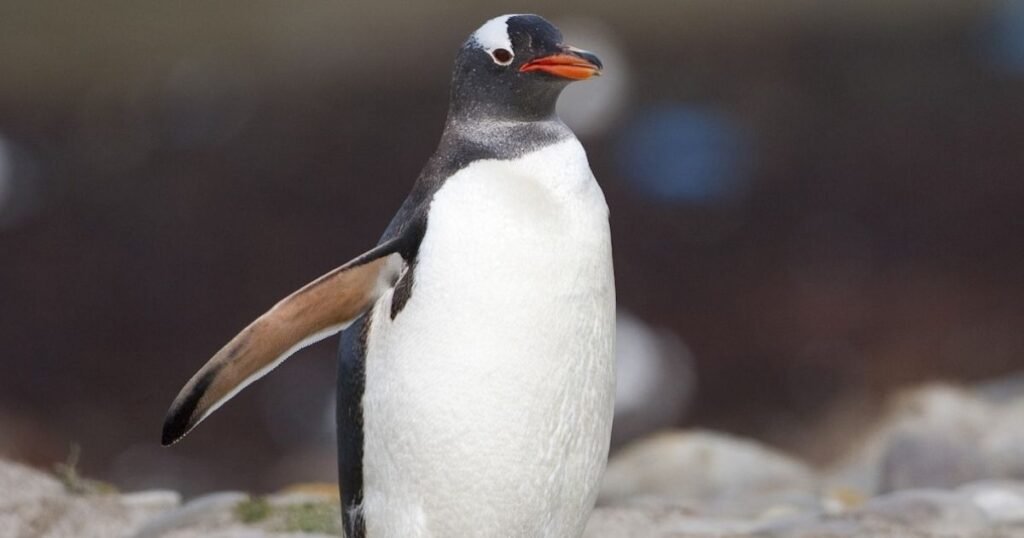
Rockhopper Penguin
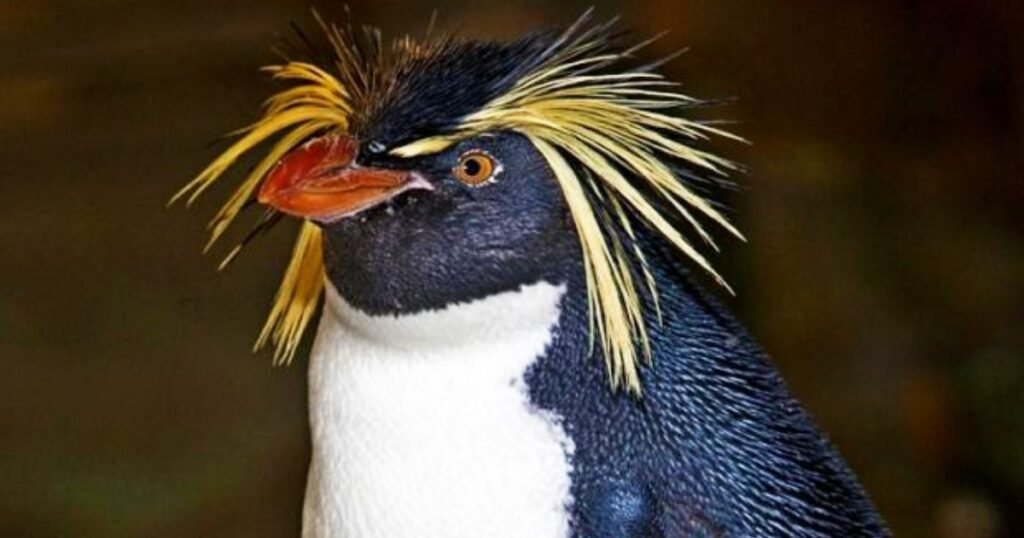
Characterized by its bold, spiky crest, the Rockhopper Penguin’s mouth is uniquely adapted for a diet rich in crustaceans. The jaw’s serrated edges help it grasp slippery prey with ease, making it a formidable forager on rocky shores.
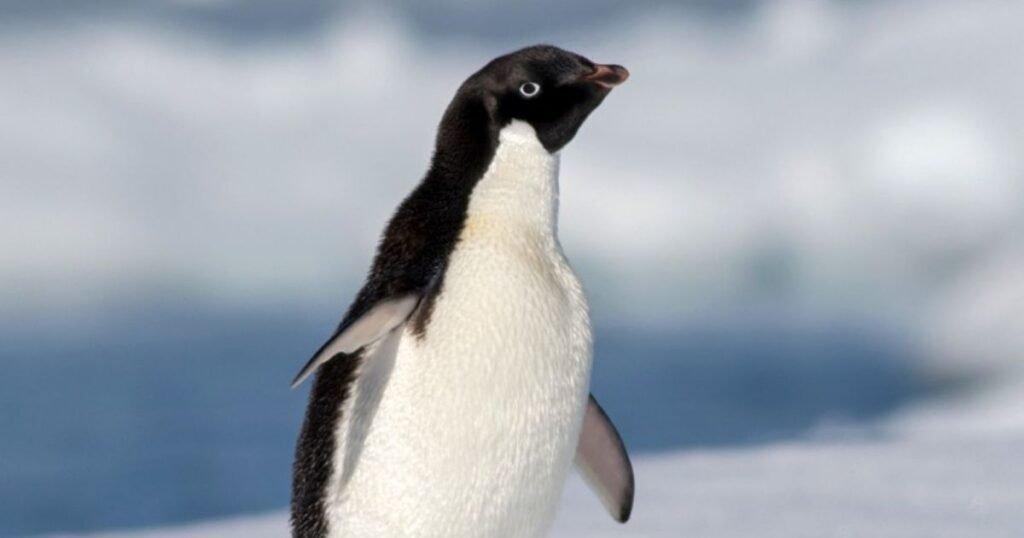
Adélie Penguin
The Adélie Penguin’s mouth structure is relatively small but efficient, allowing it to snap up tiny krill and fish swiftly. This specialization reflects their reliance on specific food sources and showcases how diverse feeding strategies can arise within the penguin family.
5 Ways Penguins Use Their Beaks and Mouths to Catch Prey
Below is the list of 5 Ways Penguins Use Their Beaks and Mouths to Catch Prey:
- Gripping slippery fish with backward-facing mouth spines
- Holding squid securely while swallowing
- Catching krill efficiently in dense swarms
- Preventing prey from escaping once captured
- Swallowing prey whole without chewing
Gripping Slippery Fish with Backward-Facing Mouth Spines
Penguins have evolved to be remarkable hunters, and their beaks feature specialized backward-facing spines. These spines act like a series of tiny hooks, enabling penguins to grasp slippery fish effectively. When a penguin lunges for its target, these spines ensure that once the fish is in their mouth, it’s nearly impossible to escape.
Holding Squid Securely While Swallowing
When it comes to consuming squid, penguins have mastered the art of secure extraction. The beak’s design allows them to snag squid tightly, preventing any wriggling or escape attempts. This adaptation not only ensures a successful catch but also allows them to enjoy their meal without wasting precious energy in the process.
Catching Krill Efficiently in Dense Swarms
In the case of krill, penguins employ a unique feeding technique, using their beaks to filter these tiny crustaceans from the water. With their mouths slightly open while swimming, they create a suction effect that captures large numbers of krill in one go. This method is incredibly efficient, especially during feeding frenzies when krill swarm in thick concentrations.
Preventing Prey from Escaping Once Captured
A penguin’s beak is not just about catching; it’s also about control. Once prey is secured, their strong jaws and beak shape work to prevent any escape attempts. The combination of physical strength and strategic beak adaptation ensures that their meals remain firmly in place, allowing them to enjoy a well-earned feast.
Swallowing Prey Whole Without Chewing
Penguins are not equipped with the means to chew, but this limitation actually works in their favor. By swallowing prey whole, they minimize the time spent eating, quickly securing energy for swimming and hunting. Their simple yet effective digestion process means they can be back on the hunt almost immediately, maximizing their foraging efficiency in challenging environments.
5 Fascinating Facts About Penguin Tongues and Mouth Spines
Below is the list of 5 Fascinating Facts About Penguin Tongues and Mouth Spines:
- Penguins do not have true teeth.
- Their mouths are lined with backward-facing, keratinized spines.
- The tongue is covered with the same spiny structures for extra grip.
- These spines help move prey toward the throat instead of chewing it.
- The mouth spines are made of keratin—the same protein found in human fingernails and bird beaks
Penguins do not have true teeth
Penguins do not have true teeth; instead, their mouths are lined with backward-facing, keratinized spines. These unique spines are nature’s efficient solution for their diet of slippery fish and crustaceans, eliminating the need for conventional chewing.
Their mouths are lined with backward-facing, keratinized spines
The fascinating tongue of a penguin is also covered with the same spiny structures, designed to provide extra grip on their wriggly meals. This adaptation allows them to pull prey deeper into their throats without losing it to the frigid ocean currents.
The tongue is covered with the same spiny structures for extra grip
Made of keratin — the same protein found in human fingernails and bird beaks — these mouth spines are an excellent example of evolutionary ingenuity. They serve a dual purpose: facilitating feeding while also aiding in the penguin’s survival in habitat conditions where food can be both scarce and mobile.
These spines help move prey toward the throat instead of chewing it
As penguins dive to impressive depths in search of food, their tongue and mouth spines play a crucial role in their feeding efficiency, enabling them to quickly catch and swallow seafood.
The mouth spines are made of keratin
Considering their specialized feeding mechanisms, penguins exemplify the remarkable ways in which evolution shapes physical traits to suit dietary needs, showcasing a unique blend of form and function in the animal kingdom.
How Penguin Mouth Adaptations Help Them Survive in the Wild
Penguins are really creatures. They have mouths that help them survive. Many people ask, “Do penguins have teeth?”The answer is in their beaks. Penguins do not have teeth. Instead, they have parts on their tongues and the insides of their beaks. These spiny parts face backwards. They help penguins grip fish and squid. This way, penguins can eat in cold water. The shape and size of a penguin’s beak are different for each kind of penguin. This shows how nature helps each bird live in its home.
For example, the Emperor penguin has a thin beak. This beak is good for catching fish in water. The Gentoo penguin has a beak. This beak helps it eat food like big fish and squid. Penguins use their beaks to catch food. Their beaks are very helpful for penguins. Penguins need their beaks to survive.
Final Words
In summary, the fascinating world of penguin mouths reveals much about their unique adaptations and lifestyles. Do penguins have teeth? In the traditional sense, no, their beaks are equipped with remarkable features that help them catch and consume their slippery prey. Learning about the mouth structures of these charming birds deepens our appreciation for their evolutionary journey and essential role in the ecosystem.
From their specialized beaks to their intriguing feeding habits, there’s so much to marvel at when it comes to penguins. So, whether you’re a bird enthusiast or just curious about nature, dive deeper into the world of penguins and discover more surprising facts!
FAQ’S
Do some penguins have teeth?
No, penguins don’t have teeth like mammals do. Instead, they possess sharp, serrated beaks that help them grip slippery prey, such as fish and squid.
Does a penguin bite hurt?
Yes, a penguin bite can hurt, though it typically depends on the species and the situation. Penguins have strong beaks that are designed for catching fish and other food, so a bite can be quite forceful