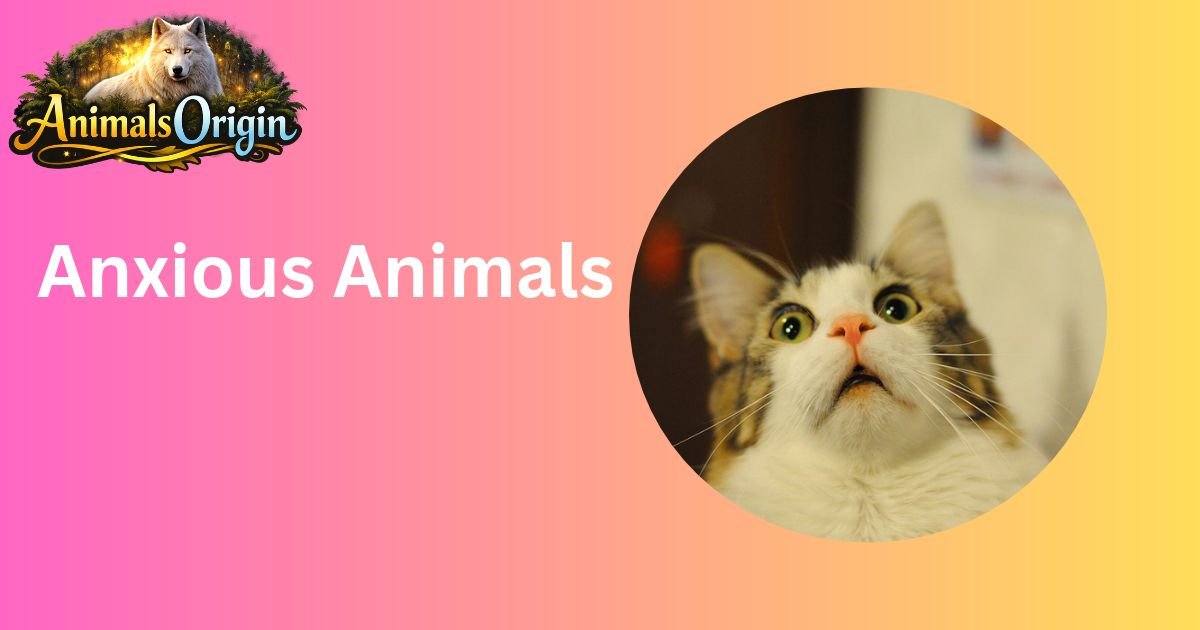
Anxious Animals: 15 Species With Surprisingly Nervous Behaviors
In “Anxious Animals: 15 Species With Surprisingly Nervous Behaviors,” we dive into the fascinating world of these creatures whose nerves often betray their instincts. Did you know that some animals experience anxiety just like humans?
Understanding the emotional lives of these species not only enriches our appreciation for wildlife but also highlights how the environment and stress shape animal behavior. Join us as we explore how these anxious animals navigate their worlds and what it means for them and us.
Why Do Some Anxious Animals Seem More Nervous Than Others?
Anxious animals’ behavior can vary dramatically, and this difference often stems from a combination of genetics, past experiences, and environmental factors. Animals that have been subjected to trauma or inconsistent care tend to display heightened anxiety levels. For example, a dog that has experienced abuse may exhibit more severe signs of anxiety compared to one that has had a stable upbringing, despite being in the same environment.
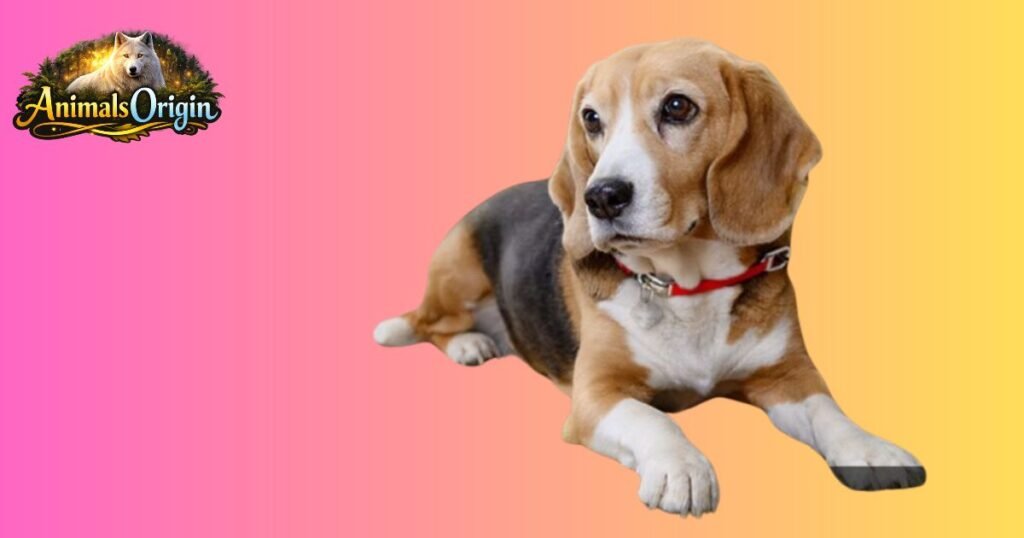
Moreover, species also play a crucial role; some animals are naturally predisposed to be more skittish. For instance, prey animals like rabbits and deer are wired to be on high alert due to their roles as potential targets for predators. In contrast, apex predators often display more confidence and assertiveness.
15 Anxious Animals With Nervous Behaviors
Below is the list of anxious animals with nervous behaviors
- Deer
- Rabbits
- Meerkats
- Guinea Pigs
- Horses
- Gazelles
- Squirrels
- Mice
- Prairie Dogs
- Zebras
- Impalas
- Antelopes
- Quokkas
- Chinchillas
- Goats
Deer
These graceful creatures embody anxiety with their twitching ears and wide eyes, always poised to flee at the slightest rustle. Their survival instincts keep them alert, making them fascinating subjects for studying animal behavior.
Rabbits
Known for their nervous twitching and sudden jumps, rabbits are constantly on guard. Their rapid heart rates and burrowing habits show an innate adaptation to escape predators swiftly.
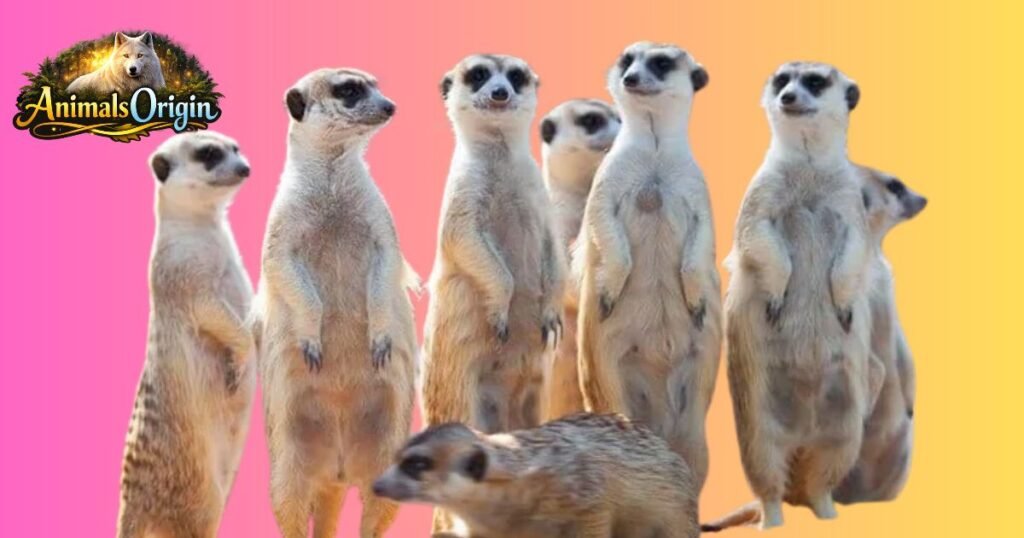
Meerkats
With their ever-watchful sentinels, meerkats display extreme vigilance. They exhibit nervous energy, constantly scanning for threats while maintaining a unique social structure that balances safety with anxiety.
Guinea Pigs
These small pets often engage in frantic behavior when startled, highlighting their sensitive nature. Their vocalizations, such as wheeking, can signal distress, revealing their emotional depth.
Horses
Known for their flight response, horses showcase anxiety with behaviors like flaring nostrils and stomping hooves. Their strong prey instincts often lead to exaggerated reactions to perceived dangers.
Gazelles
These elegant animals are a perfect example of anxiety in the wild, often relying on quick, zigzagging movements to elude predators. Their alertness and speed make them symbols of grace under pressure.
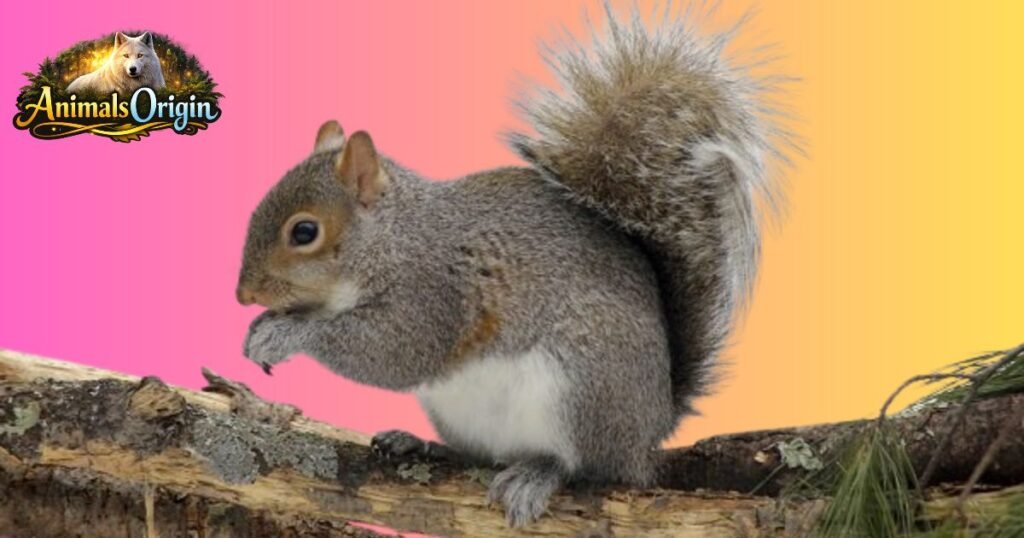
Squirrels
A twitchy tail and rapid movements characterize these agile creatures as they scavenge for food. Their constant scanning of the environment illustrates a deep-seated wariness of lurking threats.
Mice
Mice exhibit remarkable nervous behaviors, from sudden freezes to frantic darts for cover. Their high-pitched squeaks can indicate distress, revealing a complex emotional landscape.
Prairie Dogs
These social animals use a sophisticated alarm system that reflects their anxiety levels. Their rapid burrowing and frantic calls in reaction to danger highlight their community-driven alertness.
Zebras
Often seen grazing, zebras display anxiety through their twitching tails and wide stances. Their black-and-white stripes not only confuse predators but also illustrate their nervous adaptability.
Impalas
Renowned for their leaping ability, impalas exemplify nervousness through their readiness to spring away from potential threats, showcasing a stunning mix of beauty and anxiety.
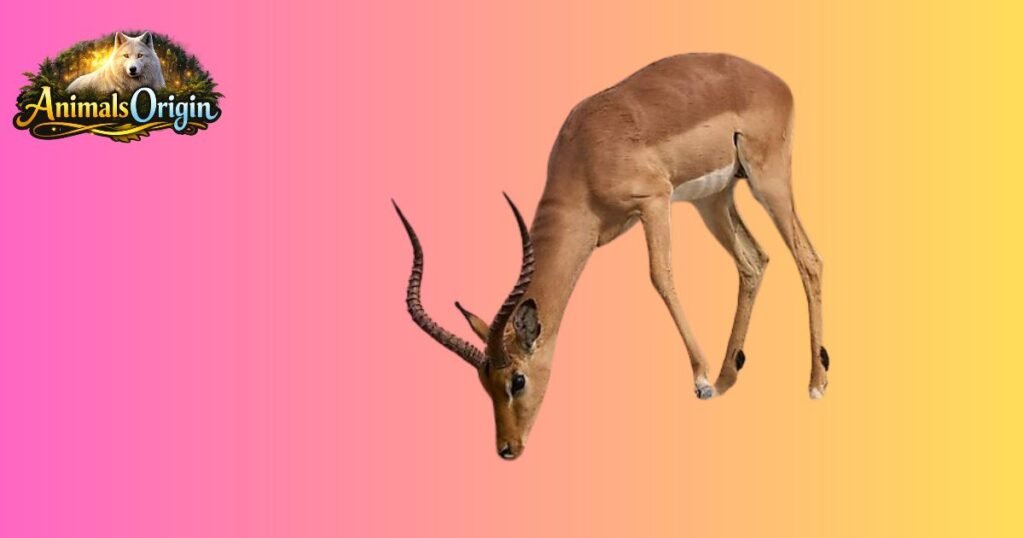
Antelopes
Similar to impalas, antelopes exhibit jittery behaviors in the presence of predators. Their strong herd instincts often help control individual anxiety levels within the group.
Quokkas
These small marsupials appear friendly but exhibit signs of anxiety when approached too closely. Their wide eyes and quick movements reveal a cautious nature in an otherwise relaxed demeanor.
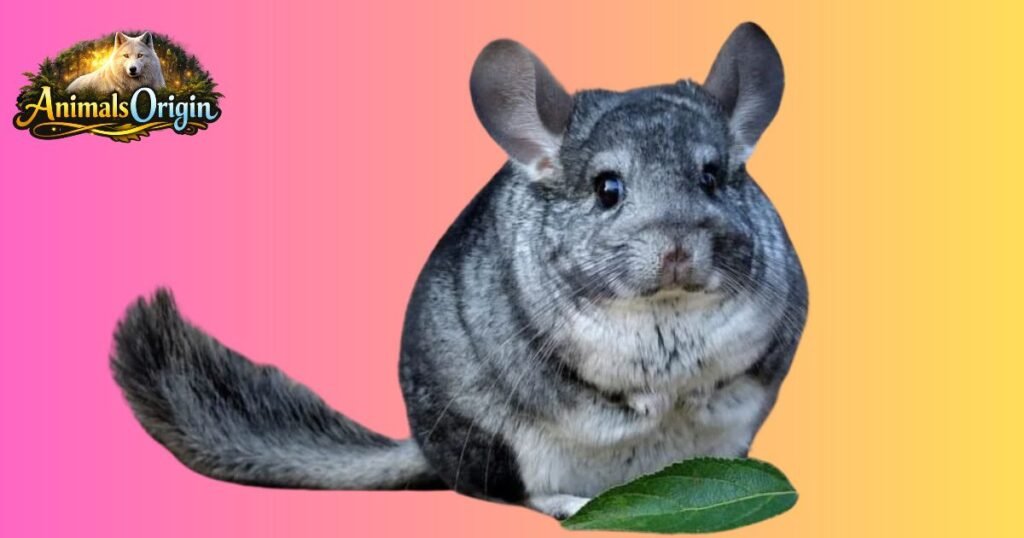
Chinchillas
As nocturnal creatures, chinchillas display anxiety through their fast-paced hops and rapid grooming. Their soft fur may seem calm, but their behavior hides a highly sensitive personality.
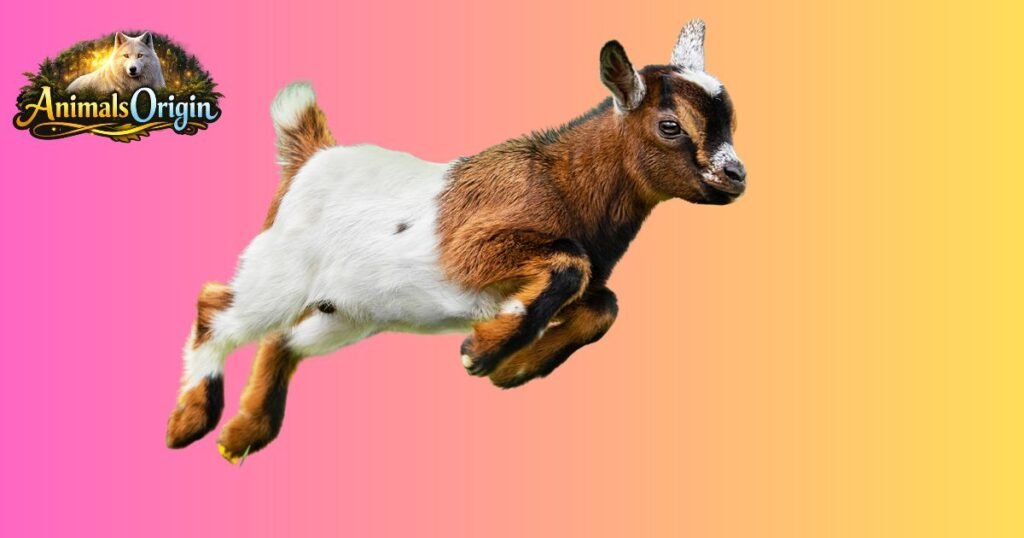
Goats
Often underestimated, goats show anxiety through headbutting or climbing higher in response to stress. Their quirky antics are a manifestation of not only curiosity but also the underlying nervous energy they often possess.
Animals That Startle Easily in the Wild
In the wild, nervous animals often display behaviors that highlight their natural instinct to survive. Take the majestic deer, for instance; their large, expressive eyes are designed to spot danger from afar. With just a fleeting rustle in the bushes, these timid animals can bolt at astonishing speeds, proving how quickly fear can take over when they sense a threat. Their auditory sensitivity allows them to hear the faintest sounds, reinforcing their status as some of the most skittish animals in the animal kingdom.
Similarly, the rabbit exemplifies how panic can be a protective mechanism. With sturdy hind legs built for rapid escape, these fearful animals react to even minor disturbances with a frenetic burst of energy. Interestingly, their social structures often consist of an intricate hierarchy; when the leader perceives danger, an instinctive chain reaction prompts the entire group to flee.
Also read more: Animals That Look Like Groundhogs: 10 Lookalikes From Around the World
How Animals Respond to Fear and Stress
When observing easily frightened animals, it’s fascinating to see the diversity in their responses to fear and stress. For instance, many shy animals may freeze in place, their bodies becoming statues as they assess potential threats. This instinctual response, known as “tonic immobility,” is a survival mechanism, offering them a chance to avoid detection by predators. In contrast, some animals with nervous behavior might choose to flee, darting into safety as a reflexive escape from danger.
Interestingly, animals with anxiety-like behavior often exhibit unique signs of distress, such as excessive grooming or repetitive movements. These behaviors are not merely signs of agitation; they serve as coping mechanisms to soothe their nerves. The challenge for many pet owners is to recognize these subtle cues and provide an environment that mitigates animal stress behavior.
What Makes Animals Feel Unsafe
Animals can exhibit a range of signs of fear that reveal their emotional state. For instance, a dog may cower or tuck its tail between its legs, while a cat may retreat to a high perch, demonstrating that they are animals that hide when scared. These behaviors are not just reactions but are deeply ingrained survival mechanisms. When confronted with a perceived threat, animals instinctively seek refuge to avoid confrontation, highlighting their need for safety and stability.
Moreover, some species are more prone to animal fear responses due to their social structures or past experiences. For example, small prey animals often panic easily when they sense danger, instinctively triggering a fight-or-flight reaction. This is not just about physical threats; environmental changes, unfamiliar noises, or even the presence of certain humans can amplify their anxiety.
Final Words
In final words, the world of anxious animals is more complex than we often realize. From the skittish behaviors of deer to the nervous habits of certain birds, these creatures exhibit a range of responses shaped by their environments and evolutionary histories.
Understanding the *nervous behaviors* of these 15 species not only deepens our appreciation for wildlife but also highlights the importance of habitat preservation. As we become more aware of how anxiety manifests in the animal kingdom, we can take steps to foster healthier ecosystems. Let’s commit to protecting these unique species and ensuring their habitats remain safe and serene.
FAQs
What Animals are Known to be Anxious?
Many animals exhibit signs of anxiety, often similar to those seen in humans. Dogs, for instance, are well-known for their anxious behavior, especially during thunderstorms or fireworks. They may bark excessively, hide, or even try to escape. Cats can also experience anxiety, typically manifesting as changes in behavior, such as excessive grooming or hiding.
What Animal Represents Anxiety?
Anxiety can be represented by a few animals, but the most fitting might be a rabbit. Rabbits are often seen as skittish and easily startled, which mirrors how anxiety can make someone feel tense and reactive to their surroundings. Their rapid heartbeat and quick movements reflect the heightened state of alertness that often accompanies anxiety.
What is the Difference Between Anxiety and Dread?
Anxiety and dread are closely related but distinct experiences. Anxiety often manifests as a general feeling of unease or worry about something specific or even the unknown. It can come with physical symptoms like a racing heart or sweating, and it often results from anticipating future problems or stressors.