What Animals Eat Trees: 15 Creatures That Feed on Trees
Many people assume trees are only home to cuddly animals and chirping birds, but a surprising number of creatures actually rely on them for sustenance. In this article, we’ll explore what animals eat trees and reveal the fascinating ways these creatures impact their ecosystems.
Understanding these relationships is crucial for grasping the balance of nature and the role trees play in supporting wildlife. By the end, you’ll discover 15 diverse animals that feast on trees and learn how each one contributes to the environment.
What Parts of Trees Do Animals Eat?
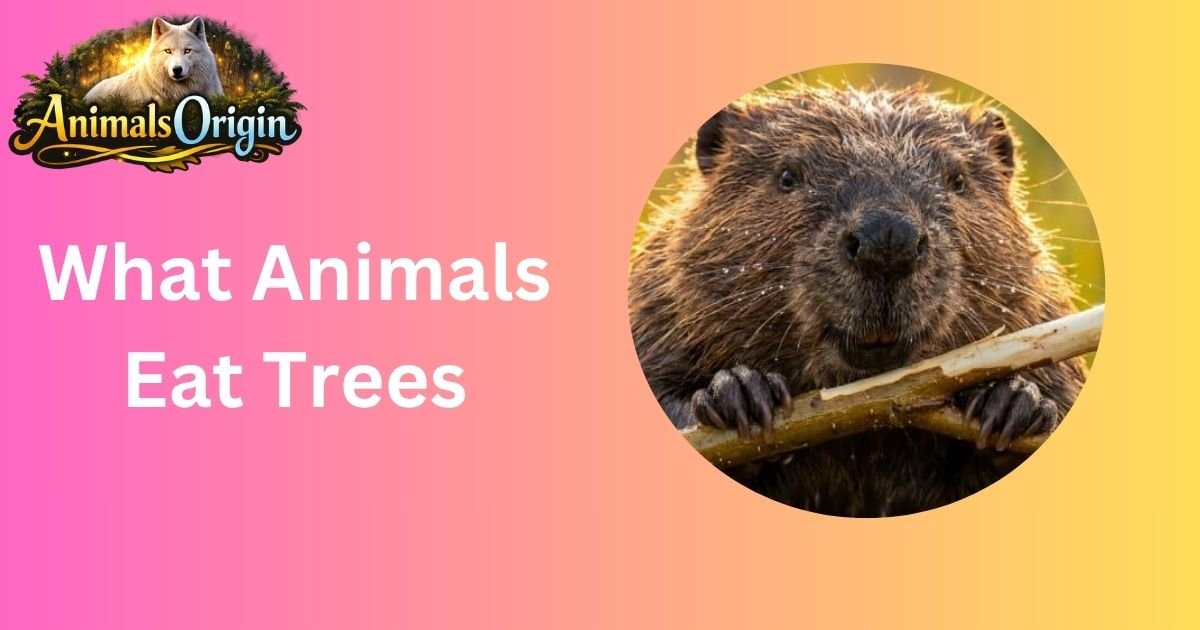
Many animals have adapted remarkable ways to make trees part of their diet, tapping into various parts for nourishment. For instance, beavers are famous for gnawing on tree trunks, but they particularly enjoy the tender bark of poplars and aspens.
This bark is not just a food source; it also provides vital nutrients during the winter months when other food is scarce. Interestingly, some bird species, like woodpeckers, feast on insects hidden beneath the bark, showcasing an intricate relationship between trees and wildlife.
Top 5 Mammals That Eat Trees
Below is the list of the Top 5 Mammals That Eat Trees:
- Beaver
- North American Porcupine
- African Elephant
- Giraffe
- Moose
Beaver
Often dubbed nature’s engineers, beavers are experts in tree consumption, specifically targeting softwood species like willows and aspens. Their impressive gnawing skills not only provide sustenance but also create wetland habitats, thereby altering their ecosystem. As these industrious rodents fell trees for their dams, they inadvertently promote biodiversity, making them a keystone species in their environments.
North American Porcupine
With their distinctive quills, North American porcupines are surprisingly adept tree eaters, often climbing high to feast on the bark and leaves of conifers. This peeling away of bark can expose a tree’s heartwood, sometimes leading to unhealthy trees, yet the porcupine plays a crucial role in the intricate balance of forest ecosystems. Their diet contributes to nutrient cycling, making them unsung heroes in maintaining forest health.
Read more: Animals With Long Tails: 20 Fascinating Creatures Known for Their Remarkable Tails
African Elephant
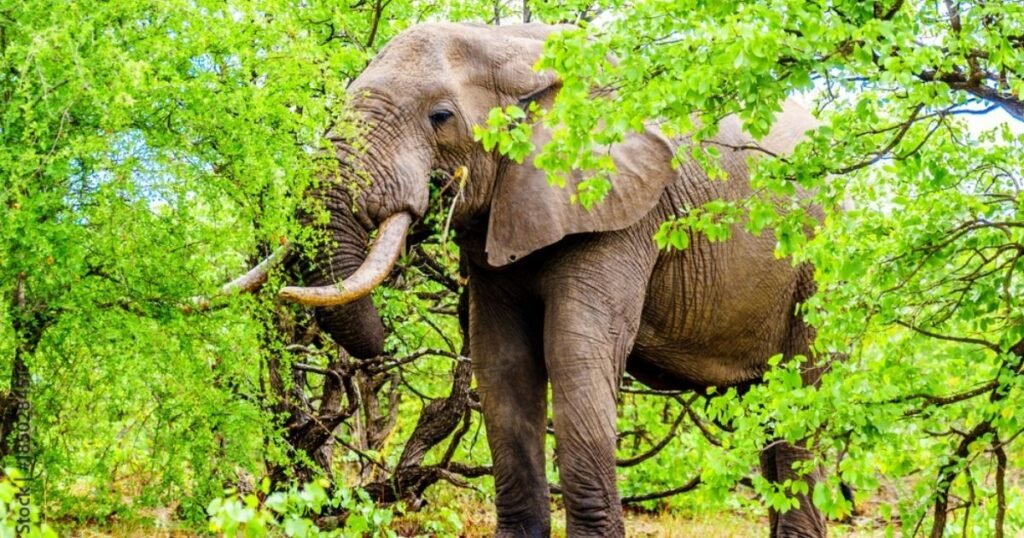
As the largest land mammals, African elephants consume vast amounts of vegetation, making trees a significant component of their diets. They use their formidable tusks to uproot or debark trees, creating pathways that foster growth for other species. Their tree-eating habits can radically reshape landscapes, turning dense forests into savannas, which benefits a plethora of other wildlife through the exposure of new habitats.
Giraffe
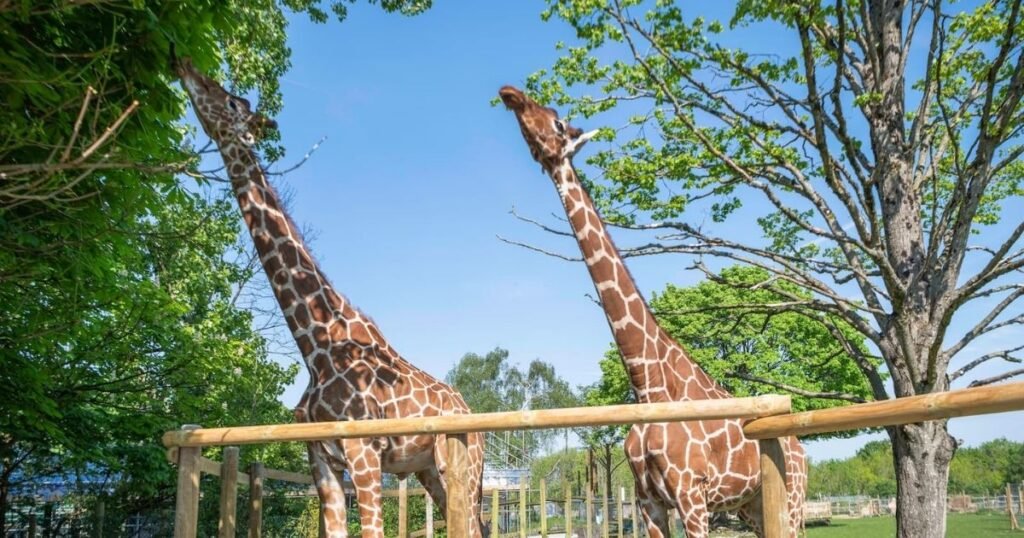
Giraffes have an impressive adaptation for tree consumption, specifically targeting acacia leaves with their long necks and specialized tongues. This selective feeding not only helps them thrive in the competition for resources but also aids in the health of the acacia trees by promoting growth through selective pruning. Their browsing habits can create openings in the canopy, supporting an array of plant and animal life below.
Moose
These majestic creatures are not just impressive with their large size but also with their remarkable ability to feed on trees. Moose prefer young saplings and willows, using their long tongue to reach leaves high above. Their tree-nibbling behavior helps manage forest density and opens up space for new plant growth, showcasing yet another way mammals contribute to the health of their ecosystems. The cycle of consumption and regeneration paints a vivid picture of the interconnectedness of life in our forests.
5 Insects That Feed on Trees
Below is the list of 5 Insects That Feed on Trees:
- Bark Beetle
- Termite
- Gypsy Moth Caterpillar
- Emerald Ash Borer
- Longhorn Beetle
Bark Beetle
These tiny pests might be small, but their impact is mighty. Bark beetles burrow into tree bark, disrupting the critical flow of nutrients and water. Their presence can signal a much larger ecological imbalance, leading to widespread tree mortality. Interestingly, trees under stress release chemicals that attract these beetles, creating a vicious cycle that can devastate entire forests.
Termite
While often synonymous with destruction, termites play a complex role in forest ecosystems. They tunnel through wood, not only feeding on the cellulose but also aerating the soil, which can enhance nutrient availability for surrounding plants. However, their relentless appetite can lead to the decline of both living trees and the structural integrity of wooden structures, creating a dichotomy of benefit and peril.
Gypsy Moth Caterpillar
Known for their voracious appetite, gypsy moth caterpillars can defoliate entire trees in a matter of weeks. While their feeding can cause short-term harm, it can also foster biodiversity by creating openings in the canopy, allowing sunlight to reach smaller plants below. This balance between destruction and renewal makes them an integral, albeit troubling, part of forest dynamics.
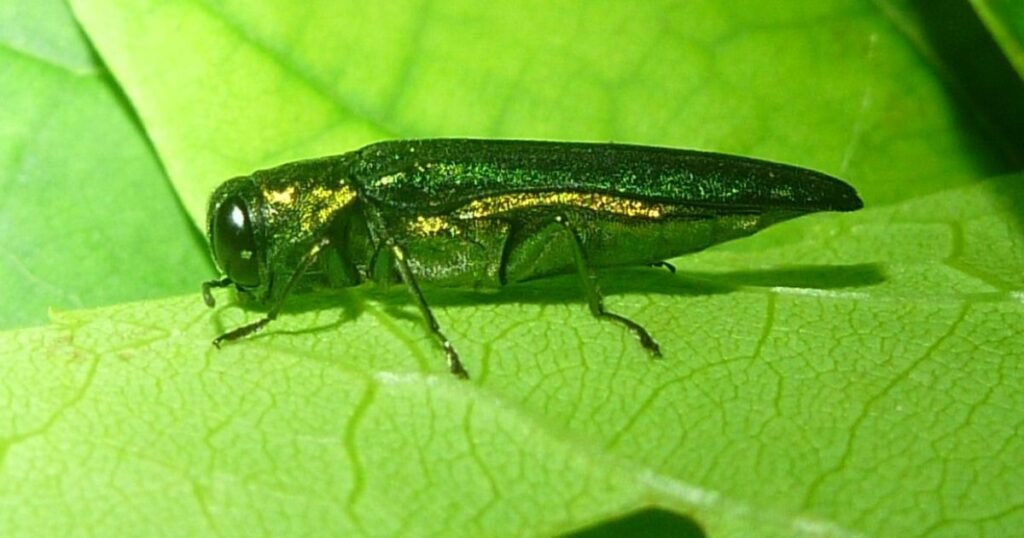
Emerald Ash Borer
Invasive and destructive, the emerald ash borer has changed the landscape of North American forests. Tunneling through ash trees, it creates a unique pattern of destruction that not only leads to tree death but also opens up new niches for other species. This has far-reaching implications for local wildlife, presenting both challenges and opportunities for ecosystem resilience.
Longhorn Beetle
With their impressive antennae, longhorn beetles have a striking presence that belies their destructive nature. These insects bore into the wood, causing both aesthetic and structural damage. Their lifecycle is fascinating, as the decay they promote can lead to a new wave of life, demonstrating nature’s ability to adapt and evolve amidst destruction. Their dual role makes the longhorn beetle a key player in maintaining the balance within forest ecosystems.
5 Birds That Eat Tree Bark, Sap, or Wood
Below is the list of 5 Birds That Eat Tree Bark, Sap, or Wood:
- Pileated Woodpecker
- Yellow-bellied Sapsucker
- Downy Woodpecker
- Acorn Woodpecker
- Eurasian Wryneck
Pileated Woodpecker
Known for their striking size and distinctive red crest, Pileated Woodpeckers can often be seen chiseling into trees with their strong beaks, searching for insects hidden beneath the bark. Their excavation not only provides them with a meal but also creates nesting sites for other species. The holes they leave behind can become vital habitats for a range of forest wildlife, making them ecological engineers.
Yellow-bellied Sapsucker
This bird has a unique feeding strategy, drilling shallow wells in tree bark to access sap. The Yellow-bellied Sapsucker’s preference for certain tree species means that they play a crucial role in maintaining the health of forest ecosystems. These wells invite other species, like butterflies and bees, to feast on the nutrient-rich sap, fostering a micro-habitat around their feeding grounds.
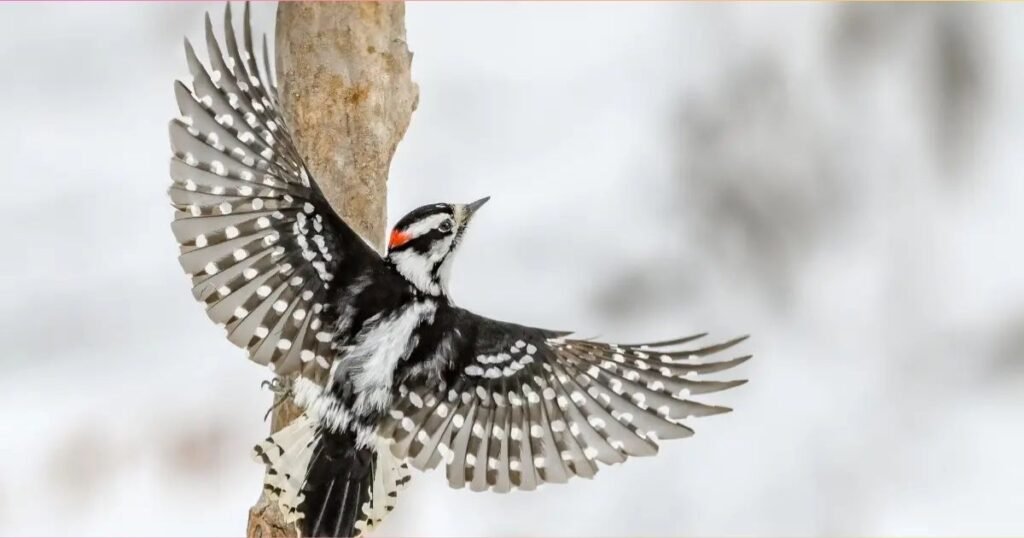
Downy Woodpecker
Smaller than its Pileated counterpart, the Downy Woodpecker also has a knack for excavating wood. Primarily feeding on insects, they tend to hammer at dead trees and branches, inadvertently promoting decay and nutrient recycling within the ecosystem. As they forage, they also create small cavities that can provide refuge for various insects and small birds.
Acorn Woodpecker
This colorful bird is famous for its acorn storage technique, using tree bark to hide its treasured food. They peck holes in trees to create storage sites, showing impressive foresight and community dynamics as they work in groups. Their activities not only help them survive through harsh months but also aid in seed dispersal, contributing to forest regeneration.
Eurasian Wryneck
A fascinating member of the woodpecker family, the Eurasian Wryneck has a quirky feeding habit that includes probing into tree bark to extract insects. Unlike others, it prefers to stay on the ground rummaging through leaf litter but seldom hesitates to climb trees. Its unique ability to mimic the sounds of other birds also helps it evade predators while it searches for food, showcasing an intriguing blend of behavior and adaptation.
Why Do Some Animals Eat Trees?
What Animals eat trees often do so for a variety of surprising reasons beyond mere hunger. Many of these creatures, such as beavers and woodpeckers, have adapted over time to thrive in environments where trees provide essential resources. For instance, beavers not only consume tree bark and leaves for nourishment but also utilize the wood to construct their dams, creating habitats that benefit their entire ecosystem.
Interestingly, some animals target trees for their nutrient-rich inner bark. Pests like bark beetles, for example, play a role in forest dynamics, breaking down old growth and allowing sunlight to reach the forest floor, fostering new plant life.
Final Words
In exploring the diverse range of what animals eat trees, it becomes evident just how interconnected our ecosystems are. From the bark-chewing beavers to the leaf-munching caterpillars, each creature plays a crucial role in the environment.
These 15 creatures that feed on trees highlight the intricate relationships between flora and fauna, reminding us of nature’s balance. Protecting these species and their habitats is essential for the health of our forests. Let’s appreciate the fascinating interactions in our ecosystems and take steps to support wildlife conservation.
FAQ’S
Which animal eats trees?
Several animals are known for eating trees, but one of the most well-known is the beaver. Beavers are notorious for their tree-chomping habits, using their strong teeth to gnaw through trunks and branches. They do this not just for food, but to build dams and create lodges that protect them from predators.
Which animals are known to eat tree bark?
Woodpeckers, squirrels, and beavers are some of the main bark-eaters.