Animals With Long Tails: 20 Fascinating Creatures Known for Their Remarkable Tails
Animals with long tails are not just unique; they play essential roles in their ecosystems. From aiding in balance to enhancing communication, these fascinating creatures showcase a variety of adaptations that captivate our interest.
Understanding the significance of long tails goes beyond mere curiosity; it helps us appreciate the complexities of animal life. In this article, we’ll explore several remarkable animals known for their lengthy tails and uncover the functions these appendages serve in their everyday lives.
What Are the Benefits of Having a Long Tail in the Animal Kingdom?
Animals with long tails exhibit a range of fascinating adaptations that enhance their survival in the wild. One of the primary benefits is improved balance, particularly for creatures like monkeys and tree-dwelling squirrels that navigate complex environments. A long tail acts as a stabilizing tool, allowing them to leap between branches with precision and grace. This balance not only aids in foraging but also plays a critical role when escaping predators.
Additionally, animals with long tails often use them for communication. Be it through wagging or other movements, a tail can convey emotions, intent, or warning signals to fellow beings. For instance, many cats have expressive tails that indicate their mood, helping in social interactions among their kind. Furthermore, long tails can also serve as a defense mechanism, as seen in some lizards that can detach their tails to escape threats, regrowing them later and showcasing remarkable resilience in the animal kingdom.
Top 5 Animals Famous for Their Long Tails
Below is the list of the Top 5 Animals Famous for Their Long Tails:
- Spider Monkey
- Ring-Tailed Lemur
- Red Kangaroo
- Snow Leopard
- Giraffe
Spider Monkey
Known for their extraordinary agility, spider monkeys boast tails that can reach lengths up to 30 inches. These prehensile tails serve as a fifth limb, allowing them to navigate through treetops with breathtaking grace. Their long tails not only aid in balance but also help them swing from branch to branch, showcasing a remarkable adaptation to life in the canopy.
Ring-Tailed Lemur
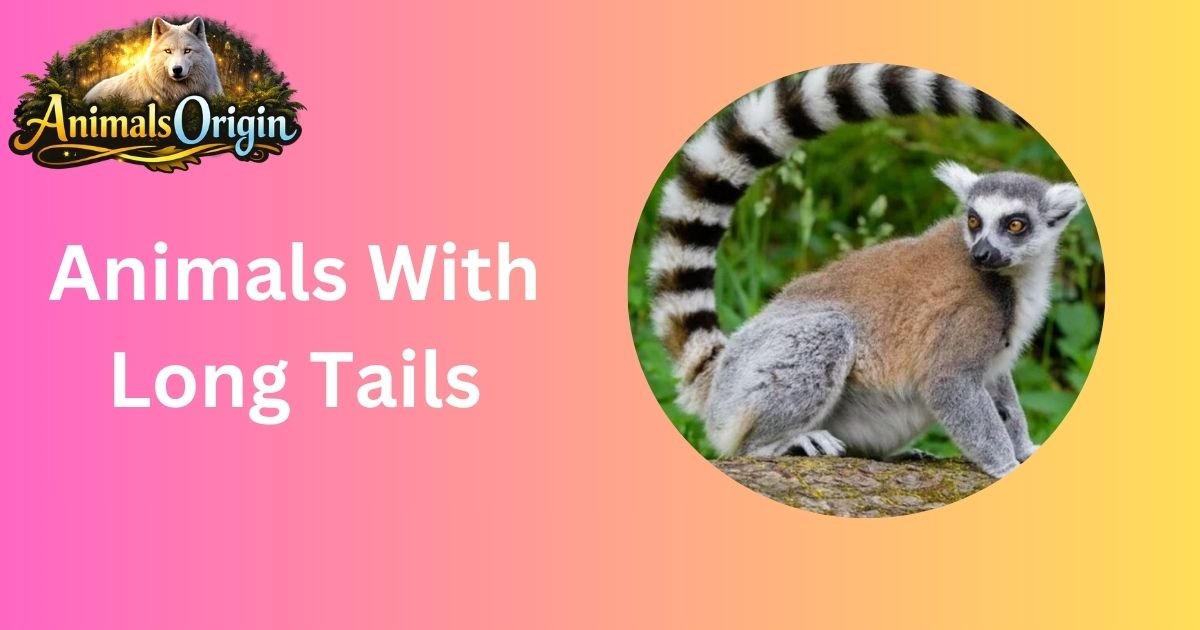
With their striking black-and-white striped tails, ring-tailed lemurs are a visual delight. Their tails, almost as long as their bodies, play a crucial role in communication within their groups. They use these unique appendages to signal each other during social interactions, making them one of the most expressive animals in the wild. Plus, when they sit upright with their tails raised, they become a mesmerizing sight in their Madagascan habitat.
Read more: Grassland Animals: 20 Amazing Wildlife of the World’s Open Plains
Red Kangaroo
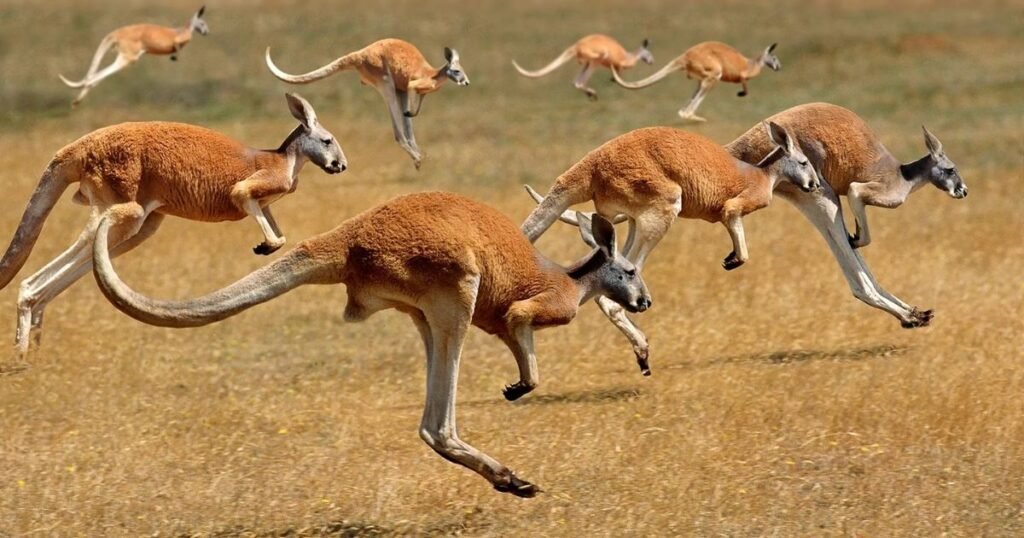
While primarily celebrated for their powerful hind legs, red kangaroos also flaunt long, muscular tails that serve as a counterbalance during leaps. Their strong tails are vital for stability, especially when making sharp turns or navigating rough terrain. This unique feature enhances their efficiency as they traverse the arid Australian landscape, blending practicality with their iconic hopping grace.
Snow leopard
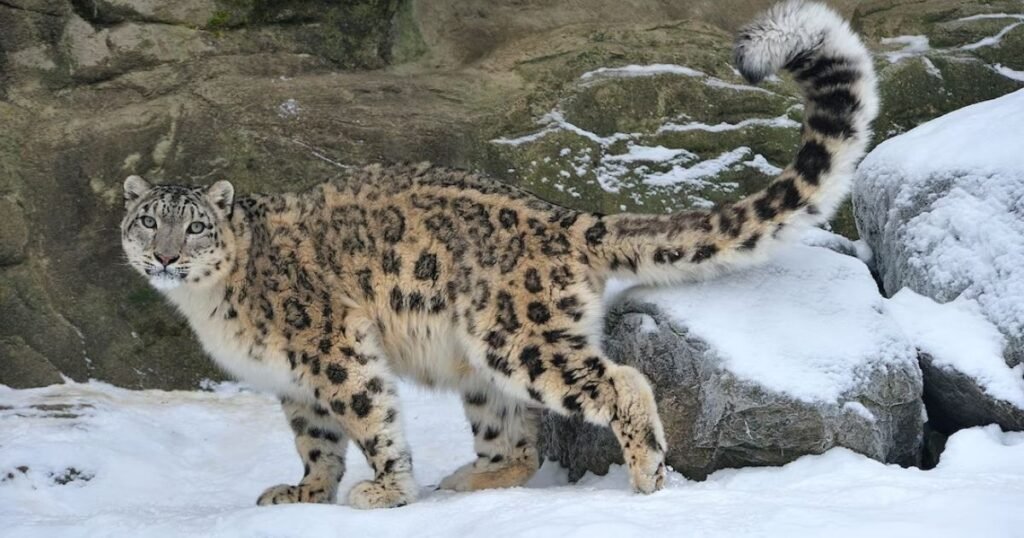
The elusive snow leopard is remarkable not only for its stunningly beautiful coat but also for its long, thick tail. This furry appendage is indispensable for maintaining balance on rocky, steep terrain, allowing snow leopards to navigate their harsh mountainous habitats. Additionally, their tails provide warmth in freezing temperatures when curled around their bodies, emphasizing their evolutionary adaptations to extreme environments.
Giraffe
Giraffes may be recognized mostly for their towering necks, but their long tails deserve equal attention. These tails, adorned with a tuft of hair, serve multiple purposes: they swat away pesky insects and can convey information to other giraffes through subtle movements. Their unique adaptation highlights the importance of every part of an animal in its survival and social interactions, showcasing the intricate tapestry of life in the savanna.
5 Tree-Dwelling Animals That Use Long Tails for Balance
Below is the list of 5 Tree-Dwelling Animals That Use Long Tails for Balance:
- Spider Monkey
- Capuchin Monkey
- Squirrel Monkey
- Red Squirrel
- Coati
Spider Monkey
Renowned for their acrobatic skills, spider monkeys boast long, prehensile tails that act like an extra limb. These tails enable them to swing gracefully from branch to branch in the dense canopies of Central and South America. Their tail movements can be precise, allowing them to maintain balance while navigating the upper reaches of the forest, showcasing not only their agility but also their social interactions as they communicate through intricate movements.
Capuchin Monkey
With intelligence that rivals some of our closest relatives, capuchin monkeys utilize their long tails for exceptional balance. As they forage for fruits and insects high above ground, their tails help steady their bodies, particularly when they leap between branches. This adaptability is not just a survival tactic — capuchins are known to use tools, making their tail-assisted flexibility even more impressive in their quest for sustenance.
Squirrel Monkey
Agile and playful, squirrel monkeys leverage their bushy tails to maintain stability during their energetic leaps. Found in the tropical forests of Central and South America, these monkeys use their tails not merely for balance but as a visual cue in social interactions. Their ability to deftly maneuver through the trees enhances not only their foraging success but also their ability to evade predators, allowing for a unique blend of sociality and survival.
Red Squirrel
While often associated with ground-level antics, the red squirrel is a master of tree-dwelling. Their bushy tails serve a dual purpose — acting as a blanket during chilly nights and as a stabilizer while they navigate tree branches in search of cones. This adaptability to varying environments emphasizes their remarkable agility, allowing them to thrive in diverse woodland habitats.

Coati
Though not a traditional tree-dweller, coatis are adept climbers with long, flexible tails that help them balance as they venture into the branches in search of food. Their tails serve as a balancing pole, particularly when they are foraging for fruit or insects. This behavior highlights the coati’s versatility, bridging the gap between terrestrial and arboreal lifestyles, making them fascinating subjects of study in animal behavior.
5 Long-Tailed Mammals Found Around the World
Below is the list of 5 Long-Tailed Mammals Found Around the World:
- Ring-Tailed Lemur
- Red Kangaroo
- Snow Leopard
- Long-Tailed Macaque
- Black-Tailed Prairie Dog
Ring-Tailed Lemur
The Ring-Tailed Lemur, native to Madagascar, showcases not only its striking black-and-white tail but also complex social behaviors. These mammals live in matriarchal groups, demonstrating impressive communication skills through vocalizations and scent markings. Their playful antics and social dynamics reveal much about primate evolution and the importance of biodiversity in island ecosystems.
Red Kangaroo
Next, the Red Kangaroo, a symbol of Australia, showcases extraordinary adaptations for survival in harsh environments. Capable of leaping over vast distances, these marsupials have powerful legs that conserve energy while traversing the arid outback. Their long tails, used for balance, also play a crucial role in their unique locomotion, allowing them to navigate unpredictable terrain with grace.
Snow Leopard
The elusive Snow Leopard roams the rugged mountain ranges of Central Asia, known for its striking spotted coat and long, thick tail that aids in balance and maneuvering through steep slopes. This apex predator is not just a survivalist; conservation efforts focused on its habitat highlight the delicate relationship between wildlife and climate change, emphasizing how protecting one species can lead to broader ecological benefits.
Long-Tailed Macaque
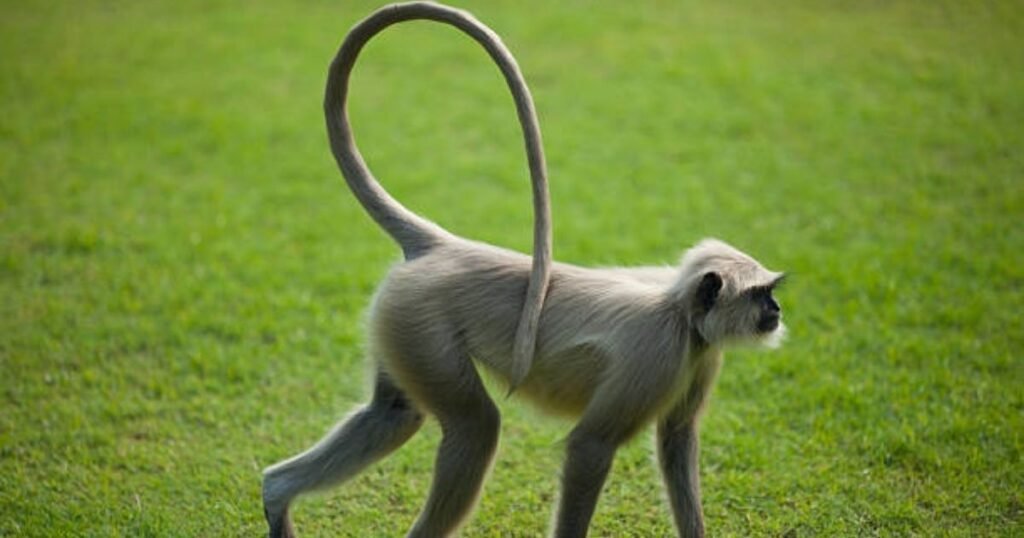
Meanwhile, the Long-Tailed Macaque thrives in diverse tropical environments, showcasing adaptability with its remarkable intelligence. These primates are adept at using tools and displaying intricate social structures, helping to bridge the gap between primitive and advanced behaviors in the animal kingdom.
Black-Tailed Prairie Dog
Lastly, the Black-Tailed Prairie Dog, found in North America, is a keystone species crucial for maintaining the grassland ecosystem. Their burrowing activities aerate the soil, promoting plant growth and providing homes for various other species. Interestingly, these social creatures communicate through a sophisticated system of barks and whistles, demonstrating a level of social complexity that continues to captivate researchers diving into the depths of animal communication. Together, these long-tailed mammals illuminate the wonders of nature, each playing a pivotal role in their respective environment.
5 Reptiles and Birds Known for Their Impressive Tails
Below is the list of 5 Reptiles and Birds Known for Their Impressive Tails:
- Green Iguana
- Monitor Lizard
- Peacock
- Resplendent Quetzal
- Greater Roadrunner
Green Iguana
The Green Iguana is not just a stunning green marvel; its tail serves multiple purposes. Capable of deterring predators, this long, whip-like appendage can deliver a powerful strike when threatened. Interestingly, it also plays a role in balance, allowing these agile climbers to navigate their arboreal habitats with ease.
Monitor Lizard
The Monitor Lizard boasts a tail that’s not only muscular but also a tool for communication. This impressive appendage helps them maintain stamina while swimming and acts as a rudder when navigating water. With some species, the tail can even be used in courtship displays, showcasing the lizard’s health and vitality.
Peacock
Known for their extravagant feathers, peacocks also possess a striking tail that can fan out into a spectacular display during mating rituals. This essential characteristic showcases the male’s fitness to potential mates. Interestingly, the tail’s vibrant colors and intricate patterns are a result of microscopic structures, which create dazzling iridescence, captivating both humans and birds alike.
Resplendent Quetzal
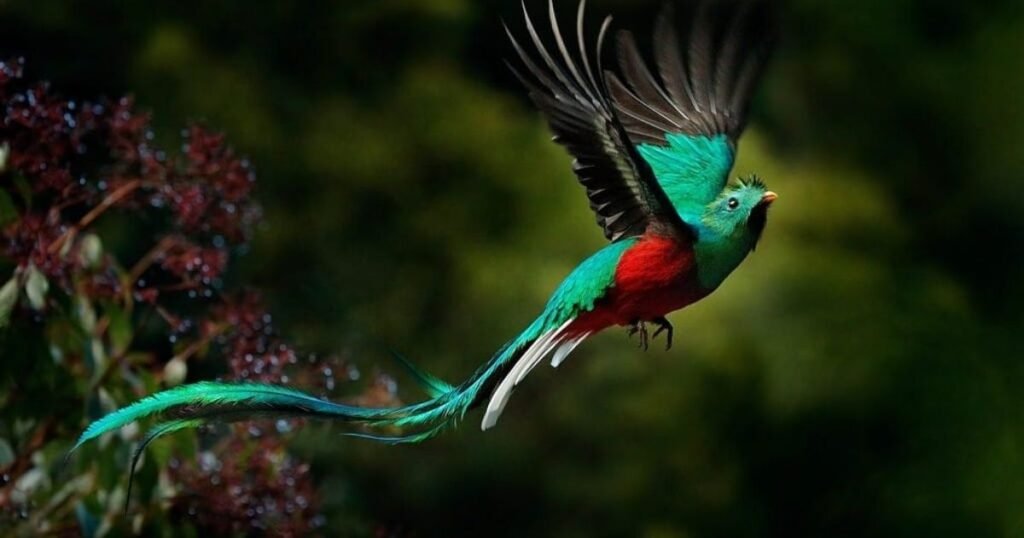
Renowned for its striking appearance, the Resplendent Quetzal’s tail is integral to its allure. With feathers stretching up to three feet long, these elongated appendages aid in aerial maneuvers. They not only mesmerize potential mates but also help in displaying dominance within their territory, making it a key factor in male rivalry and attraction.
Greater Roadrunner
This swift desert dweller has a remarkable tail that assists in steering while running at impressive speeds. The Greater Roadrunner’s tail also acts as a social signal, with specific movements used to convey feelings of aggression or readiness during courtship rituals. Whether darting through the underbrush or participating in a dramatic display, the tail serves as a vital tool for both communication and survival in the wild.
Final words
In conclusion, animals with long tails are truly amazing creatures that showcase the wonders of nature. These tails serve many important purposes, from helping with balance to communicating with peers. Each species has its own unique way of using its tail, making them interesting to study and observe.
Learning about these animals helps us appreciate the diversity of life on our planet. So, next time you see an animal with a long tail, take a moment to marvel at its special features and how it contributes to the world around us.
FAQ’S
What animal has the longest tail?
The animal with the longest tail is the *Protoceratops andrewsi*, a prehistoric dinosaur known for its impressive tail. However, in the modern world, the animal with the longest tail is the *Squirrel monkey*, which can have a tail that is up to 25 inches long, almost twice the length of its body
What are little animals with long tails?
Little animals with long tails include mice, rats, and lemurs. Mice are common, often found in homes and fields, while rats are slightly larger and more adaptable.