How Do Animals Find Food: 15 Amazing Ways Animals Locate Their Meals
Every day, millions of animals embark on extraordinary quests to secure their next meal, showcasing nature’s remarkable ingenuity. In our exploration of “How Do Animals Find Food,” we’ll uncover 15 amazing ways diverse creatures overcome challenges to locate nourishment.
Understanding these strategies not only highlights the survival skills of various species but also deepens our appreciation for the intricate web of life on Earth. By the end of this article, you’ll be inspired by the incredible adaptations animals have developed in their constant search for sustenance.
How Do Animals Find Food in Different Environments?
Animals have developed extraordinary adaptations to find food in diverse environments, showcasing nature’s ingenuity. In dense forests, “How Do Animals Find Food,” for instance, creatures like monkeys use their keen sight and memory to locate fruit-bearing trees. They often forage in groups, which enhances their chances of discovering food and provides safety in numbers.
Meanwhile, in arid deserts, kangaroo rats demonstrate remarkable efficiency by relying on their acute hearing to detect the faint sounds of potential prey or water sources hidden beneath the surface. Aquatic environments present another fascinating challenge. Fish, for example, use a combination of smell and lateral line systems to sense vibrations in the water, helping them locate schools of smaller fish or zooplankton.
Top 5 Animals That Use Their Sense of Smell to Find Food
Below is the list of the Top 5 Animals That Use Their Sense of Smell to Find Food:
- African Elephant
- Brown Bear
- Bloodhound
- Kiwi
- Turkey Vulture
African Elephant
These gentle giants possess an extraordinary sense of smell, estimated to be four times stronger than that of a bloodhound. Elephants can sniff out water sources from over a mile away, guiding them through arid landscapes. Their incredible olfactory skills also help them locate food, such as seasonal fruits and lush vegetation, making them key players in their ecosystem. They promote plant growth.
Brown Bear
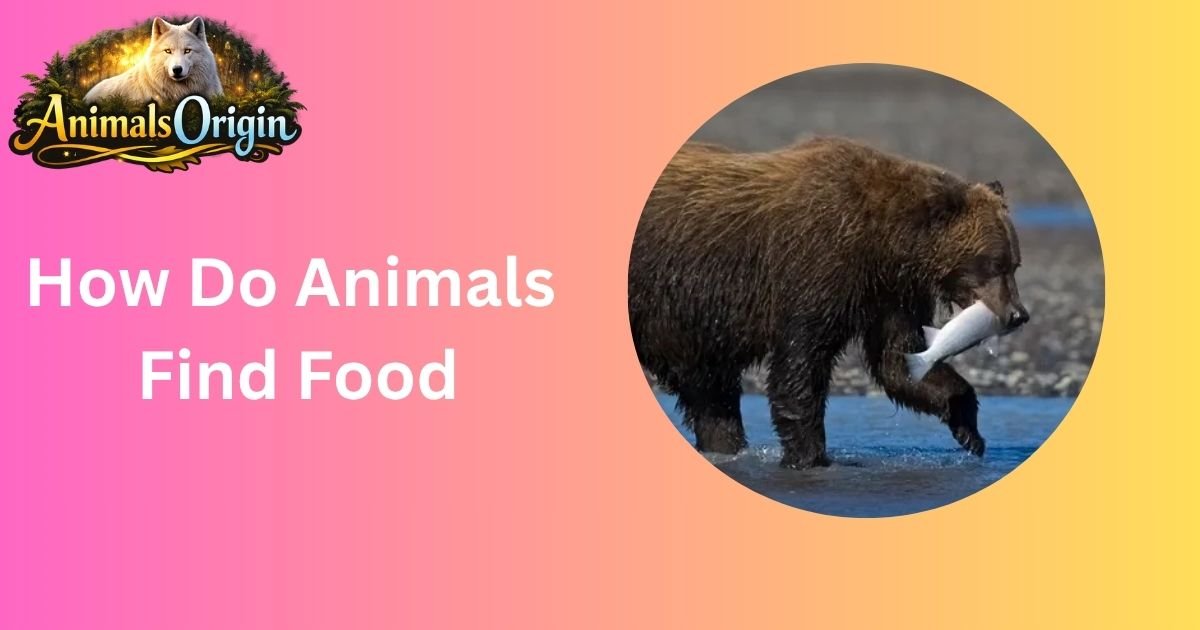
Armed with an acute sense of smell that can detect a dead animal from miles away, the brown bear is a master forager. Their olfactory receptors are specifically adapted to pick up on the faintest scents, allowing them to feast on carrion or hidden fish in streams. This remarkable ability not only supports their survival but also plays a crucial role in maintaining the balance of their natural habitat.
Read more: Animals That Live in the Prairie: 15 Incredible Species of the Grasslands
Bloodhound
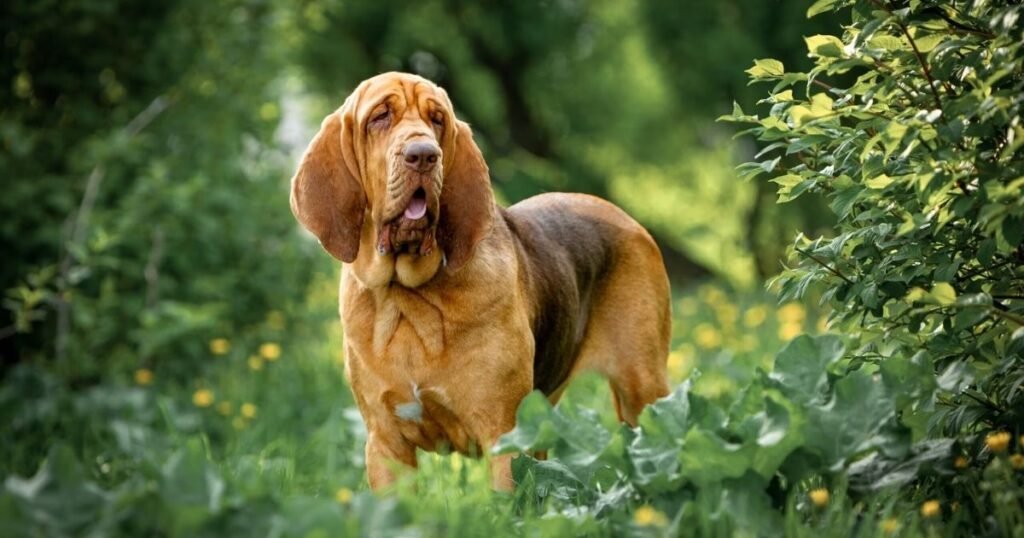
Known for their tracking prowess, bloodhounds exhibit an unparalleled scenting ability that allows them to follow trails even days old. Their unique anatomy, featuring long, droopy ears and a wrinkled face, helps trap scents close to the ground, enhancing their sense of smell for food and lost individuals alike. This makes them not only invaluable in search-and-rescue missions but also fascinating examples of precision scent detection in the animal kingdom.
Kiwi
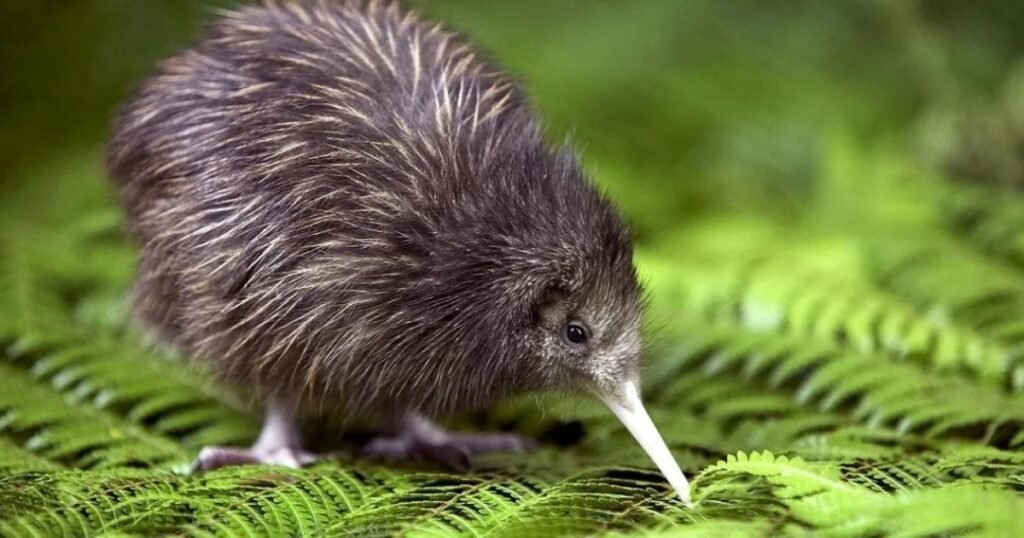
This flightless bird utilizes its exceptional sense of smell to locate insects and worms hidden beneath the forest floor. Unlike most birds, kiwis have nostrils at the end of their long beaks, allowing them to smell potential meals underground. This adaptation is crucial for their survival in New Zealand’s unique ecosystems, showcasing a different evolutionary path among avian species.
Turkey Vulture
Possessing one of the best senses of smell in the avian world, the turkey vulture can detect the scent of decaying flesh from several miles away. Unlike many scavengers that rely on sight, these birds navigate using their olfactory senses to find food in vast landscapes. This remarkable ability not only aids in their survival but also makes them essential custodians of the ecosystem, recycling nutrients back into the environment.
Top 5 Animals That Hunt Using Exceptional Vision
Below is the list of the Top 5 Animals That Hunt Using Exceptional Vision:
- Bald Eagle
- Peregrine Falcon
- Lion
- Dragonfly
- Mantis Shrimp
Bald Eagle
Soaring high above the landscape, the Bald Eagle boasts remarkable eyesight — estimated to be four to eight times sharper than that of the average human. This predatory bird can spot a small rabbit from more than three miles away, making it an efficient hunter over vast terrains. Their keen vision is complemented by a specialized lens that allows them to see ultraviolet light, enhancing their ability to track prey even in low-light conditions.
Peregrine Falcon
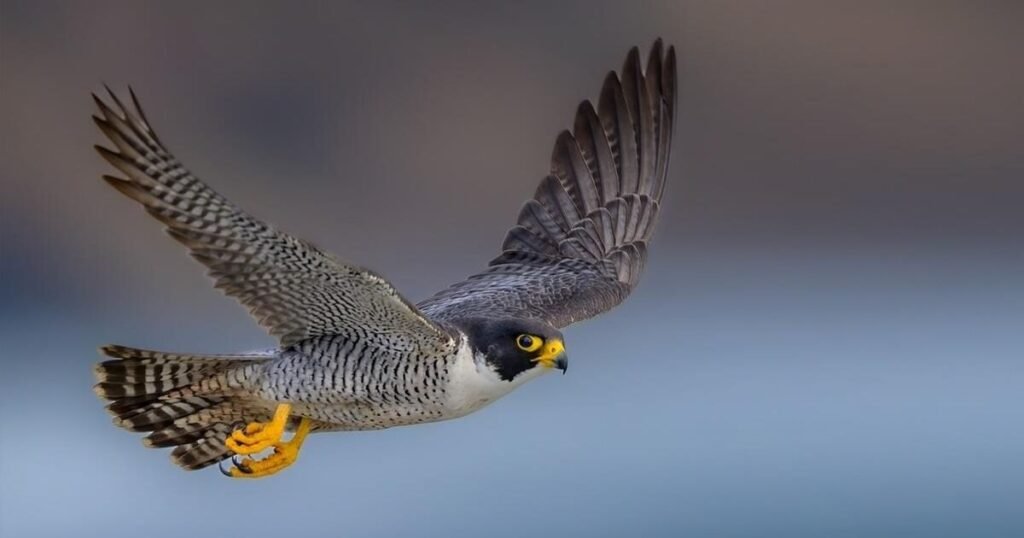
The Peregrine Falcon reigns supreme as the fastest animal on the planet, but it’s its extraordinary vision that truly sets it apart during the hunt. With a field of view larger than that of most birds, combined with a unique notch in its beak for optimal aerodynamics, this falcon can pinpoint prey while diving at speeds exceeding 240 mph. Their ability to process visual information rapidly gives them an edge, allowing them to make split-second decisions while pursuing agile targets.
Lion
Although primarily known for their raw power, lions also possess exceptional vision that aids them during nocturnal hunts. Their eyes are adapted for low-light conditions, featuring a reflective layer called the tapetum lucidum, which amplifies ambient light. This adaptation not only enables them to spot movement in the dark but also enhances their hunting strategy by allowing them to rely on stealth and camouflage at dusk, when their prey is most vulnerable.
Dragonfly
With nearly 360-degree vision, dragonflies are precision hunters in the insect world. Their compound eyes, made up of thousands of individual lenses, allow them to detect motion with incredible speed and accuracy. When hunting, dragonflies can track multiple prey items simultaneously, executing complex aerial maneuvers to snatch them mid-flight with unparalleled agility.
Mantis Shrimp
The mantis shrimp is a true marvel of the oceans, possessing one of the most complex visual systems among all animals. Equipped with 16 types of photoreceptors compared to humans’ three, these marine predators can see a spectrum of colors, including ultraviolet. This advanced vision not only aids them in hunting through vibrant coral reefs but also plays a critical role in communication, enhancing their ability to attract mates and ward off rivals in the competitive underwater world.
Top 5 Animals That Use Sound or Echolocation to Locate Prey
Below is the list of the Top 5 Animals That Use Sound or Echolocation to Locate Prey:
- Bottlenose Dolphin
- Big Brown Bat
- Sperm Whale
- Beluga Whale
- Oilbird
Bottlenose Dolphin
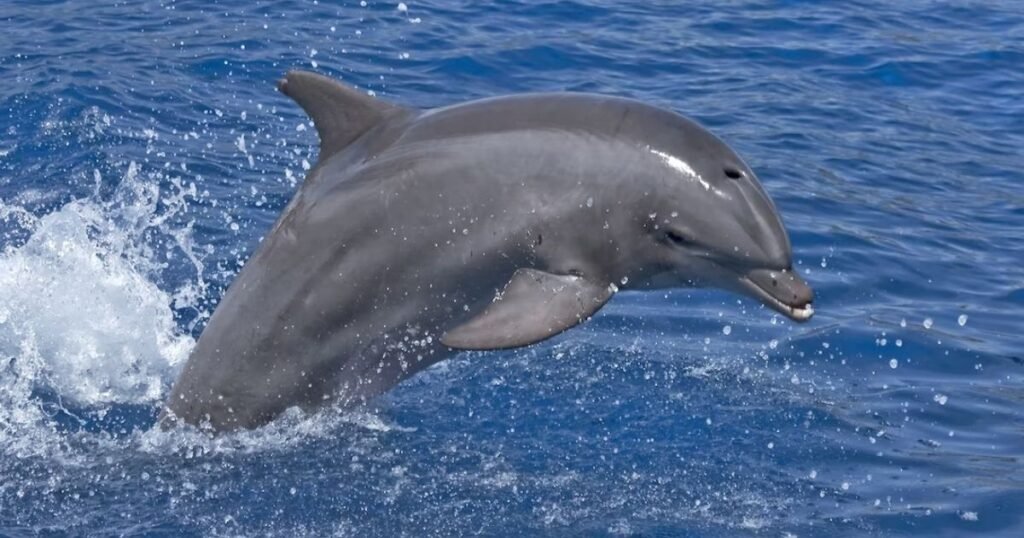
Renowned for their intelligence, bottlenose dolphins employ sophisticated echolocation to hunt in the ocean’s depths. By emitting a series of clicks and listening for the echoes, they can discern the size, shape, and even texture of their prey. This ability allows them to target fish, squid, and crustaceans with remarkable precision, showcasing a unique blend of agility and acute sound perception.
Big Brown Bat
The big brown bat is a master of nighttime hunting, utilizing echolocation to navigate and find insects in the dark. By producing rapid, high-frequency sounds, they create a sound map of their surroundings. These bats can gauge the distance and movement of their prey, making them efficient hunters during twilight hours when their insect targets are most active.
Sperm Whale
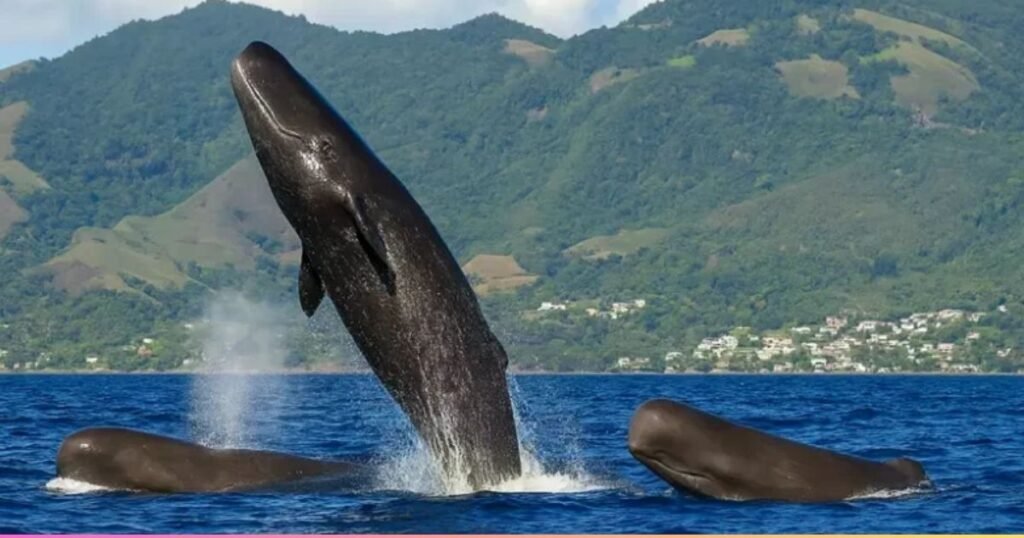
As one of the largest mammals on the planet, sperm whales dive deep into the ocean, where light barely penetrates. They use powerful clicks to echolocate, allowing them to hunt for squid and fish in the dark abyss. This communication technique also plays a crucial role in social bonding; their unique clicks can be tailored to convey different messages to their pods.
Beluga Whale
Often referred to as the “canaries of the sea,” beluga whales possess a fascinating vocal repertoire. Their ability to use sound extends beyond echolocation; they use a range of whistles and clicks to locate food in icy waters and communicate with one another. This adaptability demonstrates how sound can nurture not only survival but also social connections within their tight-knit pods.
Oilbird
The oilbird stands out as a nocturnal forager, relying on echolocation to navigate through dark caves while searching for fruit. With their unique ability to emit clicks, they can detect their surroundings, avoid obstacles, and locate food, making them an intriguing example of how birds effectively use sound in environments typically devoid of light.
What Challenges Do Animals Face When Searching for Food?
Finding food presents a complex maze of challenges for animals in the wild. As they navigate How Do Animals Find Food, they must be acutely aware of both their competitors and potential threats. For instance, while a gazelle grazes on grassy plains, it remains vigilant of lurking predators like lions. This constant vigilance can lead to an energy drain, forcing them to balance the need for nourishment with the survival instinct.
Additionally, seasonal changes can severely impact food availability. When winter descends, some creatures adapt by storing food or migrating to warmer climates. Yet, not all animals can migrate, and those that stay must innovate, often digging under snow or foraging for hidden caches.
Final Words
Animals have developed some truly fascinating adaptations to locate their meals, showcasing the incredible diversity of life on our planet. From the meticulous hunting strategies of wolves to the extraordinary sensory abilities of sharks, these 15 amazing ways show how do animals find food.
Each method not only reflects survival instincts but also illustrates the intricate relationships within ecosystems. As we learn more about these techniques, it becomes clear that understanding how animals find food is crucial for conservation efforts and maintaining biodiversity. Let’s continue to appreciate and protect the remarkable ways in which nature sustains itself.
FAQ’S
How do animals find their food?
Animals use a variety of strategies to find food, often relying on their senses. For instance, many rely on sight and smell. Predators like lions can spot their prey from a distance, while scavengers such as vultures use their keen eyesight to locate carcasses.
How do animals know food is food?
Animals instinctively recognize food through a combination of sensory cues and learned behavior. They utilize their senses of sight, smell, and taste to identify edible items. For example, bright colors and specific smells often indicate ripe fruits or nutrient-rich foods, which instinctively attract them.