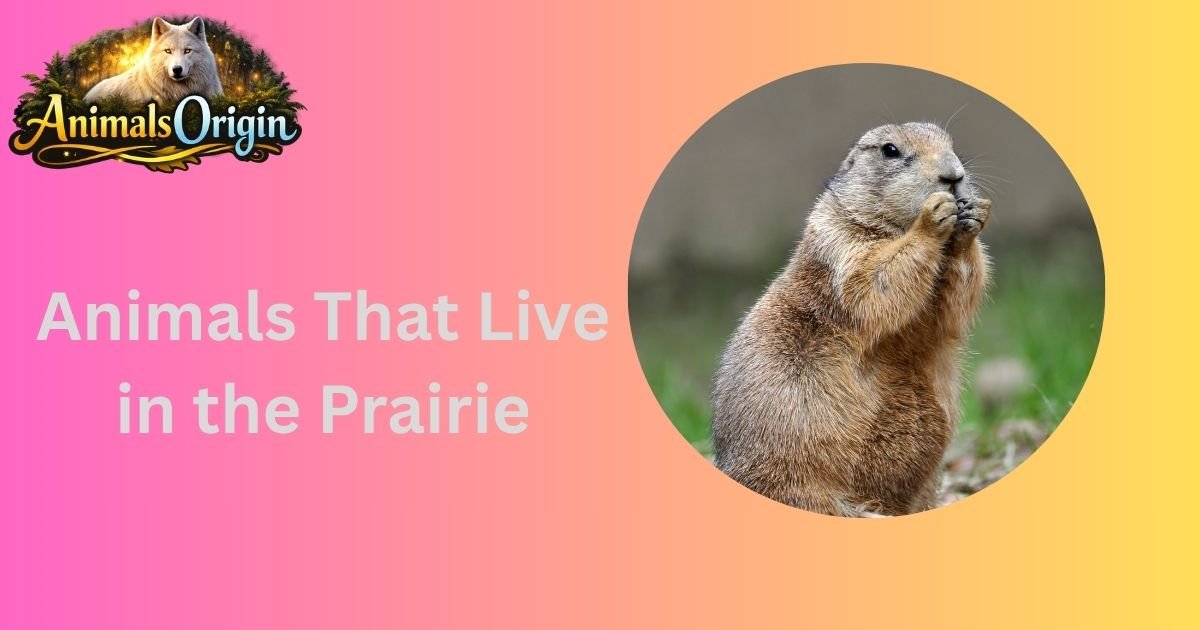
Animals That Live in the Prairie: 15 Incredible Species of the Grasslands
The vast grasslands of the prairie hide a wealth of unique wildlife that many people might overlook and many Animals That Live in the Prairie . Understanding the animals that live in the prairie not only deepens our appreciation for these ecosystems but also helps us recognize their importance in maintaining ecological balance.
In this article, we’ll explore 15 incredible species that call these expansive landscapes home, showcasing their fascinating behaviors and roles within the ecosystem. By the end, you’ll gain insights into how these animals contribute to our environment and the need for their conservation.
What Animals Live in the Prairie and How Do They Survive?
Prairies are bustling ecosystems teeming with diverse wildlife, each animal uniquely adapted to thrive in this open landscape. Among the animals that live in the prairie, you’ll encounter the swift-footed pronghorn antelope, which can outrun predators thanks to its incredible speed and endurance. Meanwhile, the American bison roams with a historic grace, utilizing its massive bulk to influence plant growth and maintain the health of the prairie ecosystem.
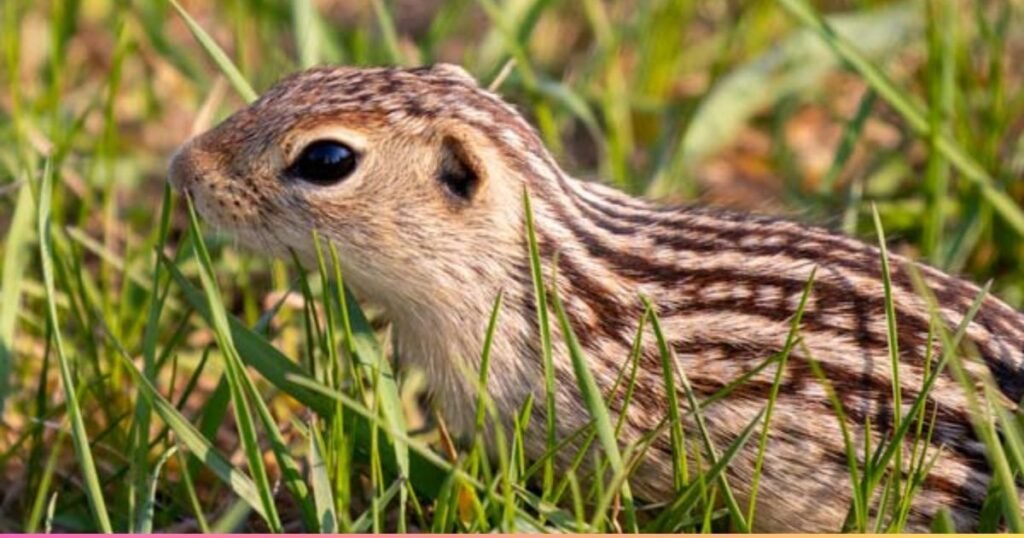
Small mammals, like prairie dogs, play a vital role as well, forming complex burrow systems that create habitats for other species and aerate the soil. Birds, such as the majestic meadowlark, rely on the vast visibility of the prairie for hunting insects and foraging seeds.
Top 5 Mammals That Live in Prairie Grasslands
Below is the list of the Top 5 Mammals That Live in Prairie Grasslands:
- American Bison
- Black-Tailed Prairie Dog
- Pronghorn
- Coyote
- American Badger
American Bison
This iconic giant once roamed the Great Plains in the millions, shaping prairie ecosystems through their grazing habits. As keystone species, bison facilitate nutrient cycling and promote the growth of diverse grasses. Watching a herd thunder across the plains is not just a visual spectacle; it’s a reminder of the delicate balance between wildlife and habitat.
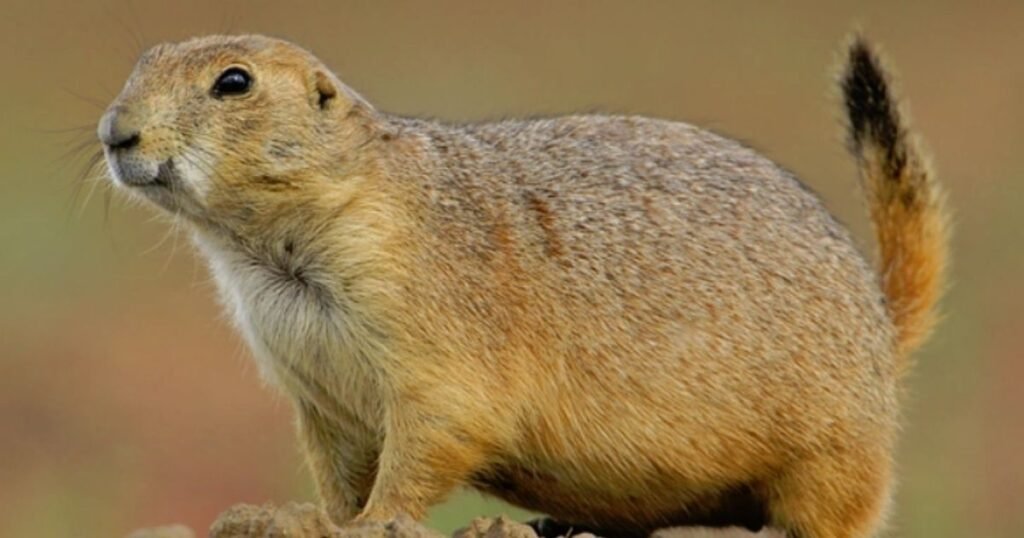
Black-Tailed Prairie Dog
These social rodents are master architects of the prairie. Their intricate burrow systems create a thriving microhabitat for various species, from insects to larger mammals. The prairie dog town serves as a bustling hub, where their chirps and barks add a lively soundtrack to the grasslands, showcasing the importance of community in the animal kingdom.
Read more: Animals That Sleep a Lot: 15 Fascinating Creatures That Love to Snooze
Pronghorn
The fastest land mammal in North America, the pronghorn has adapted to the vast, open terrain of the prairie with an astonishing sprint that can reach speeds of 55 mph. Their unique adaptations, such as large eyes for tracking predators, offer thrilling insights into evolutionary biology. Observing a pronghorn in full stride across an expanse of grass underscores the beauty of survival in an unforgiving environment.
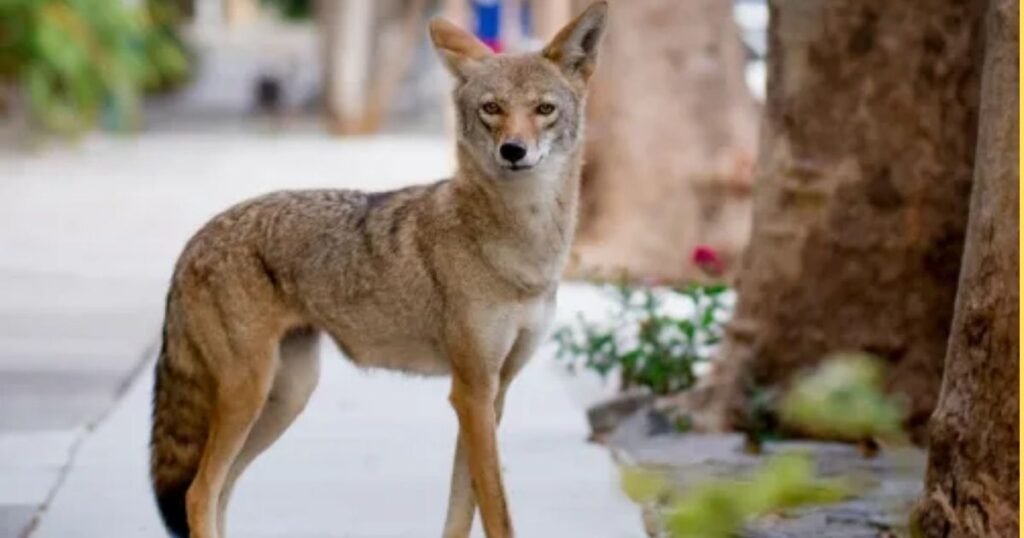
Coyote
Known as the adaptable tricksters of the prairie, coyotes are both predators and scavengers, showcasing incredible resilience. Their ability to thrive in varied habitats from urban settings to wild grasslands illustrates remarkable adaptability. With their haunting calls echoing at dusk, coyotes not only contribute to the ecological balance but also weave a rich narrative into the cultural tapestry of the American West.
American Badger
The American badger is a skilled digger, often seen transforming the landscape as they burrow in pursuit of prey like ground squirrels and insects. Their robust build and tenacity make them formidable predators within the prairie ecosystem. By aerating the soil and enabling new plant growth, badgers play a surprising yet vital role in maintaining the health of the grasslands.
Top 5 Birds Commonly Found in Prairie Habitats
Below is the list of the Top 5 Birds Commonly Found in Prairie Habitats:
- Greater Prairie-Chicken
- Western Meadowlark
- Upland Sandpiper
- Burrowing Owl
- Horned Lark
Greater Prairie-Chicken
Regarded as the icon of the Great Plains, the Greater Prairie-Chicken is remarkable for its elaborate courtship displays. Males gather in leks during spring, puffing out their colorful air sacs and engaging in boisterous dances to attract females. Observing this spectacle is not just a treat for the eyes but offers a glimpse into the complex social dynamics of prairie life.
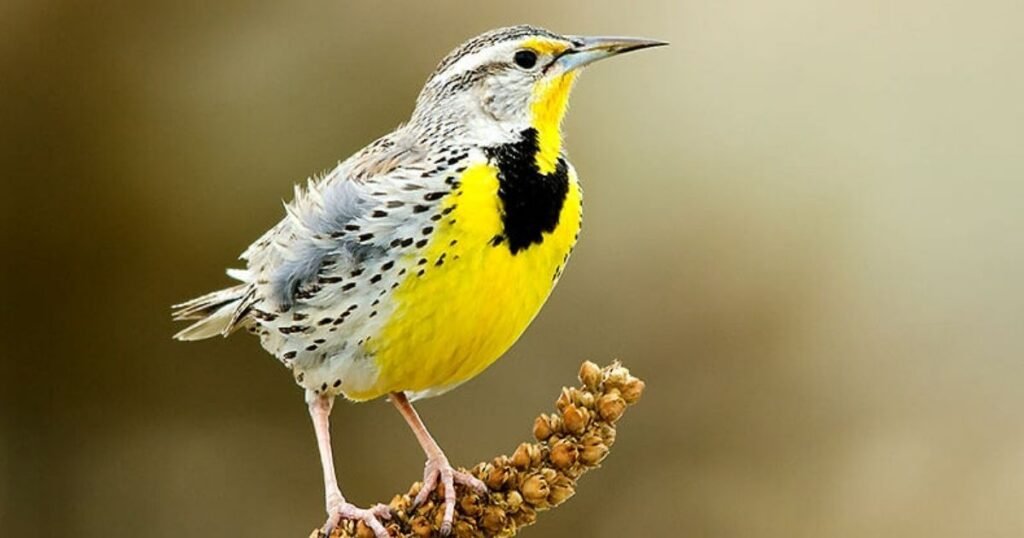
Western Meadowlark
With its melodious song echoing across the prairies, the Western Meadowlark is a true ambassador of grassland music. Its bright yellow belly and striking black “V” mark make it an easily recognizable figure. This bird is not just about aesthetics; it plays a vital role in pest control, feasting on insects that could otherwise overwhelm the delicate prairie ecosystem.
Upland Sandpiper
Often found on the edges of croplands, the Upland Sandpiper boasts a hauntingly beautiful call that captures the essence of open spaces. Unlike many shorebirds, it favors dry grasslands, where it forages for insects and small invertebrates. Observing this bird’s unique adaptation to prairie life sheds light on the diverse niches prairie habitats support.
Burrowing Owl
This small owl is a true prairie marvel, adapting ingeniously by nesting in abandoned burrows of small mammals. As daybreak approaches, its quirky personality shines through as it perches on low ground, surveying for prey. Its presence in the prairie not only enriches the biodiversity but also highlights the importance of conservation efforts for each intricate part of the ecosystem.
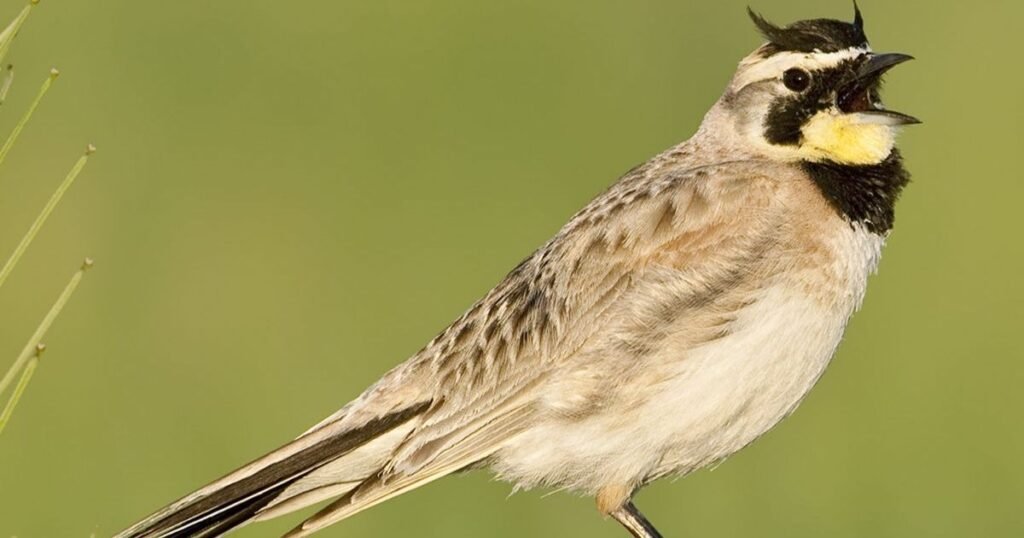
Horned Lark
Renowned for its distinctive horns and charming ground-nesting habits, the Horned Lark thrives in open, sparsely vegetated areas. Its adaptability allows it to endure harsh prairie conditions, often camouflaging itself amidst the landscape. The Horned Lark reminds us of the resilience found among prairie dwellers, each finely tuned to survive and flourish in their unique environment.
Top 5 Reptiles and Insects That Thrive in the Prairie
Below is the list of the Top 5 Reptiles and Insects That Thrive in the Prairie:
- Plains Garter Snake
- Bullsnake
- Regal Fritillary Butterfly
- American Grasshopper
- Twelve-Spotted Skimmer Dragonfly
Plains Garter Snake
This adaptable serpent thrives across the expansive prairies, where it can often be spotted sunning itself on rocky outcrops. With a diet that includes small amphibians and fish, the Plains Garter Snake plays a vital role in maintaining the ecological balance. Its striking stripes not only serve as camouflage but also showcase the vibrant beauty of the prairie ecosystem.
Bullsnake
Renowned for its impressive length, the Bullsnake is a formidable predator that keeps rodent populations in check. Its hissing mimicry of a rattlesnake is a fascinating defense mechanism that deters potential threats. Observing these snakes in their natural habitat provides a remarkable insight into the complex interactions at play within prairie environments.
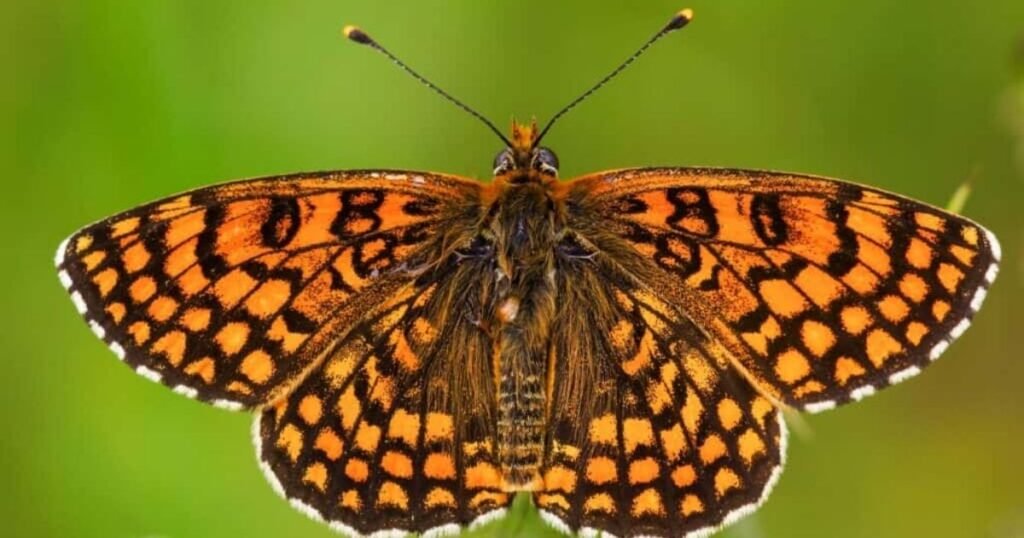
Regal Fritillary Butterfly
A true gem of the prairie, the Regal Fritillary Butterfly is a sight to behold with its stunning orange and black pattern. This butterfly’s lifecycle is intricately tied to the blooming of specific prairie flowers, showcasing the delicate interdependence of flora and fauna. Conservation efforts for this species serve as a reminder of the importance of protecting the prairie ecosystems.
American Grasshopper
With its incredible ability to adapt to varying conditions, the American Grasshopper thrives in the open grasslands. Its chorus of chirps adds a lively soundtrack to the prairie landscape. These grasshoppers are not just food for larger animals; they also contribute to soil health through their feeding activities, enhancing plant growth.
Twelve-Spotted Skimmer Dragonfly
This striking dragonfly, identifiable by its twelve distinct black spots, is a key predator of the prairie, patrolling ponds and wetlands. Its agile flight allows it to snatch up mosquitoes and other insects mid-air, showcasing nature’s precision. The presence of the Twelve-Spotted Skimmer signifies a healthy habitat, emphasizing the importance of water resources in the prairie ecosystem.
Why Are Prairie Ecosystems Important for Wildlife?
Prairie ecosystems are vital for wildlife, serving as rich habitats that support a diverse array of prairie animals. These sprawling grasslands provide essential resources like food, shelter, and breeding grounds for species ranging from delicate butterflies to robust bison. The intricate web of life in these areas keeps ecosystems balanced, allowing various plants and animals to thrive in harmony. This diversity not only promotes resilience but also enhances the overall health of the environment, making prairie habitats crucial for conservation efforts.
Moreover, prairie ecosystems play a significant role in carbon sequestration, helping to combat climate change. The deep-rooted grasses absorb carbon dioxide and store it in the soil, mitigating greenhouse gas emissions while supporting myriad prairie animals that rely on this dynamic landscape for survival.
Final Words
The prairie is a vibrant ecosystem teeming with wildlife, showcasing 15 incredible species that uniquely adapt to this expansive grassland. From the elusive pronghorn antelope to the industrious prairie dog, Animals That Live in the Prairie play a crucial role in maintaining the balance of this ecosystem.
These creatures not only contribute to the ecological health of the prairie but also enrich our understanding of biodiversity. It’s vital that we work towards preserving these grasslands so future generations can appreciate their beauty and the animals that call them home. Let’s take steps to protect these amazing species and ensure that our prairies thrive for years to come
FAQ’S
What animals live in the prairie grasslands?
Prairie grasslands are home to a diverse range of animals. Common inhabitants include herbivores like bison, antelope, and various species of deer.
How many animals live in grasslands?
Grasslands are home to a diverse array of animals, with estimates suggesting that thousands of species thrive in these ecosystems. Major inhabitants include large herbivores like bison, antelope, and zebras, which graze on the abundant grasses.