Sneaky Animals: Masters of Stealth and Silent Survival
Have you ever wondered how some animals seem to vanish into thin air, leaving us to question if we truly saw them at all? Sneaky animals, like the clever octopus and the elusive snow leopard, have mastered the art of stealth to survive in their environments. Understanding their unique adaptations not only fascinates us but also highlights the importance of camouflage and instinct in the animal kingdom.
In this article, we’ll explore the incredible tactics of these stealthy creatures and discover what we can learn from their silent survival strategies.
Who Are the Silent Hunters of the Wild?
Nature is home to sneaky animals. They have tricks that help them hide.The octopus is an example. It can change its color and texture to blend with its surroundings.This helps it stay safe from predators. It also helps it catch food by surprise.The octopus shows that hiding in sight can be very effective.
The tiger is another animal. It moves quietly. Has great camouflage.Its stripes help it blend in with the light and shadows on the forest floor.The tiger can stalk its prey for a time.It often uses surprise to catch its prey than running fast.This shows that being sneaky can be more important than being strong.Animals that are good at hiding remind us that staying alive is often, about being smart.This makes the natural world very interesting.
Top 5 Sneaky Animals
Below is the listy of top 5 sneaky animals
- Fox
- Cat
- Black Mamba
- Octopus
- Weasel
Fox
Often dubbed as the ultimate trickster of the animal kingdom, the fox employs a savvy blend of cunning and charm to thrive. With its bushy tail and sly demeanor, this adaptable creature morphs its hunting techniques, using stealth and misdirection to outsmart its prey. That clever strategy not only showcases its intelligence but also reflects its ability to navigate through various environments, from bustling urban settings to secluded forests.
Cat
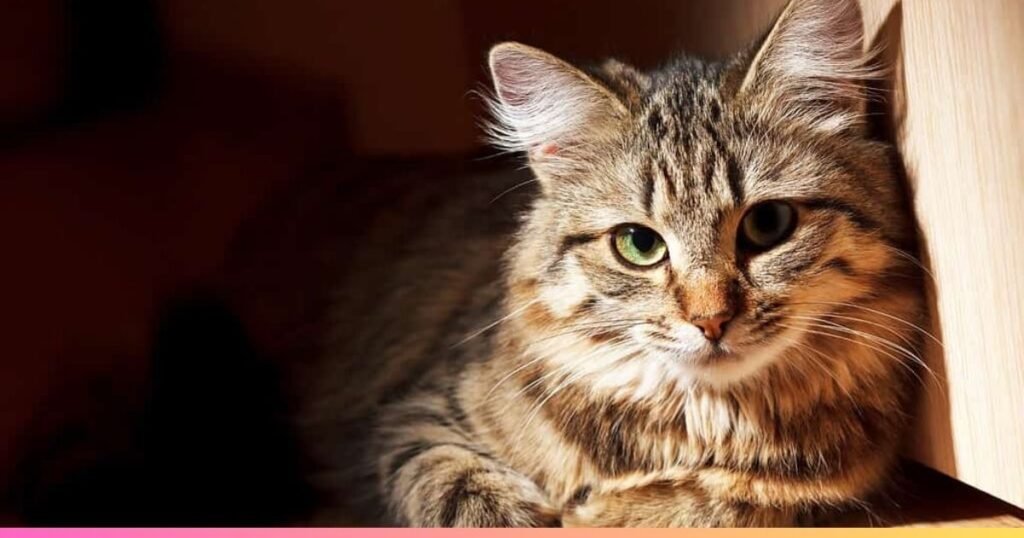
Domestic cats are masters of stealth, using their evolved predatory instincts to their advantage. Their silent paws and adept agility transform any ordinary living room into a hunting ground. What makes their sneakiness particularly fascinating is their dual life; one moment they’re curled up in a cozy sunbeam, and the next, they’re stealthily stalking a moth. This dichotomy challenges our perception of domestication, revealing the wild instincts that linger beneath their soft fur.
Black Mamba
With a reputation that precedes it, the black mamba is one of nature’s most elusive predators. Its striking coloration and speed are matched by its unique hunting strategy, which involves quick ambushes rather than prolonged chases. This highly venomous snake relies on its ability to blend into its environment, often remaining undetected until it strikes. Knowing that it can cover considerable ground in mere seconds adds an eerie thrill to its stealthy approach.
Octopus
The octopus is not just a master of disguise; it’s a true magician of the marine world. Utilizing specialized skin cells, it can change color and texture in an instant, allowing it to vanish within its environment. This ability to blend seamlessly is complemented by its intelligence, as octopuses craft intricate escape plans, manipulating objects to open jars and even elude predators. Their morphing skills make them fascinating subjects for studying adaptability and survival in a constantly changing ocean.
Weasel
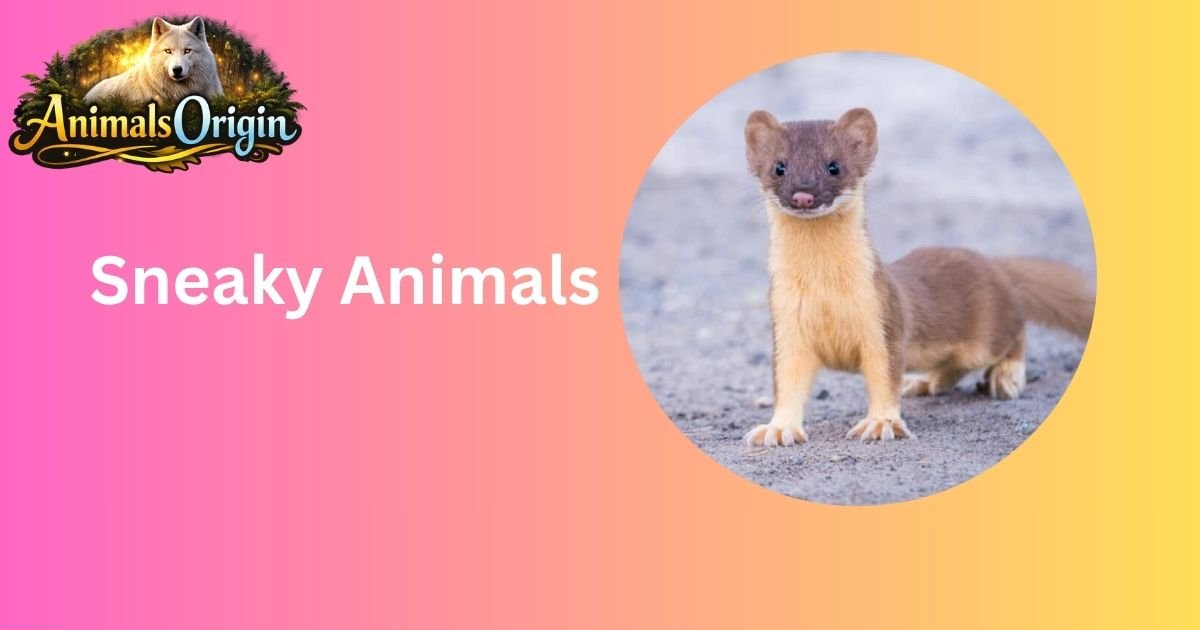
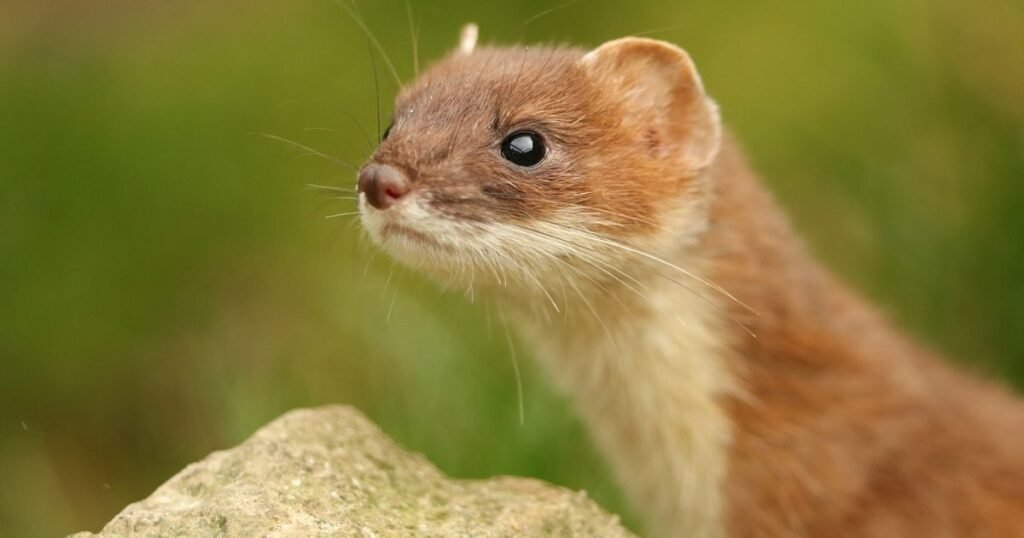
Small but fierce, the weasel epitomizes sneakiness in the animal realm. This agile creature is known for its erratic movements and fierce hunting prowess, often surprising larger animals with its speed and cunning. Weasels employ a combination of speed and agility to infiltrate burrows, catching unsuspecting prey off guard. Moreover, their keen senses and tactical strategies highlight the intricate dance between predator and prey in the wild, proving that size doesn’t dictate cunning.
Camouflage Experts That Disappear Instantly
Imagine you are walking through a really green, nice forest. Then you see a master of disguise right in front of you. Some animals, like the octopus and certain kinds of chameleons, are really sneaky. Can hide really well. They have ways to blend into their surroundings, so you can hardly see them.
These animals do not just match the colors around them; they can also change how they look and feel to fit in with their environment, which makes them really hard to see. What is really cool is the science behind this. For example, cuttlefish have cells in their skin called chromatophores that can blend in to help them hide from animals that might want to hurt them. It also helps them talk to each other and find mates. Just think about how much this helps them survive. An animal that can hide well can surprise its food or get away from danger really quickly. In a world where everything happens fast, these animals are experts at hiding, staying safe, and adapting to their surroundings.
Read more: Animals in Guatemala: Exotic Species You Need to Know
Clever Tricksters That Outsmart Their Prey
In the wild, survival is not about being strong. It is often the animals that get away with things. The octopus is an example of this. The octopus is very good at changing colors and textures. This means the octopus can blend in with its surroundings. The octopus can hide from animals that want to eat it while it is planning its meal.
Then there is the weasel. The weasel is very good at thinking and moving fast. These small animals often use their size to their advantage. They can run through plants to surprise animals they want to eat. What is really interesting is that weasels can make trails. This means they can trick animals that want to eat them into following the path. At the time, the weasels can escape. This shows that weasels are very smart and can come up with plans.
It is clear that when it comes to animals that’re good at tricks, being smart is often better than being strong. This makes the wild an interesting place. The octopus and the weasel are examples of animals that are good at tricks. They show that brains can be more important than strength in the wild.
Small but Sneaky Creatures with Big Survival Skills
In the world of wildlife, small animals can be really good at surviving. The mimic octopus is an example. This little sea creature can. Act like other animals, such as lionfish and flatfish, to stay safe from predators. It can blend in. Looks like something dangerous. That makes it one of the animals in the ocean. You can see a small octopus turn into a spiky fish in front of you! On land, the American eel has a way of staying safe.
It hides in the mud during the day. Comes out at night to hunt. It moves like a snake seen. This way, it stays safe from animals that might want to eat it. The Pygmy Marmoset, a monkey, also uses its sneakiness to survive. It moves quietly through the plants, finding food while staying safe from threats. These small but sneaky animals show us that being smart is often more important than being big. They prove that tiny animals can be very powerful in their homes. Small creatures like the octopus, American eel, and Pygmy Marmoset are good at surviving. They use their cleverness to stay safe and find food.
Final Words
The world of animals is really cool. Sneaky animals have some ways to survive. They have things that help them live in their homes. Like a cat that sneaks up on something.. A chameleon that can change color to hide. Sneaky animals are good at staying quiet and hiding.
This helps them live in places that’re not easy to live in. Sneaky animals like cats and chameleons are very good at what they do. When we learn about animals, we can see how they fit into their worlds. When you are outside, look for sneaky animals, like cats and chameleons. You might see something you have never seen before.
FAQs
What animal is very sneaky?
One animal that stands out as particularly sneaky is the octopus. These marine creatures are masters of disguise, capable of changing color and texture to blend seamlessly into their surroundings. Their intelligence allows them to strategize and escape predators, often using clever tactics to evade capture.
What animal symbolizes sneaky?
The animal that often symbolizes sneakiness is the fox. Known for its cunning and clever behavior, the fox is frequently depicted in folklore and literature as a sly character that uses wits to outsmart others. This reputation comes from its ability to navigate through various environments stealthily, making it an expert at avoiding detection.