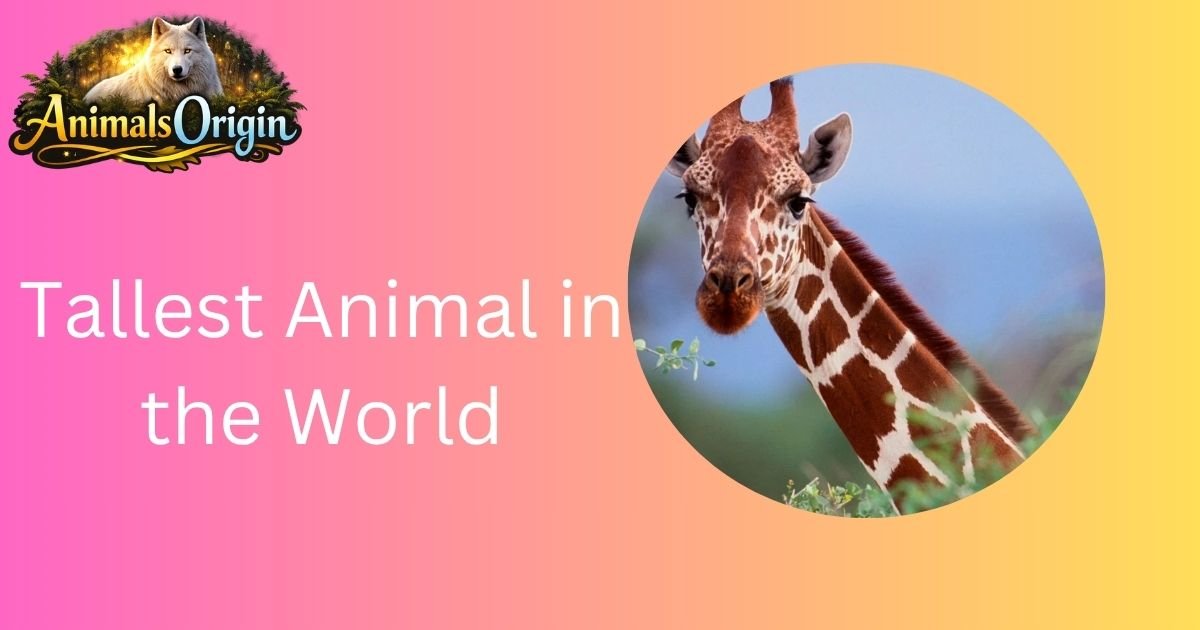
Tallest Animal in the World: 15 Amazing Facts About the Giraffe
The giraffe, the tallest animal in the world, has captured the hearts and imaginations of people for centuries with its strikingly long neck and unique spots. These gentle giants are more than just a spectacle in the savannah; they play a crucial role in their ecosystem and demonstrate the wonders of evolution.
In this article, you’ll discover amazing facts about giraffes that not only highlight their fascinating biology but also explain why they deserve our attention in conservation efforts. Join us as we explore the incredible world of the tallest animal in the world.
What Is the Tallest Animal in the World?
Standing head and shoulders above the rest, the tallest animal in the world captures our imagination with its extraordinary height and elegance. This remarkable creature, known for its long neck and spotted coat, is not just a marvel of nature; it plays a crucial role in its ecosystem.
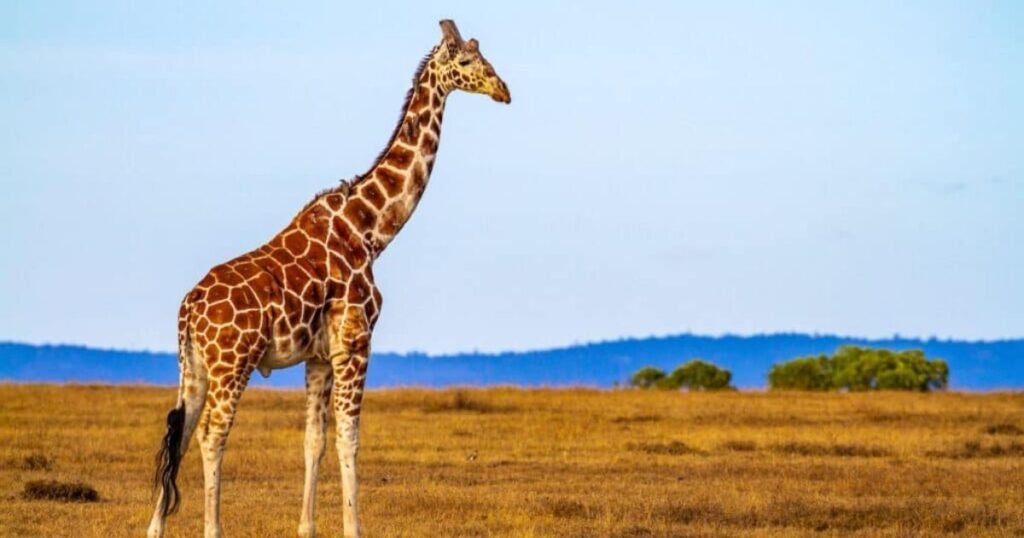
Understanding the tallest animal in the world opens a window into wildlife conservation and the delicate balance of our planet. In this article, we will explore its unique characteristics, habitat, and the challenges it faces, giving you a deeper appreciation for this magnificent giant.
Top 5 Tallest Giraffe Subspecies Found in Africa
- Northern Giraffe
- Masai Giraffe
- Southern Giraffe
- Reticulated Giraffe
- Angolan Giraffe
Northern Giraffe
Known for their patchy coat and slender build, Northern Giraffes stand out with their unique, irregularly-shaped spots. Found predominantly in the woodlands and savannahs of East Africa, these gentle giants are increasingly rare, making their conservation a priority. Insights into their habitat show a shifting range due to climate change, prompting a need for greater protection efforts.
Masai Giraffe
Distinguished by their jagged, star-like patterns, Masai Giraffes roam the lush hillsides of Kenya and Tanzania. These chocolate-brown spots set them apart from their relatives and thrive on a diverse diet of leaves. Interestingly, ongoing studies reveal that their social structures are more complex than previously thought, indicating deeper bonds among individuals than just foraging.
Read more: Burrowing Animals: 15 Fascinating Creatures That Live Underground
Southern Giraffe
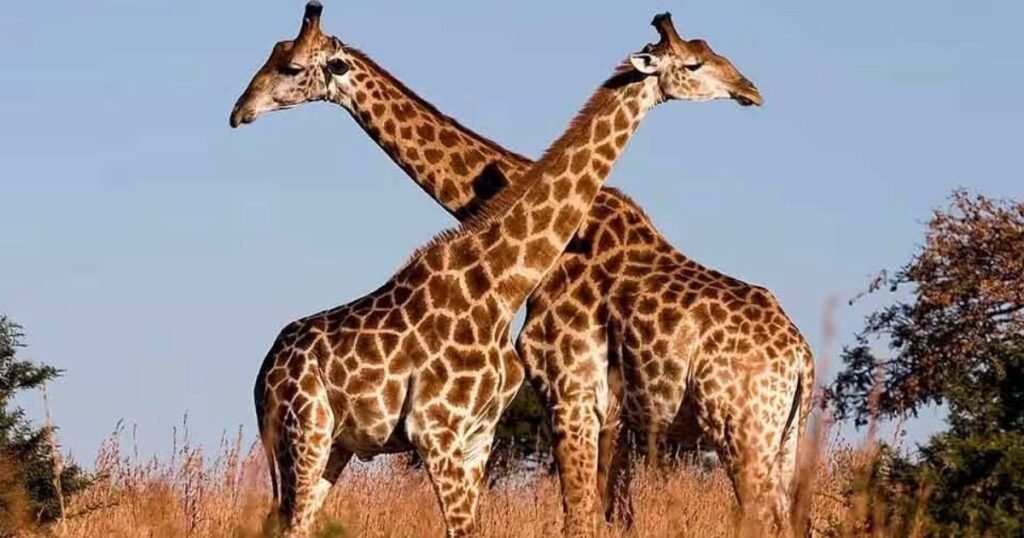
The Southern Giraffe’s impressive stature graces the landscapes of Botswana and South Africa, where its lighter, net-like patterns camouflage it against acacia trees. These giraffes are adaptable, often moving to different regions in search of food and water. Recent research highlights their migratory behaviors, shedding light on how they respond to environmental pressures.
Reticulated Giraffe
The Reticulated Giraffe flaunts a striking net-like pattern of white lines separating dark patches. Native to the dry, arid regions of Somalia and parts of Ethiopia, this subspecies is a symbol of resilience. Efforts to study their movements across harsh terrains provide valuable data for conserving their habitats and understanding ecological dynamics.
Angolan Giraffe
With a more muted color palette and sprawling habitats, the Angolan Giraffe is often overlooked. Found in Angola and Namibia, they exhibit a fascinating adaptability to diverse environments, from savannahs to semi-arid regions. Their ability to thrive in varying conditions underscores the importance of habitat diversity and conservation efforts tailored to local ecosystems.
5 Amazing Physical Features That Make Giraffes So Tall
- Exceptionally Long Neck
- Long and Powerful Legs
- Tall Shoulder Height
- Flexible and Strong Spine
- Large Heart and Specialized Circulatory System
Exceptionally Long Neck
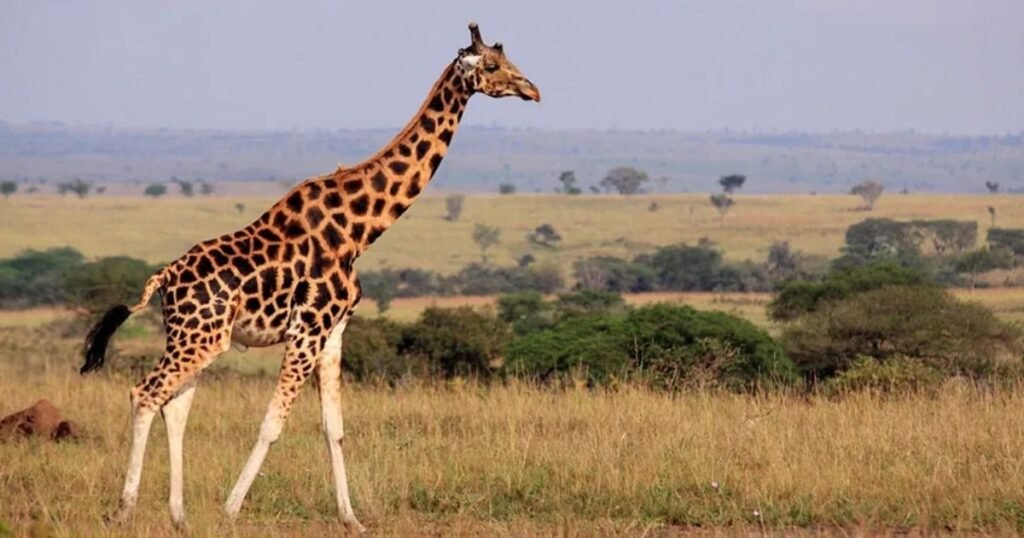
Giraffes are renowned for their extraordinarily long necks, which can reach up to 6 feet. This significant feature allows them to browse high foliage, giving them a competitive edge when food sources are scarce. Interestingly, their necks contain the same number of vertebrae as humans, just elongated, showcasing evolution’s remarkable ability to optimize anatomy for survival.
Long and Powerful Legs
Giraffes stand on long, muscular legs capable of reaching impressive heights and enabling swift running. These legs not only support their towering frame but also provide stability when grazing or avoiding predators. Each stride can cover up to 15 feet, demonstrating how their powerful limbs are perfectly designed for both speed and agility.
Tall Shoulder Height
The shoulder height of a giraffe is as striking as its neck, often 10 feet or more. This unique proportion plays a crucial role in their overall height and body mechanics, allowing them to maintain balance while feeding. Their distinctive stature not only aids in reaching treetops but also enables them to survey vast distances, enhancing their awareness of potential threats.
Flexible and Strong Spine
Beneath that long neck lies a highly flexible and robust spine constructed to support their impressive height. This extraordinary flexibility allows giraffes to bend and twist as they reach for leaves, ensuring they can access nourishment without sacrificing stability. Their spine’s unique design is an evolutionary marvel that balances strength with agility.
Large Heart and Specialized Circulatory System
Giraffes boast one of the largest hearts in the animal kingdom, weighing up to 25 pounds. This massive organ is essential for pumping blood up their elongated neck to the brain, counteracting the effects of gravity. Coupled with a specialized circulatory system that includes elastic arteries, their anatomy is distinctly adapted to thrive in their lofty environment, showcasing the intricate connections between physical structure and survival strategies.
5 Interesting Facts About Giraffes You Should Know
- Giraffes Are the Tallest Land Animals on Earth
- Their Tongues Can Reach Up to 45 Centimeters Long
- Every Giraffe Has a Unique Spot Pattern
- Giraffes Need Very Little Sleep Each Day
- They Can Run at Speeds of up to 60 Kilometers Per Hour
Giraffes are the tallest land animals on Earth
Giraffes are the tallest land animals on Earth, reaching heights of up to 5.5 meters! This incredible stature not only helps them browse treetops for foliage, but it also gives them a breathtaking view of their surroundings, allowing them to spot potential predators from afar.
Their Tongues Can Reach Up to 45 Centimeters Long
One fascinating fact is that their tongues can reach up to 45 centimeters long.
This allows giraffes to expertly grasp leaves from tough thorny branches, making them well-adapted for foraging in their savanna habitat. Their tongues are also prehensile and darkly pigmented, which helps protect them from sunburn!
Every Giraffe Has a Unique Spot Pattern
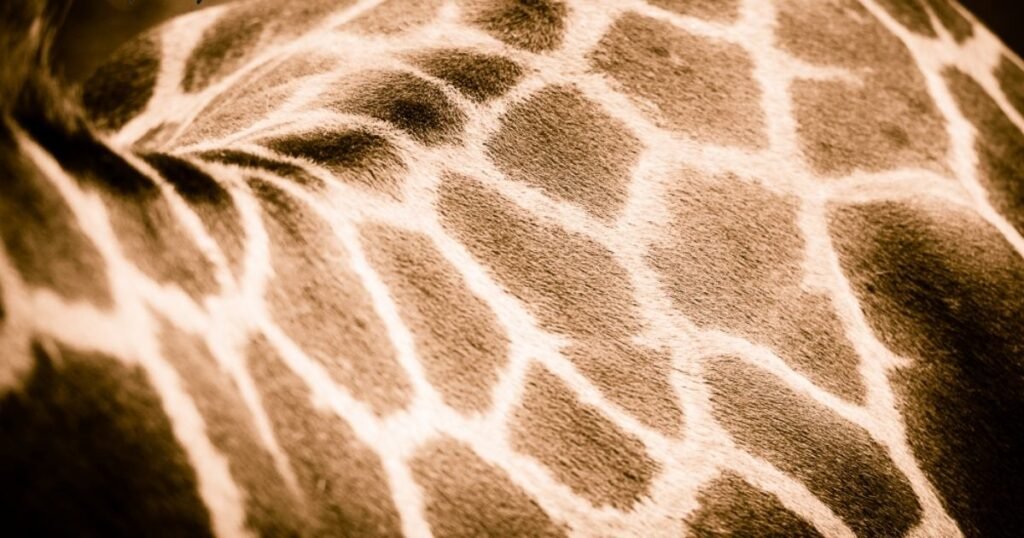
Every giraffe has a unique spot pattern, much like human fingerprints. These distinct markings not only help researchers identify individuals in the wild but also play a role in social interactions and camouflage within the dappled light of their habitat.
Giraffes Need Very Little Sleep Each Day
Interestingly, giraffes need very little sleep each day — only about 20 minutes to 2 hours! This adaptive behavior helps them stay alert to threats, as their long necks make them vulnerable when they’re lying down.
They Can Run at Speeds of up to 60 Kilometers Per Hour
Lastly, despite their towering height, They Can Run at Speeds of up to 60 Kilometers Per Hour . This surprising agility makes them one of the fastest land animals, allowing them to escape predators with impressive speed and grace.
How Do Giraffes Use Their Height to Survive in the Wild?
Giraffes, the tallest animals in the world, have evolved their impressive height not just for show, but as a critical survival strategy. With their long necks, they can reach leaves high up in trees that other herbivores can only dream of tasting. This height gives them a significant advantage, especially during dry seasons when food at lower levels becomes scarce. While other animals scavenge at ground level, giraffes enjoy a buffet of fresh foliage, allowing them to thrive where competition is fierce.
But it’s not just about munching leaves; being tall also helps giraffes spot potential predators from a distance. Their height provides a panoramic view of the savanna, enabling them to spot lurking lions or hyenas before they come too close for comfort
Final Words
In conclusion, the giraffe truly stands out as a remarkable creature, showcasing the wonders of evolution through its incredible height and unique adaptations. From their long necks to their distinctive patterns, everything about giraffes is designed for survival in the wild. These gentle giants not only command the savanna with their towering presence, but they also play a vital role in their ecosystems. Protecting their habitats and ensuring their survival is essential for maintaining the balance of nature. So the next time you spot a giraffe in a zoo or the wild, take a moment to appreciate these amazing animals and think about ways you can contribute to their conservation.
FAQ’S
What are 5 facts about giraffes?
1. Tallest Land Animals
2. Unique Neck Structure.
3. Distinctive Patterns: Each giraffe has a unique coat pattern made up of patches, similar to human fingerprints.
4. Long Legs
5. Specialized Diet: Giraffes primarily eat leaves from tall trees, particularly acacia trees.
What is the 2 tallest animal?
For a “Top 2 Tallest Animals” list, you could use:
1. Giraffe
2. African Bush Elephant