Muscular Animals: 10 Powerful Creatures Built for Strength
Did you know some of the most muscular animals on our planet can lift more than twice their body weight? These powerful creatures are not only impressive to behold but also embody the true essence of strength in the animal kingdom.
In this informative article, we’ll explore 10 remarkable muscular animals that showcase extraordinary power and reveal the secrets behind their incredible builds. By the end, you’ll gain insight into the diverse adaptations that enable these creatures to thrive in their environments.
Which Muscular Animals Are the Strongest?
When we think of muscular animals, the sheer power of species like the gorilla and the grizzly bear often comes to mind. However, beneath the surface, the animal kingdom boasts some surprisingly strong contenders that might not immediately seem formidable.
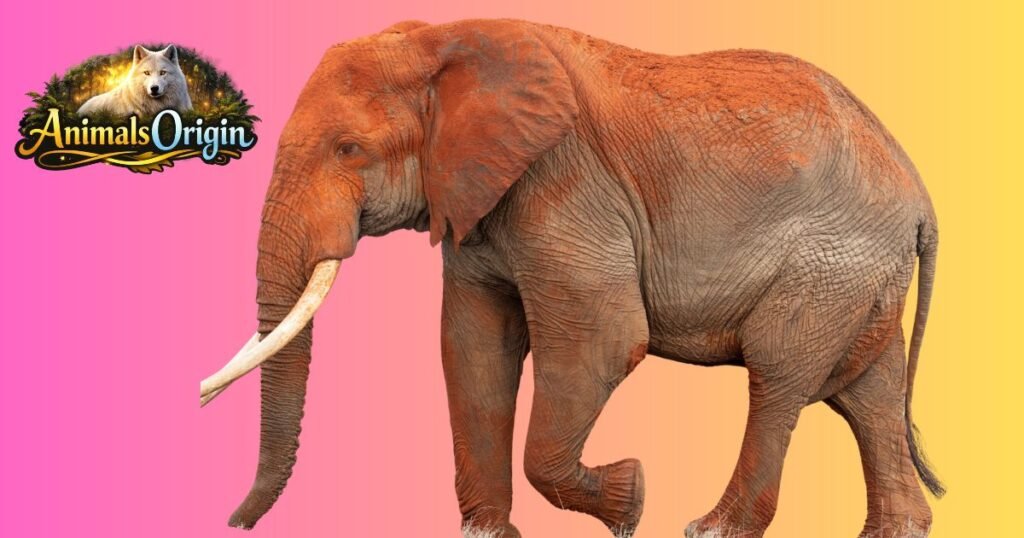
For instance, the African Elephant showcases its strength not just in size but in muscle density, allowing it to perform incredible feats like uprooting trees and moving large boulders effortlessly.
10 Animals With Incredible Muscle Power
Below is the list of 10 animals with incredible muscle power.
- Gorilla
- Tiger
- Grizzly Bear
- Jaguar
- Elephant
- Hippopotamus
- Rhinoceros
- Kangaroo
- Bull
- Chimpanzee
Gorilla
The ultimate powerhouse of the primate world, a silverback gorilla can lift over 1,800 pounds, more than ten times its own weight. Their impressive biceps aren’t just for show; they allow these gentle giants to forage, climb trees, and defend their troop with incredible strength.
Tiger
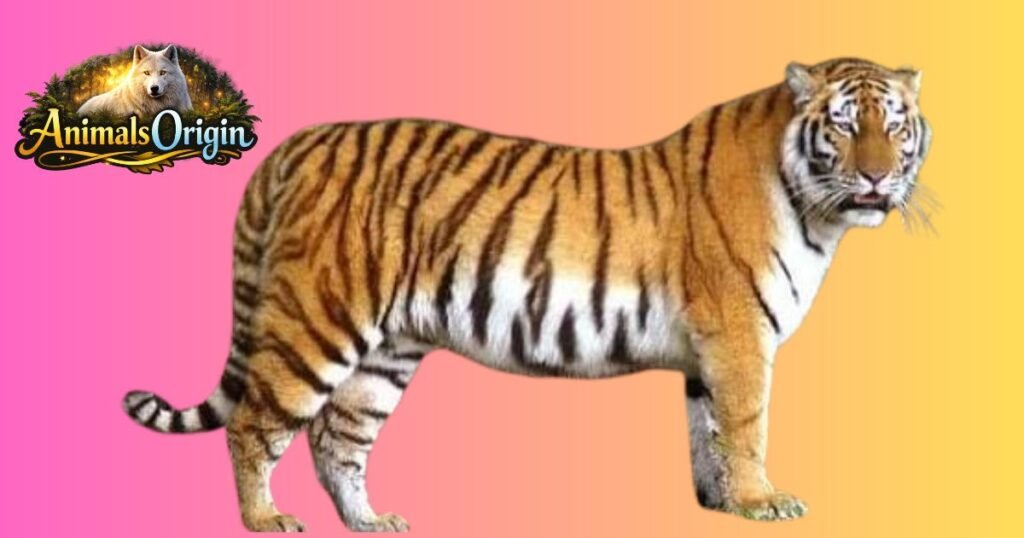
Renowned for their stealth and strength, a tiger’s muscles facilitate explosive acceleration and powerful leaps. With the ability to take down prey that weighs significantly more than themselves, these big cats are masters of both power and grace in the wild.
Grizzly Bear
Equipped with formidable forelimbs, grizzly bears can lift heavy boulders and barrels with ease. Their strong muscle structure allows them to reach unparalleled speeds of up to 35 miles per hour, making them one of the fastest land mammals for short bursts.
Jaguar
Known as the strongest cat relative to size, a jaguar’s jaw has unrivaled power, capable of crushing turtle shells. This muscle prowess enables them to hunt effectively, often ambushing prey with a surprising blend of strength and agility.
Also read more: Animals Like Ferrets: Meet the Wild Look-Alikes
Elephant
The largest land animal, elephants possess immense muscle strength that allows them to uproot trees and move heavy objects effortlessly. Their powerful trunks are not only versatile tools but also a symbol of their extraordinary physical capability.
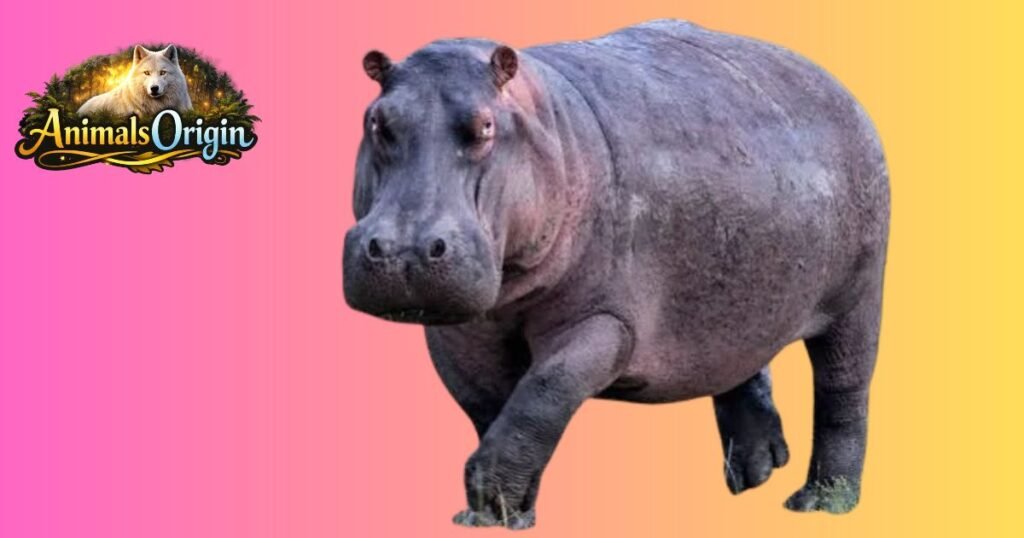
Hippopotamus
Surprisingly agile given their size, hippos can run up to 20 miles per hour on land and hold their breath underwater for several minutes. Their enormous jaws, packed with muscular strength, can crush bones, showcasing their formidable power.
Rhinoceros
With their thick skin and sheer bulk, rhinos rely on their muscular bodies to defend against predators. A single charge can reach speeds of 30 miles per hour, demonstrating an unexpected agility that contrasts with their hefty appearance.
Kangaroo
Renowned for their powerful hind legs, kangaroos can leap over 10 feet high and cover great distances in a single bound. This muscle design not only aids in mobility but also serves as a defense mechanism when threatened.
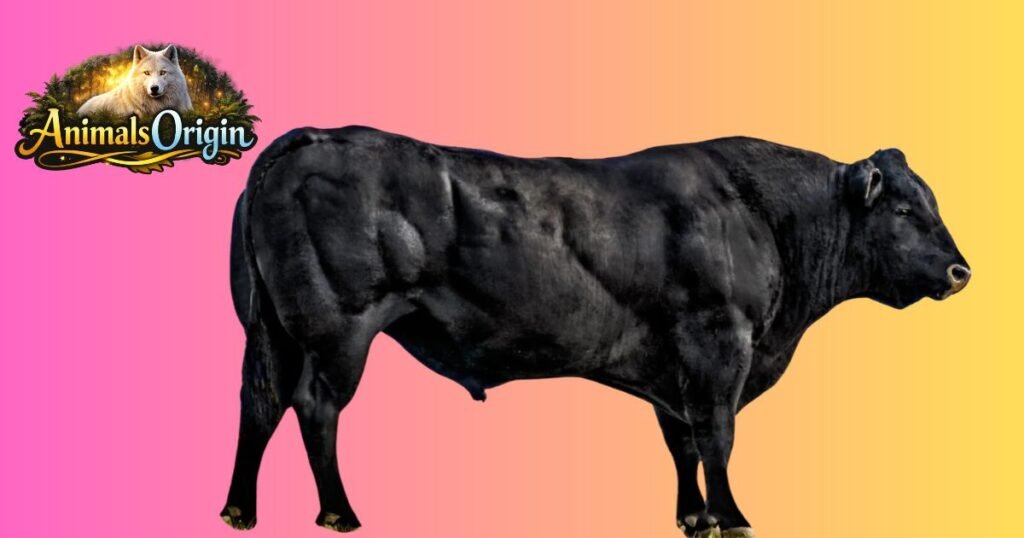
Bull
Known for their immense strength, bulls can weigh over 2,000 pounds. Their muscular structure allows them to perform feats of power that include lifting heavy objects and charging with incredible force.
Chimpanzee
Close relatives of humans, chimpanzees possess muscles that make them seven times stronger than an average human. Their upper body strength facilitates climbing and swinging through trees, embodying raw strength wrapped in a playful demeanor.
How Muscular Animals Use Their Strength
The most muscular animals in the animal kingdom showcase incredible strength not just for show, but as a means of survival. For example, the American bison, one of the most muscular animals, uses its powerful frame to traverse rugged terrain, allowing it to assert dominance in its habitat. With muscles that allow for explosive bursts of speed, these majestic animals can outrun predators and compete for resources, showcasing the importance of strength in both offense and defense.
When it comes to sheer muscle mass, the gorilla stands out as the most muscular animal in the world. These gentle giants utilize their strength in various ways, from defending their troops against rivals to foraging for food in dense forests.
Muscular Body Features That Help Animals Survive
In the animal kingdom, muscular body features are not just about aesthetics; they play a crucial role in survival. For instance, the most muscular animals, like the American Bully or the Belgian Blue, possess not only eye-catching physiques but also unparalleled strength that aids in hunting, defending territory, and competing for mates. These muscular animals utilize their impressive physiques to navigate their environments, whether it’s sprinting away from predators or overpowering rivals in combat.
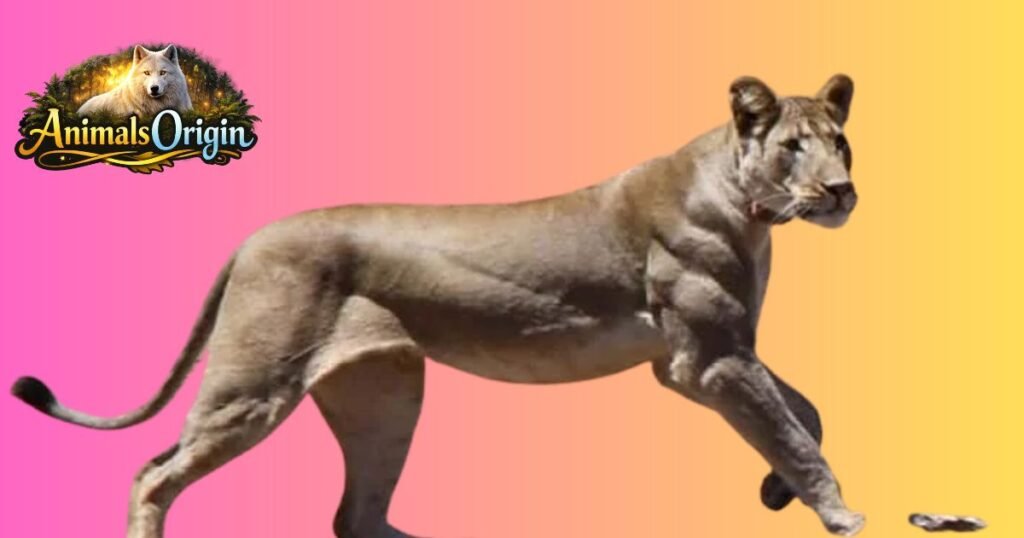
Interestingly, what animal has the most muscles isn’t as straightforward as it seems. While the Belgian Blue might flaunt its bulging muscles, other animals like the gorilla display a different kind of strength, primarily using their sizable upper bodies for foraging and climbing.
What Makes These Animals So Powerful
When we think about the most muscular animals, it’s easy to envision the sheer strength of the elephant or the fierce might of the lion. However, the title of the most muscular animal in the world could go to the powerful orangutan.
These incredible creatures possess not only brute strength but exceptional adaptability, allowing them to maneuver skillfully through their forest habitats. Their muscles are dense and efficient, which is crucial for climbing and navigating the complex branches of their environment, reflecting a blend of power and agility that sets them apart.
Final Words
In summary, the world of muscular animals showcases some of nature’s most impressive creations, each built for strength and resilience. From the robust grizzly bear to the formidable bull, these creatures exemplify the power that evolution can bestow.
Their incredible physiques are not only fascinating but also serve important roles in their ecosystems. Understanding these powerful animals can deepen our appreciation for wildlife and the delicate balance of nature. So, next time you encounter one of these muscular beings, remember the strength and adaptability that lie behind their remarkable forms.
FAQs
What are the Top 10 Most Muscular Animals?
When it comes to muscular animals, some truly stand out due to their incredible strength and physique. Here are a few that make the top of the list:
Pit Bull – Renowned for their powerful build and strength, these dogs are muscular and highly athletic.
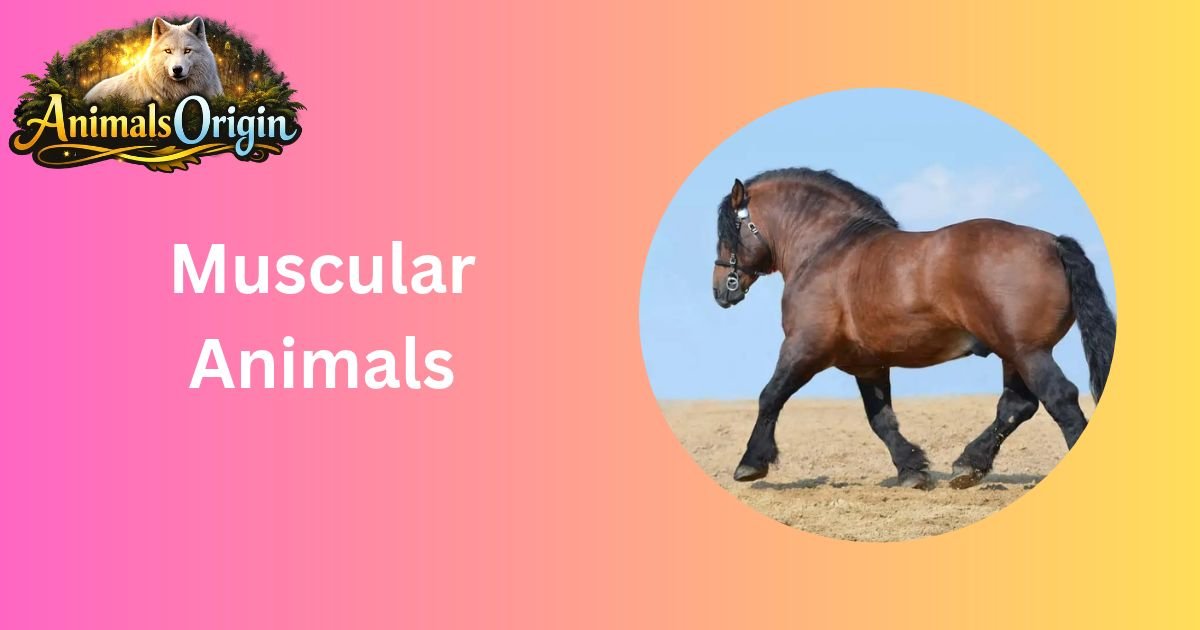
Horses – Breeds like the Belgian draft horse show remarkable muscle mass, especially in their hindquarters.
Gorillas – With their dense muscle tissue, gorillas are incredibly strong, capable of lifting immense weight.
Grizzly Bears – Their bulk and muscle density make them one of the strongest land animals.
Tigers – These big cats are not just agile but possess substantial muscle, allowing them to take down large prey.
Other notable contenders include the American Bison, Rhinoceros, Crocodile, and Blue Whale. Each of these animals showcases unique adaptations that contribute to their muscular prowess and survival in the wild.
Which Animal is Very Muscular?
The animal often regarded as one of the most muscular is the American Bully. This breed has a stocky physique, including a broad chest and strong limbs. They are known for their impressive muscle definition, making them look powerful and robust.
What Animal has 4000 Muscles?
The animal known for having around 4,000 muscles is the elephant. These massive creatures possess an extraordinary level of muscle control, especially in their trunks. An elephant’s trunk alone contains about 40,000 individual muscle fibers, allowing it to perform a wide range of tasks, from picking up tiny objects to uprooting trees.