
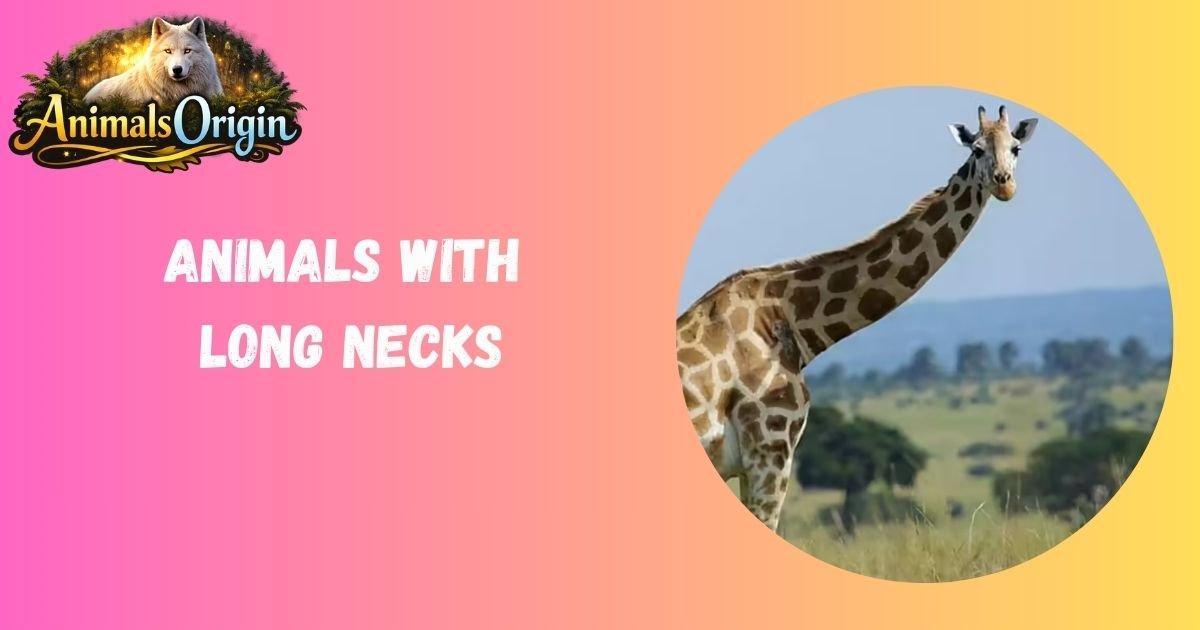
Animals with Long Necks: 11 Fascinating Creatures and Their Unique Adaptations
The animal kingdom is full of creatures with incredible adaptations, and one of the most striking features in some species is a long neck. Long necks provide numerous advantages, from reaching high foliage to spotting predators from afar.
These unique physical traits have evolved over millions of years, allowing animals to survive and thrive in diverse habitats. In this article, we will explore animals with long necks, why they have them, and how these adaptations help them in their daily lives. From towering giraffes to aquatic marvels, the diversity is astonishing.
List Of Animals With Long Necks
- Giraffe
- Ostrich
- Llama
- Alpaca
- Camel
- Flamingo
- Swan
- Heron
- Giraffe Weevil
- Okapi
- Sauropod Dinosaurs
- Sea Snake
- Bactrian Camel
Giraffe
These are the tallest land animals and long neck animals on Earth, famous for their exceptionally long necks, which can reach up to six feet. This remarkable adaptation allows giraffes to browse leaves high in trees, giving them access to food sources that few other herbivores can reach. Male giraffes also use their necks in combat, engaging in “necking” battles to establish dominance and attract mates.
Despite their long necks, giraffes have the same number of cervical vertebrae as humans, seven, but each is greatly elongated. Their cardiovascular system is specially adapted to pump blood to the brain, enabling them to thrive in the African savannah.
Ostrich
The ostrich is the largest bird in the world and is famous for its long, flexible neck and powerful legs. Its neck allows the ostrich to scan vast savannahs for predators while running at speeds of up to 45 miles per hour, making it an excellent lookout and escape artist.
Ostriches use their long necks for feeding, reaching plants, seeds, and insects on the ground without bending their massive bodies excessively. In addition to their necks, their large eyes provide exceptional vision, helping them spot danger from afar. Combined, these adaptations make the ostrich a remarkable survivor in harsh, open environments.
Lalma
The lama is a domesticated South American camelid known for its long neck and gentle temperament. Its neck helps the llama graze efficiently on grasses and shrubs in mountainous regions, allowing it to reach higher foliage without straining its body.
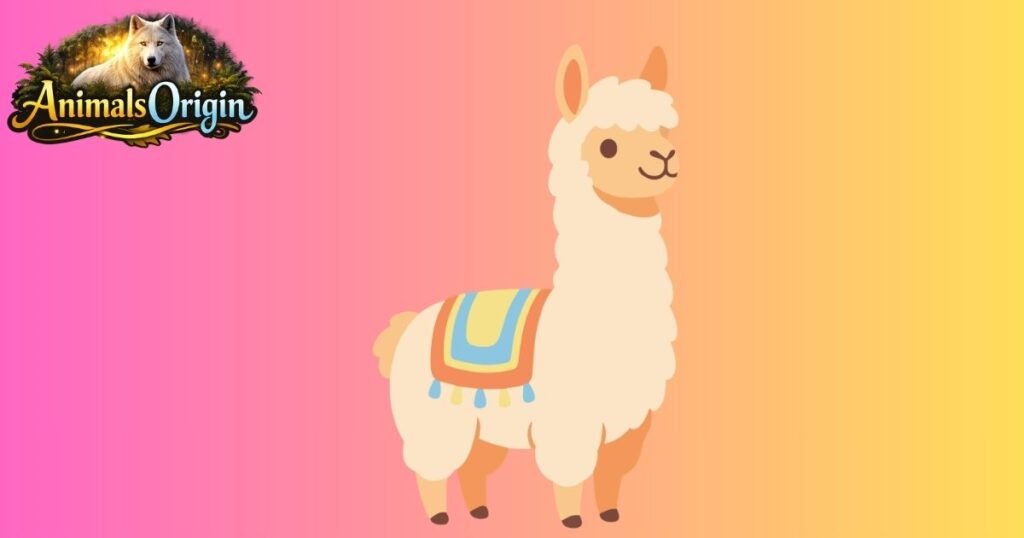
Llamas also use their necks to observe their surroundings and detect predators from a distance, which is essential in the wild. neck movements play a role in social communication, signaling curiosity, dominance, or alertness to other herd members. Adapted to high-altitude environments, llamas rely on their long necks, keen eyesight, and social instincts to thrive in rugged terrain.
Alapce
The alpaca is a domesticated South American camelid closely related to the llama, known for its long, slender neck and soft, luxurious fleece. Its neck allows the alpaca to reach and graze on grasses and shrubs while maintaining awareness of its surroundings. Alpacas use subtle neck movements to communicate within their herd, signaling curiosity, alertness, or social hierarchy.
Despite their smaller size compared to llamas, their long necks give them a height advantage for feeding and spotting potential threats. Well-adapted to high-altitude environments, alpacas rely on their long necks, keen eyesight, and social instincts to thrive in mountainous pastures.
Camel
The camel is a long-necked mammal perfectly adapted to life in harsh desert environments. Its long neck allows it to reach sparse vegetation such as thorny shrubs and desert plants that other animals cannot access. Camels also use their necks to scan the horizon for predators or other herd members, providing safety across vast, open landscapes.
Their necks are strong and flexible, enabling them to carry heavy loads while walking long distances without losing balance. Combined with humps for fat storage and specialized feet for sand, the camel’s long neck is a crucial adaptation that helps it survive and thrive in arid regions.
Flimingo
The flamingo is a striking wading bird known for its long, S-shaped neck and vibrant pink feathers. Its long neck allows it to filter-feed in shallow waters, reaching deep into mud and water to capture algae, small crustaceans, and other tiny aquatic organisms. Flamingos’ flexible necks also help them preen their feathers, maintaining their distinctive plumage and hygiene.
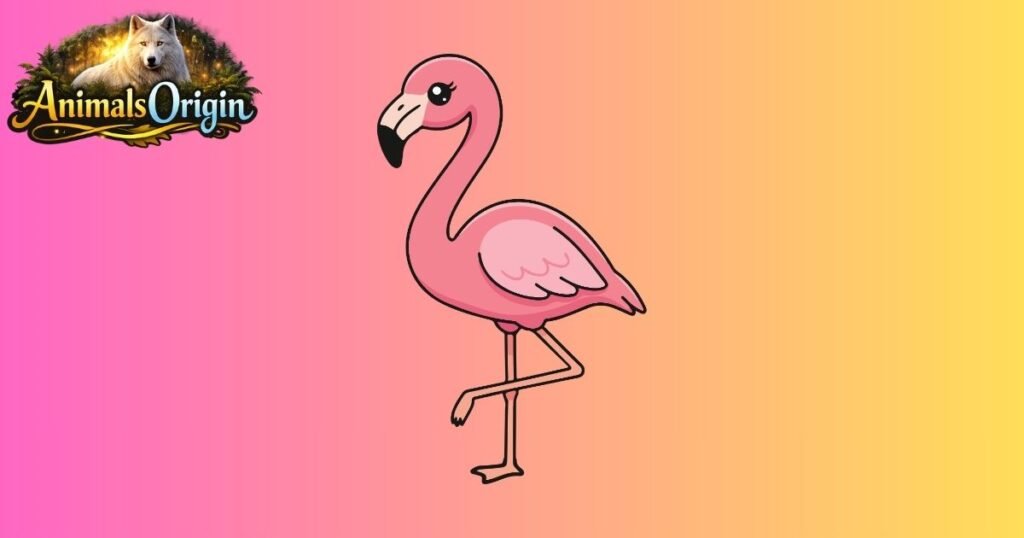
The neck plays a role in social displays, as flamingos use graceful neck movements during courtship rituals. This combination of feeding efficiency, grooming, and communication makes the long neck a vital adaptation for survival and social interaction in their wetland habitats.
Swan
The swan is a large, graceful bird known for its long, elegant neck, which plays a crucial role in feeding and movement. Its neck allows the swan to forage for aquatic plants and algae beneath the water’s surface without fully submerging its body, conserving energy while feeding.
Swans also use their necks for courtship displays, forming graceful arches and loops to attract mates. The long neck helps with balance and maneuverability while swimming. This adaptation, combined with strong wings and webbed feet, makes swans highly efficient in both feeding and social interactions within their aquatic environments.
Read More: Animals With Whiskers: 10 Fascinating Creatures That Use Whiskers to Explore the World
Heron
The heron is a long-legged wading bird distinguished by its exceptionally long neck, which is essential for hunting and survival. Its neck acts like a spring-loaded spear, allowing the heron to strike quickly and precisely at fish, amphibians, and small aquatic animals in shallow water. This flexibility also helps the bird reach prey hiding among reeds or submerged vegetation.
Beyond hunting, herons use their necks for preening and balance, and during mating displays, they extend or arch their necks to signal strength and attract partners. The long neck is a key adaptation that makes herons highly effective hunters in wetlands and marshes.
Okapi
The okapi, often called the “forest giraffe,” is a rare and elusive mammal native to the dense rainforests of Central Africa. Its long neck allows it to reach leaves and buds in the understory of the forest while remaining partially hidden from predators.
Unlike its savannah-dwelling cousin, the giraffe, the okapi uses its neck for stealthy browsing and careful navigation through thick vegetation. The neck also plays a role in social behavior, helping the okapi communicate with other individuals through subtle movements. Combined with a prehensile tongue, the long neck is a vital adaptation for feeding and survival in its forest habitat.
Sea Snake
Some species of sea snakes have elongated, flexible necks that help them hunt fish and navigate coral reefs with precision. Their long necks allow them to strike swiftly at prey hiding in crevices or narrow spaces, giving them a significant advantage in aquatic hunting.
The flexibility of the neck also improves maneuverability in water, enabling sea snakes to move efficiently through complex reef environments. Additionally, their necks aid in maintaining balance and streamlining their bodies while swimming. This adaptation allows sea snakes to survive and thrive in marine ecosystems, combining speed, agility, and reach to capture prey effectively.
Final Words
Animals with long necks showcase some of the most remarkable adaptations in the natural world. From giraffes towering in the savannah to aquatic birds like herons and flamingos, long necks provide advantages in feeding, predator awareness, social interaction, and maneuverability.
Both living and extinct species, including sauropod dinosaurs and the okapi, demonstrate that neck length can evolve in mammals, birds, reptiles, and even insects to suit specific ecological needs. These adaptations highlight the creativity of evolution, allowing species to thrive in diverse environments by improving access to food, enhancing survival strategies, and supporting complex behaviors.
Animals-With-Long-Neck FAQs
Which Animals Have the Longest Necks in the World?
The giraffe has the longest neck among living animals, reaching up to six feet in length.
Why Do Birds Like Swans and Herons Have Long Necks?
Their long necks help them reach food underwater or in tall vegetation, improving feeding efficiency and balance while hunting or foraging.


One Comment