Birds With Long Legs: 15 Stunning Species Built for Wading
Birds with long legs are not just a marvel to behold; they play crucial roles in their ecosystems. Did you know that some of the most striking birds in the world are also the best at wading through water?
This article uncover15 stunning species that showcase the beauty and adaptability of these fascinating creatures. By the end, you’ll not only appreciate their elegance but also understand their importance in the natural world.
Why Do Birds With Long Legs Have This Unique Adaptation?
Birds with long legs, such as the heron or stilt, showcase a fascinating adaptation that enhances their survival in various ecosystems. These elongated limbs allow them to wade through shallow waters with ease, reaching food sources like fish and crustaceans that would be inaccessible to shorter-legged species. The ability to stand and stalk in marshy environments not only increases their foraging efficiency but also minimizes energy expenditure, allowing them to conserve vital resources while hunting.
Moreover, the long legs of these birds often serve as a defense mechanism against predators. By keeping their bodies elevated above water, they reduce the risk of becoming prey, while their heightened visibility adds to their awareness of surrounding threats
15 Birds With Long Legs
Below is the list of 15 birds with long legs.
- Great Blue Heron
- Grey Heron
- Great Egret
- Black-crowned Night Heron
- White Stork
- Marabou Stork
- Saddle-billed Stork
- Secretarybird
- Greater Flamingo
- Black-winged Stilt
- Common Crane
- Sandhill Crane
- Demoiselle Crane
- American Avocet
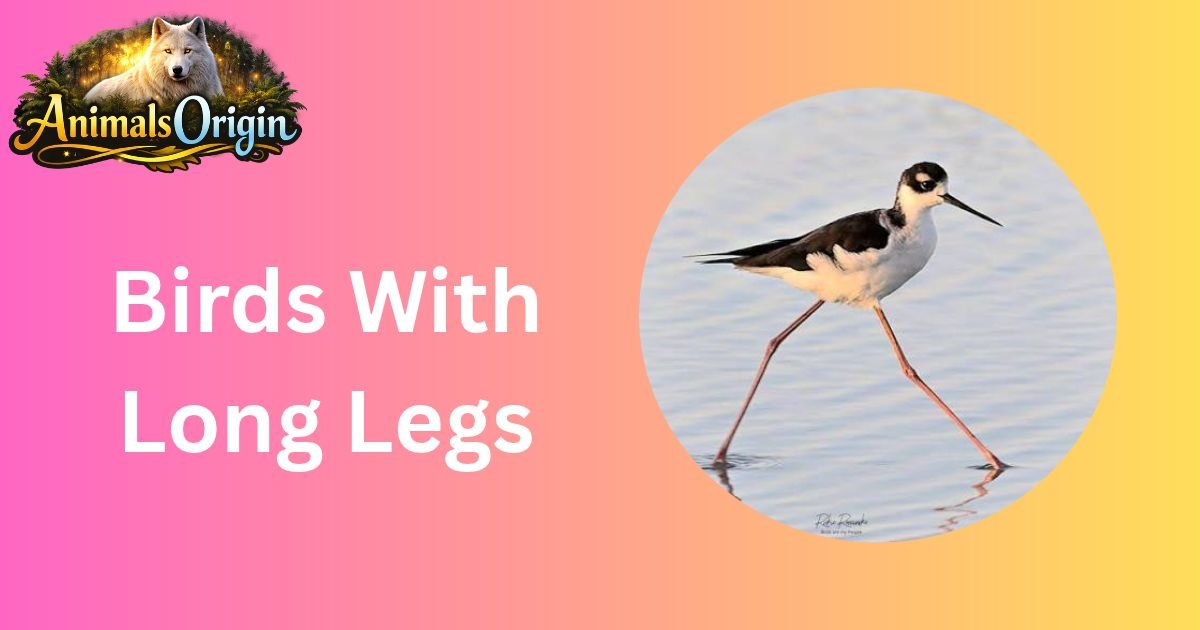
- Black-necked Stilt
Great Blue Heron
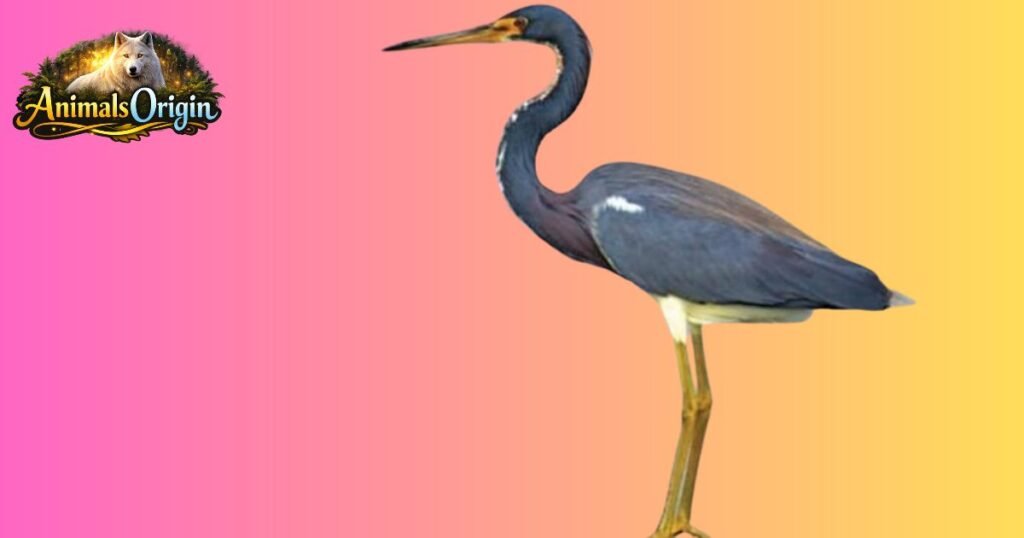
With a striking 6-foot wingspan, the Great Blue Heron showcases its long legs as it wades gracefully through wetlands, epitomizing elegance in motion and an adept hunter of fish.
Grey Heron
This cousin of the Great Blue has a similar stature but sports a more muted palette. Known for its patience, the Grey Heron can stand still for hours, perfecting the art of ambush.
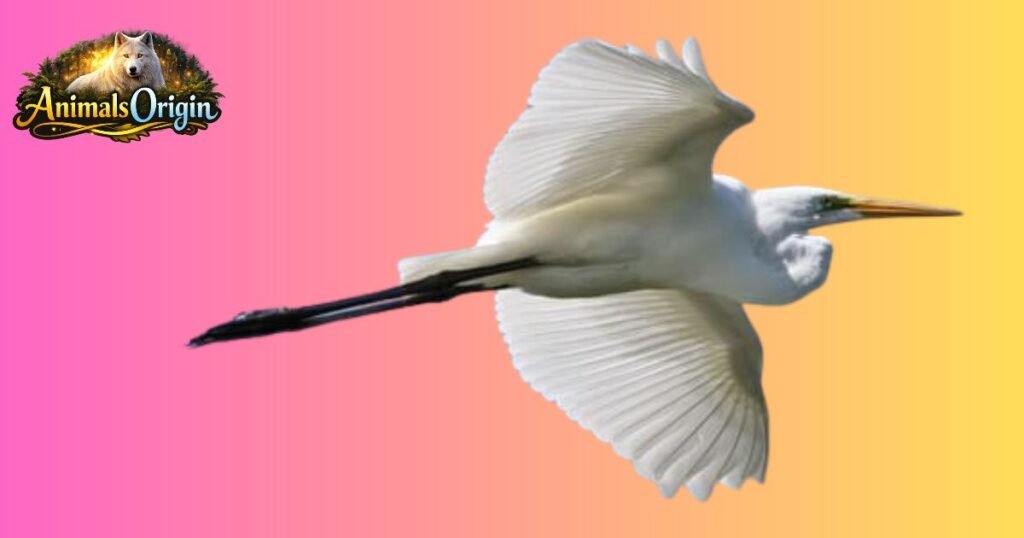
Great Egret
Perhaps one of the most iconic sights in marshlands, the Great Egret’s long legs complement its pristine white feathers. This bird represents purity across cultures and serves as a reminder of thriving ecosystems.
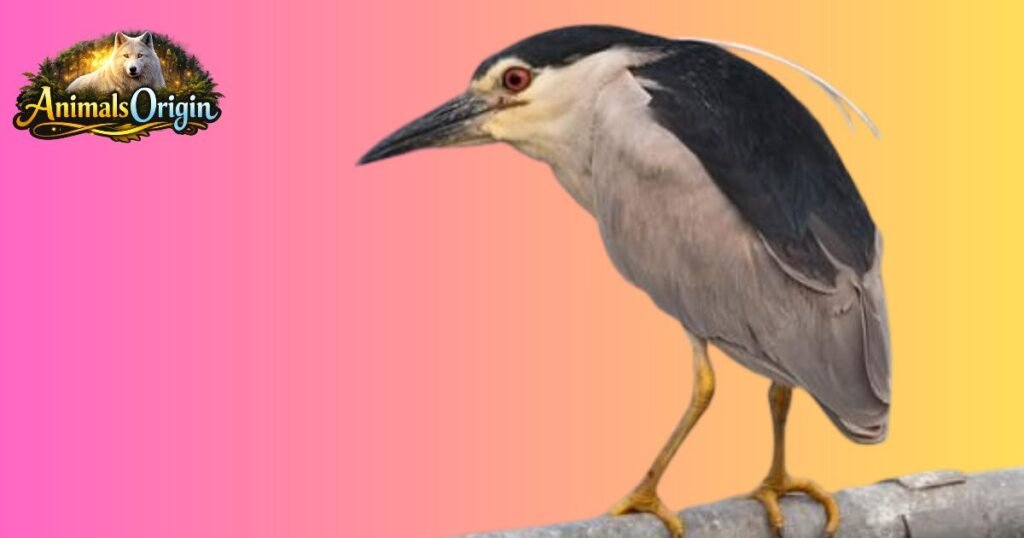
Black-crowned Night Heron
Unlike its more diurnal relatives, this clever bird remains active at dusk, using its long legs to stealthily navigate the marsh, highlighting their adaptability in hunting techniques.
White Stork
Famous for its migratory journeys, the White Stork’s lengthy legs are instrumental in traversing varied landscapes, showcasing resilience and elegance on its travels between Europe and Africa.
Marabou Stork
With long legs and a unique appearance, this scavenger often roosts with pride. It plays a crucial ecological role, cleaning up waste, a fascinating blend of beauty and practicality.
Saddle-billed Stork
Known for its distinctive bill and striking colors, this stork pairs its long legs with intricate courtship dances, making it a symbol of loyalty as pairs bond for life.
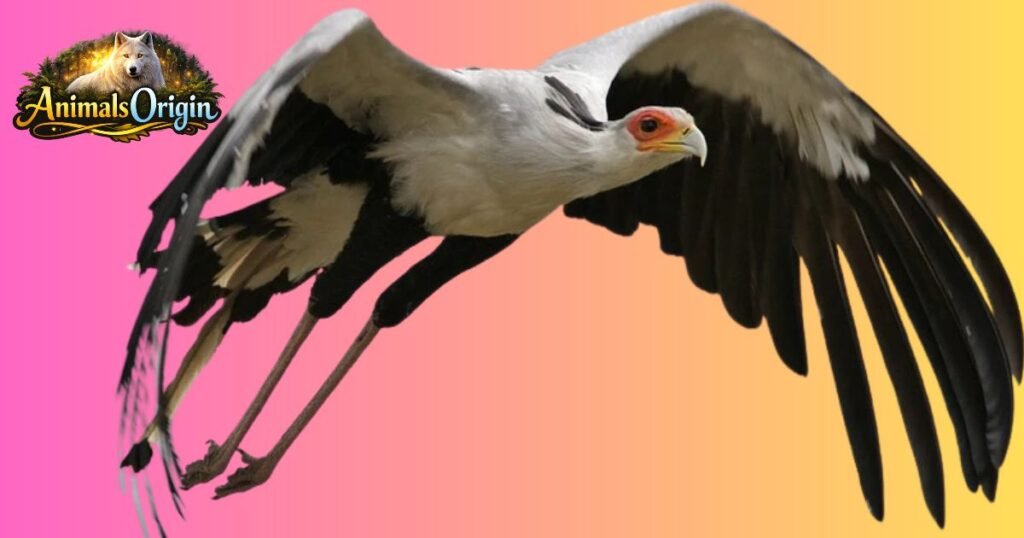
Secretarybird
Renowned for its hunting prowess against snakes, the Secretarybird’s long legs give it an advantage, making it a unique contender in the African savanna.
Greater Flamingo
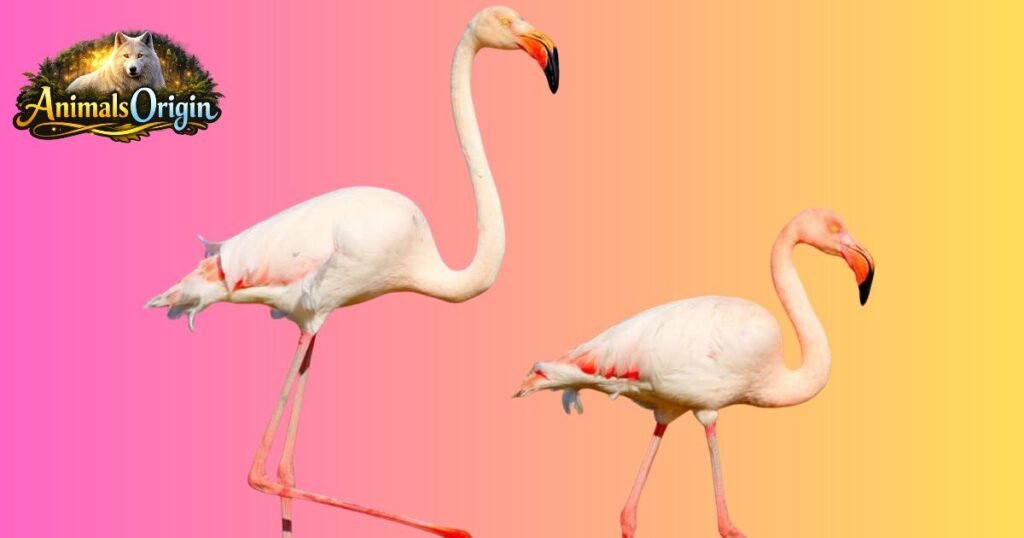
The epitome of grace, the Greater Flamingo uses its long legs to navigate shallow waters in search of food, embodying the balance of elegance and survival in the wild.
Black-winged Stilt
With their slender legs seeming almost too delicate, these shorebirds are remarkable for their agility, showcasing acrobatic skills while foraging for insects and crustaceans.
Common Crane
Known for their impressive migrations, Common Cranes use their elongated legs for powerful take-offs and landings, reflecting dynamism in their seasonal journeys.
Sandhill Crane
Distinguished by their robust build and unique vocalizations, Sandhill Cranes are often seen in flocks, using their long legs to traverse open fields and wetlands in search of food.
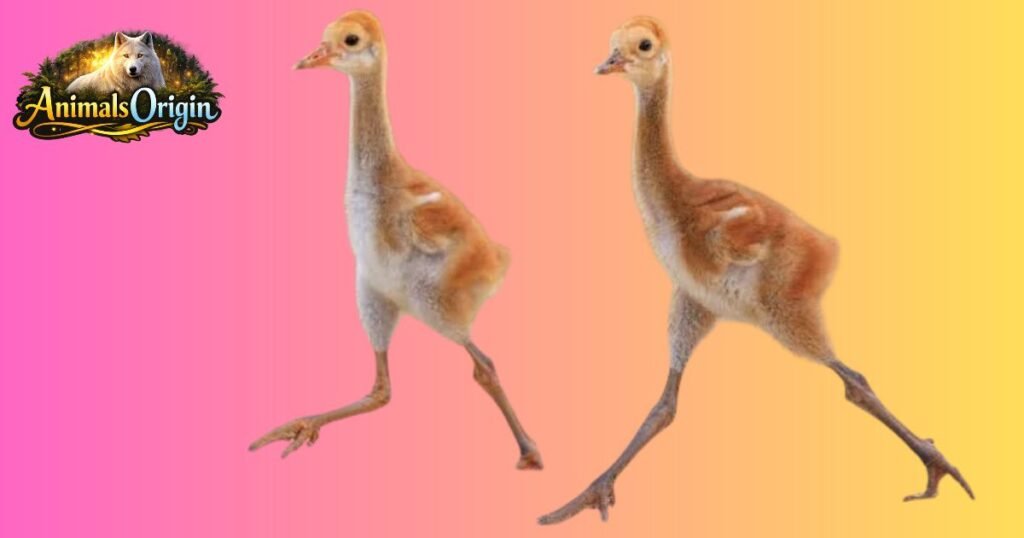
Demoiselle Crane
Often touted as one of the most beautiful birds with long legs, the Demoiselle showcases intricate rituals during courtship, emphasizing its importance in the tapestry of avian life.
American Avocet
With a unique upturned bill and striking plumage, this shorebird elegantly strides along the water’s edge, perfectly adapted for probing through mud to find sustenance.
Black-necked Stilt
This species captivates onlookers with its striking contrast of black and white, while its long legs enable it to forage efficiently in various wetland habitats, underscoring its versatility in diverse ecosystems.
Long Legged Birds Found Near Water
Among the enchanting long-legged birds that grace our wetlands, the heron stands out with its elegant stature and striking silhouette. These majestic creatures possess a unique ability to blend into their surroundings, often standing motionless for long periods as they hunt for fish and amphibians. It’s fascinating how their long legs not only provide stability in shallow waters but also give them an advantage in stalking prey, making them masters of stealth in their aquatic domains.
Another remarkable bird with long legs is the egret, known for its stunning plumage and graceful movements. Egrets often congregate in flocks, transforming serene marshes into lively communities as they hunt together. Observing their synchronized feeding habits can offer insight into social behaviors within bird species, revealing the intricate balance of nature.
Also read more: What Animals Eat Frogs? 15 Frog Predators in the Wild
How Long Legs Help Birds Catch Food
Birds with long legs have evolved fascinating adaptations that enhance their hunting prowess. Tall birds with long legs, such as herons and storks, often wade through shallow waters, using their elongated limbs to probe for fish and other aquatic prey. This unique anatomy allows them to stay above murky depths, providing a clearer view of their surroundings. As they move gracefully, they minimize disturbance to the water, ensuring that their targets remain unsuspecting.
Furthermore, wading birds utilize their long legs to balance themselves on uneven surfaces like marshy terrains and muddy banks. The flexibility of their legs enables them to quickly adjust their stance, thereby improving their agility as they strike at elusive prey.
Unique Features of Long Legged Birds
The unique features of long-legged wading birds not only enhance their survival but also make them fascinating to observe. These birds with long, thin legs possess an elegant grace that allows them to navigate through shallow waters with ease. Their elongated legs provide the perfect advantage for probing mud and silt, enabling them to hunt for fish and crustaceans efficiently. This specialized adaptation minimizes their body’s exposure to water, making them highly effective foragers in diverse wetland habitats.
Moreover, the birds with extremely long legs often exhibit a striking contrast between their limbs and bodies, adding to their visual appeal. Their long legs and beaks are harmoniously designed for catching prey; while the legs elevate them above the water’s surface, their elongated beaks reach deep into aquatic environments.
Final Words
The stunning species of birds with long legs show incredible adaptability to their wetland habitats. These waders, such as the elegant flamingo and the graceful heron, are not just beautiful but also play vital roles in their ecosystems.
Their unique adaptations, from striking plumage to specialized feeding techniques, make them fascinating subjects for both birdwatchers and nature enthusiasts. As we continue to study and appreciate these remarkable creatures, it’s essential to protect their habitats and raise awareness about the challenges they face. So next time you’re near a body of water, take a moment to observe these amazing birds and support conservation efforts.
FAQs
What Kind of Bird has Long legs?
Birds with long legs belong to several families, but some of the most recognizable examples include herons, storks, and flamingos. Herons are often seen wading in shallow waters, using their long legs to hunt for fish and amphibians. Storks are known for their striking ability to stand tall, often nesting in large trees or rooftops.
What Birds have Long legs?
Several bird species are known for their long legs, which are often adaptations for their habitats. Wading birds like herons and storks stand out with their slender, elongated limbs. These long legs help them navigate shallow waters while hunting for fish and amphibians.
What is a 5-letter word for a long-legged bird?
A great 5-letter word for a long-legged bird is “crane.” Cranes are known for their tall stature and graceful movements. They often live in wetlands and are known for their striking appearance and elaborate courtship dances.