Animals With Down Syndrome: 15 Animals With Unique Genetic Conditions
Imagine a world where animals achieve over genetic odds, bringing joy and inspiration to those around them. This article focuses on animals with Down syndrome, featuring 15 extraordinary examples that showcase the beauty of uniqueness and resilience.
By learning about these wonderful beings, you’ll explore how they contribute to our understanding of genetics and empathy. Get ready to be inspired and enlightened by these captivating stories of survival and love.
What Animals Are Often Said to Have Down Syndrome?
While the term “Down Syndrome” is specifically associated with humans, certain animals with Down syndrome-like conditions often capture our hearts due to their unique physical traits and behaviors. Commonly mentioned among these animals are dogs and cats exhibiting signs that some might liken to the syndrome, such as distinctive facial features or slower cognitive abilities. These animals can resonate deeply with us, illustrating that diversity in appearance and capability exists across species.
Beyond the canine and feline realms, stories of primates, particularly certain monkeys and apes, sometimes highlight behaviors reminiscent of developmental differences. These animals showcase a range of expressions and connections that remind us of our humanity, emphasizing emotional depth rather than mere biological classifications.
15 Animals With Down Syndrome-Like Conditions
Below is the list of animals with Down syndrome.
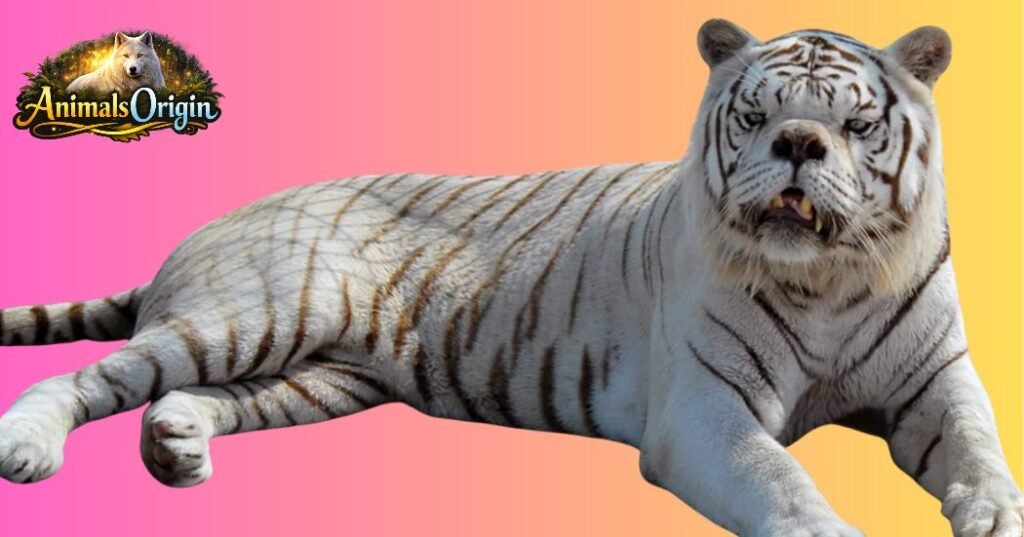
- Kenny the White Tiger
- Otto the Kitten
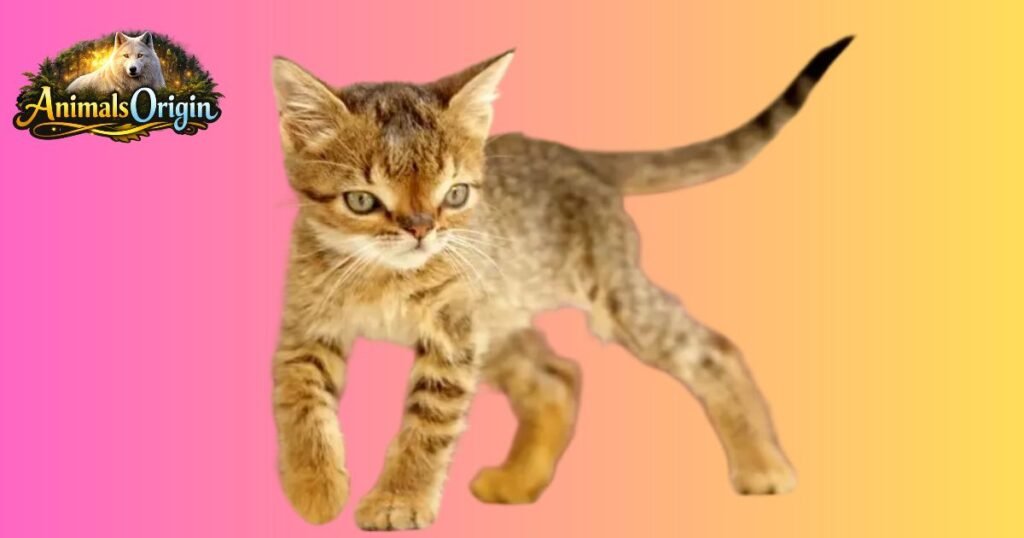
- Maya the Cat
- Monty the Cat
- Lil Bub the Cat
- Grumpy Cat
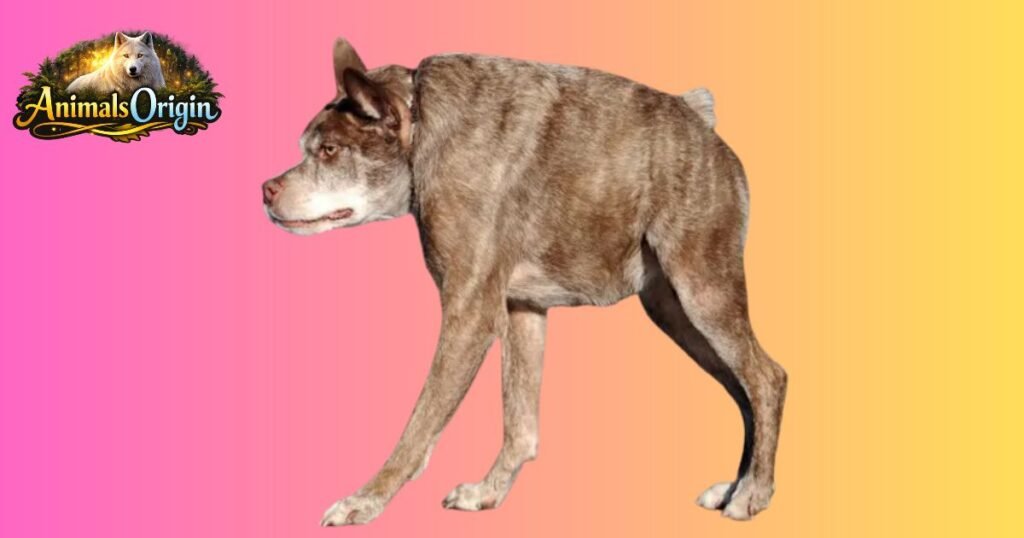
- Quasi Modo the Dog
- Nala the Cat
- Frank and Louie the Cat
- Puggy the Dog
- Affected Laboratory Mice
- Affected Laboratory Rats
- Affected Chimpanzees
- Affected Rhesus Macaques
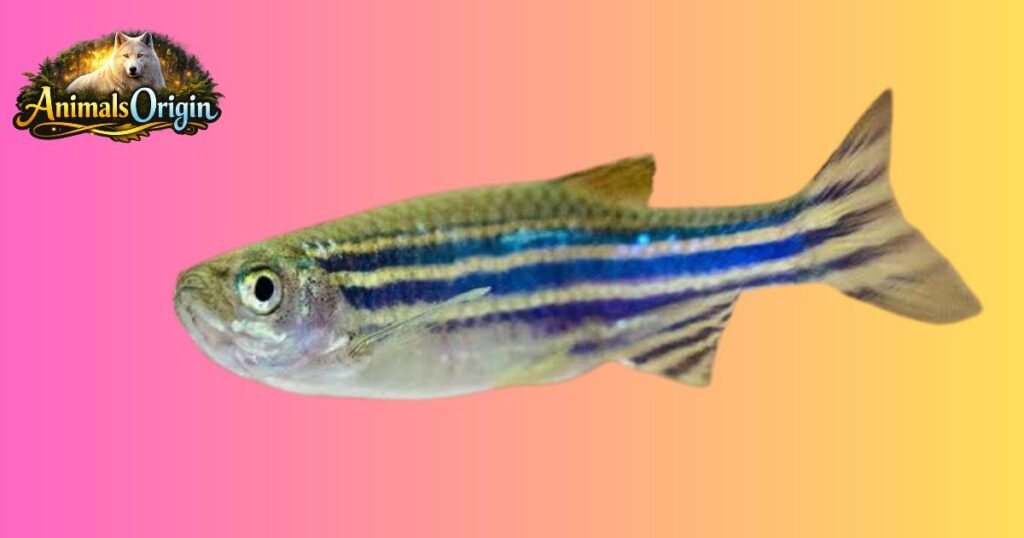
- Affected Zebrafish
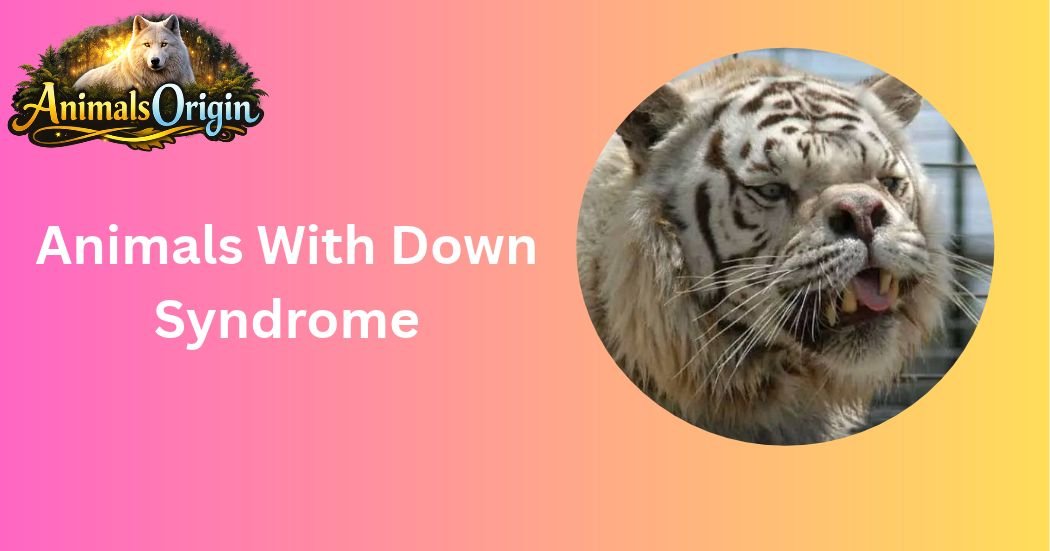
Kenny the White Tiger
This striking white tiger stands out not just for his rare coloration but also for his unique physical traits, reminiscent of Down syndrome characteristics. His facial structure gives him an endearing, almost cherubic appearance that captures the hearts of many wildlife enthusiasts.
Otto the Kitten
Dubbed the “glamour kitten,” Otto’s adorable and quirky look, with his distinctively rounded face and bright blue eyes, showcases that beauty can come in diverse packages. His charm lies in his playful antics and loving personality, making him a favorite among cat lovers.
Maya the Cat
Maya’s journey has been both inspiring and heartwarming. As she navigates the world with her charmingly unusual features, she reminds us of the importance of celebrating differences and the beauty of uniqueness in all creatures.
Monty the Cat
With his flat face and expressive eyes, Monty captivates the online community, showing that disabilities can come with personality and charm. His playful nature and quirky behavior resonate with those who appreciate the beauty of imperfection.
Lil Bub the Cat
Known for her distinctive appearance, Lil Bub embodies a spirit of resilience and joy. Her viral fame spreads awareness about genetic mutations and encourages compassion for animals that are different, transforming perceptions of “normal.”
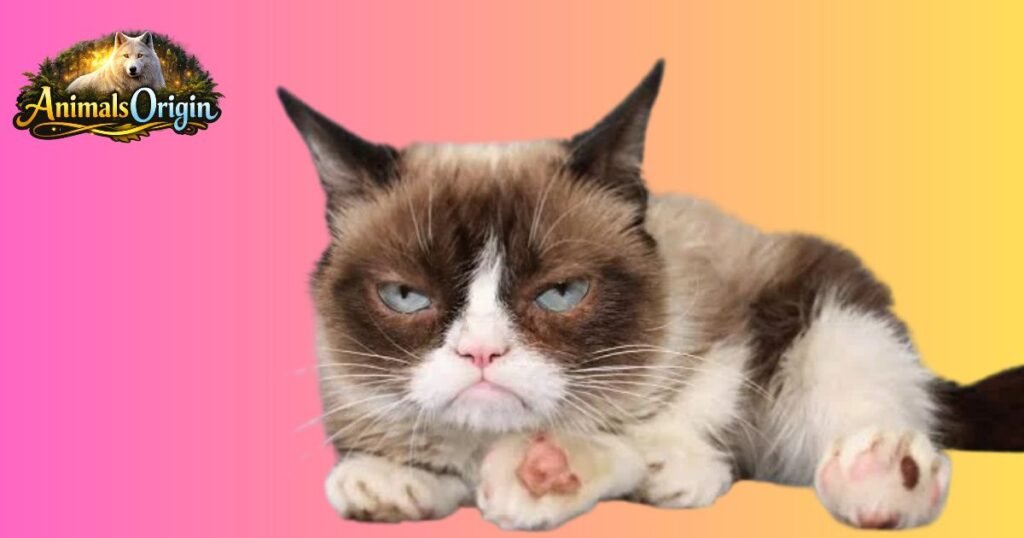
Grumpy Cat
This iconic feline’s unique scowl, caused by feline dwarfism and other health issues, led to a cultural phenomenon. Grumpy Cat teaches us that even those who seem grumpy can have an immense impact on happiness and humor in the world.
Quasi Modo the Dog
Quasi Modo’s celebrated story highlights the intersection of resilience and physical differences. His unique condition presents the beauty of embracing individuality and showcases the power of love and support through adoption.
Nala the Cat
Nala’s endearing personality shines through despite her challenges. With a face that literally wins hearts on social media, she exemplifies how animals with Down syndrome-like conditions can inspire communities to promote acceptance and understanding.
Frank and Louie the Cat
With an unmistakable charm, this two-faced feline captured hearts worldwide. Frank and Louie had a condition reminiscent of Down syndrome, featuring distinctive facial asymmetry and developmental challenges. His unique appearance was matched only by his sweet personality, proving that love transcends conventional beauty.
Animals That Start With N: 15 Fascinating Animals to Know
Puggy the Dog
This adorable pug became a symbol of resilience among pets with Down syndrome-like traits. Puggy’s lovable quirks, from wobbly walks to endearing eye misalignments, reminded us that our furry friends can have personalities that shine regardless of their physical limitations.
Affected Laboratory Mice
In scientific research, certain mice display characteristics akin to Down syndrome, including learning difficulties and altered social behaviors. These animals offer crucial insights into genetic conditions, paving the way for advancements in medicine that could benefit both animals and humans alike.

Affected Laboratory Rats
Similar to their mouse counterparts, these rats display altered brain function and behavior. Their role in research underscores the importance of understanding genetic mutations and how they manifest in different species, ultimately guiding interventions.
Affected Chimpanzees
Chimpanzees have been observed with Down syndrome-like features, including social and cognitive delays. Their experiences prompt a deeper investigation into the emotional complexities and social bonds formed within primate communities facing such challenges.
Affected Rhesus Macaques
Known for their impressive cognitive skills, Rhesus macaques that exhibit Down syndrome-like symptoms highlight the neurological similarities to humans. Their study provides a powerful lens for examining emotional resilience in the face of genetic adversity.
Affected Zebrafish
In the world of aquatic research, zebrafish are emerging as valuable models for studying Down syndrome. Their rapid development and genetic similarity to humans allow researchers to track physical and cognitive behaviors effectively, making them essential for future therapies. .
Why Animals Cannot Have Human Down Syndrome
While the concept of animals with Down syndrome-like conditions often captivates our imagination, it’s vital to understand the biological differences between species. Humans have 46 chromosomes divided into 23 pairs, with Down syndrome occurring due to an extra copy of chromosome 21. In contrast, animals with chromosomal abnormalities have distinct chromosomal structures that vary significantly from ours, resulting in different genetic expressions and disorders. This discrepancy makes it impossible for species to exhibit Down syndrome as we define it.
However, some animals can indeed experience genetic disorders or present symptoms reminiscent of Down syndrome due to various chromosomal anomalies. For instance, dogs and cats might display unusual behaviors or physical traits, but these are linked to their specific genetic makeup rather than a direct comparison to human conditions.
Genetic Conditions That Affect Animals
Genetic conditions in animals can manifest in fascinating and sometimes heartbreaking ways. For instance, animals with birth defects often capture public interest, not only for their unique characteristics but also for the heartfelt stories behind them.
Take animals with unusual facial features: from dogs with cleft palates to cats with altered bone structures, each showcases the amazing diversity of life, even in its most challenging forms. These animals aren’t just subjects of curiosity; they inspire advocates and researchers working tirelessly to improve their quality of life.
Final Words
The exploration of animals with Down syndrome sheds light on the remarkable diversity of life and the unique genetic conditions that can occur beyond humans. Each of these 15 animals not only captivates us with their special traits but also challenges our understanding of genetics and adaptation.
By sharing their stories, we can foster compassion and empathy towards all living beings, encouraging a more inclusive view of the world. Whether it’s a playful dog or a gentle cat, these animals remind us that every individual deserves love and understanding. Let’s celebrate their uniqueness and work together to enhance awareness about genetic conditions in animals.
FAQs
Can Any Animals Have Down Syndrome?
Down syndrome is a genetic condition specifically associated with humans, caused by an extra copy of chromosome 21. While other animals can have genetic abnormalities, these do not equate to Down syndrome. The specific chromosomal make-up and the way genes interact in different species vary significantly.
What Is The Highest IQ Someone with Down Syndrome Can Have?
There isn’t a strict limit to the IQ of someone with Down syndrome. While many individuals with Down syndrome may typically score below average on standard IQ tests, there are exceptions. Some individuals can have an IQ in the average range or higher, showcasing a diversity of abilities and strengths.
Can People with Down Syndrome Have Kids?
Yes, people with Down syndrome can have children, although they may face some challenges in doing so. Women with Down syndrome often retain fertility and can conceive. However, there may be an increased risk of having a child with Down syndrome or other genetic conditions due to the mother’s chromosomal makeup.