Animals That Gallop: Types, Examples, and Speed Facts
In the fascinating world of Animals That Gallop, speed, agility, and powerful strides define their existence. The fastest land animal can reach speeds of up to 75 miles per hour.
We explain in this article various types of galloping animals, highlighting their remarkable characteristics and the science behind their incredible speeds. Discover why these majestic creatures are not just captivating to watch but also vital to understanding the dynamics of ecosystems.
What is Meant By Galloping in Animals?
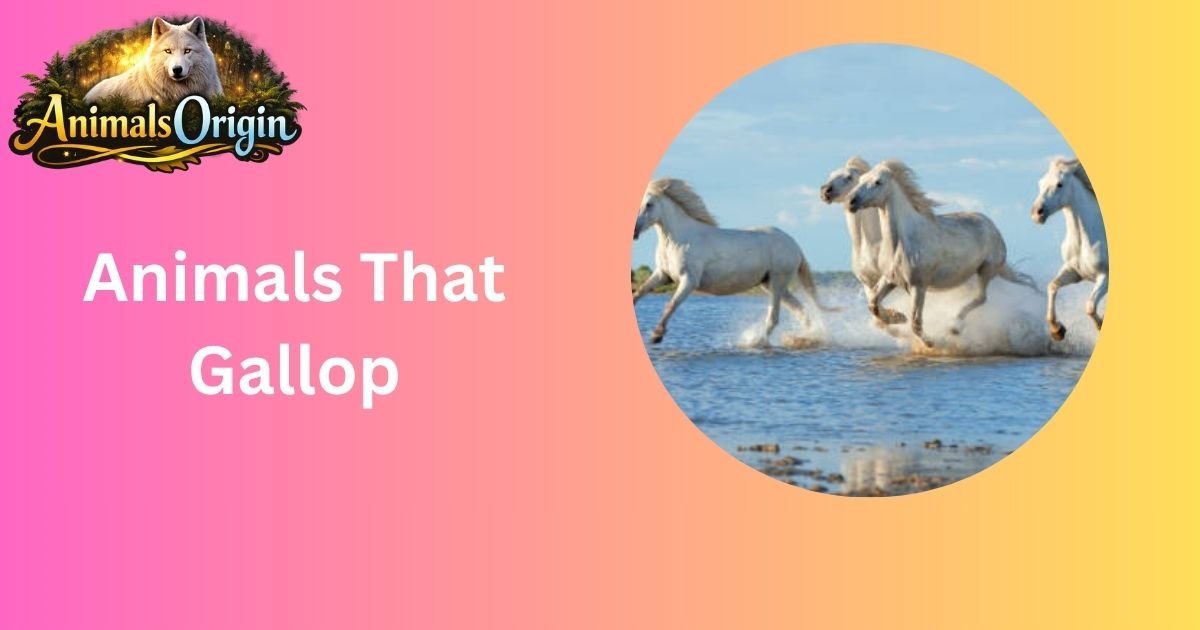
Galloping is a dynamic and exciting way of running primarily associated with animals that run fast, such as horses, deer, and some species of camels. This four-beat movement allows these galloping animals to cover ground quickly, demonstrating their impressive speed and quickness.
When a horse gallops, it shifts its weight in a way that alternates between lifting all four feet off the ground and a powerful push-off with the hind legs, resulting in a fluid and rhythmic motion that captivates onlookers.
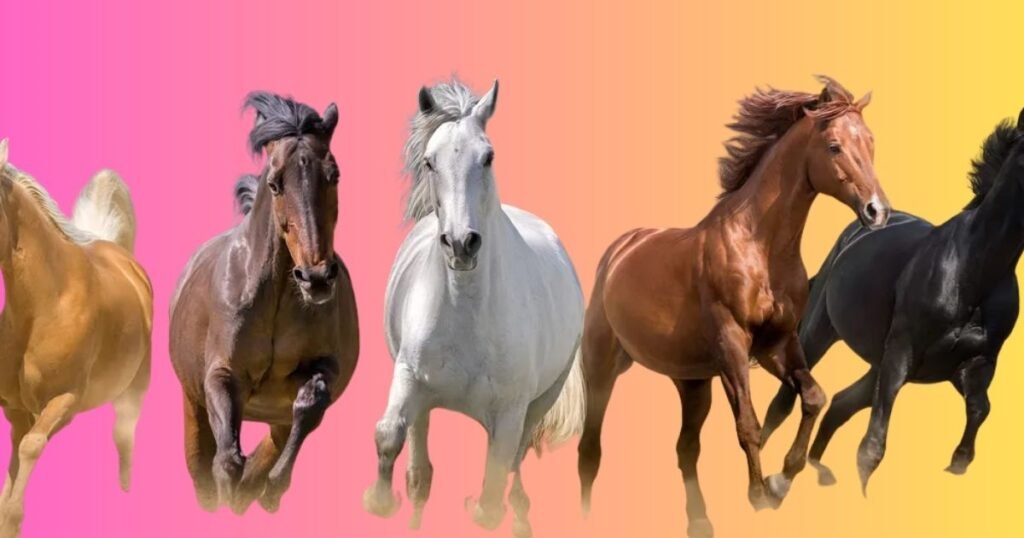
Galloping isn’t just about speed; it’s a vibrant form of expression and communication among animals. In the wild, a powerful display of galloping can assert dominance, signaling strength and vitality to competitors and potential mates alike. In contrast, in domesticated settings, galloping often signifies joy and playfulness, showcasing the emotional depth and vibrancy of these creatures. This behavior not only illustrates physical skills but also highlights the bond between animals and their environment, showcasing their instincts and natural behaviors.
List of Animals That Gallop
Below is the list of animals that can gallop:
- Horses
- Camels
- Bears
- Crocodiles
- Dogs
- Giraffes
- Antelopes
- Lion
- Wild Boars
- Hippos
- Wolves
- Llamas
- Gazelle
- Hyenas
- Tiger
- Deer
- Zebra
- Cheetahs
Horses
Horses are truly fascinating animals, embodying strength and grace in their gallop movement. Each breed has its own unique rhythm and style, making the experience of watching them run a captivating spectacle. The power behind their stride is not just about speed; it’s a mix of muscular coordination and instinctive agility, elements that few other animals that move by galloping can match. From wild mustangs racing across the plains to the elegant Thoroughbreds on racetracks, the allure of galloping adds an unparalleled thrill to their presence.
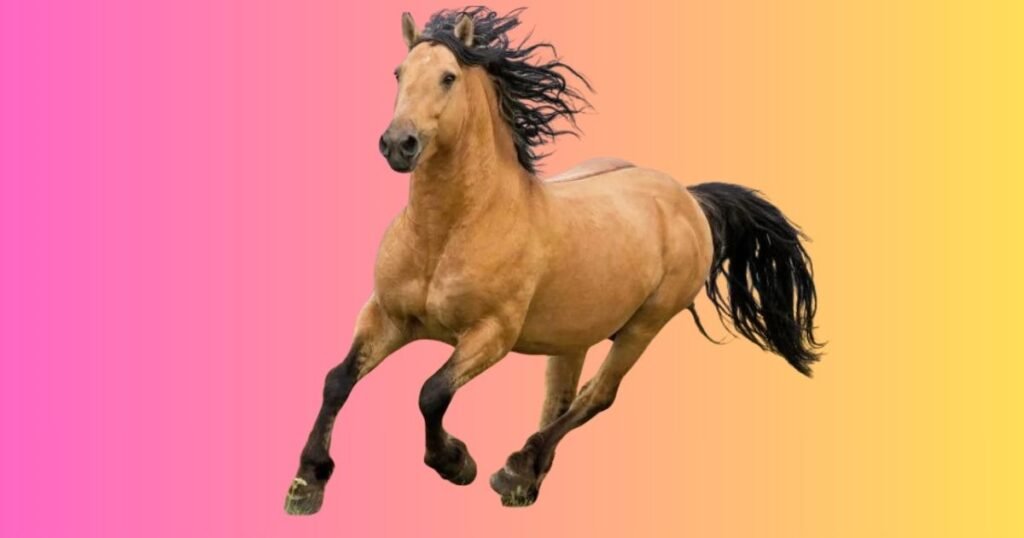
Interestingly, the gallop isn’t exclusive to horses. Other animals that gallop include zebras, which are closely related to them, as well as antelopes and some species of deer. These animals exhibit similar movements, showcasing the evolutionary benefits of galloping, such as escaping predators and covering vast distances efficiently.
Camels
When you think of animals that gallop, camels might not be the first to come to mind. They are known for their resilience in harsh desert climates, but also possess a unique gallop movement animal style that allows them to cover vast distances. While they are often seen strolling along at a steady pace, when the need arises, whether it’s evading danger or keeping up with a caravan, they shift their walk into a surprisingly swift gallop. The majestic motion, with their long legs propelling them forward, showcases a remarkable versatility that many overlook.
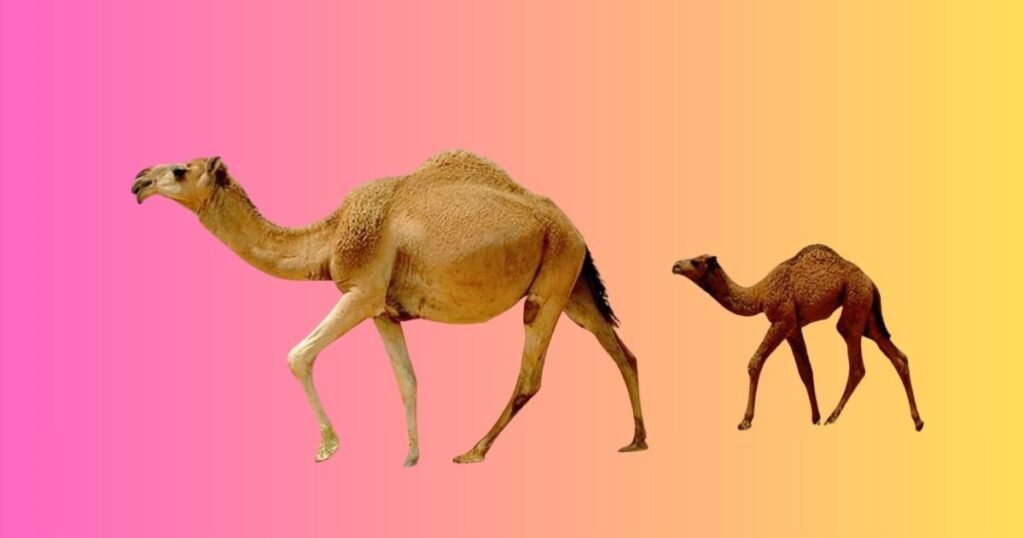
Unlike other animals that move by galloping, like horses or zebras, camels possess a distinct rhythm to their stride. Their unique body structure, characterized by long legs and a strong, flexible spine, enables them to maintain balance while travelling in uneven areas. This adaptability is crucial for survival in the desert, where they navigate sandy dunes and rocky paths with ease.
Bears
Bears are incredible creatures that are often grouped into broader wildlife categories, but their uniqueness warrants a deeper dive. Many people think of bears as lumbering giants, but these mammals can be surprisingly alert and fast. For example, they’re not known for galloping like horses or gazelles, but bears have their own version of quick. When a bear feels threatened or is chasing after prey, their powerful muscles allow for bursts of speed that can look like a clumsy but effective gallop.
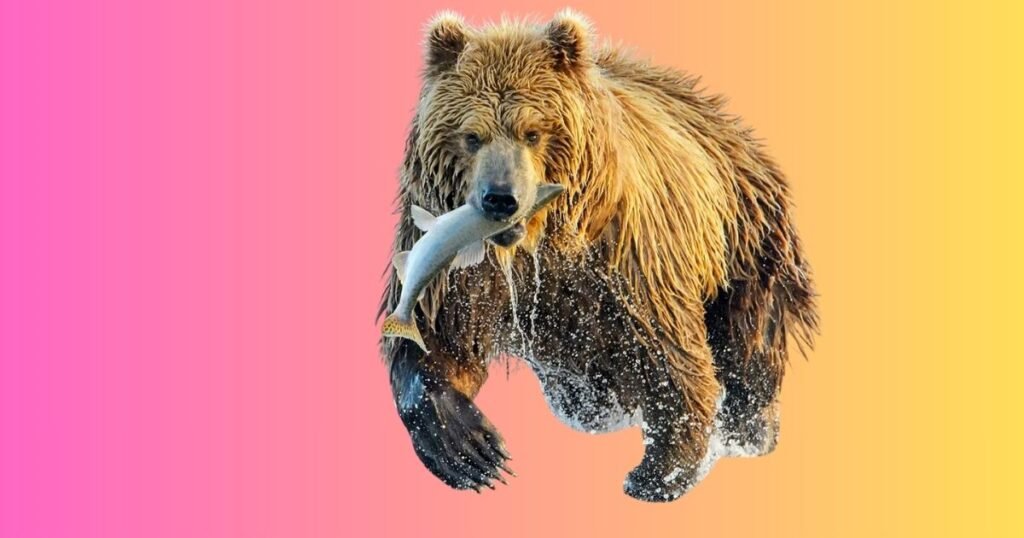
Remarkably, bears often exhibit behaviors not commonly associated with their size. Their playfulness is a delightful surprise; This playful behavior is essential, not just for physical fitness, but also for developing social skills and traits that are crucial for their survival in the wild. Some bear species, like the polar bear, can even swim long distances, showcasing a versatility that makes them compelling members of the animal kingdom.
Crocodiles
Crocodiles, often dubbed the ultimate survivors of the reptile world, have been around for over 200 million years. Their powerful, flexible bodies are perfectly designed for both land and water, making them wonderful creatures to study. While they may not gallop like a horse or a zebra, their impressive burst of speed on land and in water demonstrates an agility that defies their bulky appearance. When they launch into that signature “death roll,” you realize how stealthy and powerful these animals can be.
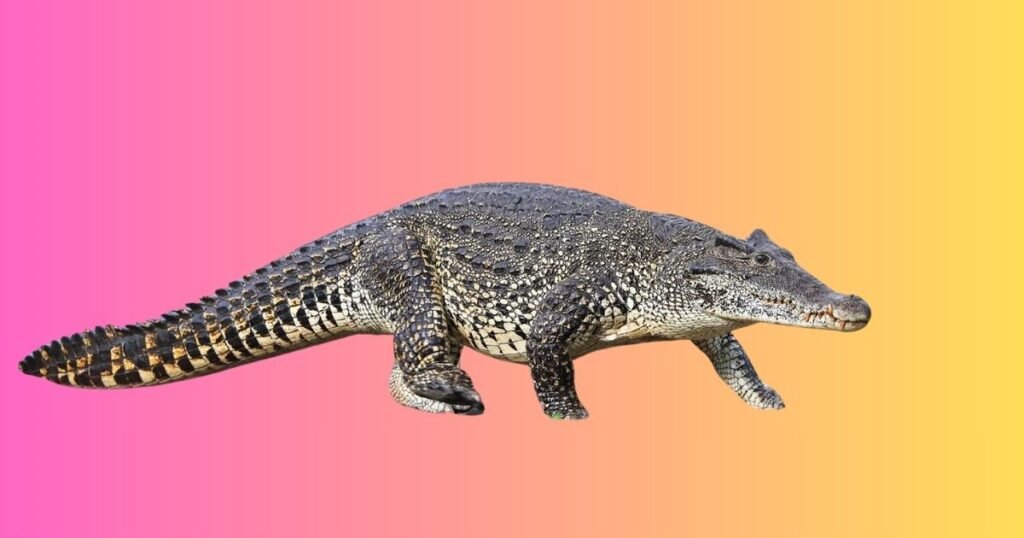
Surprisingly, crocodiles have a unique way of moving that reflects their ancient lineage. Unlike the galloping animals that bound gracefully across plains, crocodiles employ a more ground-bound, slithering locomotion that allows them to conserve energy while stalking prey. This adaptive movement showcases how evolution has shaped their survival strategies, contrasting sharply with the free-spirited animals that move by galloping.
Dogs
Dogs, with their alert and fast bodies and playful spirits, embody a dynamic connection to the movement that defines the animal kingdom. While many animals exhibit the graceful gallop movement, few can rival the infectious joy that a dog brings when it races across a field. Their ability to switch from a casual trot to a full-speed sprint mirrors the effortless galloping of other species, including horses, deer, and even larger predators like zebras.
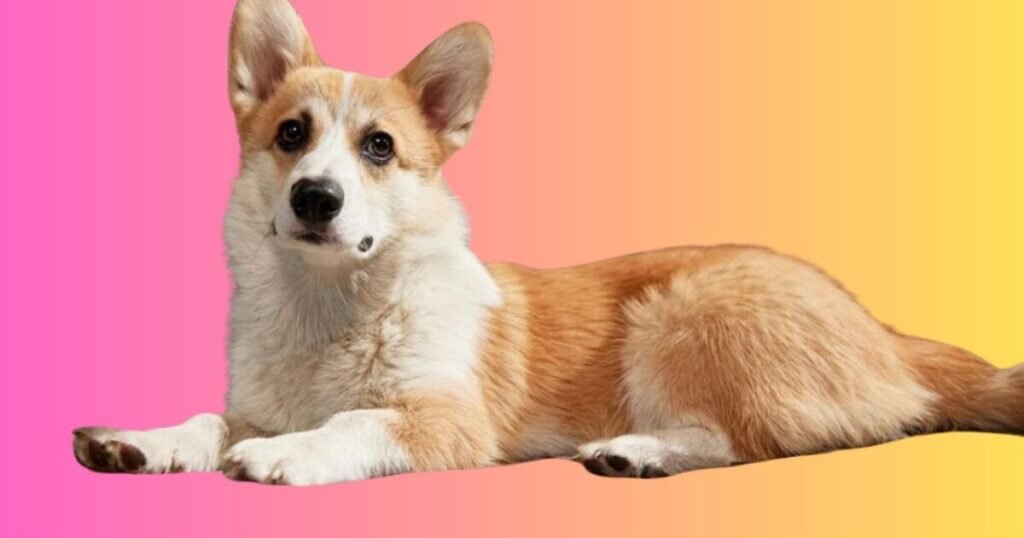
Not only do dogs thrive in the art of galloping, but they also invite us to embrace the exhilarating essence of life itself. Just as these 5 animals that gallop exhibit bursts of energy, their exuberance serves as a reminder of the simple joys of running for the sheer thrill of it, and moments of pure exhilaration.
Girrafes
Giraffes, those gentle giants of the savannah, present a fascinating blend of elegance and awkwardness, making their gallop movement distinctly mesmerizing. Despite their long legs and towering necks, giraffes are surprisingly nimble, capable of reaching speeds up to 37 miles per hour in short bursts. Imagine this towering creature, usually synonymous with calm grazing, suddenly breaking into a rhythm that echoes across the open plains, showcasing a unique brand of power and grace that few other animals can replicate.
Their gallop movement is not just a marvel of speed; it’s a fascinating adaptation to their environment. When threatened, these magnificent animals utilize their height to spot danger from afar. With each gallop, giraffes redefine our perception of how elegance can exist alongside raw power in the animal kingdom.
Antelopes
Antelopes are a fascinating evolutionary tapestry, showcasing the beauty and efficiency of nature’s design through their impressive gallop movement. These animals that move by galloping exhibit an incredible coordination of speed and grace, often seen gracefully leaping across vast savannas as if performing a polished ballet.
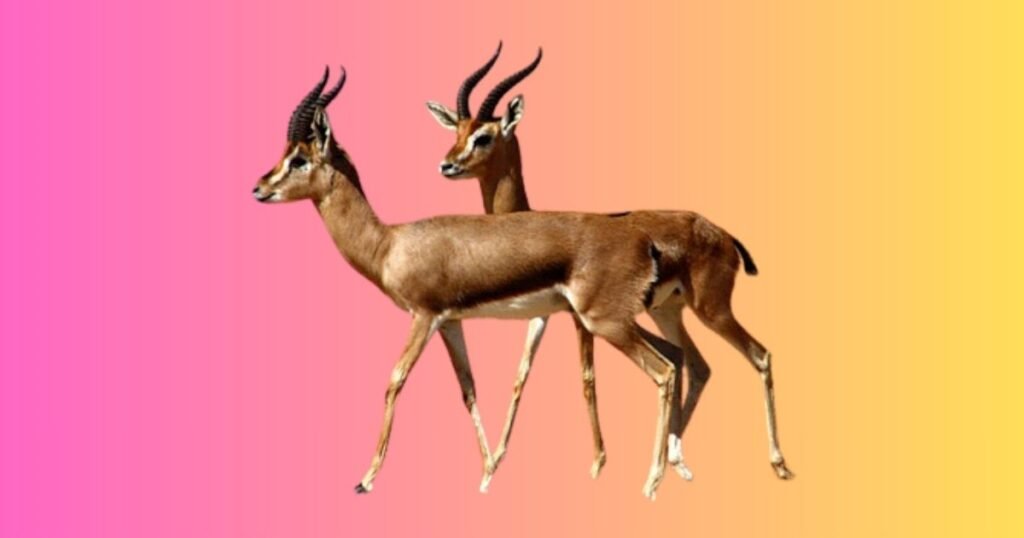
Their anatomical adaptations, such as elongated limbs and flexible spines, passively store and release energy, allowing them to bound effortlessly over difficult terrain, escape predators, and cover expansive distances in search of food and water.
Lion
The lion, often dubbed the “king of the jungle,” is a remarkable embodiment of grace and strength, but rarely do we consider their magnificence in the context of galloping animals. While most images conjured from the savannah depict these majestic beasts lounging under the sun or engaging in fierce group behavior within their prides, the lion’s ability to move with quickness is nothing short of captivating. When a lion unleashes its full potential, the sheer power of its gallop showcases not just speed but an elegance that contrasts with the bulk of its muscular frame.
What sets the lion apart from other galloping animals is its unique blend of strategic prowess and physical ability. In the wild, lions utilize their gallop not merely for the thrill of speed but as an efficient hunting technique during coordinated attacks.
Wild boars
Wild boars are fascinating creatures that sit across the line between the domesticated and wild. With their bristly coats and distinctive tusks, they embody a rugged charm that captures the imagination.
Unlike the romanticized gallop of horses, wild boars utilize a surprisingly fast and powerful form of movement. While they don’t gallop in the classic sense, their bursts of speed and tenacity across rugged terrains offer a unique perspective on adaptability.
Hippos
Hippos are surprisingly active for their massive size, often misleading those who see their bulky bodies soaking in the water. Though they spend much of their time submerged to keep cool, they can actually walk along the riverbed or even run on land at speeds of up to 25 miles per hour.
When considering animals that move by galloping, the hippo’s unique way of running is a delightful example of how a creature with such weight can still exhibit quick, powerful movements. Their ability to transition from a relaxed swim to a sudden sprint showcases their incredible adaptability.
Wolves
Wolves are impressive creatures that exemplify the detailed dynamics of nature. Known for their social structure, these majestic mammals hunt in packs, showcasing teamwork and strategy. Interestingly, while they don’t gallop like some other fast animals that gallop in the wild, such as horses or certain antelopes, they possess a unique method of locomotion that enables them to cover vast distances efficiently.
For those curious, wolves employ a blend of trotting and sprinting techniques that allow them to navigate various wilderness. Unlike animals that use a galloping way of running mostly for speed, wolves utilize their endurance to chase prey across rugged landscapes. This endurance can be particularly striking, especially when observing examples of animals that gallop alongside wolves.
LLamas
Llamas may not be the first animals that spring to mind when discussing galloping, yet they possess a unique charm and grace that can be unique to explore. While most people think of horses or antelopes when considering examples of animals that gallop, llamas present an unusual approach to movement.
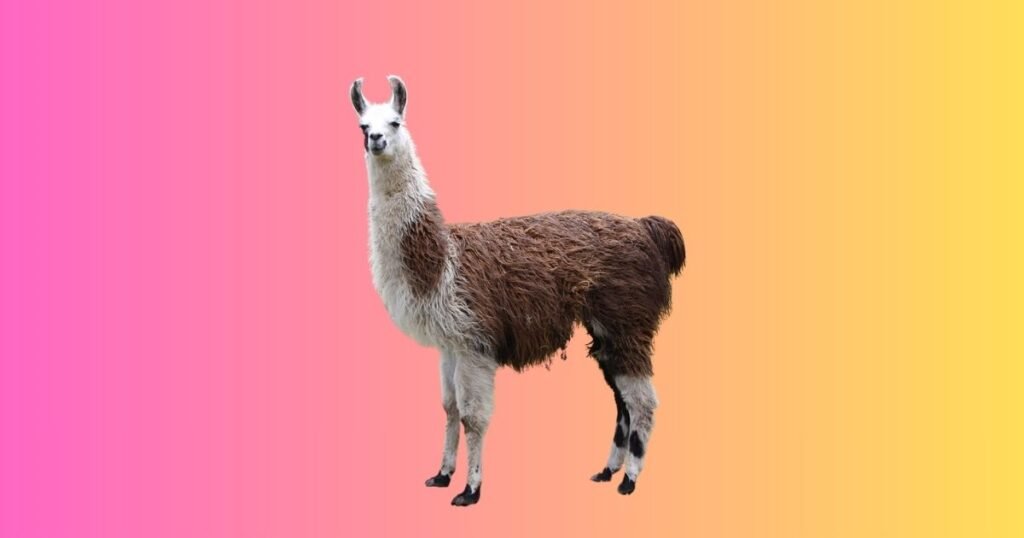
Their unique combination of speed and agility allows them to navigate varied areas, utilizing a form of galloping that is more steady way of running.If you ever see a llama in motion, you’ll notice how they seem to float along, almost gliding over the ground.
Gazelle
Gazelles are among the most graceful examples of animals that gallop in the wild, renowned for their astonishing speed and alertness. These fast animals that gallop can reach speeds of up to 60 miles per hour, allowing them to evade predators with remarkable elegance. The unique galloping stride of gazelles is not just about speed; it’s also a tactical move. When threatened, they display an incredible ability to change direction swiftly, making it challenging for predators to catch them.
This efficient locomotion allows gazelles to cover vast distances quickly while minimizing energy expenditure. Their powerful leg muscles are specifically adapted to facilitate this dynamic movement, showcasing nature’s ingenuity in evolution.
Hyenes
While many might link galloping with more graceful animals like horses or antelopes, hyenas, too, possess a remarkable ability to gallop, particularly when they are being chased. This fast-paced walk allows hyenas to cover significant ground with powerful strides, proving that they are more than just simple scavengers.
Understanding how animals gallop in such instances highlights the diverse adaptations that species like the hyena have developed to thrive in their environment, making them not just survivors but key players in the ecosystems they inhabit.
Tiger
The tiger’s gallop is a breathtaking spectacle, showcasing not just raw power but also grace. Unlike many animals that gallop in wide-open spaces, tigers employ their unique movement in dense forests and grasslands, where stealth and speed are critical. Their muscular legs and flexible spine allow them to execute surprising bursts of speed, enabling them to close in on prey with stunning efficiency..
Interestingly, tigers are among the few big cats that can truly gallop, similar of other galloping animals like horses and antelopes. This ability not only aids in hunting but also emphasizes their evolutionary adaptations.
Deer
Deer, with their graceful gallop, embody a unique blend of elegance and agility among the animals that gallop. When alarmed, these creatures switch into high gear, bounding effortlessly over obstacles with a remarkable spring in their step.
It’s fascinating to witness how their long legs and powerful muscles work in harmony, allowing them to cover both forest floors and open fields. This natural ability not only helps them escape predators but also showcases the beauty of their design, perfected through evolution.
Read more: Small Monkey Breeds, A Complete Guide to the Tiny Primates of the World
Zebra
Zebra count 5 animals that gallop, often overlooked in the grand web of wildlife, stands out with its striking black-and-white stripes that serve as more than just a fashion statement. These stripes play a fascinating role in social interactions and even in temperature regulation, helping Zebras thrive in their natural habitat.
When you observe their gallop movement, it’s clear they possess a unique grace alongside their stamina, making them one of the most captivating animals that gallop across the African savannas.
Cheetah
The cheetah, renowned for its astounding speed, epitomizes grace in motion. Unlike many other animals that gallop, this big cat employs a specialized running technique called “front-footed sprinting,” which allows it to reach speeds of up to 75 miles per hour in mere seconds. This unique gallop movement enables the cheetah to spring forward with explosive bursts, making it a master hunter on the African plains.
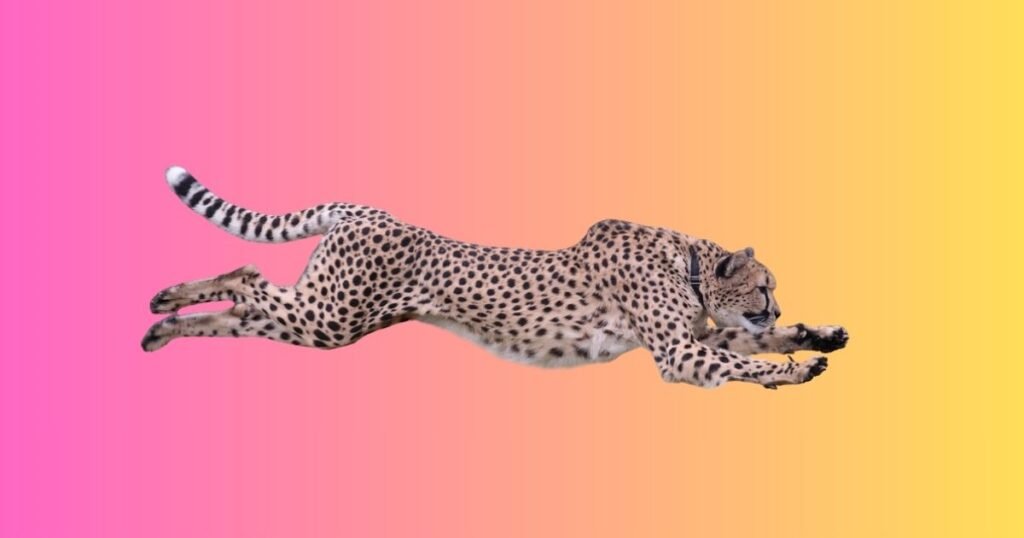
Beyond mere speed, the cheetah’s lightweight frame and flexible spine are essential for its agility. Each stride becomes a dance as it navigates through tall grasses, effortlessly adjusting its course to chase prey. Watching this magnificent creature gallop across the savannah is not just an awe-inspiring sight; it’s a reminder of the intricate balance of speed and strategy in the animal kingdom.
Final words
Galloping animals not only highlight the wonders of evolution but also bring joy and inspiration to people everywhere. Whether you’re watching a horse race or observing a zebra in its natural habitat, the thrill of their movement is truly breathtaking.
Each gallop tells a story of adaptation and resilience, showing us how these animals navigate their environments. As we learn more about the creatures that share our world, let’s also remember to protect their habitats and the ecosystems they thrive in. So, go out and explore the wilds, who knows what amazing gallopers you might encounter!
FAQs
What are the Five Animals that Gallop?
Galloping is a distinctive gait primarily associated with certain animals. Here are five key animals that exhibit this dynamic and powerful movement:
Horse
zebra
Cheetah
Deer
Kangaroo
Does a Giraffe Gallop?
Yes, giraffes can gallop! Despite their long legs and towering height, they have a unique way of moving. When they gallop, they actually have a two-beat gait. However, they don’t gallop as frequently as other animals.