Weird Animals Explained: The Most Unusual Creatures on Earth
Have you ever encountered a creature so unusual that it left you questioning how it even exists? Welcome to the fascinating world of weird animals, where nature defies logic and expectation.
In this guide, we’ll dive into some of the most extraordinary beings on Earth, uncovering their remarkable adaptations and the vital roles they play in their ecosystems. By the end, you’ll not only marvel at these bizarre forms of life but also develop a deeper appreciation for the wonders of our planet.
What Makes an Animal “Weird”?
An animal is called “weird” when it looks or acts differently from what we usually see. This happens because we are more familiar with common animals such as cats, dogs, and birds. But weird animals are totally different creatures in the world.
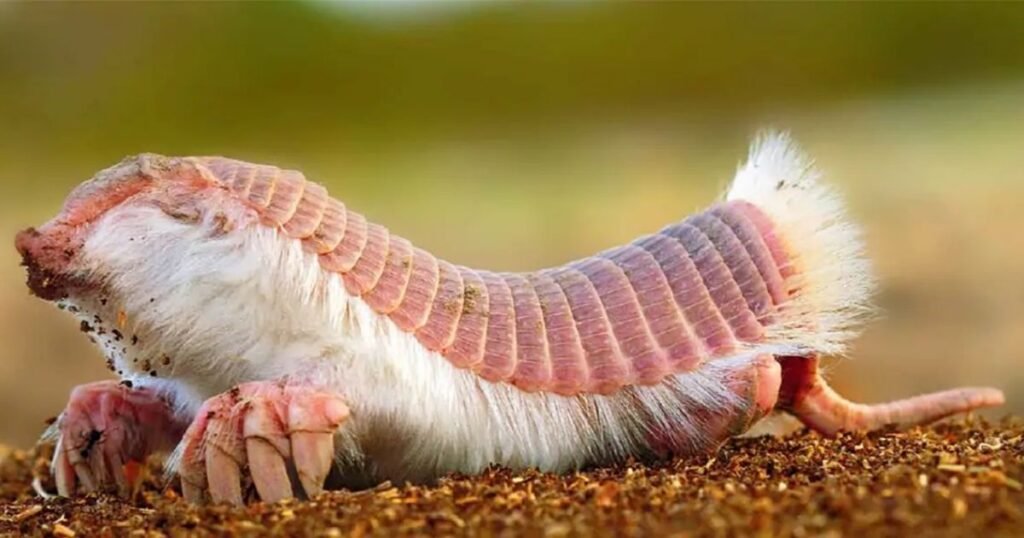
For example, the axolotl may look strange because of its feathery gills, but these help it breathe underwater. In the same way, the platypus looks unusual with its duck-like bill, webbed feet, and egg-laying habit. However, all these features help it live and survive in its environment.
List of Weird Animals
- Tarsier
- Goblin Shark
- Fossa
- Star-nosed Mole
- Saiga Antelope
- Leafy Sea Dragon
- Okapi
- Pangolin
- Glass Frog
- Dumbo Octopus
Tarsier
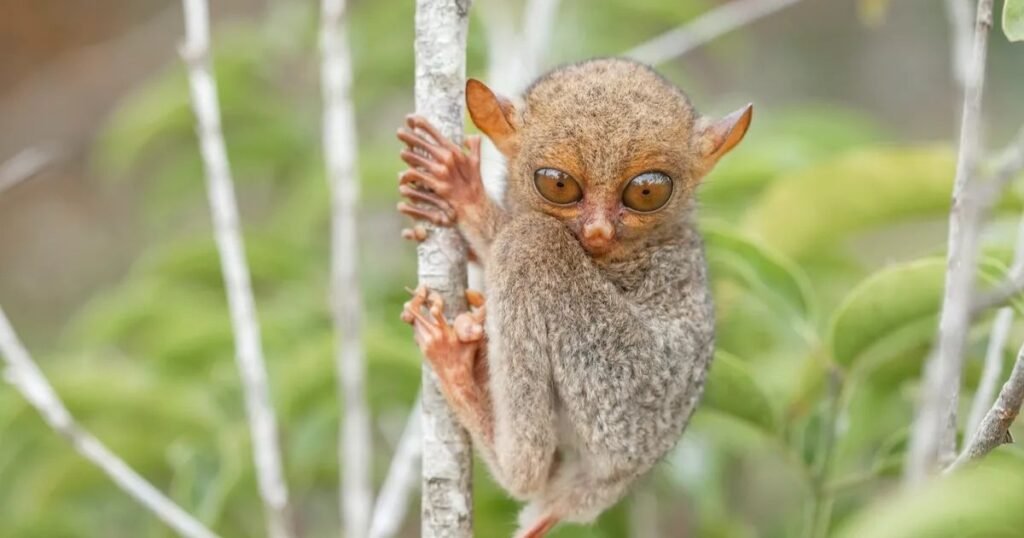
With enormous eyes and the ability to turn its head nearly 180 degrees, the Tarsier is not just cute; it is a nocturnal animal. Found in Southeast Asia, its large eyes help it see clearly at night, making it an excellent hunter of insects and small animals. The eyes of this weird animal make it strange.
Goblin Shark
This deep-sea dweller’s unique, protruding jaw is as unsettling as it is fascinating. Often referred to as a “living fossil,” the Goblin Shark is one of the most bizarre sharks, showcasing how evolution can produce creatures that seem like they belong in science fiction rather than our oceans.
Fossa
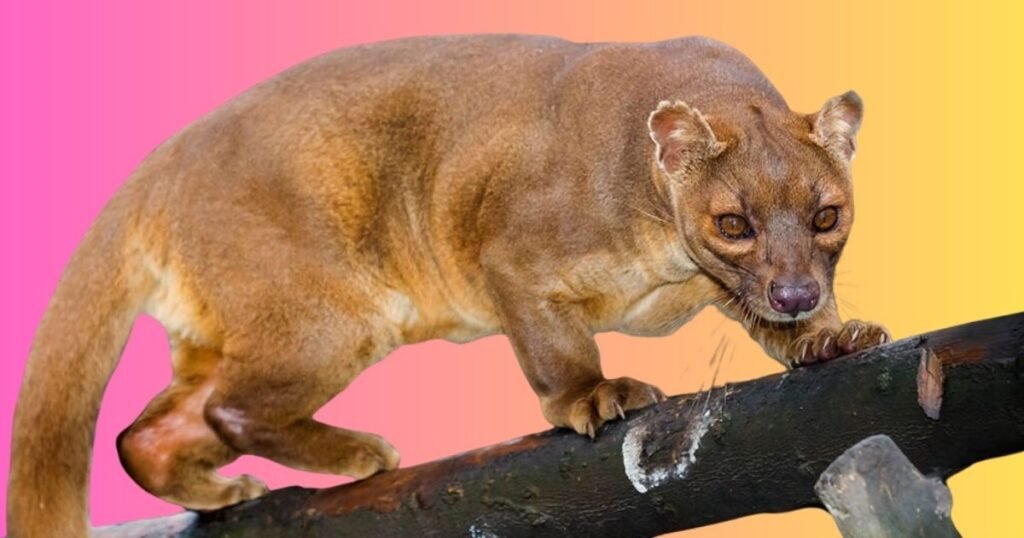
Resembling a mix between a cat and a mongoose, the Fossa is Madagascar’s top predator. This agile creature is an expert climber, using its long tail for balance as it leaps from tree to tree, hunting lemurs and other small animals.
Star-nosed Mole
This peculiar mole is easily identifiable by its star-shaped snout, which is covered in highly sensitive tentacles. The Star-nosed Mole can detect and consume prey at lightning speed, showing how adaptability is key in its dark, subterranean world.
Saiga Antelope
With its distinctive bulbous nose, the Saiga Antelope has evolved this feature to help filter out dust while running at high speeds across the steppes of Central Asia. Unfortunately, this fascinating animal is critically endangered due to poaching and habitat loss.
Read more:Ugly Animals: Beauty Isn’t Everything
Leafy Sea Dragon
Mimicking seagrass with its extravagant leaf-like appendages, the Leafy Sea Dragon is both a master of disguise and a lesser-known member of the seahorse family. Not just a camouflage expert, it’s also a symbol of marine biodiversity in Australia.
Okapi
Often dubbed the “forest giraffe,” the Okapi boasts striking zebra-like stripes on its legs, which help it blend into the dense rainforest. Despite being native to the Democratic Republic of Congo, many people remain unaware of this elusive creature’s existence.
Pangolin
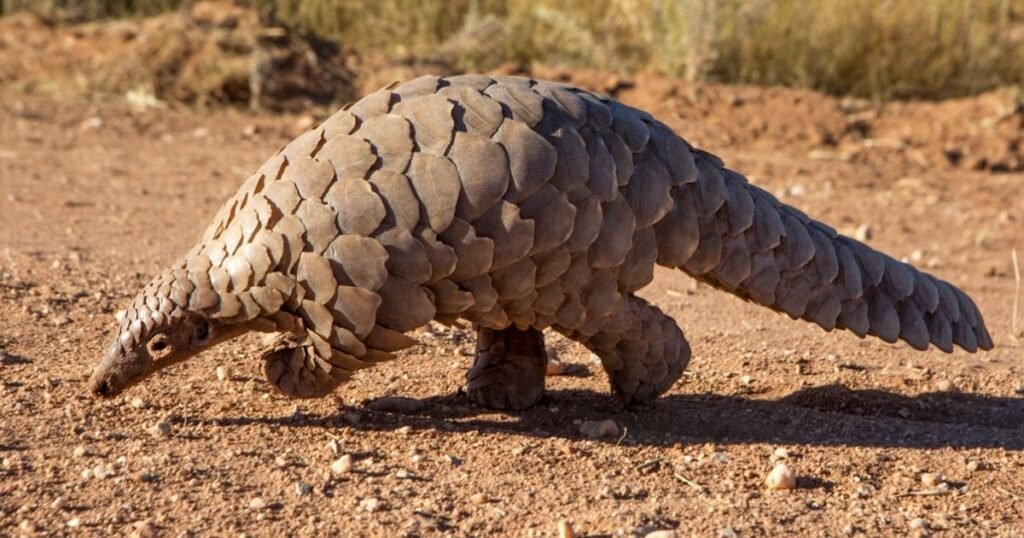
Known for its protective keratin scales, the Pangolin is often seen as a real-life armadillo. Highly sought after for the illegal wildlife trade, these creatures are more than just their armor; they play a vital role in controlling insect populations.
Glass Frog
This intriguing amphibian is known for its translucent skin, which allows you to see its internal organs. The Glass Frog serves as a fascinating reminder of the complex adaptations that can arise in nature, gaining both beauty and vulnerability through its uniqueness.
Dumbo Octopus
Named for its ear-like fins that resemble the Disney character, the Dumbo Octopus thrives at extreme depths, showcasing the adaptability of life in the ocean’s darkest realms. Its ability to glide gracefully through the water exemplifies the enigmatic beauty of the deep-sea ecosystem.
Importance of Weird Animals
These unique creatures can act as indicators of environmental health. Their presence or absence can signal changes in habitat conditions, guiding conservation efforts and helping us understand the impacts of climate change.
By studying weird animals, scientists gain a better understanding of evolution, which can lead to new ideas in technology, such as biomimicry, where nature inspires human inventions. These ideas are beneficial in a world facing environmental challenges. These unique creatures are not just interesting; they are important parts of life on Earth.
Threats to Unusual Creatures
Many weird animals are in danger because of habitat loss, pollution, and climate change. For example, the Axolotl is a unique amphibian found in Mexico. It is now facing danger because the water in its natural habitat is getting polluted.
As its home becomes more harmful, its survival is at risk. This is why protecting it is very important, not only for the axolotl but also for the health of the water ecosystem it lives in. This is why conservation is very important. Protecting clean water, reducing pollution, and saving natural habitats can help these animals survive.
Final words
We observe the world is teeming with incredible and weird animals that challenge our understanding of nature. From the colorful axolotl to the bizarre yet adorable blobfish, each creature has its own unique adaptations and quirks that make them special. These unusual beings serve as a reminder of the diversity of life on our planet and the importance of preserving their habitats.
By learning about these fascinating animals, we can develop a deeper appreciation for the natural world around us. So, why not take a moment today to explore your local park or aquarium and discover the strange wonders that nature has to offer, and help protect them?
FAQs
What is the Most Unusual Animal?
One of the most unusual animals is the Axolotl. This fascinating amphibian, also known as the “Mexican walking fish,” can regenerate its limbs, spinal cord, and even parts of its heart and brain.
Do Animals Dream when they Sleep?
Yes, animals do dream when they sleep. Research shows that many species, including dogs and cats, experience REM (rapid eye movement) sleep, which is the stage associated with dreaming in humans. During this time, their brains exhibit similar patterns to those of dreaming humans, indicating that they likely process experiences and emotions just like we do.