Ugly Animals: Beauty Isn’t Everything
From the wrinkly, lovable naked mole rat to the bizarre-looking blobfish, these creatures may not win any beauty contests, but they play essential roles in their habitats. Did you know that some of the world’s most “ugly” animals are also critical to our ecosystem?
This guide dives into the fascinating world of ugly animals, revealing how their unique adaptations and quirks contribute to the health of our planet. You’ll discover not just their importance, but also how embracing their beauty, or lack thereof, can shift our perspective on nature.
What Makes an Animal “Ugly”?
When we think about “ugly animals,” it often stems from our human biases regarding beauty. This perspective is shaped by cultural norms that associate beauty with traits like symmetry, vibrant colors, and graceful movements.
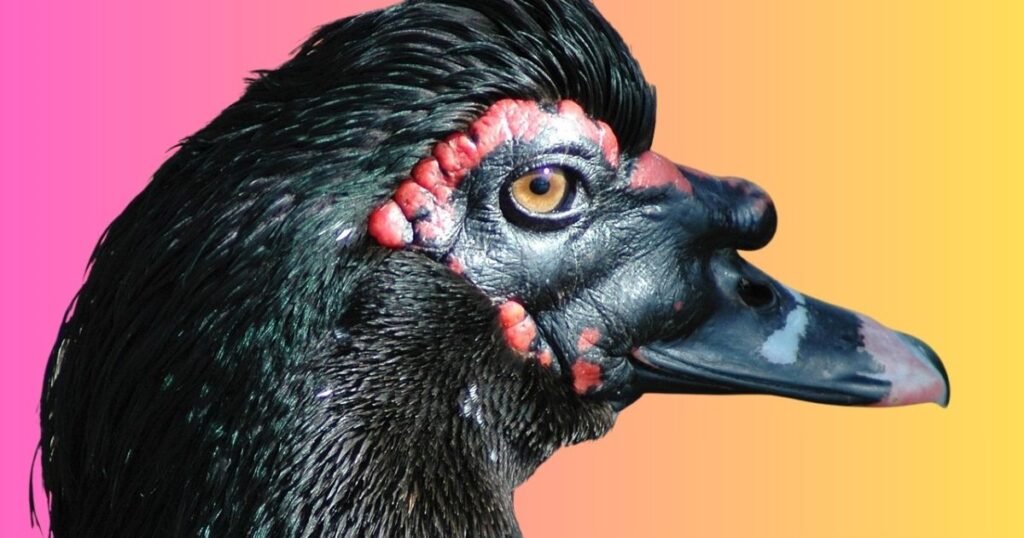
Yet, creatures like the naked mole rat or the anglerfish remind us that nature’s design serves a purpose beyond aesthetics. These “ugly” characteristics can be practical adaptations; the naked mole rat, with its wrinkled skin, is perfectly suited for a subterranean life, while the anglerfish’s grotesque lure is an ingenious hunting mechanism.
List Of Ugly Animals
Below is the list of ugly animals.
- Blobfish
- Aye-aye
- Naked mole rat
- Proboscis monkey
- Star-nosed mole
- Goblin shark
- Anglerfish
- Horseshoe bat
- Warthog
Blobfish
Blobfish epitomizes the intrigue surrounding ugly animals and challenges conventional beauty standards in the animal kingdom. Often labeled as the “world’s ugliest fish,” this peculiar creature lives deep in the ocean, where immense pressure shapes its gelatinous body into a unique form, allowing it to navigate its harsh environment effortlessly.
Its appearance, characterized by a droopy visage and an unsettlingly slack demeanor, sparks fascination and curiosity, prompting many to reconsider what defines beauty in nature.
Aye-aye
The aye-aye, often labeled as one of the ugliest animals on the planet, challenges our perceptions of beauty in the natural world. With its large, expressive eyes and elongated middle finger, this Madagascar native isn’t just an oddity; it’s a master of survival.
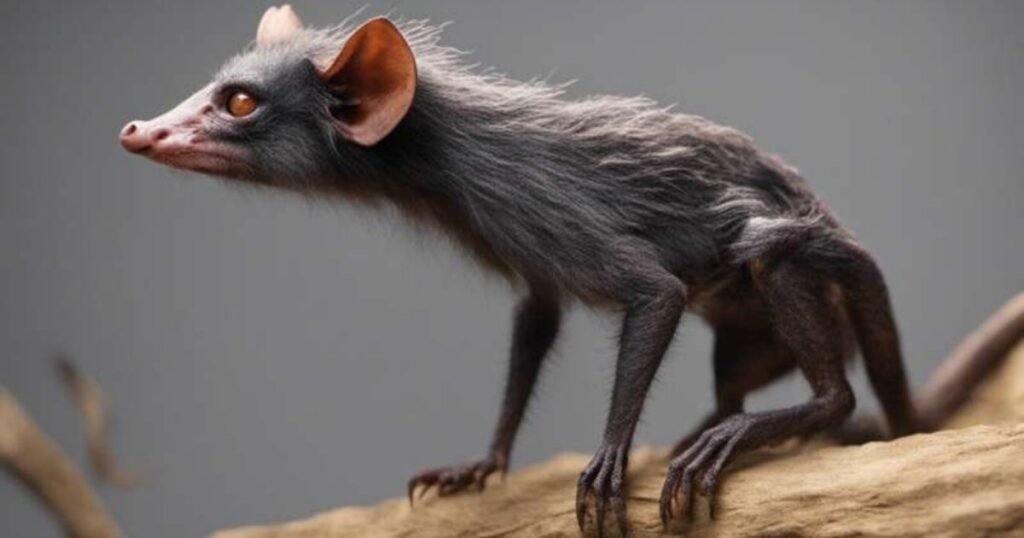
Its unique method of finding food, known as percussive foraging, allows it to tap on tree bark and listen for the echoes of larvae beneath the surface. This eerie behavior often elicits fear and superstition among locals, leading to its unjust reputation as a harbinger of misfortune.
Naked mole rat
The naked mole rat might top the charts of the ugliest animals, but its peculiar adaptations are redefining what we consider evolutionary success. These hairless, wrinkled creatures thrive underground in tight-knit colonies, exhibiting social structures reminiscent of those of bees and termites. Their cooperative behavior not only enhances survival but also alters our understanding of mammalian social dynamics.
Proboscis monkey
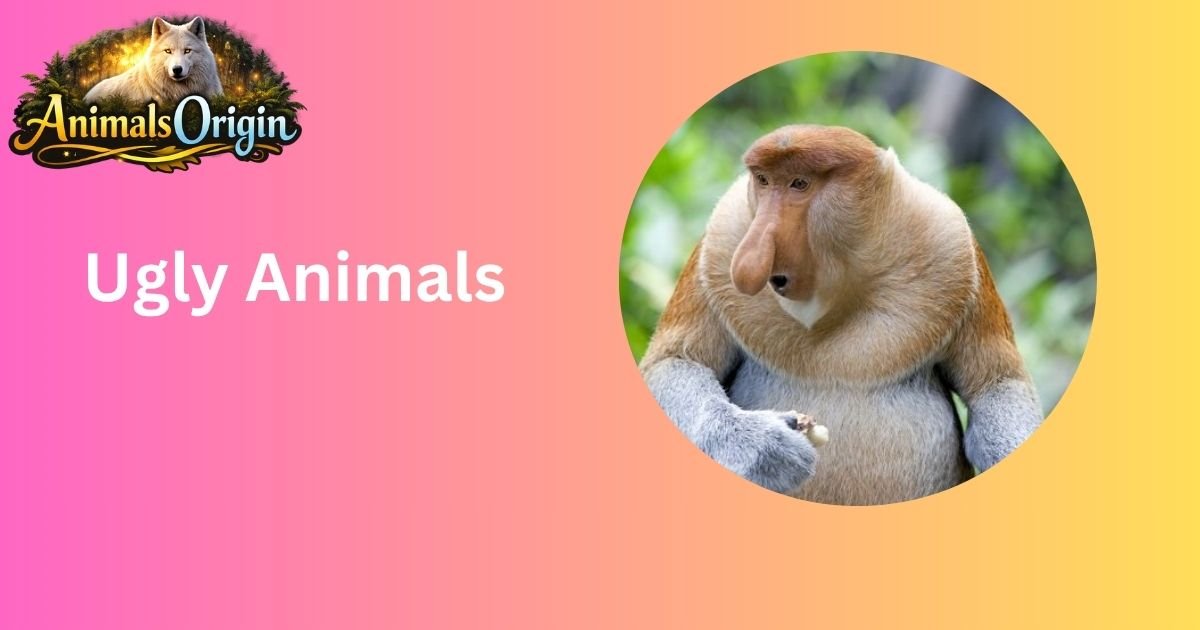
The proboscis monkey, often labeled as one of nature’s “ugly animals,” offers more than just a unique appearance. Its oversized nose, which can stretch several inches long, plays a crucial role in attracting mates and establishing social hierarchies within its troop. This feature, while unconventional, exemplifies the diverse evolutionary pathways that prioritize reproduction over conventional beauty.
Star-nosed mole
The star-nosed mole is often deemed one of the ugliest animals on the planet, but its unique adaptations tell a different story. This small, burrowing mammal boasts a remarkable array of sensory organs, 22 pink, fleshy tentacles surrounding its snout, which it uses to detect prey in complete darkness. By rapidly touching surfaces, it can identify food in less than a quarter of a second, showcasing an extraordinary sense of touch unmatched in the animal kingdom.
Goblin shark
The goblin shark is often heralded as one of the ocean’s ugliest animals, with its peculiar elongated snout and strange, protruding jaw that can snap forward to catch prey in an instant. This deep-sea dweller, often referred to as a “living fossil,” is not just bizarre in appearance but also an evolutionary marvel. Its unique adaptations make it an expert ambush predator, utilizing its elastic jaws to capture fish and squid with stunning speed.
Anglerfish
Anglerfish are often crowned the poster child for “ugly animals, having their ghastly appearance, oversized mouths, and bizarre, bioluminescent lures. But beneath this grotesque facade lies a masterful predator finely tuned to the dark depths of the ocean.
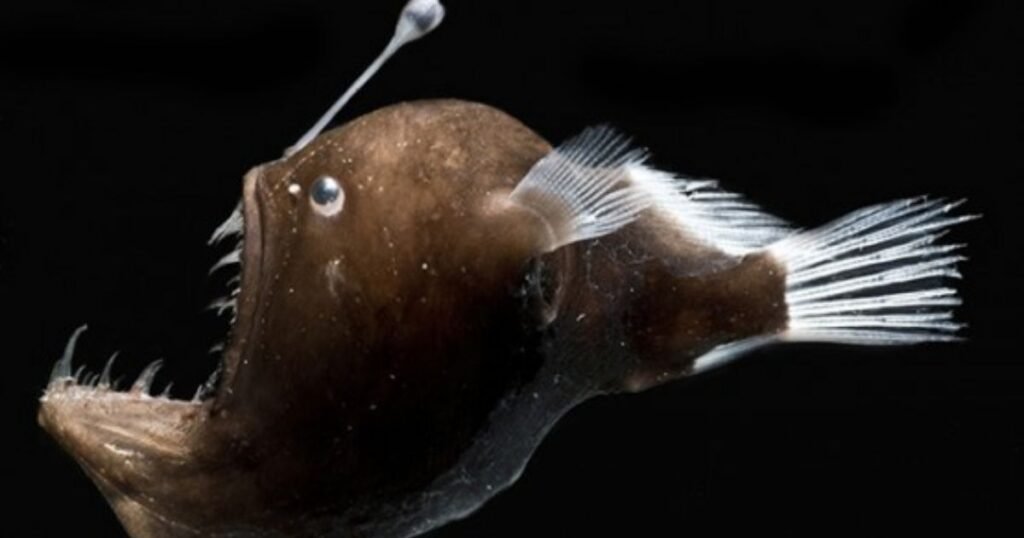
Their lures, which resemble glowing bait, attract unsuspecting fish, demonstrating an evolutionary strategy so effective it’s almost surreal. This ingenious adaptation not only showcases nature’s creativity but also underscores the harsh realities of survival in a world where, in such situations, beauty and glamour mean little compared to survival.
Horseshoe bat
The horseshoe bat, often labeled as one of the “ugly animals” of the animal kingdom, possesses an aesthetic that’s far from conventional. With its distinctive facial structure, complete with a horseshoe-shaped nose leaf, this creature might not win any beauty contests, but its unique adaptations are fascinating. This peculiar feature plays a crucial role in echolocation, allowing them to navigate and hunt for insects in complete darkness with pinpoint precision.
Also read more: Animals with Big Ears; Wonders of Wildlife
Warthog
Warthogs, often labeled among the “ugly animals,” offer a unique beauty in their ruggedness. Their large tusks protruding from their snouts and coarse, bristly hair give them an undeniably fierce look, but these features serve practical purposes. The tusks are vital for foraging and defense, while their tough skin protects them from the harsh environments of African savannas.
Why “Ugly” Animals Matter
When we think of wildlife, images of majestic lions or graceful dolphins often come to mind, overshadowing the ugliest animals in the world. Yet, these creatures play vital roles in their ecosystems. For instance, the vulture, often unattractive, is nature’s clean-up crew, preventing the spread of disease by consuming carrion. Their existence not only supports overall ecosystem health but also showcases the interdependence of all living beings.
Beauty Beyond Appearance
The ugliest animals in the world often spark a mix of aversion and curiosity. Yet, looking beyond physical traits allows us to appreciate animals for what they truly are. The axolotl, for example, may not win any beauty contests, but its extraordinary regenerative abilities and role in ecosystems highlight a fascinating complexity.
Changing Our Perspective
Changing our perspective can unlock profound insights, especially when it comes to appreciating what we often overlook. Take ugly animals, for example. Creatures like the naked mole rat or the axolotl may not win any beauty contests, but they have fascinating adaptations that showcase nature’s ingenuity. By shifting our focus from conventional standards of beauty to the unique traits that enable survival, we start to appreciate the complexity and diversity of life forms.
Final Words
In the final words, our perception of beauty is often clouded by societal standards that value certain traits over others. Ugly animals, with their unique features and quirks, remind us that beauty truly lies in diversity.
These creatures play an important role in maintaining ecological balance, demonstrating that every living organism has significance in the natural world. Instead of dismissing them for their looks, let’s celebrate their uniqueness and the fascinating stories they tell. Next time you encounter an “ugly” animal, take a moment to appreciate its charm and the role it plays in our planet’s rich tapestry.
FAQs
What are the Ugly 5 African Animals?
The “Ugly 5” refers to five animals that are often considered less conventionally beautiful but have their own unique charm. These include the aardvark, the warthog, the hyena, the marabou stork, and the vervet monkey. Each of these species has distinct features that might not align with traditional notions of beauty.
What is the Hideous Animal in the World?
Beauty is subjective, but many people consider the blobfish to be one of the hideous animals on the planet. Known for its droopy appearance and gelatinous texture, this deep-sea fish often looks like a sad, deflated balloon when brought to the surface. Its unappealing visage is a result of living in deep waters where pressure is much higher.