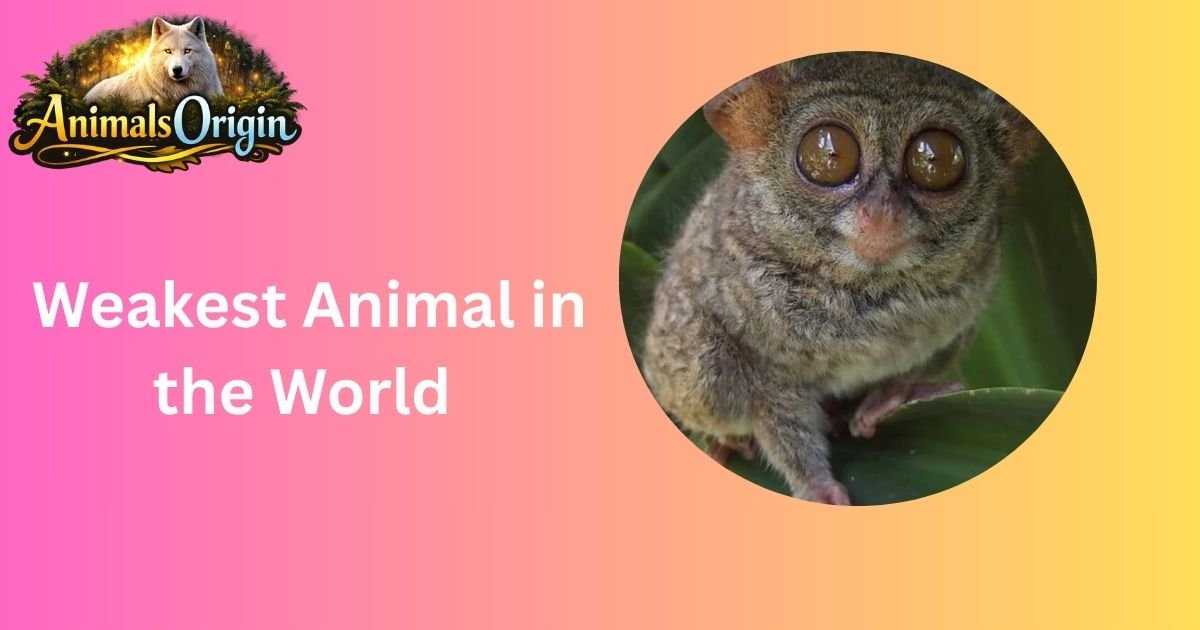
Weakest Animal in the World: A Guide to Earth’s Least Powerful Inhabitants
Have you ever wondered what the weakest animal in the world is? You might be surprised to learn that it’s not a small bug or a shy creature; it’s an amazingly tough being that changes our understanding of what counts as strength.
In this article we’ll look at the powerful animals on our planet showing their special ways of adapting and how they survive even though they are weak. By the end you’ll have an appreciation for natures underdogs and see why every creature, no matter how weak is important in our ecosystem.
What Makes an Animal Physically Weak?
The world of nature is really interesting. When people talk about the weakest animal in the world, they usually feel curious and want to help. You might think of an animal like a hedgehog when you hear the word powerless. Being weak is not just about being small or not having strong muscles. It is also about how animals live in their environment. For example, the Kiwi bird is very small. Cannot fly. It lives in a place where there are no animals that can hurt it. So even though it seems weak, it is actually safe. This shows that being weak can sometimes be a thing.
The jellyfish is another example. It does not have a brain and cannot move on its own. It just goes with the water current. It is very fragile, but it can still survive. This shows that being weak does not mean you cannot survive. The jellyfish is actually very good at surviving because it is simple. When we look at animals like the Kiwi bird and the jellyfish, we see that being weak is not always a thing. Sometimes animals that seem weak can actually be very good at surviving. This is because they have found ways to live in their environment.
The Top 5 Contenders for the Weakest Animal in the World
Here are the 5 contenders for the weakest animal in the world:
- Hedgehogs
- Sea Cucumber
- Star- Moles
- Koalas
- Goats
Hedgehogs
With their cute quills, hedgehogs often find themselves weak against the weather and predators. Their instinct is to curl up into a ball, relying on their armor, but this can be a problem. They can easily be overwhelmed by animals and struggle to move through harsh environments.
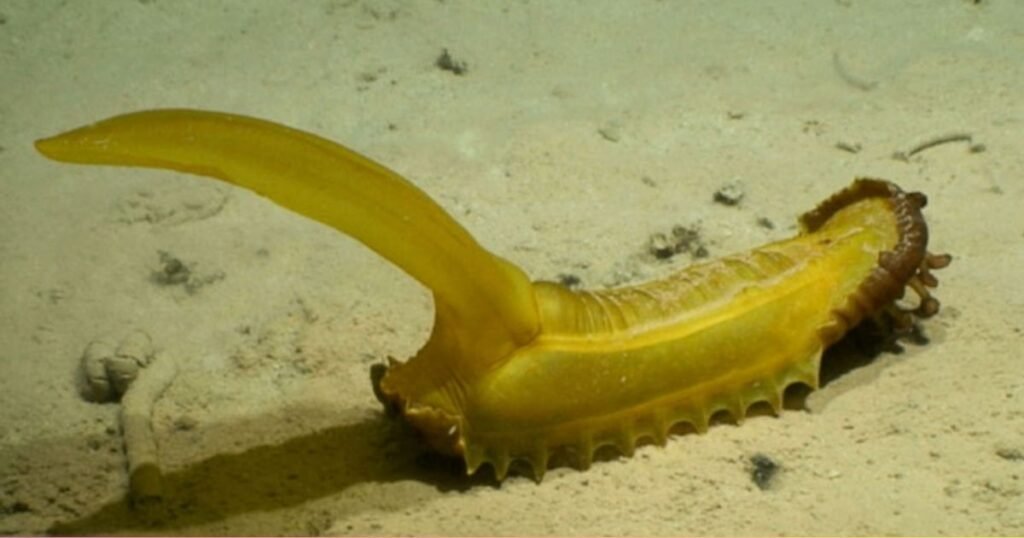
Sea Cucumbers
These strange sea creatures might look weird. They are weak because they don’t move much. With their bodies and little defense, sea cucumbers depend on hiding and passive behavior to survive. When threatened, they release their organs, which is a self-destructive defense that shows just how fragile they are.
Star-nosed Moles
Although their special snouts are designed for finding food, these moles are very clumsy on the ground. With eyesight and an inability to run fast, they are often easy prey for predators like owls and foxes.
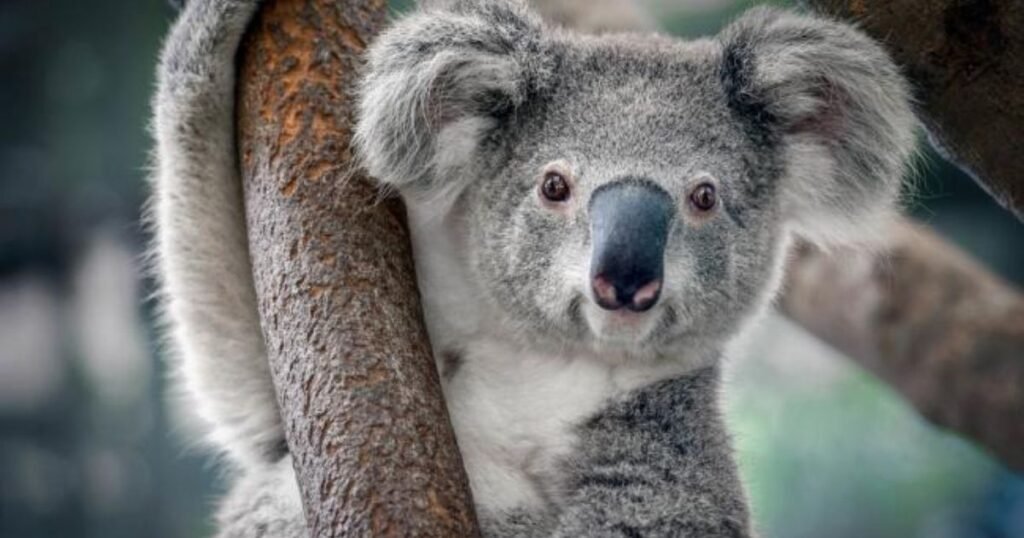
Koalas
With their love for eucalyptus, koalas are very slow and weak against threats. Their special diet limits their energy, leading to a lifestyle that makes them easy targets for predators.
Goats
While goats are often seen as strong and agile, there’s a twist to their strength. In times of stress their “fainting” reflex shows a weakness.
Survival Without Strength and How Fragile Species Stay
Survival is not about being strong; it’s often the smart ways that help you survive. Take the pinto horse, for example. It can sense danger. Run fast, which helps it stay safe from predators even though it’s not that big. The sea sponge is another example. It doesn’t look strong. It can filter water in a special way that helps it survive in places where other, more aggressive creatures can’t.
These examples show that being quick, sneaky, and able to adapt is often more important than being powerful. Even the weakest animals, like the glass frog, can be very good at surviving. This frog hides by looking like its surroundings, which helps it avoid predators. Its weakness actually helps it survive because it can stay safe without having to fight. It’s interesting to see that survival is often about avoiding danger rather than confronting it. In nature, we usually notice the animals, but the weak ones that use smart tactics and gentle ways can teach us a lot about how to survive in different ways. The underdogs, who use methods and soft approaches, teach us valuable lessons about life.
Read more: Animals With the Best Sense of Smell: Nature’s Most Elite Sniffers
Slow, Soft, and Vulnerable Evolution of the World’s Weakest Creatures
In life, weak creatures often tell stories of survival. Take the jellyfish, for example. It has a see-through body that floats through the ocean. The jellyfish may not be strong. It has evolved to live in many different places. Its weak body helps it survive because it can change and hide from predators in its world. The bumblebee bat is another example. It is one of the mammals on Earth, weighing just two grams.
You might wonder what the weakest animal is. This tiny bat shows how amazing evolution can be. Its light body helps it fly fast to catch insects. This proves that being weak does not mean being helpless. Instead, slow and small changes can lead to strength in a complex world. The jellyfish and the bumblebee bat show us that being weak can actually be a strength. Thrive in their own ways.
Why Being the Weakest Animal Does Not Mean Failing at Evolution
When we think about what the weakest animal in the world we might think of animals like the jellyfish or the starfish. These animals are not very strong. It is interesting to think that these animals do very well in their own worlds. They show us a kind of strength. The jellyfish has been around for over 500 million years. It has been a long time. It can survive even though its body is soft and made of jelly.
Some animals are good at hiding. The leaf insect is very good at hiding. It looks like a leaf. The Arctic krill is very good at staying alive in water. These animals are not strong. They are smart. They can hide from animals that want to eat them.
Being weak does not mean an animal is not good at surviving. The jellyfish is very good at surviving. It has been around for a long time. This means it is strong in its way. We should not think that being weak is bad. It can be a thing. It means an animal is very good, at living in its world. The jellyfish is an example of this. It is an old animal and it is still alive today.
Final Words
The weakest animals in the world are not as strong as other animals, but they are still very important. They help keep the Earth healthy. The sea sponge is an example of this. It filters the water in the ocean. The jellyfish is another example. It floats around in the water. It is a part of the ocean too.
These animals are special because they can do things that other animals cannot do. They show us that animals come in all shapes and sizes. So time you see an animal that seems weak, remember that it is still important. The weakest animals in the world have a place in the circle of life. We should appreciate the animals in the world and try to protect them. We need to take care of the earth and all the animals that live here, including the animals in the world.
FAQs
What are the Weakest Animals in the World?
The weakest animals in the world often have adaptations that make them less physically capable compared to others. For instance, creatures like the jellyfish or the sea sponge lack significant muscle strength and rely on currents for movement. Their soft bodies make them vulnerable to predators, yet their survival strategies, like stinging or filtering food, help them thrive despite their weaknesses.
What Animal is Known for Being Weak?
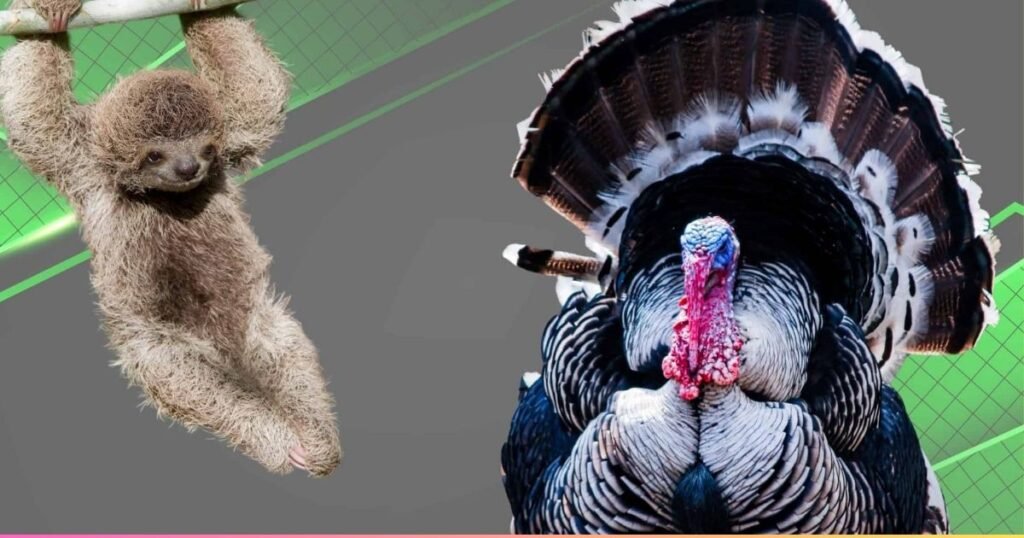
The animal often associated with weakness is the sloth. These slow-moving creatures have a reputation for being lethargic and are famous for their incredibly low metabolism. They spend most of their lives hanging upside down in trees, barely moving to conserve energy. This laid-back lifestyle has led many to perceive them as weak or vulnerable.