Scary Animals: The Fascinating Science Behind Our Biggest Fears
Have you ever felt really scared, stopped moving when you saw a spider or snake?
Scary animals have a way of triggering our deepest fears, but there’s a fascinating science behind why we react this way. It’s interesting to know why we feel this way. Knowing more about these creatures can help us see how important they are in nature. Maybe feel a little better.
In this article, we’ll look at why scary animals like spiders and snakes affect us the way they do, so you can feel more comfortable with what you know.
Evolution of Fear and Why Humans Fear Scary Animals?
Fear of scary animals has been a part of our lives for a very long time. A long time ago, people had to deal with animals like lions and bears that could hurt them. People who were afraid of these scary animals were more likely to stay alive and have kids. This fear is still inside us today. We still get scared when we see something that could hurt us.
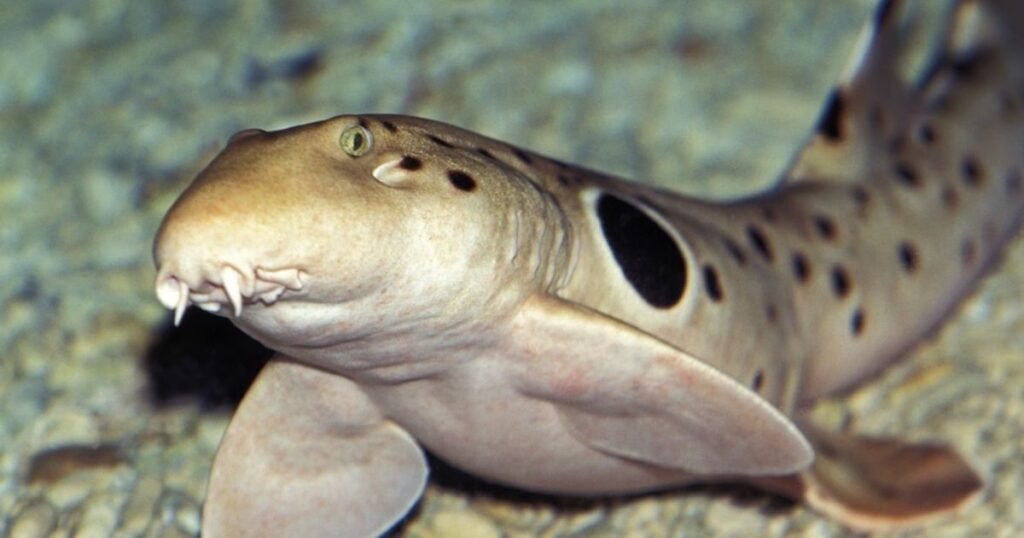
Weirdly, we are still scared of some animals even though they do not hurt us much anymore. Our fear of animals is not just about being scared. It is also about the stories we tell each other and the things we learn from our culture. We see animals in movies and hear stories about them that scare us. For example, when we see snakes or spiders in movies, it can make our skin crawl. We forget that these animals are important for the earth. Being afraid of animals is not just about staying alive. It is about what we learn from our parents and friends and what we see in the movies. It is a mix of what our body tells us to do and what our culture teaches us. This fear helps us understand the world around the animals that live in it.
List of Top 5 Scary Animals
Below is the list of scary animals
- Golden Poison Dart Frog
- Indian Red Scorpion
- Goblin Shark
- Giant Centipede
- Goliath Tigerfish
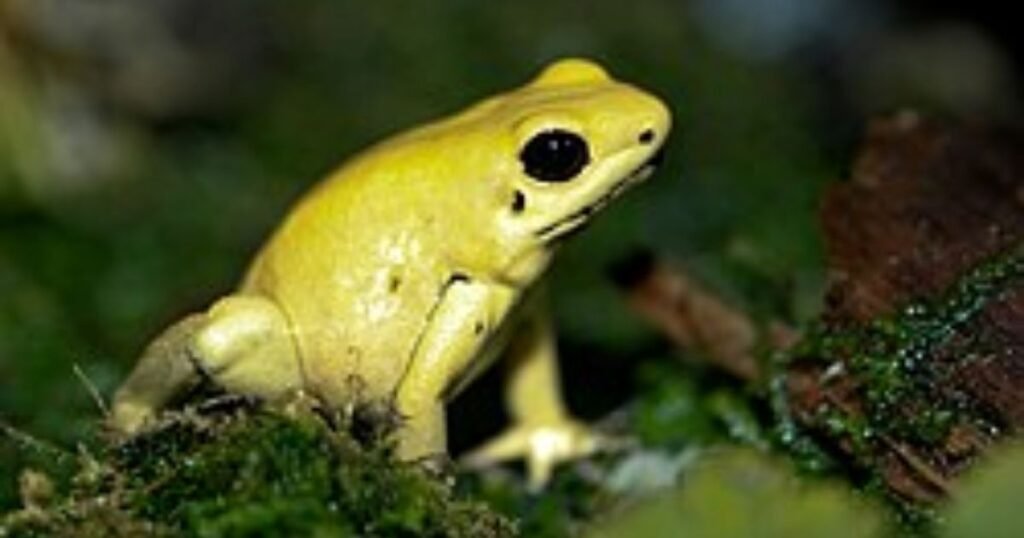
Golden Poison Dart Frog
Vibrantly colored yet incredibly deadly, the Golden Poison Dart Frog carries enough toxin to kill multiple adult humans. Found in the rainforests of Colombia, this tiny amphibian uses its bright hues as a warning, perfectly showcasing nature’s blend of beauty and peril. Despite their size, their poison serves as a potent reminder of the hidden dangers lurking in vibrant ecosystems.
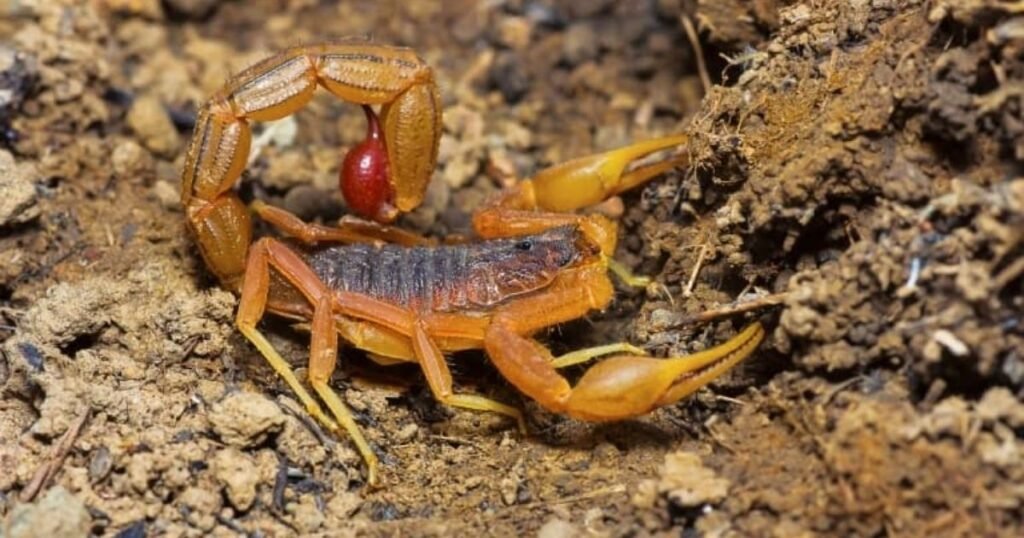
Indian Red Scorpion
Known as one of the most venomous scorpions on the planet, the Indian Red Scorpion possesses a sting that can cause severe pain and even death in extreme cases. This scorpion thrives in urban areas, making encounters more likely for unwary city-dwellers. Its ability to survive in harsh conditions speaks to the resilience and adaptability of fearsome creatures.
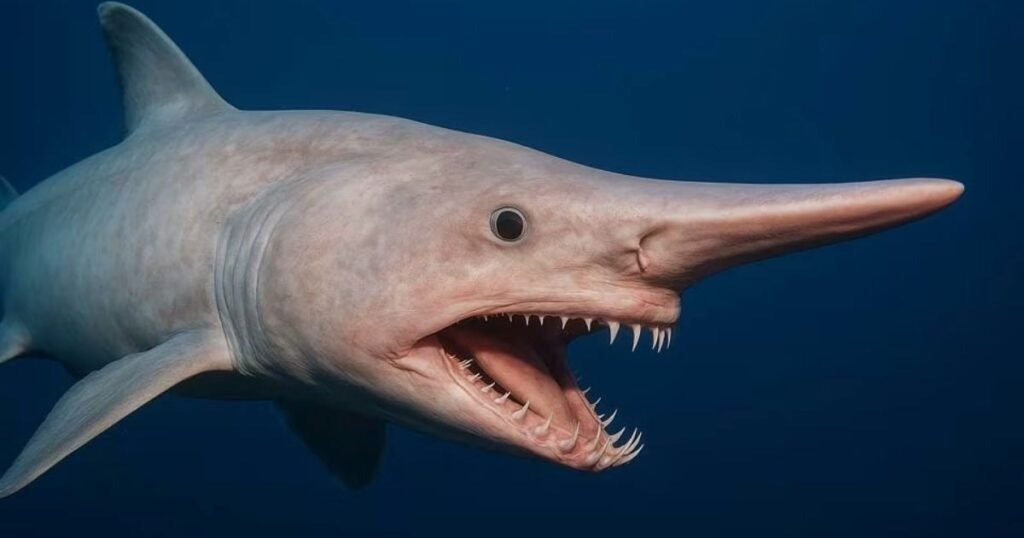
Goblin Shark
Often referred to as a “living fossil,” the Goblin Shark is a deep-sea marvel, with its unique, elongated snout and protruding teeth. Rarely seen by human eyes, this elusive predator uses its agility to capture prey in the dark depths of the ocean. Its grotesque appearance can send chills down your spine, challenging our usual perceptions of beauty in marine life.
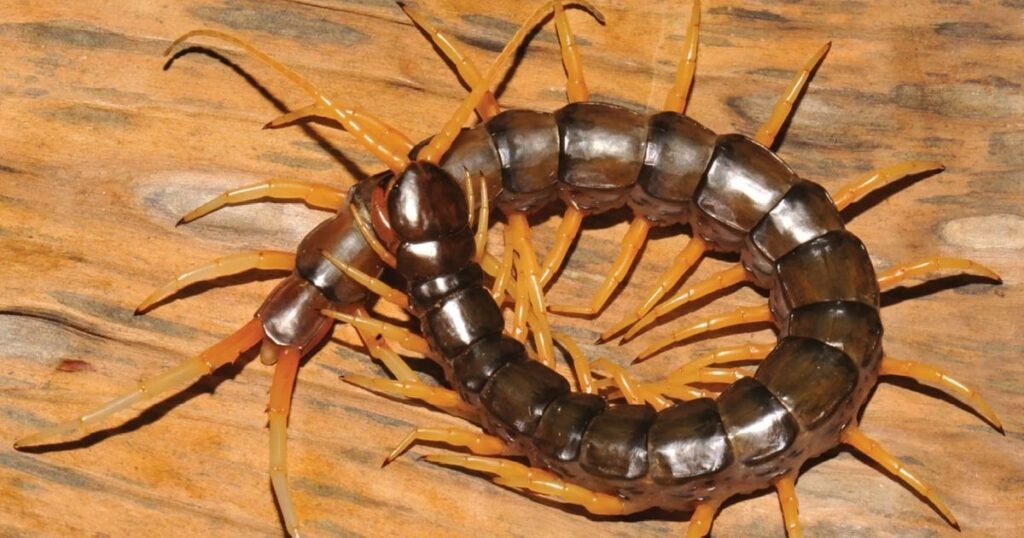
Giant Centipede
Measuring up to 12 inches long, the Giant Centipede is not just large but incredibly fierce. Its venomous bite can cause intense pain and swelling, a true nightmare for insect enthusiasts. Found in tropical regions, this multi-legged predator is known for its speed and agility, demonstrating that sometimes size isn’t everything; it’s the bite that counts!
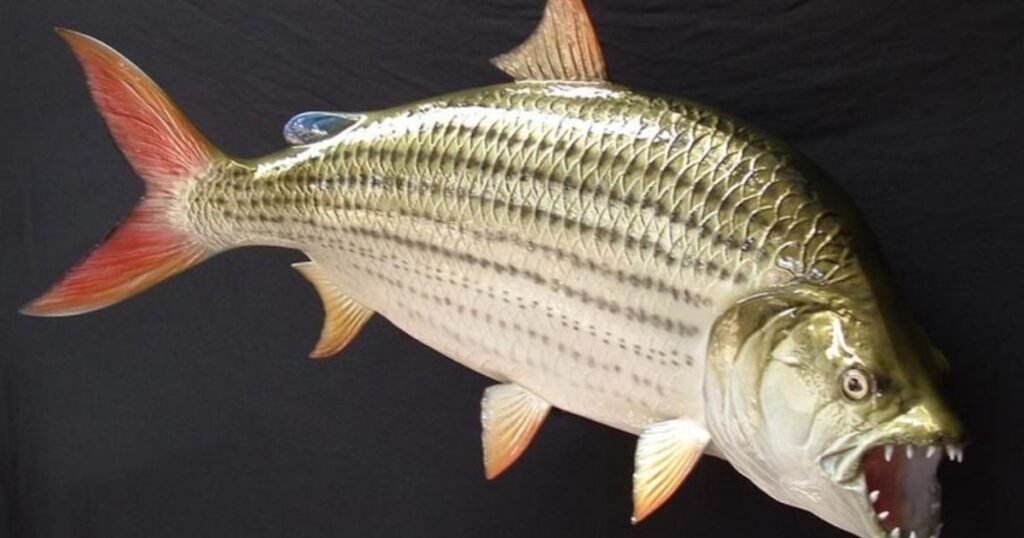
Goliath Tigerfish
Residing in the African Congo River, the Goliath Tigerfish is a ferocious freshwater predator famed for its razor-sharp teeth and powerful bite. Not only does it possess an intimidating appearance, characterized by its fierce demeanor and striking silver scales, but its hunting prowess makes it a top contender in its natural habitat. Encountering this beast can be both thrilling and terrifying, showcasing the raw power of nature’s most formidable aquatic hunters.
Dangerous Adaptations and the Science of Venom and Animal Weapons
Nature’s arsenal is really cool and also scary. It is full of animals that have developed extreme survival skills through some wild adaptations. Many creatures have developed features to protect themselves or show they are strong. For example, take the octopus. It does not change its appearance to blend in, but also pretends to be other poisonous sea creatures to keep predators away. This trickery shows how clever some animals are. The science of venom is not only about being poisonous but also about how animals use tricks to stay safe. The mimic octopus uses its ability to imitate creatures to survive.
As scientists learn more about these adaptations, they discover not only how the poison works but also how it affects how animals interact with others. The poison dart frog’s poisonous skin helps it survive. By understanding how these animal defenses work, we can appreciate how life on Earth is balanced. This balance makes the scary parts of nature not something to be afraid of, but also a sign of how amazing evolution is.
Deep Sea Monsters and Why Extreme Environments Create Terrifying Species
Deep in the ocean, where the sunlight does not reach, there are some scary animals. These animals are very strange and scary. They have changed to live in very extreme conditions. This shows how creative and strong nature is. Think about the anglerfish; it has a light on its head that it uses to catch other animals that do not know any better. Then there is the gulper eel, which can eat animals larger than itself. The dark water has changed how these animals look and how they hunt, which makes them very interesting and scary.
When we find a scary animal in the deep water, it reminds us that there is still too much that we do not know about our planet and the animals that live in the very harsh conditions of the deep ocean. The deep sea is home to scary animals, like anglerfish and the gulper eel, and it is still full of mysteries.
Read more: Weakest Animal in the World: A Guide to Earth’s Least Powerful Inhabitants
Arachnophobia and the Biological Reason Humans Fear Creepy Crawlies
Arachnophobia, the intense fear of spiders, is fascinating not just because of its prevalence but because of its deep biological roots. Evolutionarily speaking, our ancestors faced real threats from venomous creatures, making a healthy fear of scary animals like spiders a survival mechanism. The heightened sensitivity to these creepy crawlies likely helped our forebearers avoid potentially fatal encounters, a trait passed down through generations.
Interestingly, this fear isn’t just about the spiders themselves but also tied to our brain’s wiring. The amygdala, responsible for processing fear, can kick into overdrive at the sight of these eight-legged creatures. This swift reaction may explain why many people feel a chill creeping up their spine at the mere thought of a spider scuttling across the floor, even if there’s no real danger present. Understanding the biological underpinnings of arachnophobia can not only help those who suffer from it but also foster a greater appreciation for the role these often-maligned animals play in our ecosystems.
Survival Instincts vs Reality and Whether the Scariest Animals Are the Most Deadly
When we think of survival instincts, our minds often go to animals. Like, predators with sharp teeth hiding in the dark. The truth is different. Even though some animals look really scary, they are not necessarily the deadliest.
The box jellyfish, for example, looks harmless but is one of the most venomous creatures on Earth. Its sting can be extremely painful. Even kill in minutes. On the other hand, some animals that we find really scary, like lions or crocodiles, rarely meet humans.
It’s often the creatures that are a threat. For example, mosquitoes that spread diseases and cause millions of deaths. This makes us think again about what we consider dangerous in the wild. Maybe we should be more careful around threats that are hiding in plain sight rather than the loud animals that scare us. In nature, things are not always as they seem. There is a mix of survival instincts and real dangers, and they do not always match up.
Final Words
When we think about scary animals, we start to learn about why they scare us so much. These animals are often thought to be a way, but that is not always true. They can tell us a lot about how people lived a long time ago and why we do the things we do. Snakes have teeth that can hurt us, and owls make noises that can be really spooky. Each of these things shows us how animals have learned to survive and adapt.
Learning about these animals helps us understand why we are scared of them. It also helps us appreciate the world around us. So, the time you see an animal that scares you, remember that it is a part of the powerful natural world. Be curious and look closer. You might find something cool. Scary animals, like snakes and owls, are part of this world, and scary animals can be very interesting if we take the time to learn about them.
FAQs
What is the Most Horrifying Animal?
The title of “most horrifying animal” could easily go to the deep-sea anglerfish. With its grotesque appearance, featuring a bioluminescent lure that dangles in front of its enormous jaws, it’s like something out of a nightmare. Beyond just looks, its hunting method is utterly ruthless. It lures prey close with its glowing bait and captures them in a split second, showing no mercy.
Which Animal is Called a Silent Killer?
The term “silent killer” is often used to describe the box jellyfish. This creature is notorious for its potent venom, which can cause serious harm or even death within minutes of a sting. One of the most alarming aspects of the box jellyfish is that its sting may go unnoticed until it’s too late, as the pain is not always immediate. This makes it particularly dangerous for swimmers and beachgoers.