Animals With Big Noses: 15 Incredible Creatures with Oversized Snouts
Animals with big noses are some of the most fascinating features in the natural world. These oversized snouts are not just unusual; they serve essential purposes like helping animals hunt, forage, navigate, and communicate.
From the long trunk of the Asian Elephant to the hammer-shaped head of the Hammerhead Shark, big noses in animals come in many shapes and sizes. Creatures like the Proboscis Monkey and the Star-Nosed Mole showcase the incredible ways evolution designs snouts for survival. In this guidline we will discuss 15 incredible animals with big noses and their unique adaptations.
List Of Animals With Big Noses
- African Elephant
- Asian Elephant
- Proboscis Monkey
- Tapir
- Giant Anteater
- Baird’s Tapir
- Saiga Antelope
- Elephant Seal
- Mandrill
- Aardvark
- Star-Nosed Mole
- Swordfish
- Gharial
- Hammerhead Shark
- Long-Nosed Bat
Star-Nosed Mole
The Star-Nosed Mole is one of the most unusual mammals in the world. It is famous for the pink, star-shaped nose at the end of its snout, which has 22 tiny, flexible tentacles. These tentacles are packed with thousands of sensory receptors, helping the mole detect prey in complete darkness.
Found mainly in wet lowland areas of North America, this small mole feeds on insects, worms, and small aquatic animals. It is known as one of the fastest foragers in the animal kingdom, identifying and eating food in milliseconds. Its unique nose makes it perfectly adapted for underground life.
Hammerhead Shark
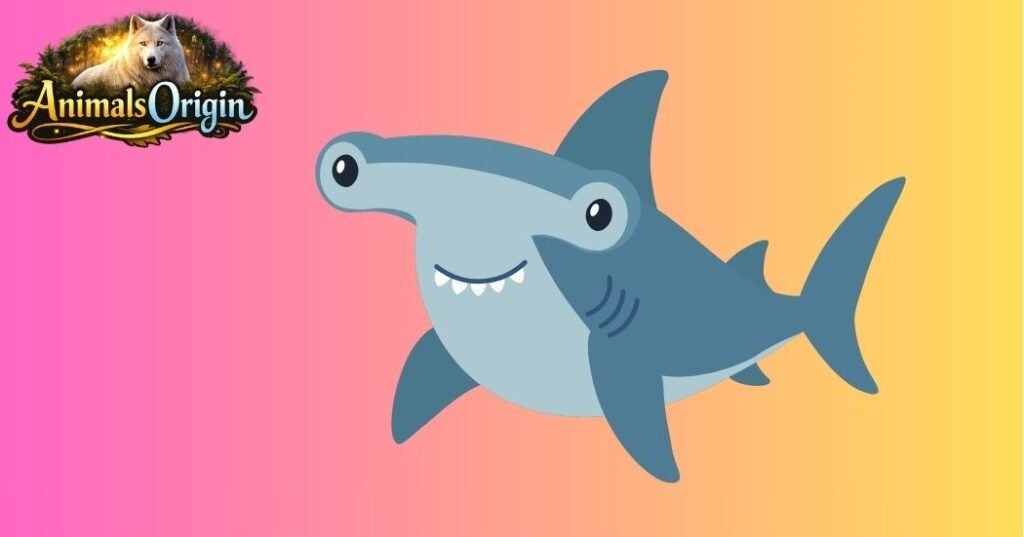
The Hammerhead Shark is one of the most recognizable sharks in the ocean due to its wide, hammer-shaped head. This unusual head, called a cephalofoil, gives the shark excellent vision and helps it detect prey using special electroreceptors. Hammerheads can detect tiny electrical signals from hidden animals, such as stingrays, buried in the sand.
They are found in warm coastal waters around the world and often swim in schools during the day. Depending on the species, hammerhead sharks can grow quite large and are skilled, fast swimmers. Their unique head shape makes them powerful and efficient ocean predators.
Swordfish
The Swordfish is a powerful and fast-swimming ocean predator known for its long, flat, sword-like bill. This sharp “sword” helps it slash through schools of fish, making hunting easier and more effective. Swordfish are found in tropical and temperate oceans worldwide and can swim at incredible speeds.
They can grow over 10 feet long and weigh hundreds of pounds. Unlike many fish, swordfish have a streamlined body built for speed and strength. They usually hunt alone, feeding on fish and squid. Their impressive size and speed make them one of the ocean’s most remarkable hunters.
Aardvark
The Aardvark is a unique nocturnal mammal native to sub-Saharan Africa. It is best known for its long, pig-like snout, which it uses to sniff out ants and termites. Its strong claws help it dig quickly into hard soil and termite mounds.
The aardvark’s sticky, elongated tongue can reach deep inside nests to capture thousands of insects in one night. It has large ears that help detect predators and a thick tail for balance. Although it looks similar to anteaters, it is not closely related to them. The aardvark plays an important role in controlling insect populations in its habitat.
Long-Nosed Bat
The Long-Nosed Bat is a fascinating species known for its elongated snout and tongue. This special nose helps it reach deep into flowers to drink nectar, making it an important pollinator. Found in parts of Mexico and the southwestern United States, it prefers desert and dry forest habitats.
Its long tongue can extend beyond its body length, allowing it to feed on agave and cactus flowers. The bat usually feeds at night and plays a key role in plant reproduction. Despite its small size, the long-nosed bat is vital for maintaining healthy desert ecosystems.
Elephant Seal
The Elephant Seal is one of the largest seal species in the world, famous for the male’s large, inflatable nose that looks like an elephant’s trunk. This big nose is used to make loud roaring sounds during the breeding season to attract females and warn rival males.
Elephant seals live in the cold coastal waters of the Pacific Ocean and spend much of their time at sea. They are excellent divers and can travel deep underwater in search of fish and squid. Despite their massive size and heavy bodies, elephant seals are surprisingly graceful swimmers in the ocean.
Giant Anteater
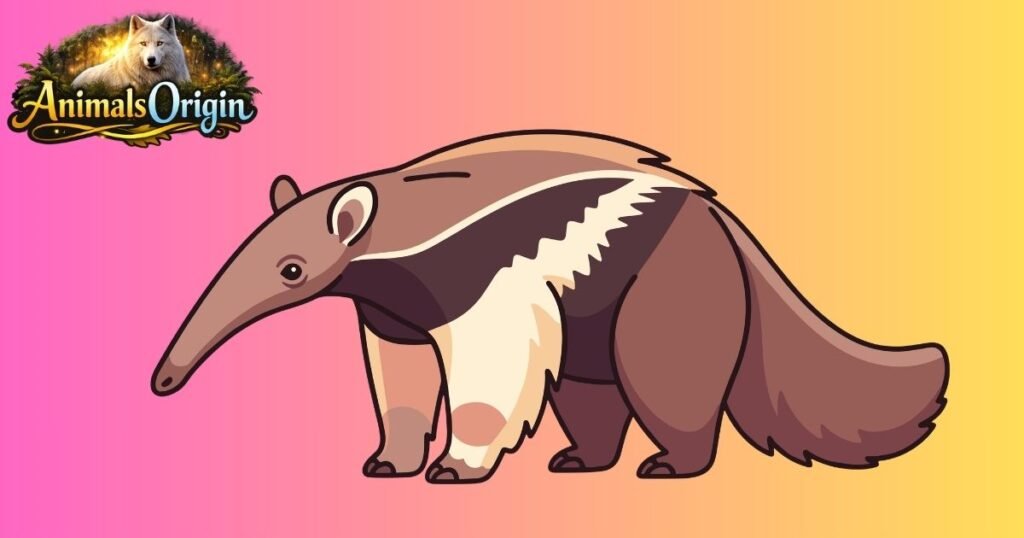
The Giant Anteater is a distinctive mammal native to Central and South America, easily recognized by its long snout and bushy tail. Its elongated nose houses a sticky tongue that can extend up to two feet, allowing it to capture thousands of ants and termites daily.
The giant anteater uses strong, curved claws to tear open insect nests and defend itself from predators. Despite its size, it is a slow-moving, solitary animal with long nose that prefers grasslands and forests. Playing a key role in controlling insect populations, the giant anteater is an essential species in maintaining ecological balance.
Asian Elephant
The Asian Elephant is a majestic mammal native to South and Southeast Asia, known for its large body, long trunk, and expressive ears. Its trunk is a versatile tool, used for drinking, grabbing food, communicating, and even bathing. Asian elephants live in forests, grasslands, and wetlands, often traveling in herds led by a matriarch.
They are herbivores, feeding on grasses, fruits, and bark, and can consume hundreds of pounds of vegetation daily. Highly intelligent and social, Asian elephants display emotions, strong memory, and problem-solving abilities. They play a vital role in their ecosystems by dispersing seeds and maintaining forest health.
Read More: Big Appetites: 14+ Animals That Eat A Lot In The Wild
Proboscis Monkey
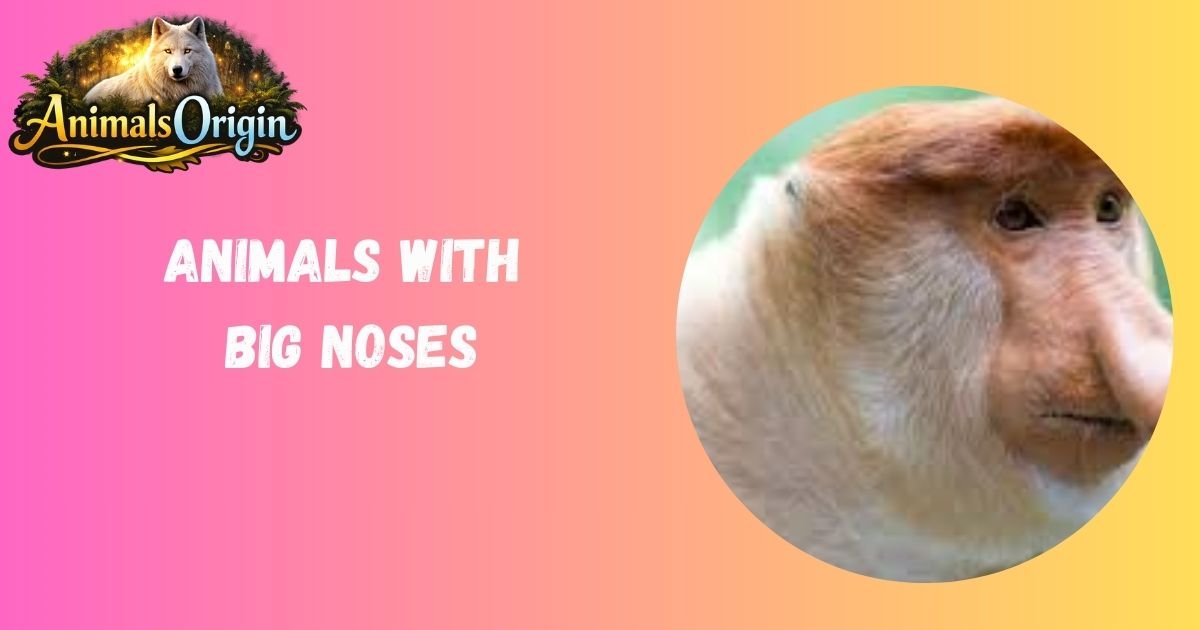
The Proboscis Monkey is a unique primate native to the mangrove forests and riverbanks of Borneo. It is famous for its large, pendulous nose, especially in males, which is believed to help amplify vocalizations and attract mates. Proboscis monkeys have reddish-brown fur, long tails, and webbed feet, making them excellent swimmers.
They live in social groups and feed mainly on leaves, fruits, and seeds. Despite their unusual appearance, they are agile climbers and can leap between trees with ease. This species plays a crucial role in seed dispersal and maintaining the health of its forest habitats.
Gharial
The Gharial is a critically endangered crocodilian native to the rivers of India and Nepal, easily recognized by its long, narrow snout. This specialized snout is perfectly adapted for catching fish, their primary diet, and helps reduce water resistance while swimming. Male gharials have a bulbous growth at the tip of their snout, called a “ghara,” which amplifies mating calls.
Gharials spend most of their time in water but nest on sandy riverbanks. Once abundant, their populations have drastically declined due to habitat loss and fishing practices. They remain an important predator in maintaining healthy freshwater ecosystems.
Final Words
Animals with big noses are some of nature’s most fascinating and specialized creatures. From the elongated trunk of the African Elephant to the unique star-shaped snout of the Star-Nosed Mole, these remarkable adaptations serve crucial survival purposes. Big nose animals hunt easily, forage, communicate, or sense their environment more effectively.
Whether it’s the hammer-shaped head of the Hammerhead Shark or the long proboscis of the Proboscis Monkey, each is perfectly designed for its ecological niche. Studying these animals highlights nature’s incredible diversity and the clever ways species adapt to thrive in their habitats.
FAQs
Which Are The Animals With Long Noses?
Animals with long noses include elephants, proboscis monkeys, giant anteaters, and hammerhead sharks. These elongated snouts help them feed, hunt, and sense their environment more effectively.
Are Big Noses in Animals Dangerous?
Not usually. Big noses are adaptations for survival rather than weapons, though some, like the hammerhead shark’s head, aid in hunting prey effectively.
One Comment