Birds That Fly at Night: 15 Top Nocturnal Birds You Should Know
Ever wondered which birds fly when the sun goes down? Birds that fly at night might seem hard to find. They are really important in their homes. They help us see birdwatching in a way. In this article, we will talk about some birds that fly at night. We will share what we know about how they live and why they matter to our planet. By the end, you will like these birds that fly at night. These nocturnal birds are really interesting. They fly at night. That makes them different from other birds. Birds that fly at night are good for the environment. They help keep things balanced. So let’s learn more about birds that fly at night. They are fun to watch and learn about. Birds that fly at night are a part of nature.
Why Do Some Birds Fly at Night?
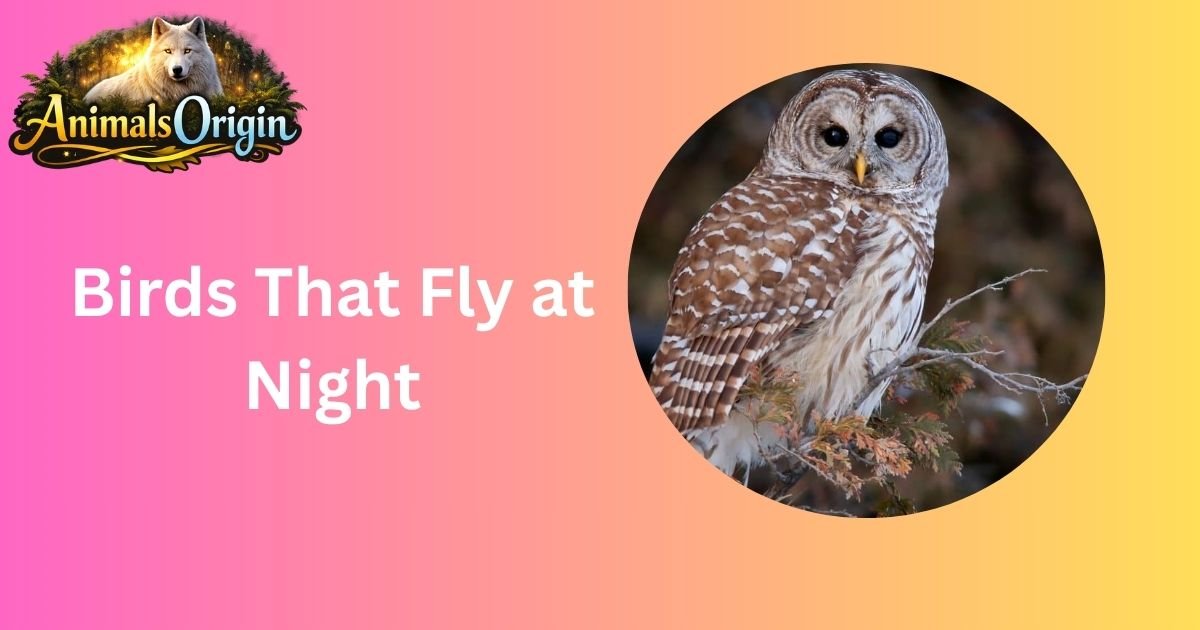
Some birds that fly at night, such as owls and nighthawks, have evolved to take advantage of the quieter, cooler hours when their prey is more active, and visibility is lower. This nighttime flight not only boosts their hunting efficiency but also helps them evade daytime predators. With their acute night vision and specialized hunting skills, these nocturnal flyers have carved out a niche that many diurnal birds can only dream of.
Additionally, flight patterns can be guided by lunar cycles; some birds use the moonlight for navigation, allowing them to cover vast distances under the starry sky. This unique lifestyle reveals a deep connection between these birds and their environment, showcasing nature’s adaptability in the face of various challenges.
Top 5 Owl Species That Fly at Night
Below is the list of 5 owl species that fly at night:
- Barn Owl
- Snowy Owl
- Great Horned Owl
- Eastern Screech Owl
- Tawny Owl
Barn Owl
Known for its distinctive heart-shaped face, the Barn Owl is a master of silent flight. With special adaptations in its feathers, it can hunt effectively in complete darkness, relying on its exceptional hearing rather than vision. This species thrives in open fields and farmlands, where it plays a crucial role in controlling rodent populations.
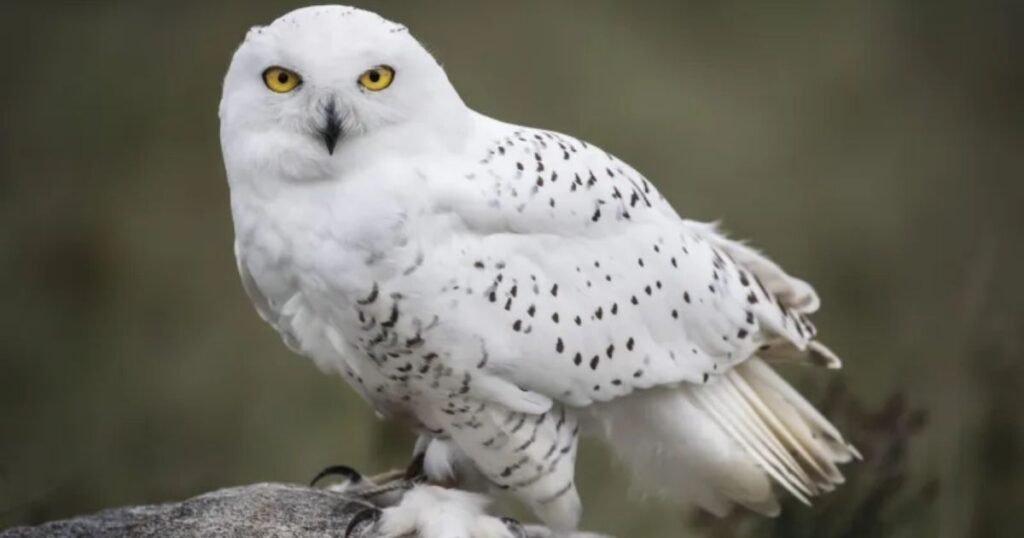
Snowy Owl
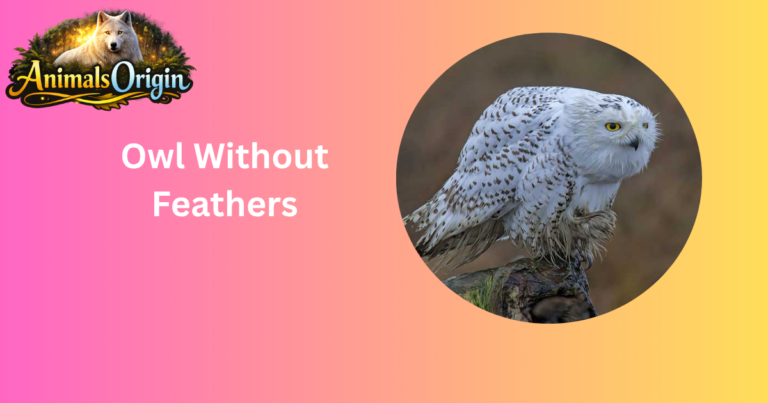
Famous for its striking white plumage, the Snowy Owl is not only a visual wonder but also an expert nocturnal hunter. Its large, yellow eyes grant it remarkable night vision, allowing it to spot prey over vast distances. Often associated with the cold, this owl’s habitat extends far beyond the Arctic, occasionally venturing into urban areas during winter months.
Read more: Five-Letter Birds: Guide To Common Species and Unique Names
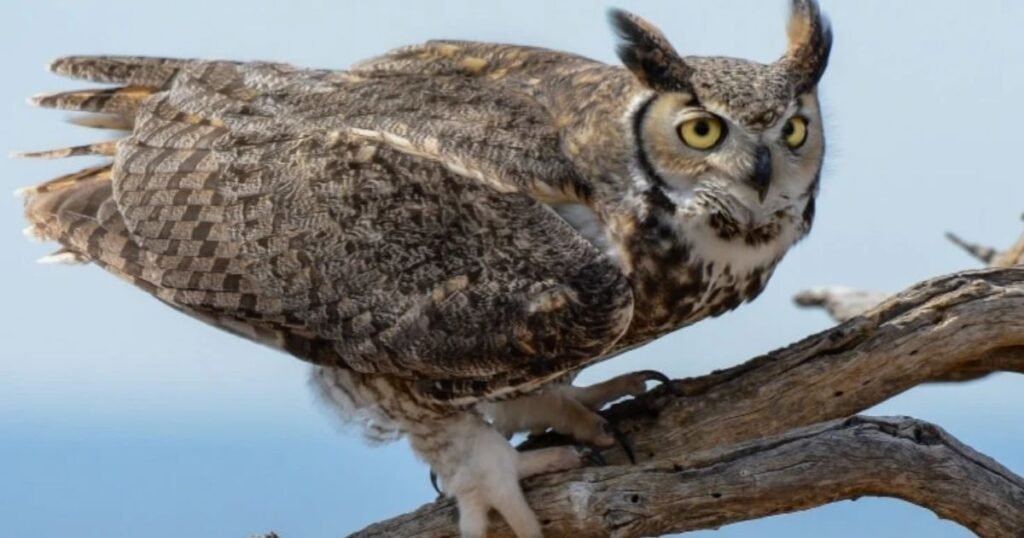
Great Horned Owl
With its tufted “horns” and fierce demeanor, the Great Horned Owl is a formidable predator. It thrives in diverse habitats, from forests to urban environments. This owl’s diverse diet includes everything from small mammals to birds, showcasing its adaptability and hunting prowess.
Eastern Screech Owl
The Eastern Screech Owl is a small yet impactful predator known for its eerie calls that echo through the night. Its camouflaged plumage allows it to blend seamlessly into tree bark, making it an adept ambush hunter. This species can thrive in suburban areas, where it often takes advantage of backyards for hunting.
Tawny Owl
The Tawny Owl’s hoots are a familiar sound in European woodlands, marking the night with its haunting song. This species boasts exceptional hearing, allowing it to locate prey by sound even in dense forests. Its adaptability to various habitats, from rural gardens to ancient woodlands, demonstrates its resilience and tenacity as a nocturnal hunter.
5 Common Nightjars Seen After Sunset
Below is the list of 5 common Nightjars seen after sunset:
- Common Nighthawk
- European Nightjar
- Whip-poor-will
- Chuck-will’s-widow
- Pauraque
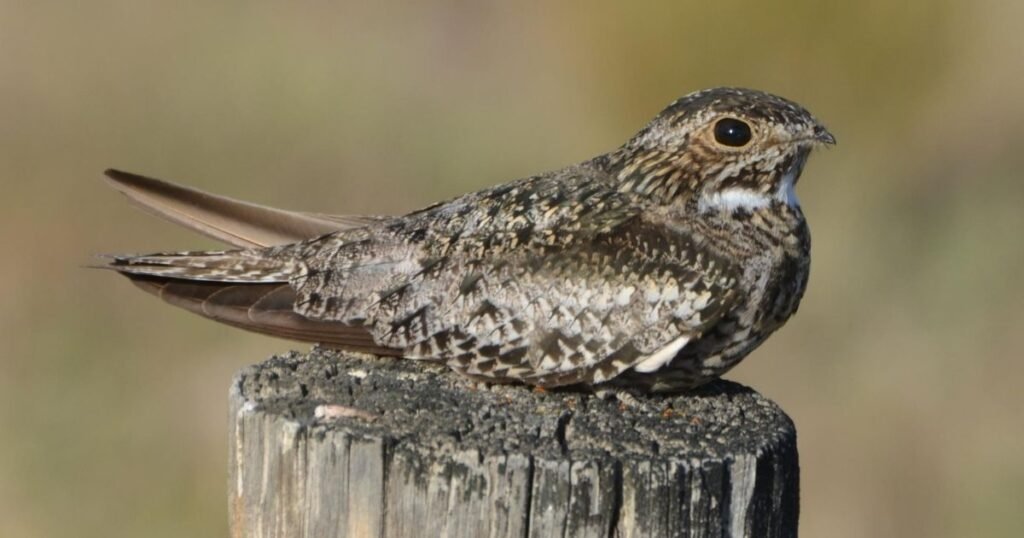
Common Nighthawk
With its striking silhouette against the twilight sky, the Common Nighthawk often leaves birdwatchers in awe. Known for its spectacular aerial displays, this bird dives and swoops in pursuit of insects, producing a unique “peent” call that echoes through the night. Observing their flight patterns can offer insights into local insect populations and environmental health.
European Nightjar
This master of camouflage lies flat against the ground, making it easy to overlook. The European Nightjar emerges at dusk, filling the air with its haunting, repetitive calls. Its plumage blends seamlessly with the forest floor, offering a fascinating study in adaptation — an example of how wildlife evolves to evade predators while thriving in diverse habitats.
Whip-poor-will
The Whip-poor-will’s name mimics its distinct call, reverberating through the woods like a melodic mantra. Preferred habitats include open woodlands and shrubby areas where they nest on the ground, making nighttime listening a delightful exercise in patience. This bird serves as a reminder of the interconnectedness of ecosystems, as its presence often indicates healthy, thriving environments.
Chuck-will ‘s-widow:
With a name as captivating as its call, the Chuck-will ‘s-widow is a nocturnal wonder. Its soft, repetitive song can be a comforting sound on warm evenings, drawing in avid listeners. Often found in southern woodlands, watching this bird can be a serene, almost meditative experience, highlighting the beauty of nocturnal wildlife.
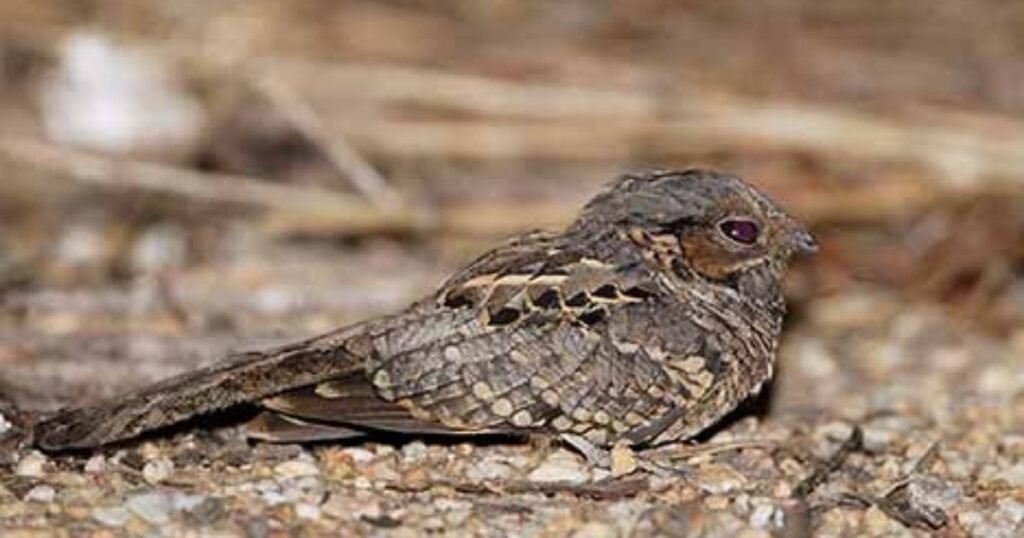
Pauraque
This lesser-known gem of the night is a nocturnal relative of the nightjar, often found in Central and South America. The Pauraque stands out with its unique, striking patterns and deliciously varied calls that bring life to the night. An encounter with this elusive bird reveals the vibrant tapestry of biodiversity, showcasing how even the quietest corners of the world harbor spectacular wildlife.
5 Nighthawks: Fast Birds of the Night Sky
Below is the list of 5 nighthawks:
- Common Nighthawk
- Lesser Nighthawk
- Antillean Nighthawk
- Sand-colored Nighthawk
- Short-tailed Nighthawk
Common Nighthawk
This aerial acrobat, with its stunning camouflage pattern, is often mistaken for a swift when seen darting through the twilight. Remarkably, it can reach speeds of up to 60 mph during its acrobatic displays. Their distinctive “peent” call resonates across open fields at dusk, bringing enchantment to warm summer nights.
Lesser Nighthawk
Smaller yet equally captivating, the Lesser Nighthawk resides mostly in the arid landscapes of the American Southwest. Its unique hunting strategy involves catching insects mid-flight, showcasing agility that rivals that of specialized raptors. This bird’s soft, muted plumage allows it to seamlessly blend into its desert surroundings, making it a master of disguise.
Antillean Nighthawk
Native to the Caribbean, the Antillean Nighthawk boasts a strikingly large head and long wings, making it one of the most notable species. Its enchanting calls echo against the backdrop of tropical evenings, adding to the island’s mystique. However, as habitat loss threatens its populations, birdwatchers and conservationists alike advocate for protection, preserving both the bird and its bewitching surroundings.
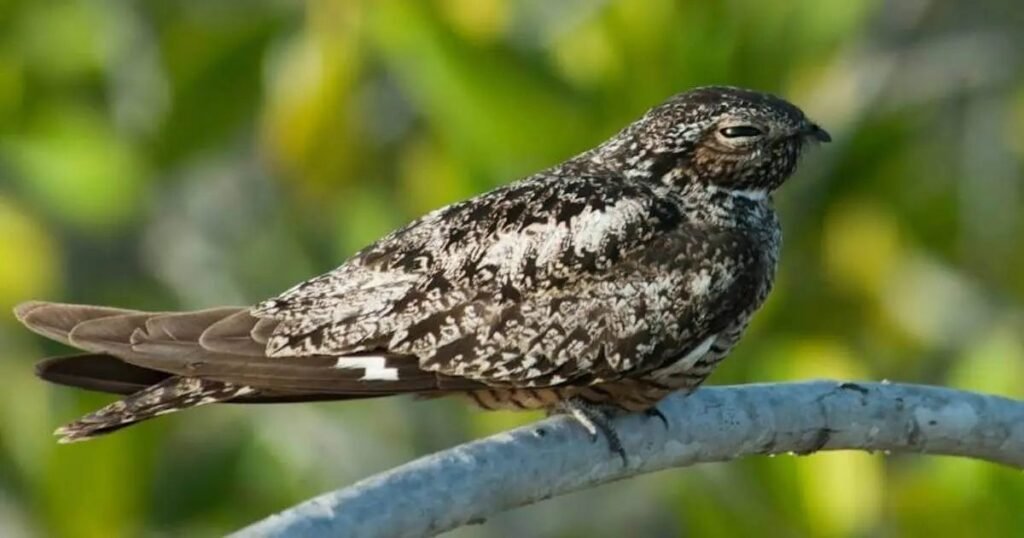
Sand-colored Nighthawk
True to its name, the Sand-colored Nighthawk thrives in sandy, arid regions, where its plumage provides exceptional camouflage. This species is fascinating not only for its appearance but also for its unique nesting habits; it often lays eggs directly on the ground, relying on its coloration to shield them from predators. Their soft singsong calls fill the warm night air, creating a melodic lullaby for those lucky enough to hear.
Short-tailed Nighthawk
With a distinctive tail that sets it apart, the Short-tailed Nighthawk is an enigmatic figure of the night sky. This bird is a master of nocturnal insect hunting and often displays its aerial prowess with mesmerizing dives and climbs. Its elusive, secretive nature means that many birdwatchers consider spotting one a true prize, adding an extra layer of thrill to night-time excursions.
How Nocturnal Birds Survive in Darkness
Nocturnal birds have evolved remarkable adaptations that allow them to thrive in darkness. One of the most fascinating aspects of these birds that fly at night is their exceptional vision. Unlike diurnal species, many nocturnal birds possess large eyes that enable them to capture more light. This acute sensitivity to low light conditions helps them spot prey and navigate their environment with surprising ease, turning the night into a realm of opportunities rather than obstacles.
Final Words
In conclusion, birds that fly at night are truly fascinating creatures that play a vital role in their ecosystems. From the majestic owl to the elusive nightjar, these birds exhibit remarkable adaptations that allow them to thrive in darkness.
Their unique hunting techniques and vocalizations add to the mystery of the night sky. As you venture into areas where these birds reside, keep an eye and ear open for their intriguing behaviors. Explore your local wildlife and appreciate the beauty of these extraordinary nocturnal birds in action!
FAQ’S
Which bird can fly at night?
Several birds are known for their ability to fly at night, often referred to as nocturnal birds. Here are a few examples:
1. Owls
2. Nighthawks
3. Nightjars
What are nocturnal birds?
Nocturnal birds are species that are active at night rather than during the day. Unlike most birds that chirp and sing at sunrise, these feathered night owls use their special adaptations to thrive in low light. Some popular examples include owls, nightjars, and nighthawks