Mule vs Donkey: The Surprising Differences Explained
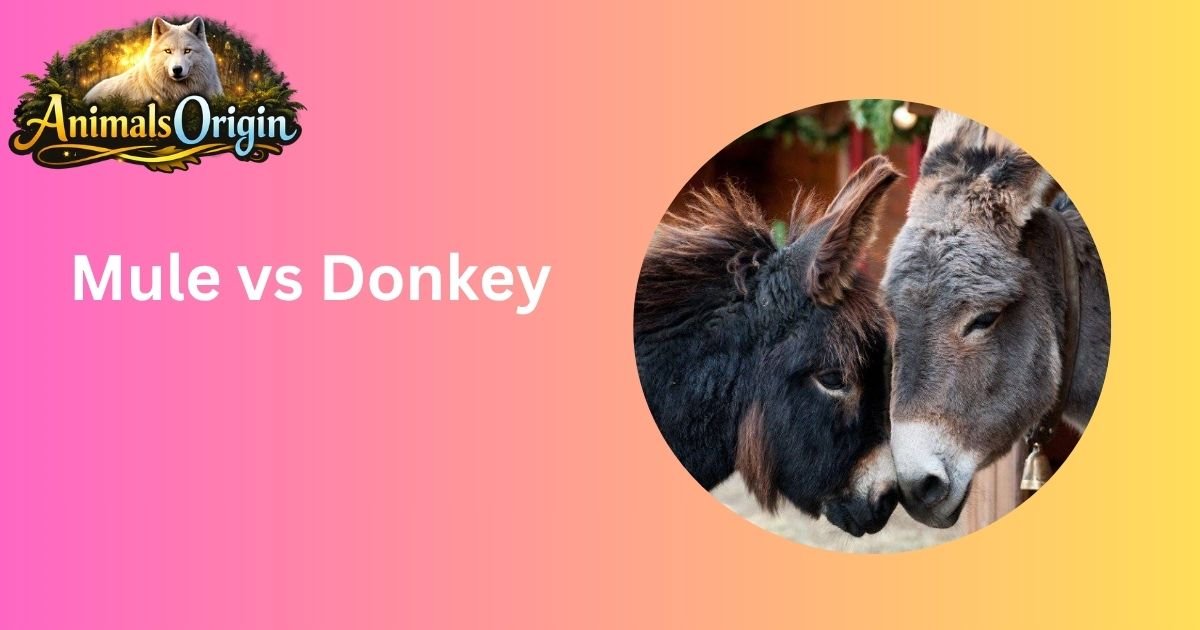
If you think mules and donkeys are just two names for the same animal, prepare to be amazed! The contrast between mules vs donkeys goes beyond mere appearance and delves into behavioral, physical, and functional differences that shape how we interact with them.
In this guide, you’ll gain insight into the important characteristics of each, helping you make informed decisions, whether for work or pleasure.
Are Mules and Donkeys the Same?
When exploring the differences in mule vs donkey, it’s essential to understand their origins. A mule is a hybrid, resulting from the crossbreeding of a male donkey (jack) and a female horse (mare), while a donkey is a distinct species, known scientifically as Equus africanus asinus. This fundamental genetic difference gives mules unique traits that often set them apart from donkeys, such as greater strength and endurance.
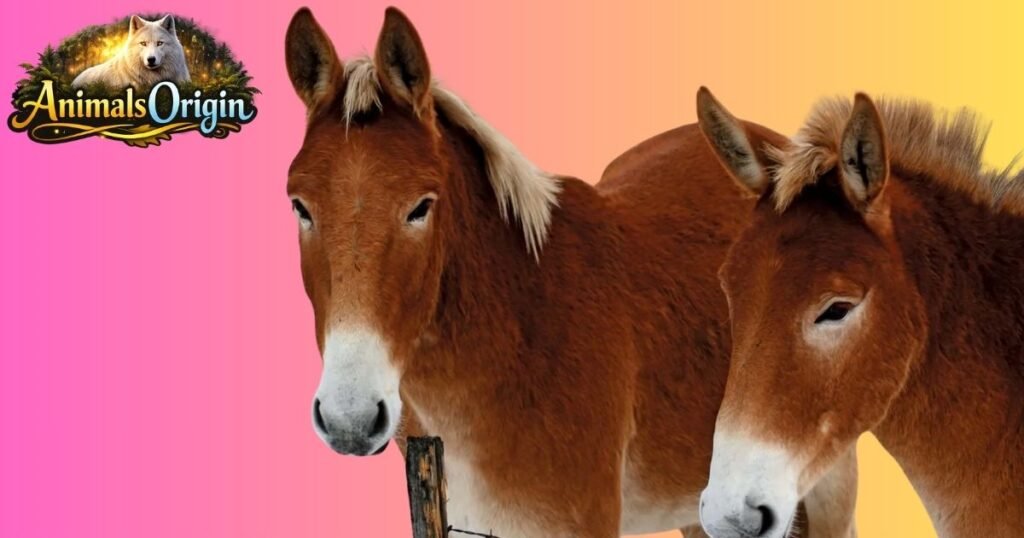
While both mules and donkeys are often considered pack animals, their temperaments and uses vary significantly. Mules tend to inherit the intelligence and sure-footedness of donkeys along with the size and agility of horses, making them highly versatile work animals.
Mules and Donkeys Look Different
When exploring the difference between a donkey and a mule, it’s essential to understand that these two animals, while related, showcase striking differences in appearance and temperament. Donkeys, known for their distinctive long ears and robust stature, possess a more stocky build. Mules, on the other hand, are hybrids resulting from the crossing of a male donkey and a female horse, leading them to exhibit traits from both parents. Their sleek bodies and more refined appearances often lead to the question: Are mules and donkeys the same? The answer is a resounding no, as each serves unique purposes and possesses distinct characteristics.
Another fascinating aspect lies in their temperaments. Donkeys are often more independent and can exhibit a stubborn streak, making them incredibly resilient and cleverly resourceful. Mules, having inherited traits from their horse parentage, tend to be both intelligent and trainable, often taking on jobs requiring stamina and patience.
Mules and Donkeys Have Different Sizes
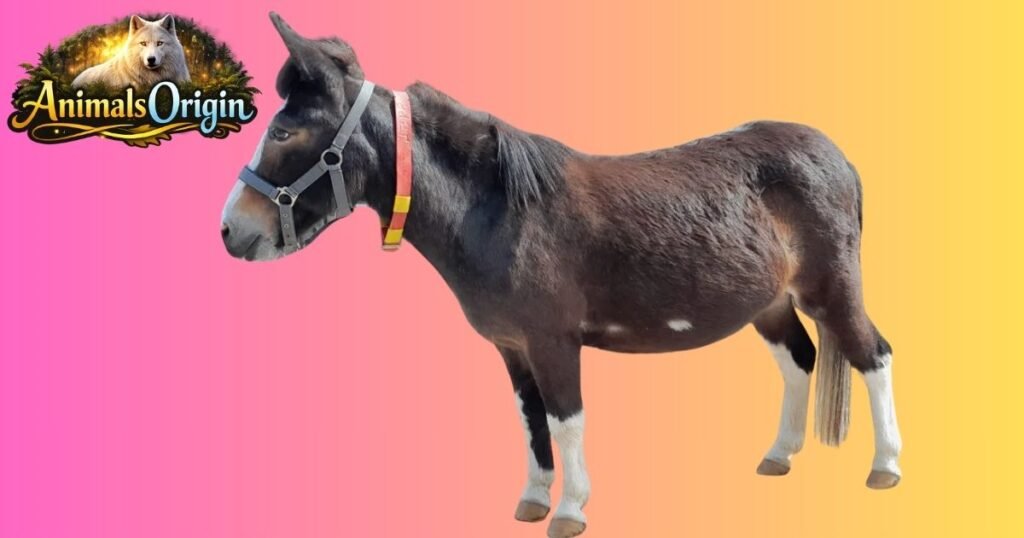
When exploring the difference between a donkey and a mule, size is a notable factor that often surprises many. Donkeys, known for their sturdy build, usually range from 36 to 48 inches in height. Mules, a hybrid of a horse and a donkey, can vary significantly based on their horse parent but often reach heights comparable to horses, anywhere from 50 to 60 inches or even taller. This size disparity isn’t just a matter of measurements; it reflects their distinct lineage and utility in various environments.
Now, considering the question, “Are mules and donkeys the same?”, it becomes clear that while they may share a common ancestry, their size and capabilities diverge widely. Mules, being stronger and often more agile, are prized in farming and transportation tasks where heft and stamina are invaluable.
Also read more: Where Do Penguins Live: Exploring Penguin Habitats Around the World
Mules and Donkeys Have Different Strengths
When exploring the difference between a donkey and a mule, it’s fascinating to highlight their unique strengths. Mules, the hybrid offspring of a male donkey and a female horse, inherit the resilience and stamina of both parents. This makes them exceptional for work in rugged terrain, capable of carrying heavy loads over long distances. Their mixed lineage grants mules a blend of athleticism and intelligence, often showcased in agricultural settings where their desirable traits shine.
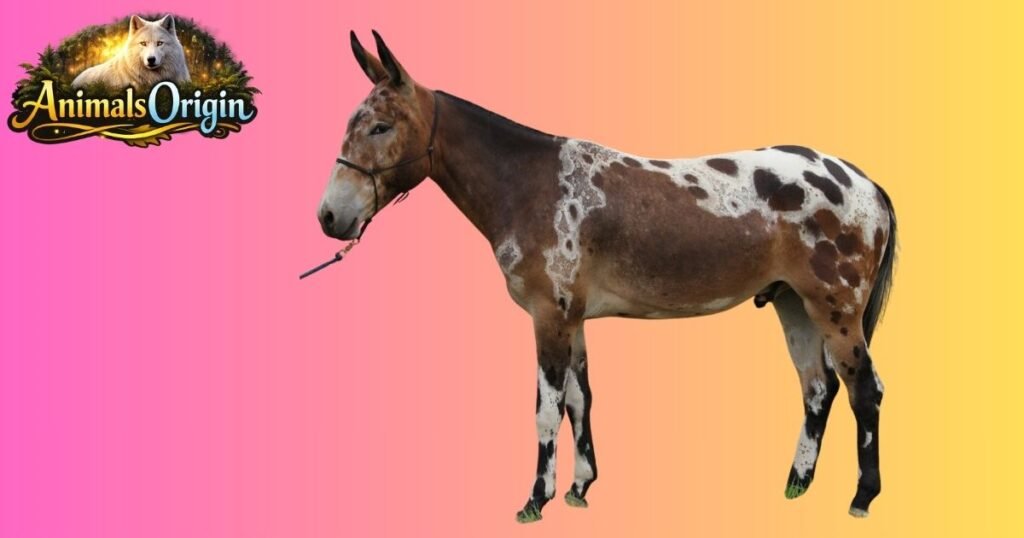
On the other hand, donkeys possess their own remarkable strengths. Known for their stubbornness, which is often misinterpreted as resistance, donkeys have a remarkable ability to gauge situations, making them reliable companions in challenging environments.
Mules and Donkeys Are Used Differently
When exploring the difference between a donkey and a mule, it’s essential to note that these two animals, while often confused, serve unique purposes in agriculture and transportation. Mules, which are hybrids created by breeding a male donkey with a female horse, inherit the best traits from both parents. These attributes make them incredibly strong and resilient, ideal for carrying heavy loads in challenging terrains. On the other hand, donkeys are purebred animals renowned for their intelligence and sure-footedness, often used for light farm work and as dependable companions in rural settings.
Understanding what’s the difference between a donkey and a mule goes beyond genetics; it touches on their roles in human society. Mules possess stamina and are generally more trainable than donkeys, which makes them preferred animals for tasks requiring endurance, such as packing and trail riding.
Final Words
While both mules vs donkeys share a common ancestry and exhibit remarkable traits, their differences are significant and fascinating. Mules are known for their strength and endurance, making them ideal for labor-intensive tasks, whereas donkeys are celebrated for their resilience and ability to thrive in harsh environments. Understanding these distinctions can help owners make informed choices about which animal best suits their needs.
Whether you are considering a mule for heavy work or a donkey for companionship, it’s essential to recognize the unique qualities each brings to the table. Take the time to learn more about these incredible creatures and find the perfect match for your lifestyle.
FAQs
Are Donkey and Mule the Same?
No, donkeys and mules are not the same. A donkey is a distinct species, known scientifically as Equus africanus asinus. Mules, on the other hand, are hybrids created by breeding a male donkey (jack) with a female horse (mare). This makes mules sterile and unable to reproduce.
Can a Mule have a Baby with a Mule?
No, a mule cannot have a baby with another mule. Mules are hybrid animals, resulting from crossing a male donkey and a female horse. They have an odd number of chromosomes, which makes them sterile. This means they can’t reproduce.
What is Stronger, a Donkey or a Mule?
Mules are generally considered stronger than donkeys. This is largely due to their hybrid vigor, as they are a cross between a male donkey and a female horse. Mules inherit the strength of both parents, making them more robust and resilient. They often have a stronger build and better endurance, which is why they’re commonly used for heavy labor.