What Animals Eat Frogs? 15 Frog Predators in the Wild
Did you know that frogs are not just hopping around the wetlands; they are also a crucial source of food for many predators? In the wild, these agile amphibians find themselves on the dinner plates of a variety of animals.
Understanding what animals eat frogs is not only fascinating but also highlights the complex web of ecosystems. In this article, we’ll explore 15 different frog predators, revealing their unique hunting techniques and the roles they play in nature.
What Animals Eat Frogs?
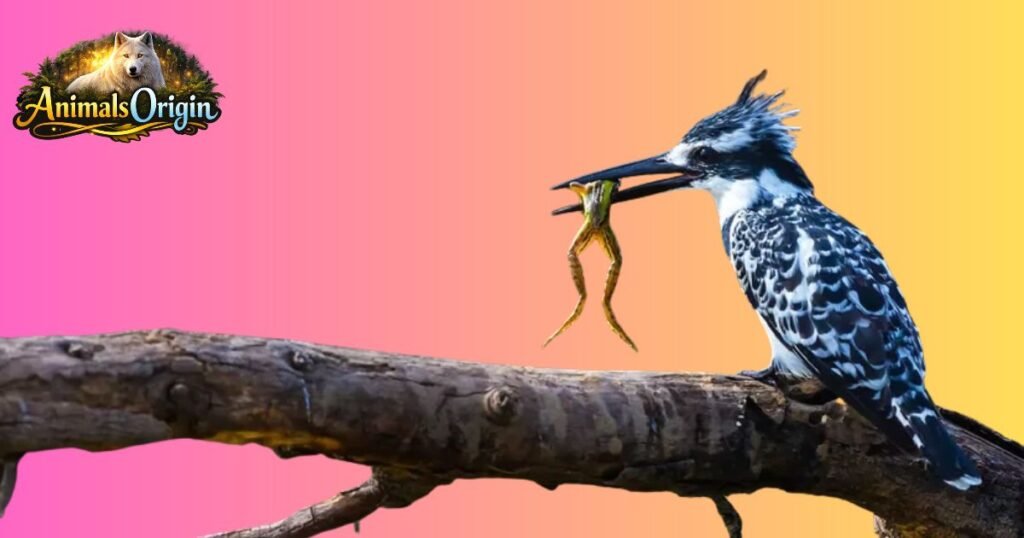
In the intricate web of nature, what animals eat frogs reveals a fascinating interplay of predator and prey. Many birds, for instance, eagerly hunt frogs, making them a staple in their diet. From herons to kingfishers, these feathered hunters have adapted their hunting techniques to catch these elusive amphibians, often diving with precision into the water. With their sharp beaks and keen eyesight, they can spot a frog hiding in plain sight, demonstrating the skillful balance of survival in the wild.
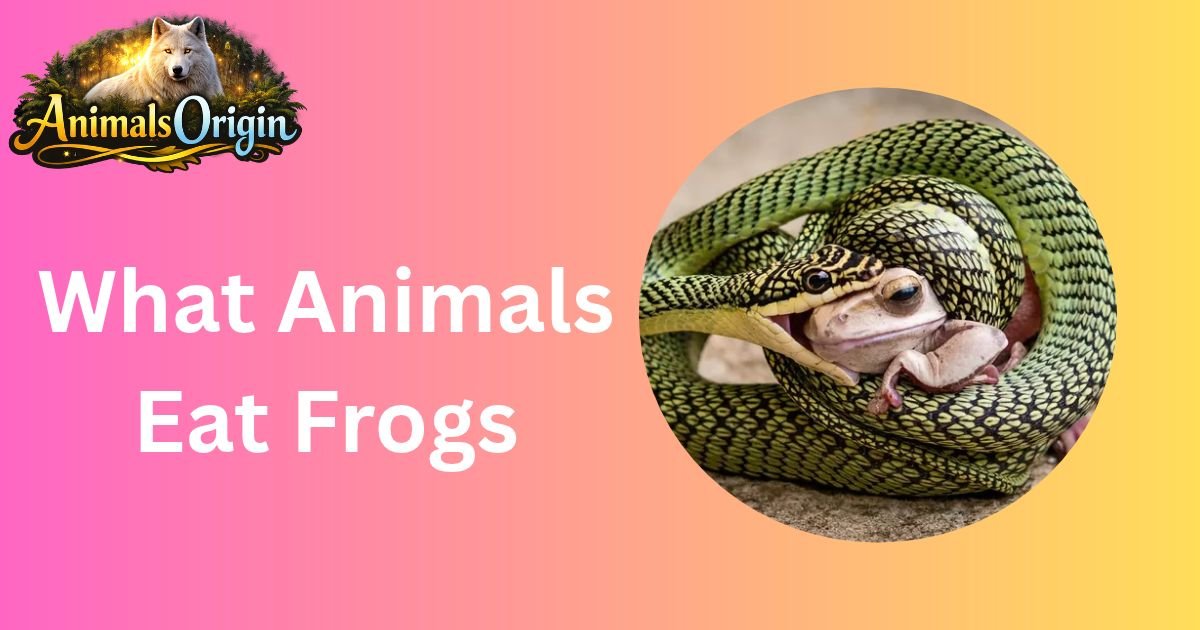
Reptiles also play a significant role in the predation of frogs. Snakes, particularly aquatic varieties like the water moccasin, have a particular taste for frogs. Their stealthy approach allows them to ambush these amphibians effectively. Additionally, certain types of turtles will not hesitate to snap up a frog that ventures too close to the water’s edge.
5 Snakes That Eat Frogs
List of 5 snakes that eat frogs.
- Common Garter Snake
- Common Water Snake
- Green Snake
- Dice Snake
- American Bullsnake
Common Garter Snake
The Common Garter Snake is often found slithering near wetlands, ready to seize an opportunity for a meal. With its quick reflexes, this snake can ambush unsuspecting frogs, making it an adept hunter. Its diet varies, but frogs are a primary target, allowing this adaptable snake to thrive in diverse environments.
Common Water Snake
The Common Water Snake thrives in aquatic habitats, where it utilizes its strong swimming skills to capture frogs. This snake’s ability to camouflage among reeds and underwater vegetation makes it a stealthy predator. Unlike its relatives, this snake exhibits a less-than-gentle approach, often constricting its prey before consumption.
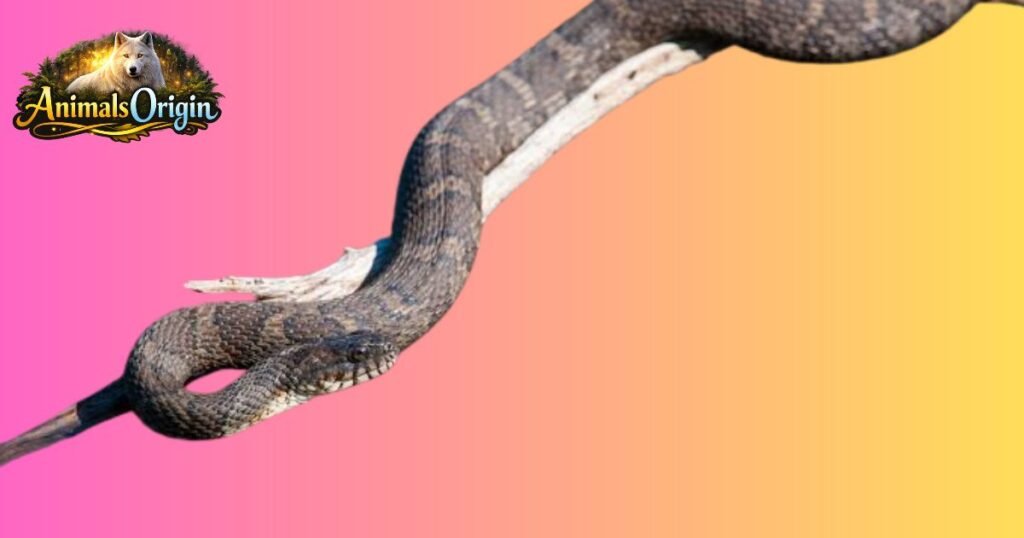
Green Snake
The Green Snake dazzles with its vibrant hue yet hides a fierce appetite for frogs. Mostly hunting during the day, it employs a stealthy approach, catching frogs off guard.
Dice Snake
The Dice Snake mirrors this strategy, utilizing its long body to glide silently through marshes, where it can rely on both speed and surprise to snag its next meal.
American Bullsnake
Lastly, the American Bullsnake showcases its strength and adaptability in various habitats. Known for its ability to overpower larger prey, it doesn’t shy away from targeting frogs when the opportunity arises. By utilizing a mix of intimidation and stealth, this snake exemplifies nature’s balance of predator and prey.
Also read more: Fattest Animals: 15 Surprisingly Chubby Animals in the Wild
5 Birds That Eat Frogs
List of 5 birds that eat frogs.
- Great Blue Heron
- Common Kingfisher
- White Stork
- Black-crowned Night Heron
- Marabou Stork
Great Blue Heron
Renowned for its striking stature and poised demeanor, the Great Blue Heron employs a patient hunting strategy, often standing still for long periods. When a frog ventures too close, this bird strikes with astounding precision, utilizing its sharp beak to snag the amphibian for a protein-packed meal. Observing these majestic creatures at waterside locations adds an element of grace to the pursuit of their prey.
Common Kingfisher
This vibrant little bird boasts iridescent plumage and remarkable agility. The Common Kingfisher relies on its keen eyesight to spot frogs from above, diving with remarkable speed and accuracy. Their acrobatic hunting techniques allow them to exploit shallow waters, making them formidable frog hunter amidst the lush aquatic environments they favor.
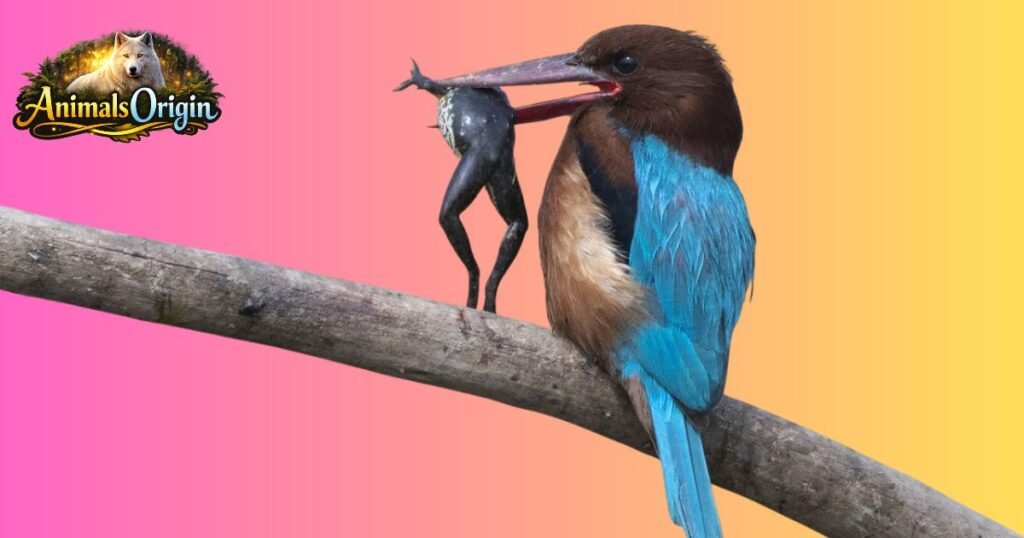
White Stork
Famous for its annual migrations, the White Stork also plays a crucial role in its ecosystem. These birds forage in wetlands and meadows, using their long, sturdy beaks to unearth hidden frogs among the reeds. Their unique feeding habits remind us of the delicate balance in nature, where each species, including the frogs, serves as both prey and a vital player in the local food web.
Black-crowned Night Heron
A nocturnal predator, the Black-crowned Night Heron is particularly adept at hunting frogs under the cover of darkness. With its stealthy approach and keen night vision, this bird can snatch frogs off the shorelines with surprising ease. Its ability to thrive in low-light conditions is a testament to the adaptability of wildlife and the intricate ways different species interact within their habitats.
Marabou Stork
Often regarded as the “vultures of the wetlands,” these scavengers are surprisingly effective in hunting as well. The Marabou Stork is known for its formidable size and strong beak, enabling it to capture frogs in addition to scavenging. Their presence highlights the concept of opportunism in nature, with these storks shifting between scavenger and predator, continually adapting to their environment.
5 Mammals and Reptiles That Prey on Frogs
List of 5 mammals and reptiles that prey on frogs.
- Raccoon
- Otter
- Hedgehog
- Snapping Turtle
- American Alligator
Raccoon
Known for their nimble paws and cleverness, raccoons are opportunistic hunters that often venture into wetlands. Their diet varies widely, but frogs are a tasty treat during the warmer months. Raccoons utilize their keen sense of touch to forage for frogs hidden under vegetation, showcasing their intelligence in hunting strategies.
Otter
Playful yet deadly, otters are agile in both water and on land. They possess a remarkable ability to dive and chase down frogs, showcasing their adaptability. Interestingly, otters don’t just eat frogs; their presence helps regulate amphibian populations, maintaining ecological balance in their habitats.
Hedgehog
While they may appear cute, hedgehogs are equipped with sharp spines and a voracious appetite for small creatures. These nocturnal mammals often hunt for frogs, particularly in gardens or moist environments. Their ability to forage at night gives them an edge, allowing them to take frogs unsuspectingly while they rest.
Snapping Turtle
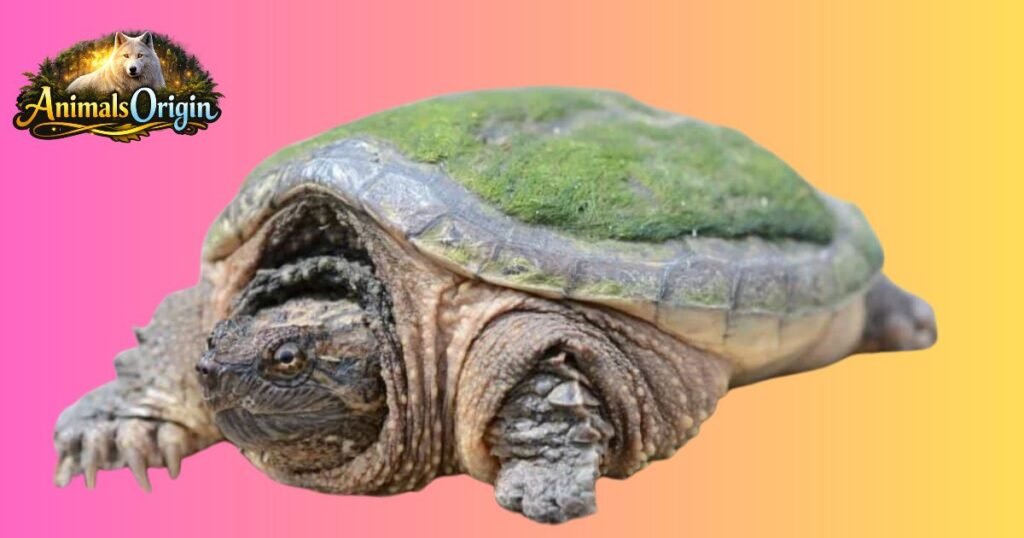
A true ambush predator, the snapping turtle waits patiently at the water’s edge for unsuspecting frogs to come too close. With powerful jaws that can snap shut with impressive force, they are skilled at capturing its amphibious prey. This turtle isn’t just a predator; it plays a crucial role in the ecosystem by controlling frog populations.
American Alligator
As apex predators, American alligators dominate their wetlands and are known for their stealthy hunting techniques. They can stay submerged for hours, launching surprise attacks on frogs that wander too near the water’s surface. Their presence not only impacts frog populations but also influences the overall aquatic food web, making them a critical species in maintaining ecological health.
How Frogs Avoid Their Predators
Frogs have developed a fascinating array of survival strategies to evade their predators, who often include birds, snakes, and even larger amphibians. One of the most intriguing tactics is their camouflage abilities. Many species blend seamlessly into their surroundings, using colors and patterns that mimic leaves, bark, or even water. This visual deception makes it incredibly difficult for predators to spot them, turning their skin into a masterful defense mechanism.
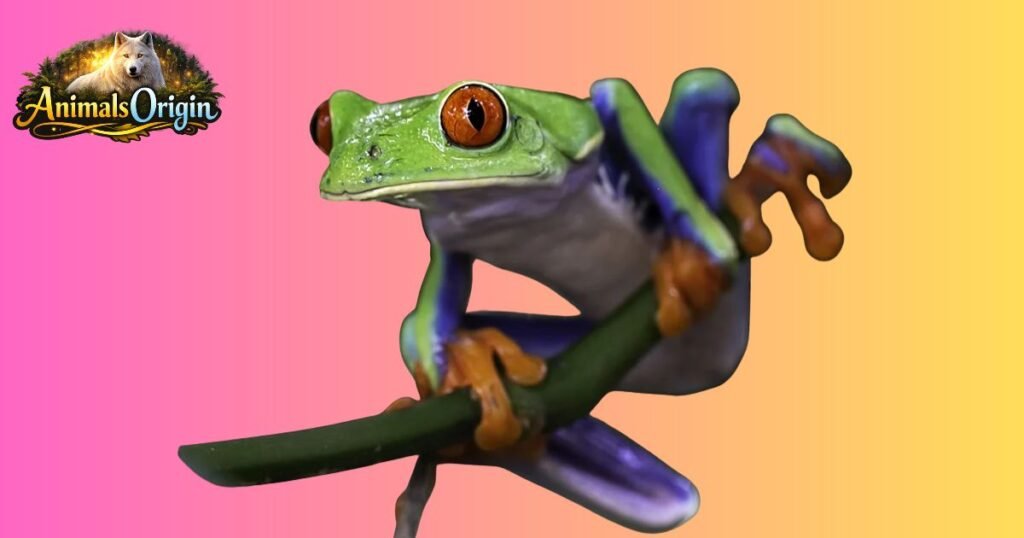
In addition to camouflage, frogs employ a range of behavioral tactics. For instance, when threatened, some frogs can execute abrupt jumps or even play dead, startling their predators momentarily. Others utilize a toxic excretion method, secreting harmful substances through their skin, which serves as a potent deterrent to creatures curious about what eats frogs. This dual approach of blending in and fighting back adds layers to their survival blueprint, showcasing nature’s creativity and resilience.
Final Words
Understanding what animals eat frogs highlights the intricate web of predator-prey interactions in our ecosystems. From birds of prey to snakes and even larger mammals, many species rely on frogs as a vital food source.
These frog predators not only help maintain habitat balance but also show the importance of biodiversity. By appreciating the complexity of these relationships, we can better understand the challenges frogs face, especially as their populations decline. Let’s continue to support conservation efforts to protect both frogs and their natural predators for a healthier ecosystem.
FAQs
What is a Frog’s Biggest Enemy?
A frog’s biggest enemy varies depending on its habitat. Generally, larger predators like snakes, birds, and mammals pose significant threats. Many animals see frogs as a source of food due to their size and flavor. Additionally, certain fish and aquatic creatures prey on them when they are tadpoles.
What is the Biggest Threat to Frogs?
The biggest threat to frogs is habitat loss. Urbanization, agriculture, and deforestation are destroying their natural environments, leaving them with fewer places to live and breed. As wetlands dry up and forests are cleared, frog populations struggle to survive.
Do Cats Eat Frogs?
Yes, cats can eat frogs, and they often do if they catch them. Cats are natural hunters, and their instinct to chase small creatures includes frogs. Frogs can be a source of protein for them, though not all cats will actively hunt them.